
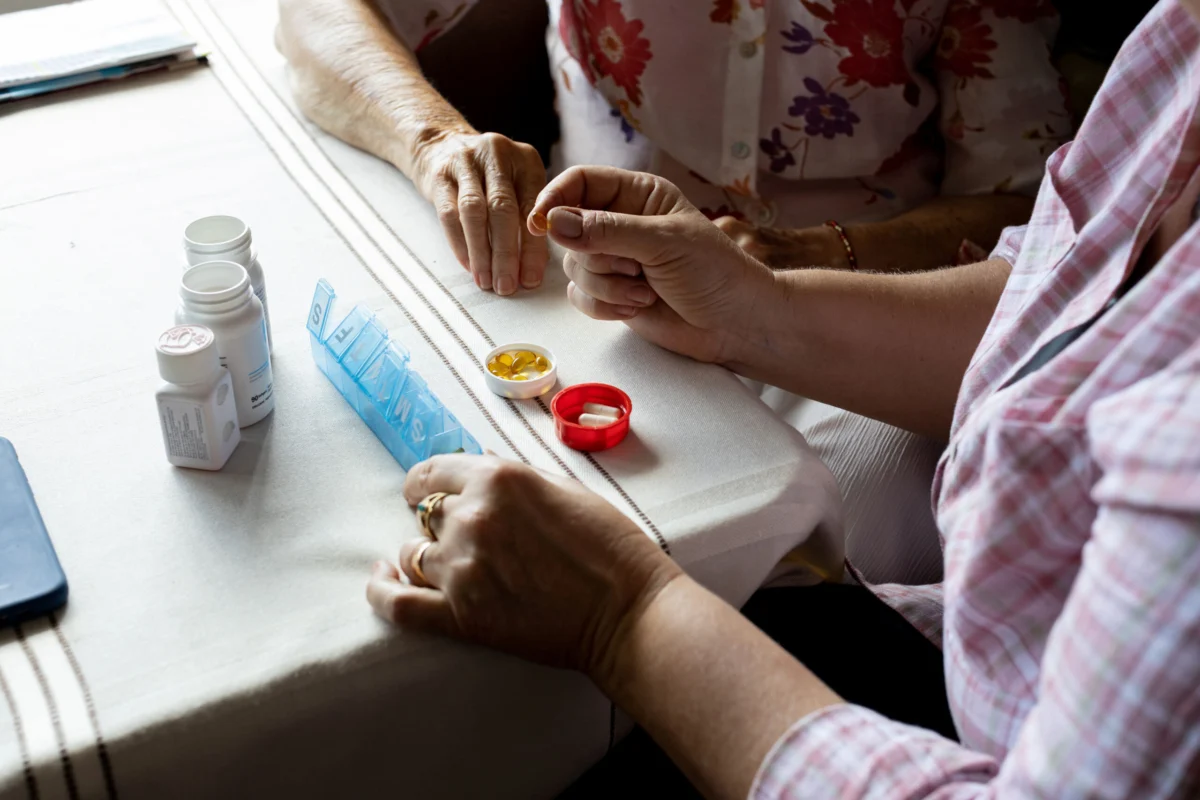
"The weight of the ‘sandwich generation’ is immense, but embracing the caregiver identity can unlock vital support and community."
The demands of caring for both children and aging parents, a role colloquially known as being part of the "sandwich generation," presents a complex and often overwhelming set of responsibilities. This unique stage of life can bring new financial burdens, emotional stressors, and logistical challenges. However, research suggests that acknowledging and claiming the identity of a caregiver can be a powerful first step toward accessing necessary resources and fostering a sense of belonging with others facing similar circumstances. Cara Anthony, a Midwest correspondent for KFF Health News, recently shared her personal experiences and insights on this demanding role during an appearance on WAMU’s Health Hub on June 17, offering valuable perspectives for those navigating this dual caregiving landscape.
The term "sandwich generation" encapsulates a significant demographic group for whom life’s trajectory involves the simultaneous care of their own children and their aging parents. This can manifest in various ways, from providing financial assistance and emotional support to direct hands-on care, including managing medical appointments, household tasks, and daily living activities for older relatives. For many, this period is marked by a constant balancing act, where the needs of one generation often directly conflict with the needs of the other, leading to profound stress and burnout.
Cara Anthony’s participation in WAMU’s Health Hub program illuminated the deeply personal and multifaceted nature of this caregiving role. As a correspondent for KFF Health News, Anthony has a professional understanding of health-related issues, but her appearance also highlighted the lived experience of a family caregiver. Her discussion focused on the practicalities and emotional tolls of parenting while also being responsible for the well-being of aging parents. This dual responsibility often means sacrificing personal time, career advancement, and even one’s own health, as the demands of caregiving take precedence.
The psychological impact of being a caregiver cannot be overstated. Studies have shown that caregivers are at a higher risk for depression, anxiety, and chronic stress-related illnesses. The constant vigilance, the emotional burden of witnessing a parent’s decline, and the financial strain can lead to significant mental and physical exhaustion. Anthony’s candid sharing likely touched upon these difficult realities, offering a relatable narrative for many who feel isolated in their struggles.
A critical insight shared by Anthony, and supported by research, is the empowering effect of adopting a caregiver identity. For some, particularly those who may have previously viewed their caregiving duties as simply an extension of family obligation, formally recognizing themselves as a caregiver can be transformative. This self-identification can lead to a greater willingness to seek and accept help, whether from formal support services, community organizations, or even other family members. It reframes the experience from a burden to a role that, while challenging, also comes with rights, needs, and the potential for support.
The implications of this identity shift extend to community building. When individuals identify as caregivers, they are more likely to connect with others who understand their unique challenges. This can create a sense of solidarity and shared experience, reducing feelings of isolation and providing a platform for mutual support and the exchange of practical advice. Online forums, local support groups, and even informal networks of fellow caregivers can become invaluable resources, offering emotional validation and practical solutions.
Beyond the emotional and social aspects, the practical demands of caregiving are substantial. These can include managing complex medical regimens, navigating healthcare systems, arranging transportation for appointments, and ensuring the safety and comfort of the home environment. For those caring for aging parents, this often involves confronting difficult conversations about end-of-life care, financial planning, and the possibility of long-term care facilities. The financial implications are also significant, with many caregivers facing reduced work hours or leaving their jobs altogether, leading to a loss of income and future retirement savings.
Anthony’s experience, as shared on Health Hub, likely provided concrete examples of how these challenges manifest in daily life. This could have included anecdotes about managing medication schedules, coordinating with doctors, or the emotional toll of seeing a parent’s cognitive abilities decline. Her insights could have also touched upon the financial strains, such as the cost of in-home care, medical equipment, or modified living arrangements.
The concept of the "sandwich generation" is not new, but its prevalence and complexity are growing due to an aging population and longer life expectancies. As individuals live longer, the period during which they may require significant care often overlaps with the years their children are still dependent. This demographic trend places increasing pressure on the middle-aged population, who find themselves at the nexus of these competing demands.
Experts in gerontology and family studies emphasize the importance of proactive planning for both individuals and families facing this situation. This includes open communication within the family about preferences for care, financial resources, and the division of responsibilities. It also involves exploring available support services, such as respite care, adult day programs, and home health agencies, which can provide temporary relief for caregivers and professional assistance for care recipients.
Furthermore, advocating for policies that support family caregivers is crucial. These can include paid family leave, tax credits for caregiving expenses, and increased funding for home and community-based care services. Such measures can alleviate some of the financial and logistical burdens that disproportionately fall on family caregivers.
Anthony’s appearance on WAMU’s Health Hub served as a vital platform for raising awareness about the realities of being a family caregiver. By sharing her personal journey and highlighting the importance of embracing the caregiver identity, she likely encouraged others to seek the support they need and deserve. The experience of being in the sandwich generation is a testament to the strength and resilience of individuals who are committed to their families, but it is also a reminder that no one should have to navigate these complex challenges alone. The recognition and support of caregivers are not just a matter of individual well-being but a critical component of a compassionate and functional society.
