
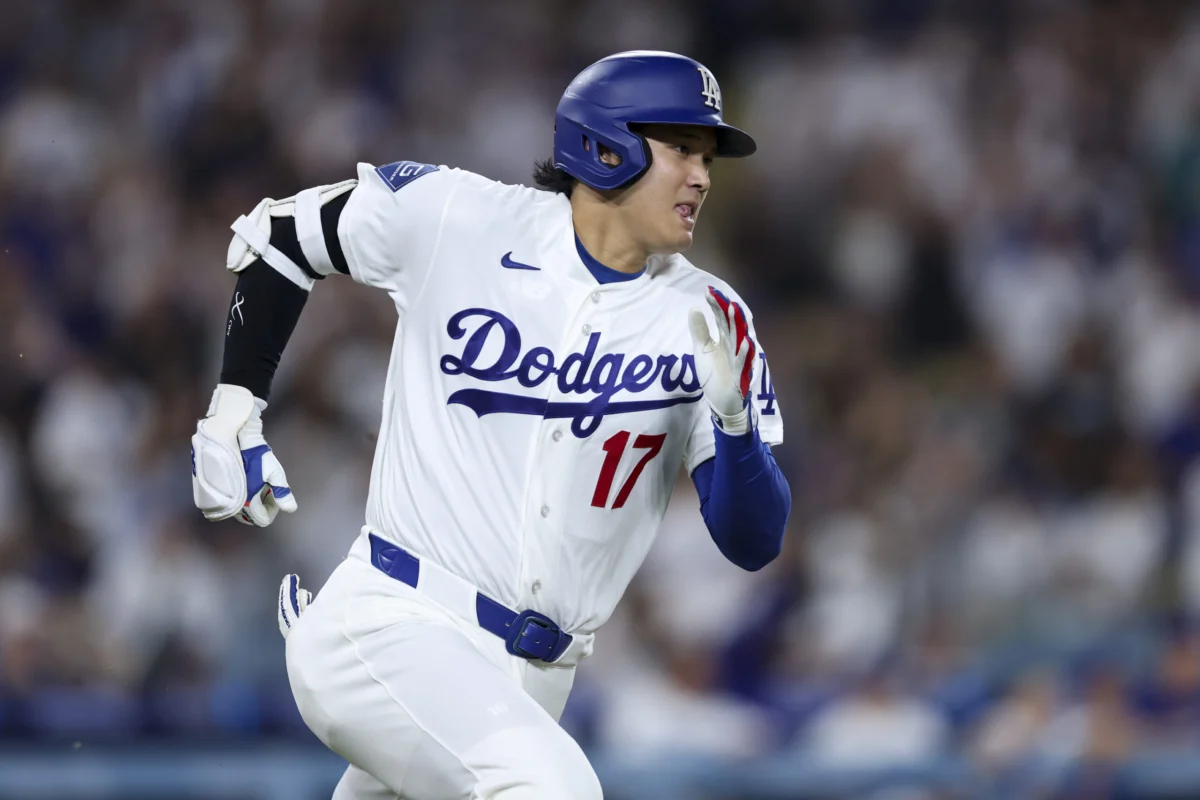
"Prompt reporting of discomfort and a cautious, medically-guided approach are paramount for elite athletes like Shohei Ohtani, ensuring minor issues don’t escalate into significant injuries that jeopardize long-term performance."
This proactive stance by the Los Angeles Dodgers underscores a growing trend in professional sports: prioritizing player well-being through early intervention and conservative management of potential injuries. When two-way superstar Shohei Ohtani reported soreness in his knee and discomfort in his biceps, the team swiftly removed him from the lineup. This decision, emphasized as precautionary, reflects a commitment to safeguarding one of baseball’s most valuable assets, highlighting the critical role of immediate medical evaluation and diligent monitoring in navigating the demands of a grueling season. Ohtani’s willingness to communicate his symptoms, coupled with the Dodgers’ responsive medical protocols, serves as a model for preventive healthcare in high-performance athletics.
Los Angeles Dodgers’ phenom Shohei Ohtani was recently sidelined from the team’s lineup as a precautionary measure following his report of knee soreness and discomfort in his biceps. The decision was initiated by the club’s medical staff, who deemed it prudent to thoroughly evaluate Ohtani’s condition before allowing him to resume play. The Dodgers organization has been keen to stress that this move was not indicative of a confirmed, serious injury, but rather a testament to their careful and measured approach in managing the workload and health of one of baseball’s most exceptional talents throughout the demanding season. Ohtani’s status remains under continuous observation as the Dodgers’ medical team assesses his recovery trajectory and determines the optimal timeline for his safe return to full baseball activities.
The incident underscores the critical importance of open communication between athletes and their medical support teams. Ohtani promptly alerted the Dodgers’ training staff to the sensations he was experiencing, enabling the organization to conduct an immediate evaluation before the symptoms could potentially worsen. Rather than risking further aggravation of his discomfort, the Dodgers opted for a conservative approach by keeping him out of the lineup. This strategy exemplifies how modern professional sports organizations are increasingly prioritizing early injury reporting and implementing proactive, preventive medical management strategies. By acting swiftly, the team aimed to mitigate any potential for a minor issue to escalate into a more significant and prolonged absence, thereby protecting Ohtani’s availability and performance.
The decision by the Dodgers to hold Ohtani out of the lineup was a direct response to his reporting of discomfort. Specifically, he experienced soreness in his knee, an area that often requires careful attention for athletes engaged in high-impact activities. Concurrently, he noted discomfort affecting his biceps, which is particularly pertinent given his dual role as a pitcher and hitter, both of which place considerable stress on the arm. Upon receiving this information, the club’s medical personnel acted decisively, removing him from the active roster for games while trainers and physicians began a comprehensive evaluation of his condition. This evaluation involved monitoring his response to rest and any therapeutic interventions over the subsequent days. Crucially, at the time of these reports, the Dodgers had not disclosed any evidence of a major structural injury. Instead, their public statements consistently emphasized that the absence was a preventive measure designed to avoid exacerbating his symptoms and to provide him with the necessary additional recovery time. This cautious strategy is a hallmark of how elite sports teams manage their star players, recognizing that sustained success often hinges on proactive health management rather than reactive treatment of injuries.
For athletes operating at the pinnacle of their sport, such as Shohei Ohtani, the act of promptly reporting even subtle discomfort can be as vital as the treatment of a diagnosed injury. This early disclosure allows athletic trainers and team physicians to conduct thorough physical examinations, which are the first step in identifying potential issues. Based on these examinations, they can determine whether further diagnostic imaging, such as X-rays, ultrasounds, or MRIs, is warranted. Furthermore, early evaluation enables modifications to training and activity levels before a minor ailment progresses into a more substantial and debilitating injury. This principle is especially critical for two-way players, whose bodies are subjected to immense and repetitive stress across multiple biomechanical demands throughout an extended season. The constant stress on both their lower extremities for power generation and their throwing arms for pitching makes them particularly susceptible to overuse injuries, necessitating vigilant monitoring and swift intervention.
Understanding Knee Injuries: From Diagnosis to Treatment
The American Academy of Orthopedic Surgeons (AAOS) provides a comprehensive overview of knee injuries, which can encompass damage to ligaments, cartilage, tendons, muscles, or bone. These injuries commonly arise from twisting motions, awkward landings, direct physical contact, or the cumulative effect of repetitive overuse. The symptomatic presentation of knee injuries can vary widely but often includes pain, swelling, stiffness, a diminished range of motion, a sensation of instability or "giving way," locking of the joint, or difficulty bearing weight. The diagnostic process typically commences with a detailed physical examination conducted by a healthcare professional. When there is suspicion of more complex internal damage, such as ligamentous tears, cartilage damage, or other structural abnormalities, physicians may order imaging studies. These can include X-rays to visualize bone structures, ultrasound to assess soft tissues like tendons and ligaments, or magnetic resonance imaging (MRI) to provide highly detailed cross-sectional views of the knee’s internal anatomy.
The treatment regimen for knee injuries is highly individualized, dictated by the specific underlying cause and severity of the damage. For less severe cases, treatment may involve conservative measures such as rest from aggravating activities, application of ice to reduce inflammation and pain, activity modification to limit stress on the joint, and the use of anti-inflammatory medications. Physical therapy plays a crucial role in rehabilitation, focusing on strengthening the muscles surrounding the knee, improving flexibility, and restoring proper biomechanics. In instances of significant ligament tears, extensive cartilage damage, or other severe structural injuries, surgical intervention may be necessary to repair or reconstruct damaged tissues. Preventive strategies are also essential for mitigating the risk of knee injuries. These include maintaining optimal strength in the lower body muscles, particularly the quadriceps and hamstrings, which provide crucial support to the knee joint. Enhancing flexibility and balance through regular stretching and proprioceptive exercises can also improve joint stability. Furthermore, adopting proper movement mechanics during athletic activities and ensuring adequate rest and recovery periods between strenuous bouts of exercise are vital components of knee injury prevention.
Addressing Bicep Injuries: Expert Insights
The Cleveland Clinic offers valuable insights into bicep tendon injuries, which are frequently associated with repetitive overhead activities or general overuse. However, acute, sudden injuries can also occur, often during forceful movements. Early stages of bicep tendon irritation, commonly referred to as biceps tendinitis, typically manifest as pain or tenderness localized to the front of the shoulder or the upper arm. Individuals may experience discomfort when lifting objects, throwing, or performing other arm movements that engage the biceps. Weakness in the affected arm and a noticeable reduction in performance capabilities can also be symptomatic. Physicians diagnose these injuries through a combination of a thorough physical examination, during which specific maneuvers are performed to elicit pain and assess the tendon’s integrity. When necessary, imaging studies such as ultrasound or MRI are employed to provide a more detailed assessment of the bicep tendon and surrounding structures, helping to confirm the diagnosis and evaluate the extent of any damage.
Treatment for bicep tendon injuries generally begins with conservative measures aimed at reducing inflammation and promoting healing. This typically involves rest from activities that aggravate the pain, such as overhead throwing or heavy lifting. Application of ice can help manage swelling and discomfort. Physical therapy is often a cornerstone of treatment, focusing on restoring strength, flexibility, and function to the shoulder and arm. Medications, including non-steroidal anti-inflammatory drugs (NSAIDs), may be prescribed to alleviate pain and inflammation. Surgery is generally reserved for more severe cases involving significant tendon tears or when conservative treatments have failed to provide adequate relief. Orthopedic specialists emphasize that a gradual and progressive return to high-demand activities, such as throwing or weightlifting, is crucial once symptoms have substantially improved. This phased approach helps to minimize the risk of recurrent injury by allowing the tendon to fully adapt to the stresses of activity.
Prioritizing Player Health and Long-Term Performance
Shohei Ohtani’s recent situation serves as a potent reminder for all athletes, from the professional ranks to recreational participants, about the critical importance of never ignoring persistent pain or attempting to compete through symptoms without seeking professional medical evaluation. The willingness of athletes to communicate their physical sensations to healthcare professionals is a foundational element of effective injury management. Early reporting allows medical practitioners to identify potential underlying issues before they escalate into more serious conditions. This enables timely adjustments to training regimens, competition schedules, or rehabilitation plans, ensuring that the athlete’s health is not compromised. In many instances, a short period of reduced activity or modified training can prevent a minor, manageable condition from developing into a significant injury that necessitates a prolonged and arduous recovery process.
For professional athletes, whose careers are often defined by their physical capabilities, and for recreational sports enthusiasts alike, Ohtani’s experience reinforces the fundamental principle of allowing injured tissues adequate time to heal and recover before returning to full physical exertion. This involves a commitment to carefully reducing repetitive stress on affected areas, limiting unnecessary physical contact or excessive workloads when appropriate, and diligently adhering to individualized medical guidance. By following these principles, athletes can significantly protect healing tissues, minimize the risk of reinjury, and ultimately support their long-term performance and overall well-being. Even when a team or medical staff describes an absence as "precautionary," the ongoing process of continued monitoring, consistent evaluation, and unwavering adherence to medical recommendations remains an indispensable component of a safe and successful recovery journey, ensuring that the athlete can return to their sport at their best and with confidence.
