
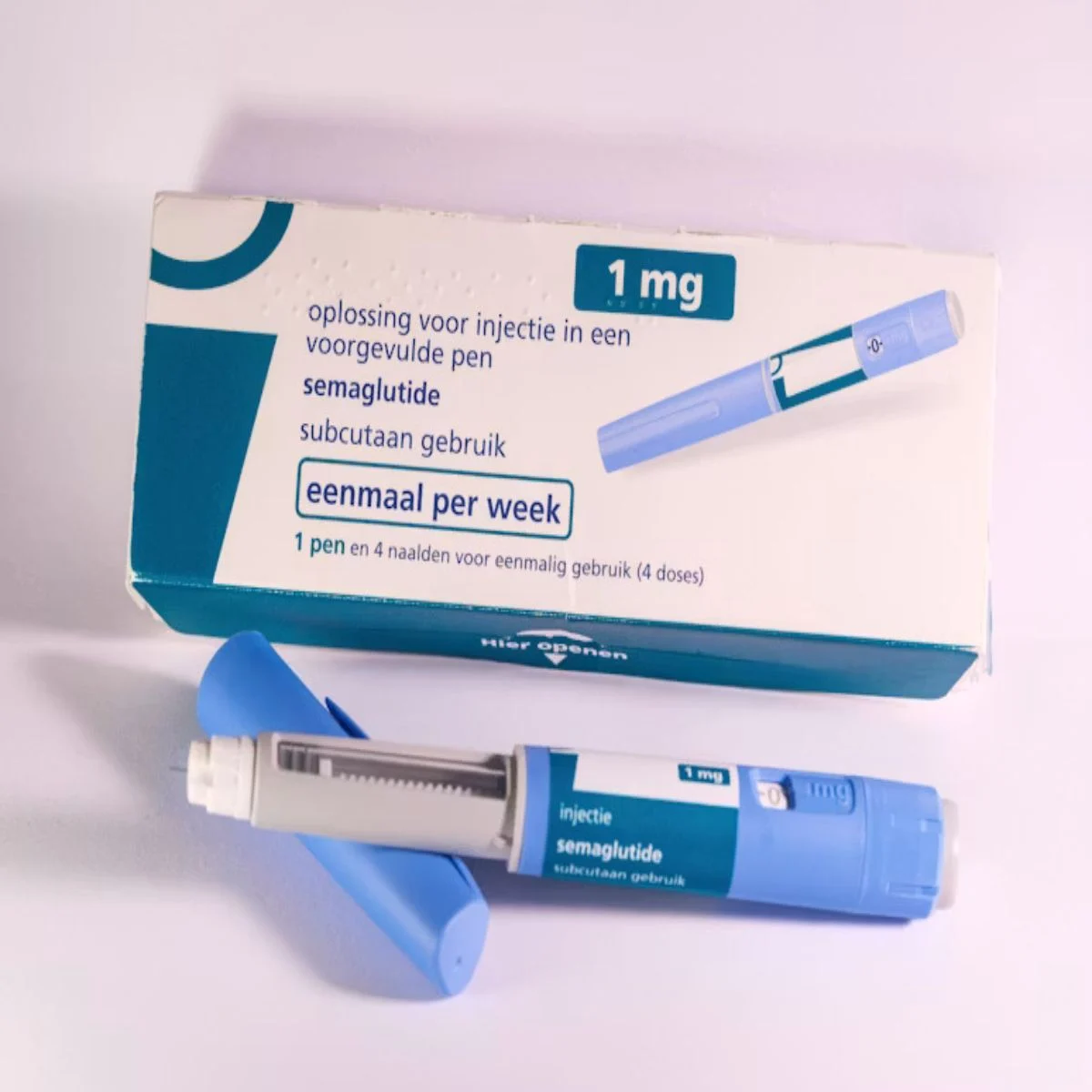
"As open enrollment approaches, a significant portion of employees may find their employer-provided coverage for GLP-1 weight-loss medications altered, reflecting growing employer concerns about cost and utilization, even as per-unit prices decline."
The crucial document detailing your employer-sponsored health benefits for the upcoming year, the Summary of Benefits and Coverage (SBC), will soon be in the hands of many employees. For a notable segment of the workforce, the information regarding coverage for GLP-1 medications, widely used for weight management, is expected to present a different picture than in previous years. This shift is not an isolated anomaly but a discernible trend, supported by recent surveys indicating a recalibration of employer strategies concerning these highly sought-after and often costly therapeutic options.
Two prominent surveys, conducted in early to mid-2026, underscore this evolving approach. A survey of 105 large employers by the Business Group on Health revealed that while 67 percent currently offer coverage for GLP-1 medications for weight management, a substantial portion—72 percent of those currently covering—indicated they are likely to maintain this benefit in 2027. This suggests that approximately one in ten employers providing this coverage may discontinue it entirely. The implications for employees reliant on these medications are significant, potentially forcing a reevaluation of treatment plans and financial commitments.
Adding further weight to this trend, benefits consultancy Mercer reported that among employers with 500 or more workers, 6 percent had already ceased coverage in 2026. Looking ahead to 2027, an additional 5 percent of these employers are either planning to drop or are actively considering dropping coverage for weight-loss indications. Mercer’s data indicates that current coverage for obesity treatment with GLP-1s among this employer group stands at 44 percent. It is important to note that these figures are derived from voluntary employer surveys, not a comprehensive census. They therefore provide a directional insight and an approximate scale of the trend rather than a precise national coverage rate. Discrepancies between the two surveys on baseline coverage rates are attributed to differing definitions of "large employers" and variations in sample selection.
The financial pressures driving these employer decisions are often misunderstood. While per-unit prices for some GLP-1 medications have seen a decrease, the surge in utilization has outpaced these cost reductions. The introduction of oral GLP-1 formulations, such as Novo Nordisk’s Wegovy pill in January 2026 and Eli Lilly’s Foundayo in April 2026, has broadened access to individuals who may have been hesitant to use injectable forms. A significant majority, 87 percent of employers surveyed by the Business Group on Health, anticipate that the availability of oral options will further increase overall demand for these drugs. Louis Zollo, a pharmacy practice leader at the consultancy Segal, highlighted this dynamic to Reuters, stating that "the patient population keeps growing," even as unit costs decline. Ellen Kelsay, president and chief executive of the Business Group on Health, echoed these concerns, emphasizing the "tremendous concern employers have regarding these medications" from both a cost and financial viability perspective.
From the patient’s perspective, the impact of these coverage changes is becoming increasingly apparent. GoodRx research tracking commercial insurance coverage found that as of July 2026, the number of individuals lacking any commercial coverage for Zepbound had increased by 18 percent compared to 2025, leaving over 114 million people without coverage for this specific weight-loss drug. Even for those who do have coverage for a GIP or GLP-1 agonist prescribed for weight loss, a substantial 88 percent still face additional requirements such as prior authorization, according to GoodRx’s findings.
Coverage decisions, however, are not always unidirectional. In a notable instance, CVS Caremark removed Zepbound from its standard commercial formulary in mid-2025. However, the company announced its intention to reinstate the drug as an additional preferred option effective October 1, 2026. For employers whose health plans align with this formulary, access to Zepbound may consequently expand, even as other employers are narrowing their coverage. This highlights the complex and sometimes fluctuating nature of pharmaceutical coverage decisions, influenced by pharmacy benefit managers, manufacturers, and employer benefit strategies.
Navigating the details of employer coverage for these medications requires a focused approach. Employer decisions regarding coverage are rarely announced explicitly; instead, they are embedded within the detailed language of plan documents. Identifying the relevant sections can significantly streamline the search for this information. The primary document to consult is the prescription drug section of the Summary of Benefits and Coverage (SBC). For a more comprehensive understanding, employees should also request the full formulary, a separate and more extensive document that lists all covered medications. Searching both documents for terms such as "weight loss," "weight management," "anti-obesity," and the specific brand names of the medications—Wegovy, Zepbound, and Foundayo—is essential.
A critical distinction that significantly impacts coverage is the prescribed indication. Many health plans draw a line between GLP-1s prescribed for weight loss and those prescribed for type 2 diabetes. It is not uncommon for a plan to cover medications like Ozempic and Mounjaro for diabetes while excluding Wegovy and Zepbound when prescribed for obesity. This indicates a targeted exclusion rather than a wholesale discontinuation of the drug class. Beyond the indication, employees should also look for requirements such as a specialty pharmacy mandate, which directs prescriptions to a designated pharmacy rather than a local retail one, and quantity limits, which cap the amount of medication dispensed at one time. While neither of these constitutes an exclusion, they do alter the process of obtaining and filling a prescription. Some employers may also implement provisions to "grandfather" individuals already undergoing treatment. These grandfathering clauses typically appear with an effective date paired with a higher copay tier and are best identified during the open enrollment period when plan details are most accessible.
The most common conditions imposed on continued coverage for GLP-1s, often appearing under technical jargon, are prior authorization and step therapy. Understanding their meaning is crucial for navigating coverage challenges. Prior authorization signifies that the health plan will not cover the medication until it has been explicitly approved in advance. For weight-loss drugs, the criteria for prior authorization typically involve a documented body mass index (BMI) threshold, often coupled with the presence of related health conditions such as hypertension or sleep apnea. Furthermore, evidence of prior attempts at weight management through lifestyle interventions or other medications is frequently required. Approvals are usually time-limited and necessitate renewal, adding an ongoing administrative burden for both patients and prescribers.
Step therapy, on the other hand, mandates that patients attempt a less expensive or more established treatment option first and document that it was either ineffective or not tolerated. In the context of GLP-1 medications, this could mean trying an older weight-loss medication, a different GLP-1 agonist, or a structured lifestyle modification program before the desired drug is approved. Employers that are continuing coverage are increasingly relying on these mechanisms, alongside mandatory participation in a weight management program, verification of clinical eligibility through biometric data, and restrictions on which healthcare providers are authorized to prescribe the medication. These are the conditions identified by the Business Group on Health among employers that are maintaining coverage.
The distinction between these requirements is vital because the avenues for recourse differ significantly. A denial of prior authorization can often be appealed with robust clinical documentation that supports the medical necessity of the prescribed medication. Conversely, a plan exclusion means the benefit is not covered by the plan at all, and such exclusions generally cannot be appealed on medical grounds.
As the open enrollment period approaches, proactive inquiry is paramount. A benefits administrator can typically provide answers to most of these questions via email, and seeking clarification before the enrollment window closes is far more efficient than discovering coverage gaps at the pharmacy counter in January. Key questions to pose include whether GLP-1 medications for weight management will be covered in the new plan year and how this coverage differs from that for diabetes. It is also essential to inquire about the specific criteria for prior authorization or step therapy, whether individuals currently undergoing treatment are grandfathered, which pharmacy is designated to fill the prescription, and the applicable copay or coinsurance tier.
For individuals with a spouse who also has employer-sponsored coverage, comparing both plans during open enrollment is advisable rather than automatically defaulting to the current plan. Coverage for this drug class can vary considerably even between two employers located in the same city.
For those facing a loss of coverage, several avenues may exist. Manufacturers of these medications now offer direct-to-consumer channels that provide oral formulations at monthly prices potentially lower than the list price. Both major manufacturers also operate patient assistance programs, which have income eligibility criteria. In some instances, a prescriber may be able to document a genuine diagnosis of diabetes or another covered indication for which the GLP-1 is medically appropriate. However, such determinations rest solely with the clinician, and the diagnosis must be accurate and real. It is critically important that no individual abruptly discontinue a GLP-1 medication due to a coverage change without first consulting their prescriber. The potential for significant weight regain after discontinuation is well-documented and can negate previous treatment successes.
The immediate future is dictated by the enrollment calendar. Most large employers finalize their 2027 plan designs during the late summer months and communicate these changes to employees in October and November. Novo Nordisk has announced a forthcoming shift to a unified list price of $675 for Ozempic, Wegovy, and Rybelsus, effective January 1, 2027. This pricing adjustment could further influence employer cost calculations and coverage decisions. As significant formulary and coverage changes are announced, ongoing reporting will provide updates.
Frequently Asked Questions
Are employers dropping weight-loss drug coverage?
Some employers are indeed reducing or eliminating coverage for weight-loss drugs. Among large employers currently covering GLP-1s for weight management, approximately one in ten indicated to the Business Group on Health that they do not anticipate continuing this coverage in 2027.
Is this trend indicative of a national coverage rate?
No, these figures are derived from voluntary employer surveys and reflect the general direction and approximate scale of the trend, rather than a precise national coverage statistic. Differences in how "large employers" are defined and variations in the samples surveyed contribute to discrepancies in baseline coverage rates between different studies.
Why is coverage tightening if drug prices have decreased?
While the per-unit cost of some GLP-1 medications has fallen, the overall utilization of these drugs has increased at a faster rate. This surge in demand is partly attributed to the introduction of new oral formulations, which have attracted individuals who had previously not considered injectable treatments.
Where can I check my own insurance coverage for these medications?
You should consult the prescription drug section of your Summary of Benefits and Coverage (SBC) and request the full formulary. Searching these documents for terms like "weight loss," "anti-obesity," and the specific brand names of the medications (e.g., Wegovy, Zepbound) will provide the most relevant information.
What is the difference between prior authorization and step therapy?
Prior authorization is a requirement that your health plan must approve the specific prescription in advance before it will cover the cost. Step therapy, conversely, requires you to first try a less expensive or more established treatment option and document that it was either ineffective or not tolerated before your plan will cover the preferred medication.
Can I appeal a denial of coverage?
A denial based on prior authorization can typically be appealed with supporting clinical documentation that justifies the medical necessity of the drug. However, a plan exclusion, where the benefit is not covered by the plan at all, generally cannot be appealed on medical grounds.
What should I do if I lose coverage mid-treatment?
It is strongly advised to speak with your prescriber before discontinuing any GLP-1 medication. Manufacturer direct-to-consumer channels and patient assistance programs may offer alternative options. Furthermore, the potential for significant weight regain after stopping these medications is well-documented, underscoring the importance of medical guidance.
