
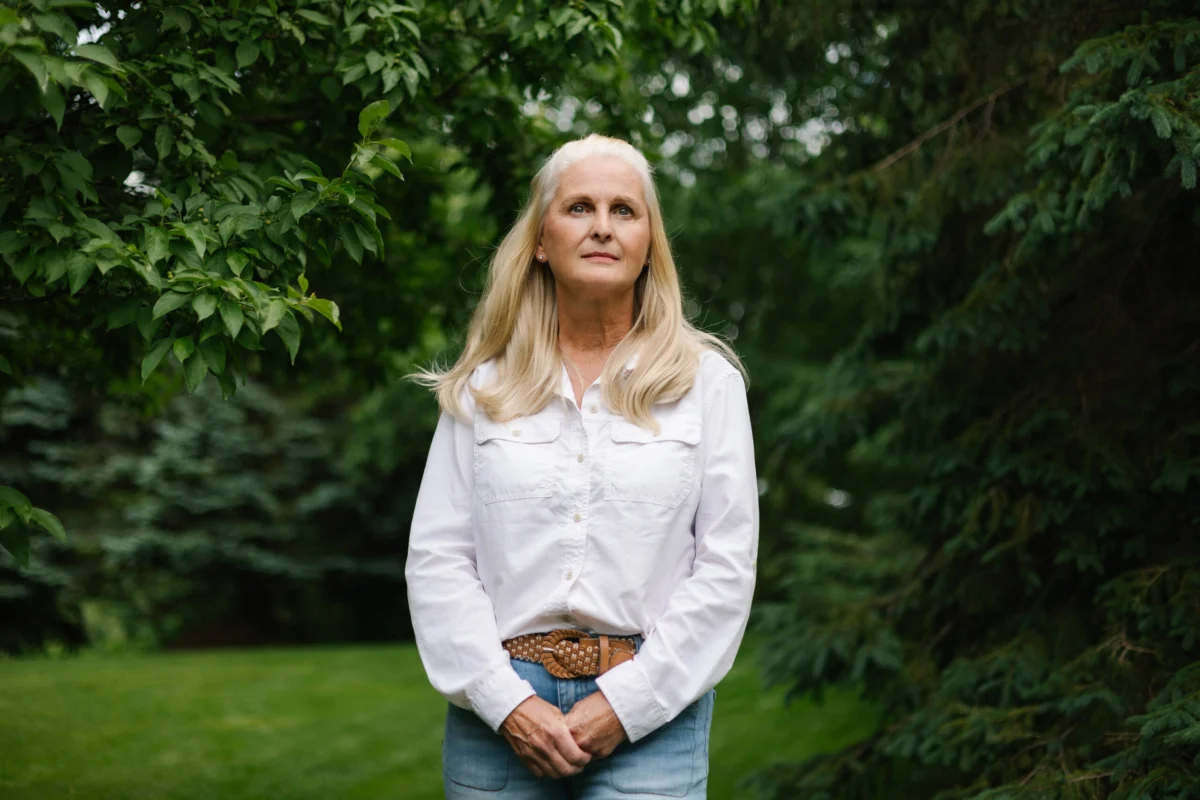
"In these facilities, residents are meant to be cared for, not murdered. This was entirely preventable at multiple junctures."
The tragic death of 92-year-old Attilio Cecchetto, a retired tile installer, at the hands of his roommate in a California nursing home underscores a growing and often overlooked crisis within long-term care facilities nationwide: resident-on-resident violence. This incident, stemming from a volatile roommate assignment fueled by unmet needs and potential systemic failures, highlights the complex challenges of managing residents with dementia and other cognitive impairments, and the devastating consequences when proper protocols are not followed. As investigations reveal, such violent encounters, while often underreported, are a significant threat to the safety and well-being of vulnerable individuals in these care settings, raising critical questions about accountability, resource allocation, and the fundamental right to safety.
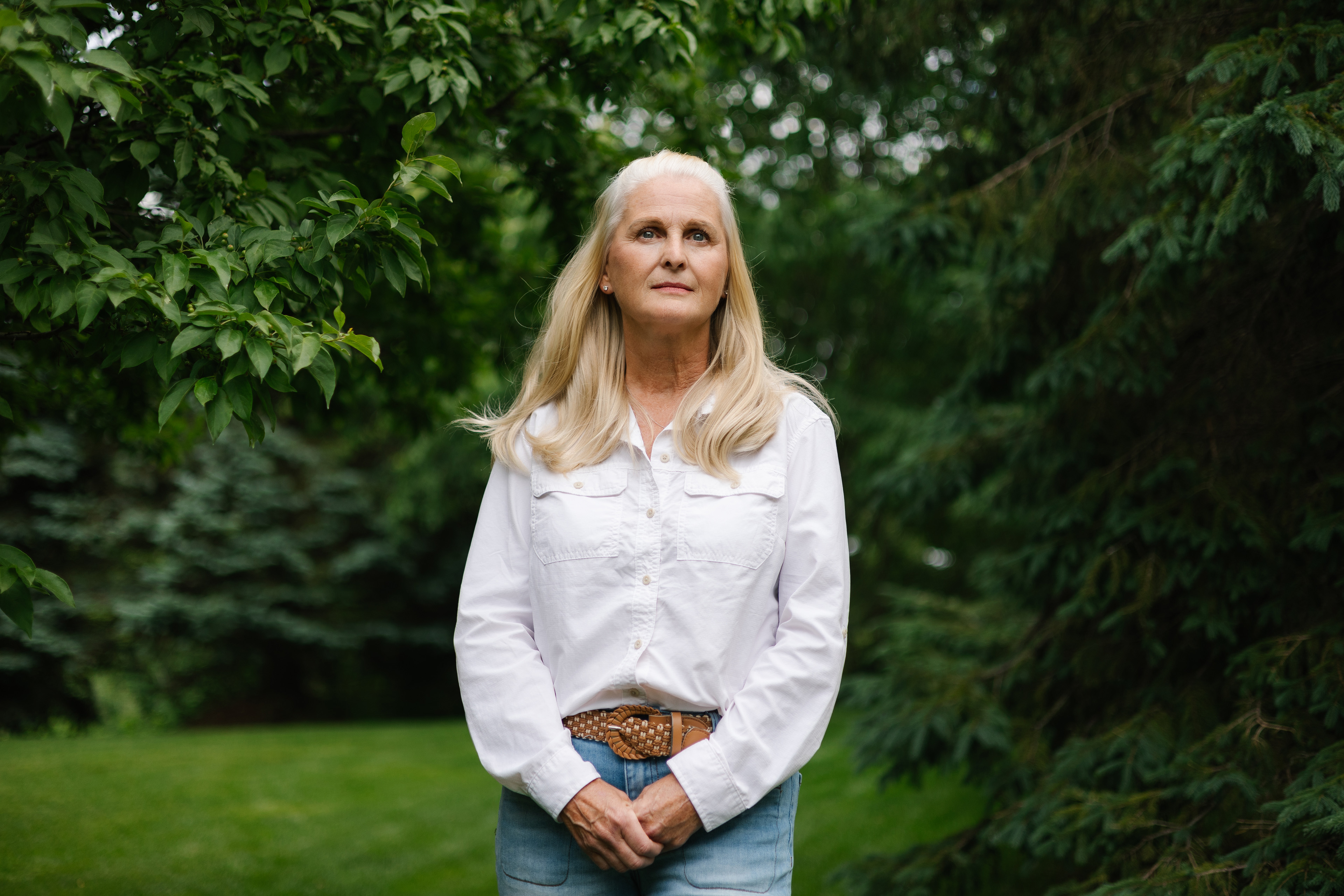
The fatal assault on Attilio Cecchetto at Sunrise Post Acute in Banning, California, paints a grim picture of what can transpire when resident needs are not adequately addressed. Sam Ato Timaloa, 77, Cecchetto’s roommate, was a paroled sex offender with a history of attempted murder. He also suffered from dementia and an acute sensitivity to noise, particularly from roommates. Over a four-month period in 2025, Timaloa was moved eight times within the facility, a measure that, according to a state investigative report, ultimately placed him in a room with Cecchetto. Cecchetto, also a resident with dementia, frequently exhibited symptoms like moaning, mumbling, and yelling.
The horrifying incident unfolded overnight. A nurse aide entering the room discovered a scene of extreme violence: blood splattered across the floor, walls, and ceiling. Testifying before a grand jury, the aide described Cecchetto’s face as “twisted and smashed.” A Banning city police officer reported that Timaloa admitted to punching Cecchetto twice, stating repeatedly that Cecchetto was "too loud" and "talks too much." Tragically, Cecchetto died two days later from blunt force facial trauma.
His son, Gino Cecchetto, expressed profound grief and outrage, stating, “You get placed in a facility like this to be taken care of, not to be murdered. This was completely preventable at many different points.” Timaloa pleaded not guilty to assault, with charges later upgraded to murder. A judge has ordered a mental health evaluation to determine his competency to stand trial, with a ruling expected as early as August.

PACS Group, the owner of Sunrise Post Acute, has denied negligence, with spokesperson Brooks Stevenson stating, “We strive to provide quality care to everyone we serve, and our hearts continue to go out to the Cecchetto family for their loss.” However, the Cecchetto family, along with their widow, has filed a lawsuit against PACS, accusing the company’s founders of draining resources from nursing homes to fund expansion and personal enrichment, while allegedly neglecting resident safety. California regulators fined Sunrise $120,000 for failing to protect Cecchetto and ignoring Timaloa’s stated aversion to noise in room assignments, with Medicare also issuing a $62,810 fine.
The incident at Sunrise Post Acute is not an isolated event. A KFF Health News examination of court records, police reports, and state and federal inspection reports reveals a disturbing pattern of aggression within long-term care settings, ranging from impoverished facilities to high-end assisted living residences. Residents have been victims of shoves, punches, bites, and kicks, with makeshift weapons including canes, walkers, pens, and even wheelchair footrests being employed.
Quantifying the national prevalence of these altercations remains challenging. However, research offers a sobering glimpse into the scope of the problem. An in-depth study of 14 assisted living facilities in New York by Cornell University researchers estimated that one in seven residents experienced aggression—verbal, physical, or sexual—within a month. A separate study by the same researchers focusing on 10 New York nursing homes estimated that one in five residents experienced an altercation in a month. Crucially, these studies consistently find that residents with dementia are disproportionately likely to be perpetrators of aggression.
The underlying pathology of dementia plays a significant role. Diseases causing dementia can impair neural circuits responsible for impulse control and threat perception, thereby increasing the likelihood of aggressive behavior. Residents with Alzheimer’s disease and other dementias represent a substantial portion of the 2.2 million individuals residing in long-term care settings, many of whom are in specialized memory care units. These cognitive impairments can hinder residents’ ability to understand their surroundings or articulate distress, leading to physical manifestations of pain, infection, medication side effects, or other emotional turmoil.
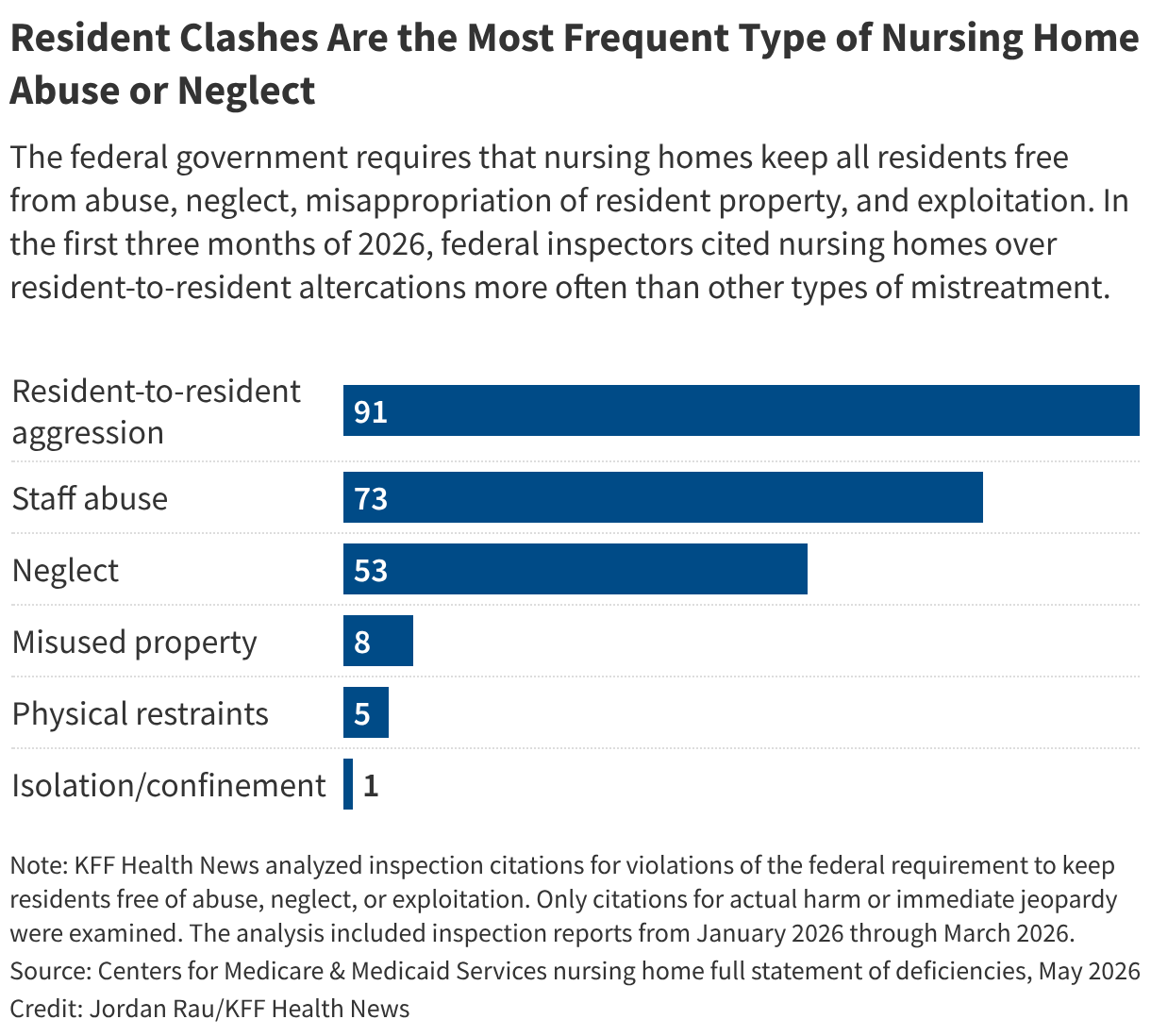
Federal records indicate a significant regulatory focus on this issue. Since the start of 2024, the Centers for Medicare & Medicaid Services (CMS) has cited nursing homes at least 700 times for failing to protect residents from physical, sexual, or verbal abuse by other residents. Notably, in the first three months of 2026, CMS cited nursing homes more frequently for resident-to-resident abuse than for any other type of abuse, neglect, or exploitation, surpassing even incidents involving staff misconduct.
The long-term care industry acknowledges the complexities. Presbyterian Homes & Services, a nonprofit chain, stated that caring for individuals with advanced dementia is intricate, with behaviors that can be difficult to predict or prevent, even with clinical interventions. However, dementia consultants and researchers like Eilon Caspi emphasize that altercations are typically preceded by specific unmet needs and observable warning signs, often present in the days, weeks, or even minutes leading up to an incident.

The psychological underpinnings of aggression in dementia, particularly Alzheimer’s disease, are linked to the deterioration of brain networks. As the prefrontal cortex, responsible for judgment and self-control, weakens, the balance shifts, potentially amplifying responses from limbic regions like the amygdala, which process fear and threat. This cognitive decline can lead to confusion, misinterpretation of stimuli, and an inability to verbally express discomfort, resulting in physical outbursts. The very nature of long-term care environments—with frequent staff changes, close proximity, and structured routines—can inadvertently become triggering for residents struggling with disorientation and a diminished sense of security. Geriatrician Al Power notes, “You don’t feel safe, because you don’t know these strangers who are coming in and taking off your clothes. These things will be distressing to anybody.”
While verbal altercations are the most common form of aggression, studies indicate that a significant percentage of residents experience physical assaults. Furthermore, analyses of police calls to nursing homes reveal that resident-to-resident clashes are a more frequent reason for police intervention than staff abuse, theft, or resident elopement combined. Many of these physical aggressions are perpetrated by residents with diagnoses of dementia, schizophrenia, or other cognitive disorders, sometimes involving mutual aggression, other times being one-sided. Laura Mosqueda, a geriatrician at the University of Southern California’s Keck Medicine, expresses concern that such incidents are often attributed solely to the cognitive impairment of the individuals involved, overshadowing the responsibility of the facility to ensure safety.
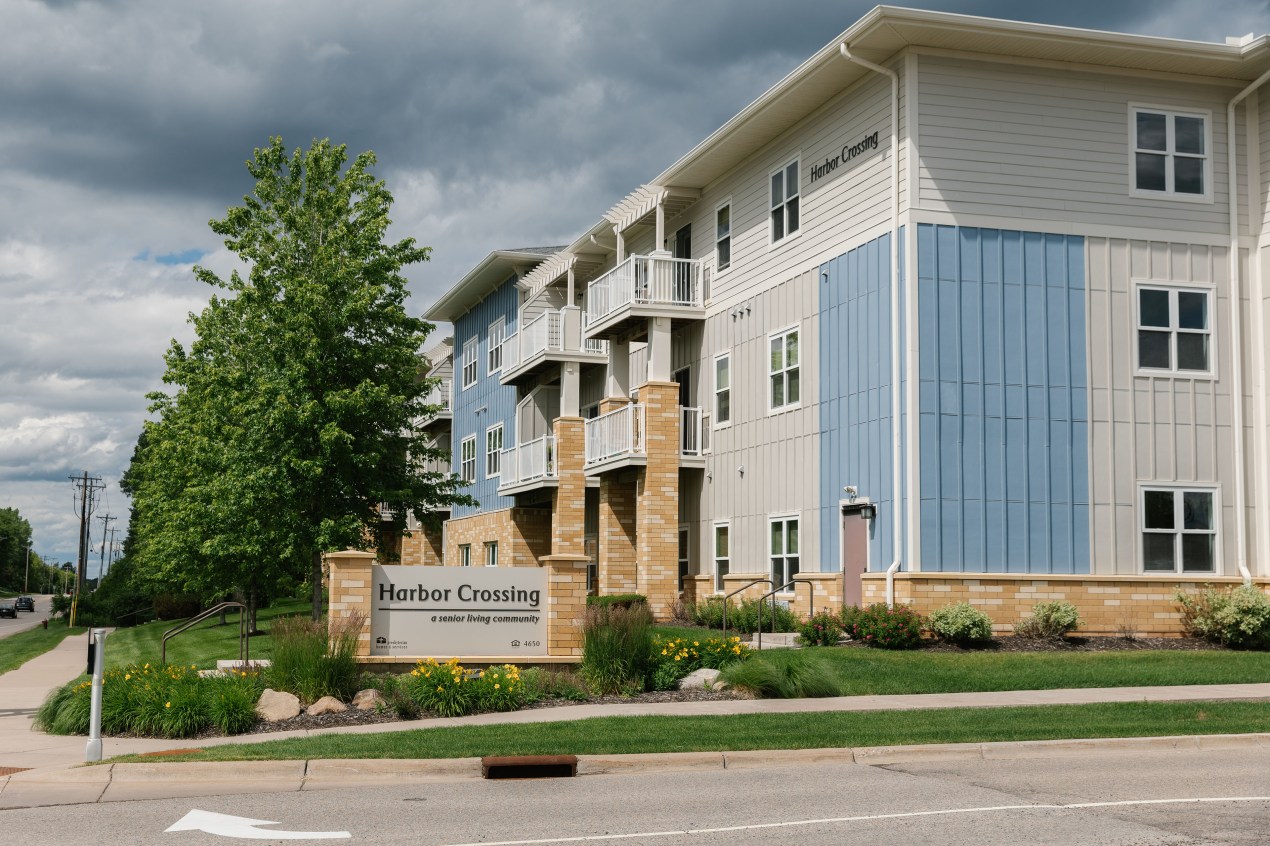
A case in point is Gladys Lynch, a 96-year-old woman residing in the memory care unit at Harbor Crossing in White Bear Lake, Minnesota. Her daughter, Rebecca Norton, installed web cameras and observed another resident repeatedly entering Lynch’s room, harassing her, and using her belongings. Despite reporting these incidents to the administration, the issue persisted. Unknown to Norton, facility aides had raised concerns about this other resident, who exhibited confusion, difficulty communicating, and aggressive behaviors, including hitting aides. Despite these documented concerns and the fact that medications had proven ineffective, no adequate interventions were implemented. A nurse had reportedly warned the resident’s doctor that it was “only a matter of time” before she harmed another resident.

The tragic outcome occurred on September 30, 2025. The aggressive resident entered Lynch’s room, resisted leaving, and later returned. Video evidence captured Lynch attempting to block the woman from taking an object near the door, leading to the woman slapping Lynch’s hands, threatening to kill her, and pushing Lynch to the floor. Lynch fell, striking her head. Aides arrived 13 minutes after Lynch activated her alert pendant. She suffered a brain hemorrhage and fractures, dying five days later. The medical examiner declared her death a homicide. While prosecutors declined to bring charges, the Minnesota Department of Health concluded that Harbor Crossing was responsible for neglect, having failed to implement effective interventions despite awareness of the resident’s violent tendencies. Harbor Crossing has contested these findings. Lynch’s family has filed a wrongful death lawsuit against the facility’s owner, Presbyterian Homes.
Experts advocate for a multi-faceted approach to mitigate resident-on-resident violence. This includes enhanced supervision of high-risk residents, proximity to nursing stations, separation of residents with recurring conflicts, and careful roommate assignments. Comprehensive care plans, staff training on identifying resident triggers, and prompt intervention are essential. While psychotropic medications are often prescribed, their potential side effects, including increased risk of falls, strokes, and mortality, necessitate cautious use. The persistent issue of understaffing in many facilities limits the feasibility of dedicated one-on-one supervision. Some facilities resort to requiring families to hire private aides, a significant financial burden, or, in extreme cases, discharging residents. Camille Russell, a former long-term care ombudsman, asserts that many facilities prioritize profit over compassionate care, leading to undertrained staff and a failure to make truly caring decisions.
Not all altercations result in fatalities, but even non-fatal assaults can have devastating and permanent consequences for frail residents. Linda Twiddy, a resident with vascular dementia at The Vero at Chesapeake in Virginia, suffered a severe leg injury after being kicked by another resident with dementia. The injury, described as a 10-inch by 6-inch wound requiring multiple surgeries and a month of rehabilitation, left her unable to walk again. The assailant had a documented history of aggression at a previous facility. The Vero denied negligence, claiming Twiddy’s injuries were due to her own negligence or the acts of others. Virginia regulators alleged the facility failed to assume responsibility for resident safety. The lawsuit brought by Twiddy’s family was settled confidentially.
The case of Attilio Cecchetto, coupled with others like Gladys Lynch and Linda Twiddy, underscores the critical need for systemic reform. The financial records of PACS Group, the owner of Sunrise Post Acute, reveal substantial profits and executive compensation, raising questions about resource allocation within their vast network of facilities. While the company denies negligence, the lawsuit filed by the Cecchetto family seeks to mandate robust procedures for admissions, staff training, room changes, and the reporting of altercations, along with a court-appointed monitor to ensure compliance. The family’s plea is clear: “We don’t want this to happen to somebody again. With the life he led, he deserved a quiet, dignified death. Instead, he ended his life in pain and fear.” Their sentiment echoes the universal desire for dignity and safety in the final years of life, a desire that, tragically, remains unfulfilled for too many vulnerable residents in long-term care.
