
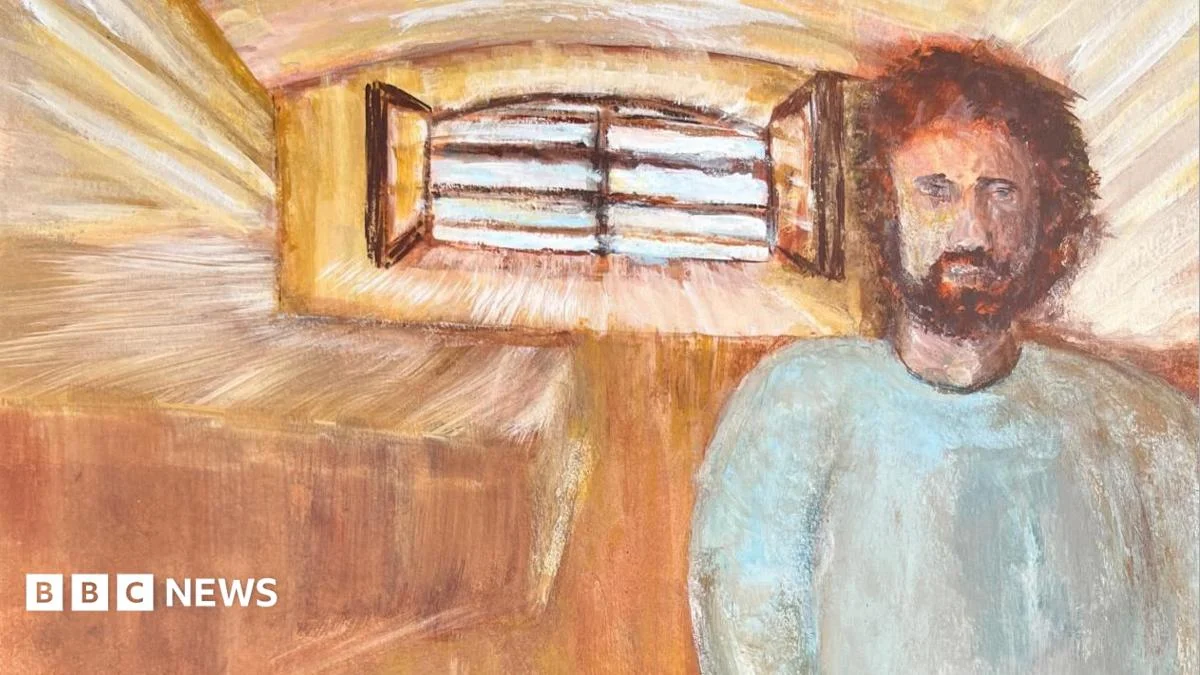
Through the transformative power of art, prisoners at HMP Erlestoke are not only developing new skills but also fostering mental well-being and paving a path towards successful reintegration into society. This innovative program highlights how creative expression can serve as a profound tool for rehabilitation, offering participants a tangible sense of achievement and a connection to the outside world.
In a pioneering initiative, a charity is actively supporting the rehabilitation journey of prisoners by providing them with the unique opportunity to create and sell their own artwork. This program, known as the Prison Art Project, is currently operating within HMP Erlestoke in Wiltshire and is generously backed by ALABARE, a charity primarily known for its work with homeless individuals. By enabling participants to engage in meaningful artistic endeavors and offering a platform for their work to be sold online, the project aims to foster personal growth, improve mental health, and equip individuals with valuable skills for life beyond incarceration.
The significance of rehabilitation within the criminal justice system cannot be overstated. Beyond the immediate punitive aspects, the ultimate goal of imprisonment is often to facilitate an individual’s successful reintegration into society, thereby reducing reoffending rates and enhancing public safety. Traditional approaches to rehabilitation often focus on education, vocational training, and cognitive behavioral therapies. While invaluable, these methods can sometimes overlook the profound therapeutic potential of creative expression, particularly for individuals navigating the complex emotional and psychological challenges inherent in a custodial environment. The Prison Art Project at HMP Erlestoke stands as a compelling example of how artistic engagement can be woven into the fabric of rehabilitation efforts, offering a multifaceted approach to personal development.
Participants within HMP Erlestoke have embraced the scheme with enthusiasm, producing a diverse array of artwork. The core tenet of the program revolves around providing prisoners with an outlet for creativity, a sense of purpose, and a direct connection to the external community through the sale of their work. The impact on participants has been demonstrably positive, with many attesting to the significant benefits creativity has had on their mental health and overall well-being. In a carceral setting where autonomy and self-expression are often limited, the act of creating something unique and personal can be deeply empowering. Participants have frequently described the process as "rewarding," a sentiment that underscores the profound psychological benefits derived from tangible accomplishment and recognition.
Laura Joy, representing ALABARE, articulated the charity’s perspective on the initiative: "Artwork really gives people a chance to do meaningful activity towards rehabilitation and to support better choices." This statement encapsulates the project’s philosophy, recognizing that rehabilitation extends beyond mere compliance with rules; it involves cultivating intrinsic motivation for positive change. Meaningful activity, particularly one that fosters self-worth and provides a constructive outlet for emotions, is crucial for individuals seeking to re-evaluate their past choices and build a more constructive future. Art, in this context, becomes a medium for self-discovery, emotional processing, and the development of a renewed sense of identity.
The practical implementation of the Prison Art Project is thoughtfully structured to maximize participant engagement and ensure sustainability. Each participant is provided with a comprehensive art pack, meticulously curated to include a variety of high-quality supplies. These packs typically contain essentials such as acrylic paints, pencils, watercolours, and pastels, offering a broad spectrum of artistic possibilities. The provision of these materials is contingent upon the participants’ commitment to creating up to four pieces of artwork. This structured approach not only encourages discipline and consistent engagement but also ensures a steady output of work for potential sale.
A key distinguishing feature of the program is its innovative financial model, designed to empower the artists directly while also ensuring the continued viability of the project. If an artwork is purchased through the online platform, the artist receives a substantial 50% of the profits. This direct financial benefit is not merely an incentive; it represents a tangible reward for their effort, skill, and creativity. For individuals who may have experienced financial instability or reliance on others, earning legitimate income through their own creative endeavors can be profoundly transformative, fostering a sense of independence and self-sufficiency. The remaining 50% of the proceeds is strategically reinvested into the scheme itself, specifically allocated to fund the purchase of additional art materials for other participants. This self-sustaining mechanism ensures that the project can continue to offer opportunities to a broader cohort of prisoners, creating a virtuous cycle of creativity and rehabilitation.
The therapeutic benefits of art are well-documented across various clinical and social settings. In the context of incarceration, these benefits are particularly pertinent. Art therapy, or simply engaging in creative activities, can provide a non-verbal means of expression for individuals who may struggle to articulate complex emotions, traumas, or anxieties verbally. The act of drawing, painting, or sculpting can reduce stress, alleviate symptoms of depression and anxiety, and improve emotional regulation. It encourages introspection and self-reflection, allowing individuals to process their experiences in a safe and constructive manner. Furthermore, the focus and concentration required for artistic creation can serve as a powerful distraction from the often monotonous and stressful realities of prison life, fostering a sense of calm and mental clarity.
Beyond the individual psychological benefits, participation in such a project can also foster a sense of community and shared purpose within the prison environment. While the art creation itself is often a solitary activity, the collective participation in the project, the shared experience of learning and producing, and the communal pride in the exhibition and sale of work can contribute to a more positive and supportive atmosphere. It provides a common ground for conversation, feedback, and mutual encouragement, subtly shifting the dynamics within the correctional facility.
The involvement of ALABARE, a charity primarily focused on homelessness, in a prison art project underscores a broader understanding of the interconnected challenges faced by vulnerable populations. Many individuals exiting the criminal justice system face significant barriers to reintegration, including lack of housing, employment, and social support, which can tragically lead to cycles of reoffending and homelessness. By investing in rehabilitation programs that build skills, foster mental well-being, and provide a sense of purpose, ALABARE is engaging in preventative work, aiming to equip individuals with the tools necessary to avoid future crises upon release. This holistic approach recognizes that addressing the root causes and facilitating genuine personal transformation during incarceration is critical to breaking these cycles.
The online platform for selling the artwork also serves a crucial function in bridging the gap between the prison and the outside world. It allows the public to engage directly with the work of these artists, challenging preconceived notions about incarcerated individuals and fostering a sense of shared humanity. For the artists, seeing their work valued and purchased by members of the public can be incredibly validating, reinforcing their sense of worth and potential. It provides a rare opportunity for their voices and perspectives to be seen and appreciated beyond the prison walls, promoting a sense of connection and belonging that is often absent in their lives.
Looking ahead, the success of initiatives like the Prison Art Project at HMP Erlestoke holds significant implications for the future of correctional services. It demonstrates that investing in creative and therapeutic programs is not merely an act of benevolence but a strategic approach to fostering effective rehabilitation. By nurturing creativity, supporting mental health, and empowering individuals with practical skills and a sense of purpose, such projects contribute directly to the overarching goals of reducing reoffending, improving societal safety, and enabling individuals to lead fulfilling, law-abiding lives upon release. As correctional systems globally seek more effective and humane approaches to incarceration, the transformative power of art offers a compelling and proven path forward.
