
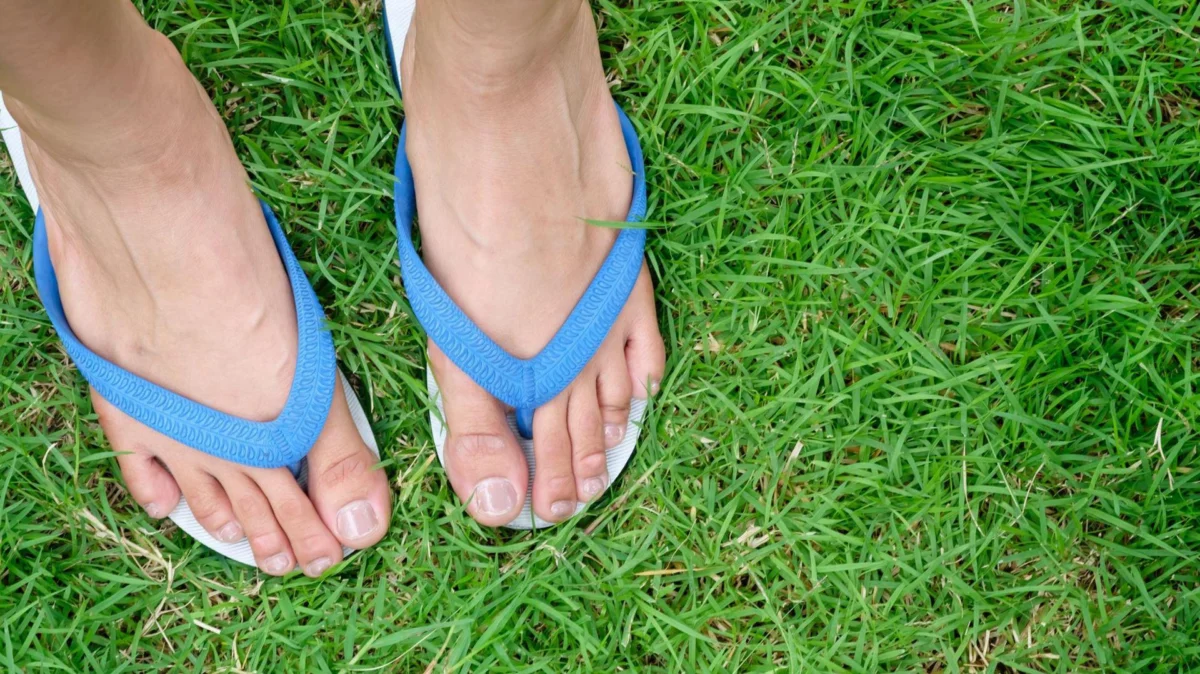
While the reinvented flip-flop with a kitten heel makes a stylish comeback, experts caution that frequent use of unsupportive footwear can strain feet, emphasizing the crucial balance between summer fashion and long-term foot health.
As temperatures rise and fashion dictates lighter, more open footwear, the perennial flip-flop re-emerges, now with an unexpected twist – a subtle kitten heel. This blend of casual comfort and elevated style, championed by trend forecasters, reignites a long-standing debate among health professionals: at what cost does summer chic come to our feet? The ease of slipping into these warm-weather staples often overshadows their potential impact on foot mechanics and overall podiatric well-being, urging a closer look at what constitutes truly "healthy" summer footwear.
The arrival of warmer weather inevitably heralds the return of the flip-flop, a footwear staple synonymous with ease, relaxation, and a reprieve from the confines of closed-toe shoes. For generations, these simple thong sandals have been the go-to solution for combating sweaty, uncomfortable feet during scorching summers. However, this season sees the humble flip-flop undergoing a significant style evolution, with fashion experts like trend forecaster Angela Baidoo identifying the kitten heel as its most chic iteration. This updated design, she explains, offers a "not high" and "really kind of easy to just slip in and slip out of" option, blending casual comfort with a touch of elevated sophistication. Yet, beneath the veneer of evolving trends lies a persistent question from the medical community: is the flip-flop, in any form, truly good for our feet?
The flip-flop has long carried a reputation for being detrimental to foot health, often cited for its lack of arch support and minimal structural integrity. This "bad rap" is not entirely unfounded, according to podiatrists, but it also warrants a nuanced understanding. Dr. Helen Branthwaite, a podiatrist and Chief Clinical Adviser at the Royal College of Podiatry, clarifies that it’s "not accurate" to label flip-flops as inherently bad. The core issue, she explains, arises from the abrupt transition from highly structured, supportive footwear to consistently wearing flimsy flip-flops. This sudden shift places an unaccustomed strain on the intricate network of muscles, tendons, and ligaments in the foot, increasing susceptibility to injury and long-term issues.
The Biomechanics of Unsupportive Footwear
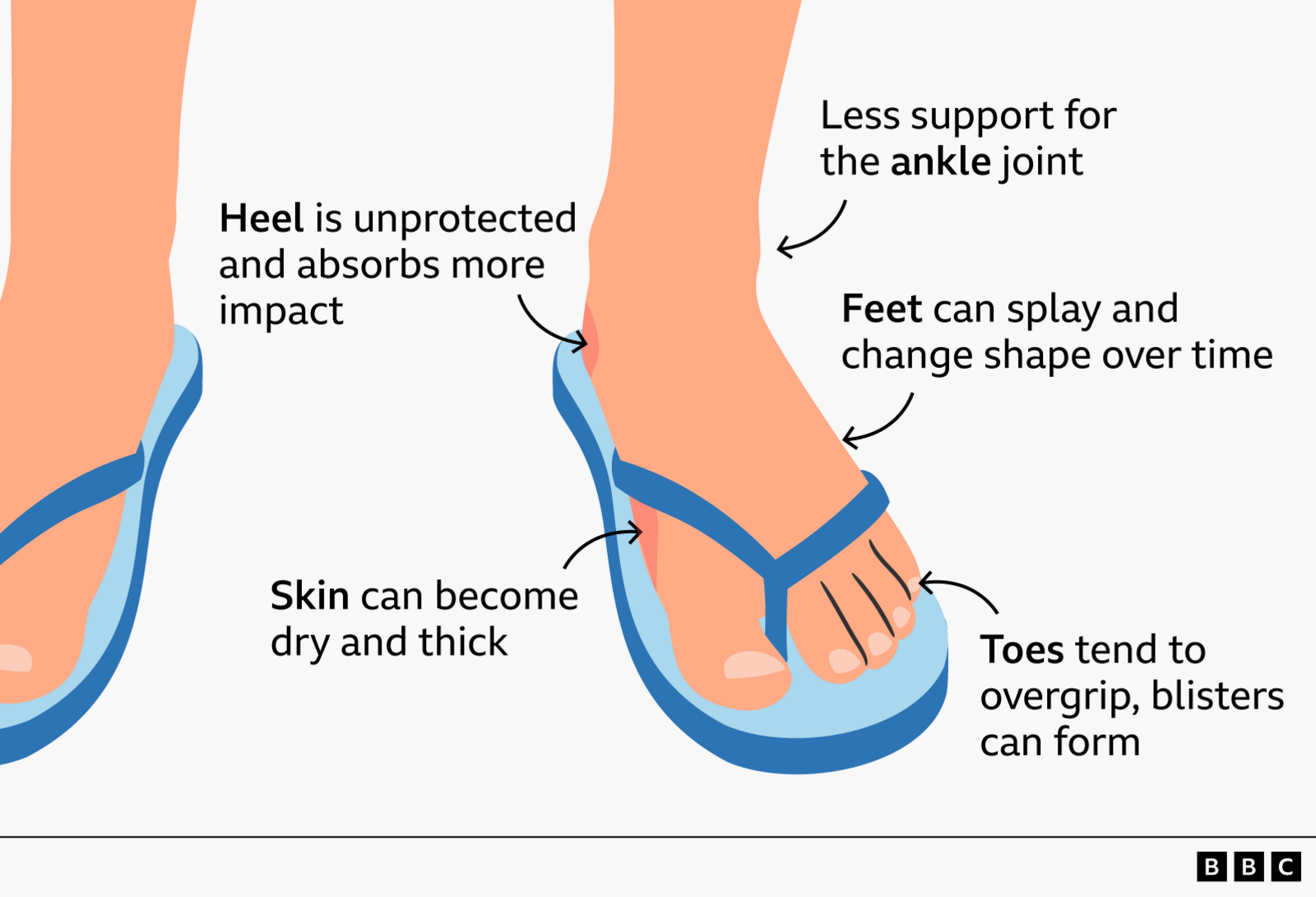
When a foot accustomed to robust arch support and cushioning is suddenly plunged into a flat, thin flip-flop, its natural biomechanics are significantly altered. Without adequate support, the arch can collapse, and the toes often instinctively claw or grip the thong to keep the shoe on, leading to overexertion of small intrinsic foot muscles. This altered gait can propagate issues up the kinetic chain, affecting ankles, knees, hips, and even the lower back. Common ailments associated with prolonged flip-flop use include plantar fasciitis (inflammation of the ligament connecting the heel to the toes), Achilles tendinitis, stress fractures, bunions, and hammertoes. Dr. Branthwaite likens the foot’s adaptation to a "corset": "if you were to wear a corset all the time and then took the corset off, everything would sort of all hang out, so to speak." This vivid analogy underscores how feet, once reliant on external support, can struggle to maintain their natural structure and function when that support is suddenly removed, leading to a tendency for the foot to "splay a little bit over time." This splaying can exacerbate existing foot conditions and create new ones, highlighting the importance of thoughtful footwear choices.
Despite these concerns, the enduring appeal of flip-flops persists, with many consumers prioritizing convenience and comfort in hot climates. Angela Baidoo notes that people are "investing a bit more, getting their flip-flops customised," indicating a desire to merge the ease of wear with improved support. This suggests a growing awareness that while style is important, comfort and health cannot be entirely overlooked.
Navigating Healthy and Stylish Summer Sandals
The good news for fashion-conscious individuals is that there are numerous alternatives that offer a better balance of style and support. The market has responded to both fashion trends and health concerns, providing options that cater to diverse preferences without compromising foot health.
One key recommendation from Baidoo is to opt for more supportive flip-flops, such as those offered by brands like FitFlop. These are a far cry from the flat, mass-produced foam varieties. FitFlops, for instance, are often biomechanically engineered with contoured footbeds and specific cushioning technologies (like their Microwobbleboard™ technology) designed to diffuse pressure and provide arch support, making them a healthier choice for casual wear.
For those looking beyond the traditional thong sandal, the fashion landscape offers several intriguing and podiatrist-approved options:
- Crocs: Once considered "anti-fashion," Crocs have experienced a resurgence, particularly among Gen Z. Baidoo credits their "really comfy" and "orthopaedically" designed nature. Their roomy fit, arch support, and shock-absorbing Croslite™ material make them a practical choice for all-day wear, especially for those who spend extended periods on their feet. Their ventilation ports also help with breathability, mitigating the sweaty foot problem that flip-flops initially set out to solve.
- Footbed Sandals (e.g., Birkenstocks): These iconic sandals, with their distinctive cork-latex footbed, offer exemplary arch support, a deep heel cup, and a roomy toe box. They are designed to mold to the wearer’s foot over time, providing personalized support and promoting proper foot alignment. They are a classic example of comfort meeting enduring style, offering a robust alternative to flimsy flip-flops.
- Wooden Clogs: Making a strong comeback, wooden clogs have a long history as functional footwear, famously worn by doctors and chefs who stand for hours. Their rigid wooden sole provides excellent stability and often a slight heel that can reduce strain on the Achilles tendon. While they may require some getting used to, their structured design offers superior support compared to many open-toed sandals.
- Scholl Slider Mules: Baidoo highlights these as the "original orthopaedic shoe," recalling her own pair in pink suede. Scholl has a legacy of producing foot-friendly footwear, and their slider mules often feature contoured footbeds that support the arch and provide cushioning, making them a stylish yet sensible choice.
- Wedges: For those who prefer a bit of height without the instability of stiletto heels, wedges are an excellent option in warm weather. As Baidoo notes, they provide "a form of comfortable footwear" and "a nice kind of silhouette for the ankle" with "support all the way through the shoe." Unlike traditional heels that concentrate pressure on the ball of the foot, wedges distribute weight more evenly across the entire foot, offering greater stability and comfort, particularly beneficial for individuals in the plus-size category who seek balanced support.
- Fisherman-Style Sandals: This robust, often leather, multi-strapped sandal, reminiscent of 1970s history teachers, is now a surprisingly fashionable and practical choice. Baidoo suggests it as a versatile alternative to loafers for men and a "really cool kind of style to adopt for women too." Its enclosed yet open design provides more protection and structure than a flip-flop, making it suitable for environments where a very casual shoe might not be appropriate, blending practicality with a touch of vintage charm.
The Barefoot Movement: A Cautious Approach
Beyond structured and supportive sandals, there’s also the growing trend of minimalist or "barefoot" shoes, which aim to mimic walking barefoot by offering minimal cushioning and allowing the foot to move naturally. While proponents argue this can strengthen foot muscles and improve proprioception, Dr. Branthwaite stresses the critical importance of easing into them gradually. Attempting a five-mile hike in newly acquired barefoot shoes without prior conditioning can lead to significant injury. The foot needs time to adapt to the increased workload and lack of external support, rebuilding intrinsic muscle strength slowly and progressively.
Expert Tips for Happy Feet This Summer
To ensure your feet remain healthy and comfortable throughout the summer, Dr. Helen Branthwaite and other podiatry experts offer these essential tips:
- Rotate Your Footwear: Avoid wearing the same type of shoe, especially unsupportive ones, day in and day out. Rotate between different styles to give your feet a break and engage different muscles.
- Prioritize Arch Support: Look for sandals or open-toed shoes that offer a contoured footbed and adequate arch support. This helps maintain the foot’s natural alignment and reduces strain.
- Ensure Proper Fit: Shoes should fit snugly but not tightly. There should be about a thumb’s width between your longest toe and the end of the shoe. Avoid shoes that require your toes to grip to stay on.
- Consider the Activity: Match your footwear to your activity. Flip-flops are fine for short strolls to the beach or poolside, but not for extended walking, hiking, or sports.
- Inspect Your Feet Regularly: Check your feet for blisters, cuts, or any signs of irritation, especially if you’re wearing open shoes that expose your skin.
- Limit Continuous Wear: If you love your flip-flops, wear them in moderation. Alternate them with more supportive sandals or shoes throughout the day or week.
- Hydrate and Moisturize: Keep your feet well-hydrated, especially in dry, warm weather, to prevent cracked heels, which can be exacerbated by open-backed shoes.
- Listen to Your Feet: If your feet ache or feel uncomfortable, it’s a clear signal that your footwear isn’t providing the necessary support or cushioning. Don’t ignore persistent pain.
In conclusion, while the allure of a stylish new flip-flop, perhaps with a chic kitten heel, is undeniable for summer, an informed approach to footwear is paramount. Balancing fashion trends with podiatric health means understanding the impact of your choices and opting for sandals that provide both comfort and the necessary support for your feet to thrive through the warmer months. The evolving landscape of summer footwear offers ample opportunities to remain both fashionable and foot-healthy, provided consumers make educated decisions.
