
“This transformative project at Saltram is a landmark moment, significantly increasing accessible green space for Plymouth residents while simultaneously bolstering local biodiversity. It represents a vital investment in public wellbeing and environmental stewardship, creating a legacy of nature and recreation for generations to come.”
The historic Saltram Estate in Plymouth has undergone a significant transformation, with the National Trust announcing the conversion of 32 hectares (79 acres) of former agricultural land into expansive public park space. This ambitious project, deemed a "landmark moment" by the Trust, dramatically increases the accessible green infrastructure available to the local community, emphasizing both human wellbeing and ecological restoration. The expansion introduces a new 2.5-kilometer (1.5-mile) multi-use trail, designed to be inclusive for all users, alongside extensive efforts to enhance the area’s natural diversity through strategic planting and habitat creation.
The Saltram Estate, already a cherished natural asset on the outskirts of Plymouth, now extends its reach, offering residents and visitors an even greater opportunity to engage with nature. This substantial addition of green space, equivalent to approximately 80 standard football pitches, represents a strategic move by the National Trust to address the growing demand for accessible outdoor recreation, particularly in urban-adjacent areas. The project underscores a commitment to fostering healthier communities and robust ecosystems, aligning with broader national initiatives to connect people with nature and combat biodiversity loss.
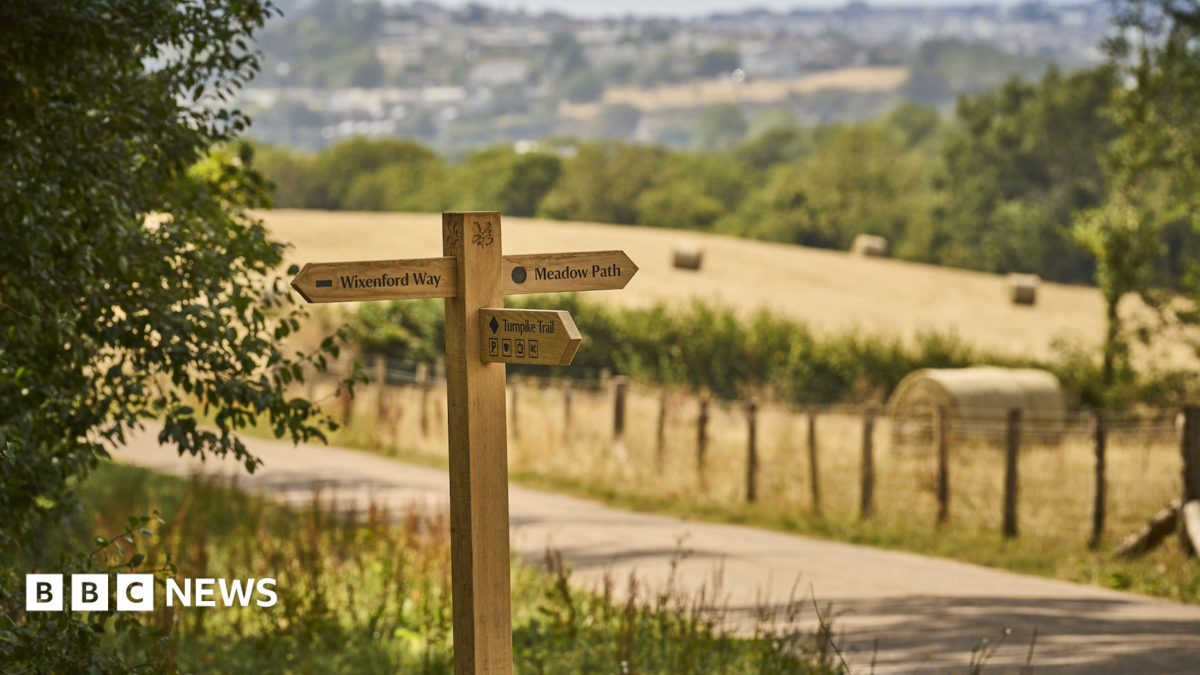
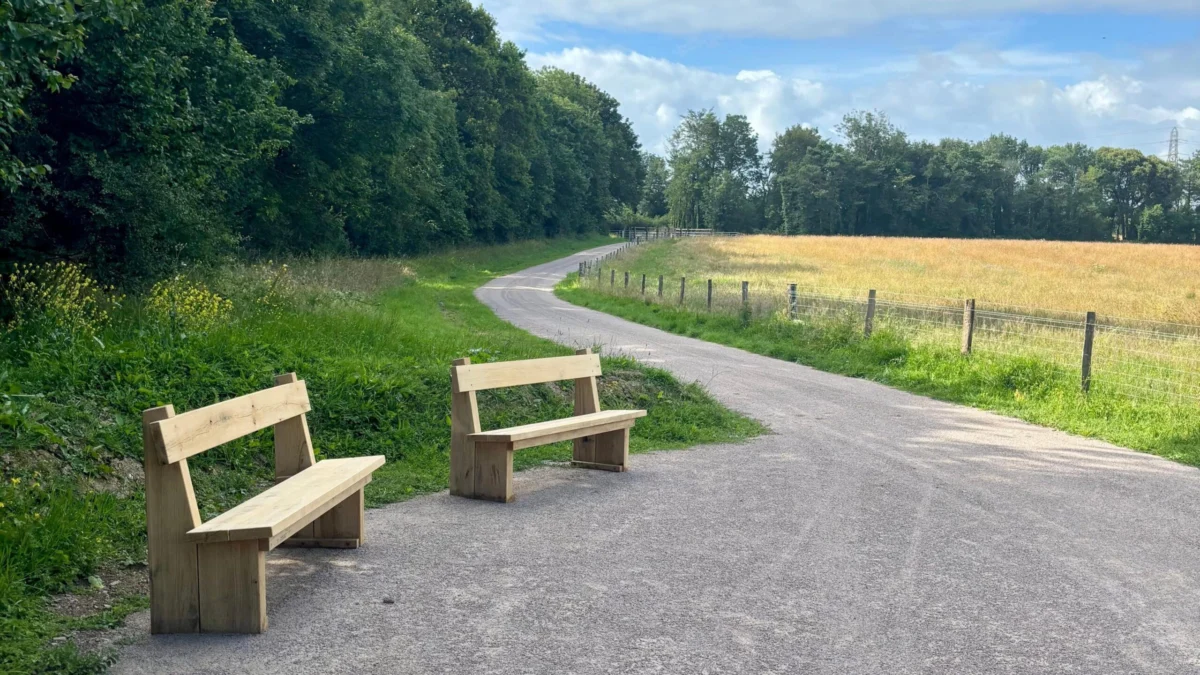
A cornerstone of the expansion is the newly constructed 2.5km multi-use trail. This path, meticulously designed for accessibility, welcomes walkers, cyclists, wheelchair users, and families with pushchairs, ensuring that the benefits of the natural environment are available to as wide a demographic as possible. Such inclusive infrastructure is critical in promoting active lifestyles, which are known to have profound positive impacts on both physical and mental health. The trail is punctuated by a series of thoughtfully placed rest stops, each offering "stunning views across Plymouth" and the surrounding landscape, providing serene vantage points for reflection and appreciation of the natural beauty. These new pathways seamlessly integrate with Saltram’s existing network, including the popular Dell, thereby creating an even more extensive and coherent system for exploration and enjoyment.
Funding for this significant undertaking was a collaborative effort, with Sport England contributing through the National Lottery, alongside substantial investment from the National Trust itself. This partnership highlights the recognition that access to green spaces is not merely a leisure amenity but a fundamental component of public health strategy. Lisa Dodd-Mayne of Sport England articulated this perspective, stating that "access to nature shouldn’t be a luxury." She emphasized that in a rapidly developing city like Plymouth, these new trails will facilitate "active travel into everyday life," enabling more individuals to "get outdoors and enjoy the health and wellbeing benefits of green spaces close to home." This collaborative funding model demonstrates a shared vision for creating environments that support active communities and improve overall quality of life.
Jez McDermott, the National Trust Saltram general manager, articulated the profound significance of the project. He stated that the opening of the new Saltram area is "a landmark moment" for both Plymouth and the estate, representing a substantial "investment in access, wellbeing and nature." McDermott’s vision extends beyond immediate benefits, expressing a hope that "Saltram East becomes a place that people return to for generations to come," whether for walking, cycling, spending time with family, or simply savoring the views. This long-term perspective is central to the National Trust’s mission, which prioritizes the enduring preservation and enjoyment of natural and cultural heritage.
Beyond human access, a core tenet of the expansion has been a significant investment in bolstering the ecological health and biodiversity of the area. The Trust has proactively planted new wildflower hay meadows across the site. These meadows are not only aesthetically pleasing but are vital habitats, creating homes and foraging grounds for a diverse array of wildlife, including pollinators like bees and butterflies, as well as various bird species and small mammals. The reintroduction of native wildflower species also plays a crucial role in supporting the wider food web and improving soil health.
Looking ahead, the commitment to nature enhancement will continue with ambitious plans to establish a "community forest" by planting up to 12,000 trees in the coming winter. This large-scale afforestation project will contribute significantly to carbon sequestration, helping to mitigate climate change, while also improving air quality and creating new, resilient habitats. Community forests are designed not just for ecological benefit but also for community engagement, offering opportunities for local residents to participate in planting and learn about woodland management, fostering a deeper connection to their local environment. The careful selection of native tree species will ensure that the new forest integrates harmoniously with the existing landscape and supports local biodiversity.
The existing Saltram country park already attracts approximately one million visits each year, underscoring its immense popularity and importance to the region. The addition of this new land is expected to further amplify these numbers, providing "significant health and wellbeing benefits" for the local population. Increased access to green spaces has been consistently linked to reduced stress levels, improved mood, enhanced cognitive function, and greater opportunities for physical activity. For a growing urban center like Plymouth, such an expansion provides a vital counterbalance to urban development, offering residents essential natural respite and recreational opportunities.
The expansion of Saltram is a powerful illustration of integrated conservation, where public access, health promotion, and ecological restoration are not mutually exclusive but rather synergistic goals. By transforming former agricultural land into a vibrant public park and rich ecological haven, the National Trust, in partnership with Sport England, has created a model for sustainable development. This project ensures that the natural beauty and environmental services of Saltram will continue to thrive, providing invaluable resources for both human communities and the diverse wildlife that calls this corner of Devon home, solidifying its place as a cherished asset for generations to come.
