
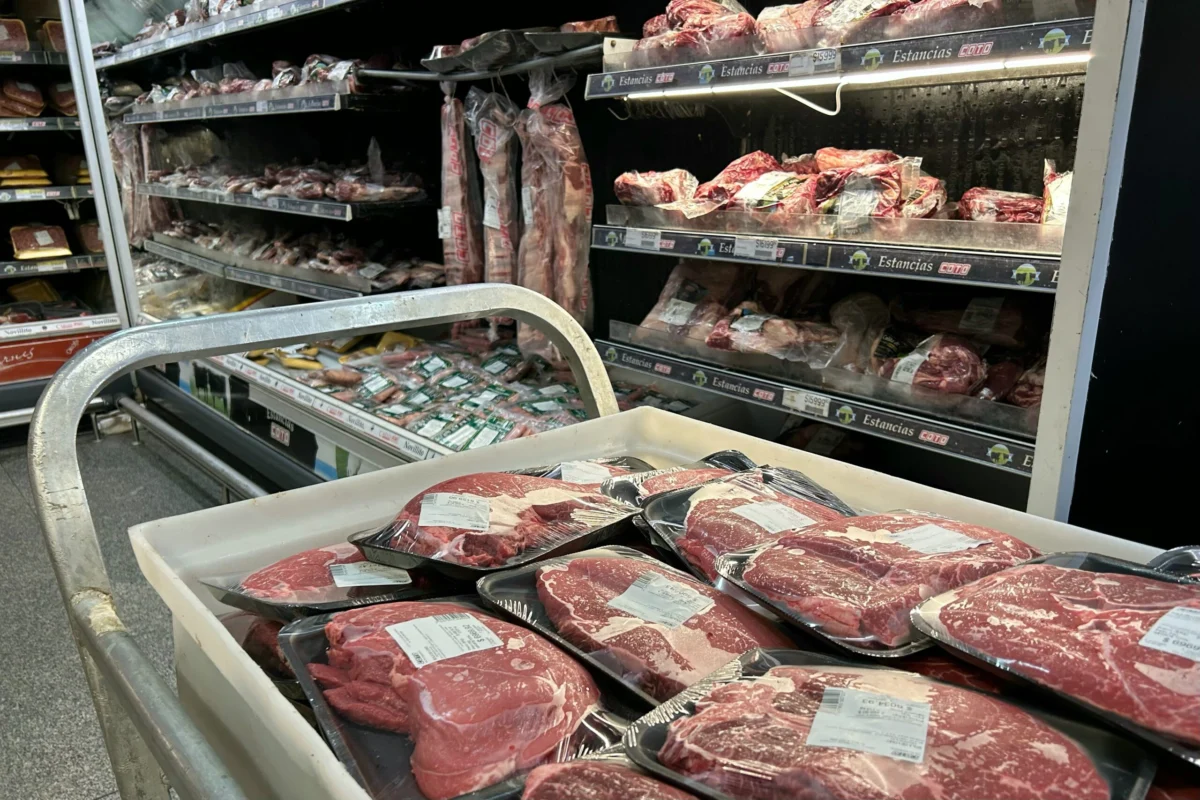
"The recall underscores a critical gap in the food supply chain: the absence of federal verification, not the presence of contamination, poses the risk."
A significant quantity of raw beef imported from Argentina has been recalled in the United States due to a critical procedural oversight. Corte Argentino USA LLC of Aventura, Florida, is voluntarily recalling approximately 29,628 pounds of boneless beef that entered U.S. commerce without undergoing the mandatory import reinspection required by federal law. While no illnesses or injuries have been reported in connection with this product, the U.S. Department of Agriculture’s Food Safety and Inspection Service (FSIS) is urging consumers to treat the beef as unverified, emphasizing that the absence of federal inspection, rather than detected contamination, is the basis for the recall. This situation highlights the importance of rigorous import protocols in safeguarding the nation’s food supply.
The recalled beef, produced by Frigorifico Gorina SAIC, encompasses five specific cuts: top sirloin butt (labeled "Cuadril Sin Tapa"), eye round ("Peceto"), topside cap off ("Nalga AD S/Tapa"), flat ("Carnaza Cuadrada"), and knuckle ("Bola de Lomo"). These products were packed in various weight cardboard boxes and were distributed to wholesalers and retailers in Florida and Texas. The production period for the affected beef spans from May 15 to May 20 of the current year, with use or freeze-by dates ranging from September 15 to September 20. The presence of the Argentinian establishment number "EST. N° OF. 2025" and the shipping mark "26644-AA" are key identifiers for consumers and retailers to identify the recalled product.
The core issue driving this recall is the missed import reinspection. This is a distinct and crucial step in the U.S. food import process, separate from the inspections conducted in the country of origin. Argentina is recognized as an eligible exporting country under the FSIS equivalence process for imports, meaning its domestic food safety systems are deemed comparable to those in the United States. Product-specific conditions for Argentine beef are detailed in the USDA’s import library entry for Argentina. However, import reinspection serves as an additional layer of U.S. verification at the point of entry.
FSIS personnel stationed at import inspection facilities are tasked with a multi-faceted role. They meticulously examine shipping documents and labeling to ensure they align with regulatory requirements and the product being imported. Furthermore, they select specific lots for examination to confirm compliance and safety. When a shipment bypasses this critical reinspection step, it creates a gap in the federal record. This absence of evidence of proper verification, rather than evidence of a specific hazard, is precisely why FSIS classifies such instances as recalls, even in the absence of any positive test results for pathogens or reported illnesses. The agency effectively treats the missed procedural step itself as the identified hazard that necessitates the recall.
This recall is not an isolated incident. On the same day, FSIS also announced a recall for frozen breaded swai products due to a different import compliance failure. These actions collectively underscore the vigilant, albeit sometimes reactive, nature of federal food safety oversight for imported goods. The FSIS recalls page serves as a central repository for such announcements, providing crucial information to the public.
Households in Florida and Texas are most directly impacted by this recall. While FSIS has not yet published a detailed retail distribution list, consumers in these states are advised to scrutinize their purchases for the identifying marks of the recalled product. The extended freeze-by dates of the beef, extending into September, suggest that many consumers may have stored this product in their home freezers. This wider window of potential household possession is a common concern for FSIS in recalls where the product is likely to be frozen and retained for extended periods.
The implications of a missed import reinspection, while not indicative of contamination, are significant. It means that the beef has not undergone the standard federal scrutiny that would typically precede its entry into the broader U.S. distribution network. For consumers, this translates to a lack of federal assurance regarding the product’s journey and handling within the U.S. import system. The FSIS’s directive to treat the product as unverified rather than assume its safety is a prudent measure, prioritizing consumer protection by acknowledging the unknown factors introduced by the bypassed inspection.
Individuals with compromised immune systems, the elderly, pregnant individuals, and young children are particularly vulnerable to foodborne illnesses. While no specific pathogen has been identified in this recalled beef, the general principle of heightened caution for these demographic groups applies. The potential for more severe outcomes from any foodborne illness necessitates a proactive approach to discarding or returning products where federal verification is absent.
Consumers are strongly advised not to consume the recalled beef. The recommended course of action is to either discard the product safely or return it to the place of purchase for a refund. Cooking the beef is not considered a sufficient measure to mitigate the risks associated with a missed verification step, as the recall is based on a procedural lapse, not on the presence of a known pathogen that would be eliminated by heat.
For those who have purchased or received this beef, the primary course of action is to check home freezers and refrigerators. Consumers should look for the "Frigorifico Gorina SAIC" label, the establishment number "EST. N° OF. 2025," and the shipping mark "26644-AA." If the beef was purchased as a whole cut from a butcher and the original packaging with these identifiers is no longer available, consumers are encouraged to directly contact the retailer to inquire about their inventory and whether they received product under this recall.
Distributors and retailers in Florida and Texas are responsible for verifying their inventory against the specified establishment number and shipping mark. Any matching product must be immediately removed from sale. FSIS actively conducts recall effectiveness checks to ensure that recalling firms have adequately notified their customers and that the recalled product is no longer accessible to the public.
In the event that an individual experiences illness after consuming beef and suspects it may be related to the recalled product, it is imperative to contact a healthcare provider. Informing the provider about the potential exposure allows for proper documentation and medical assessment.
For general food safety inquiries, consumers can reach the USDA Meat and Poultry Hotline at 888-674-6854. This hotline is staffed by trained professionals who can provide guidance on a wide range of food safety topics. Furthermore, consumers can report issues or concerns regarding meat, poultry, or egg products through the agency’s online complaint system, providing valuable data for FSIS investigations and oversight.
The FSIS typically updates its recall page as more information becomes available, including the release of retail distribution lists when confirmed. MedicalDaily will continue to monitor this recall and will report any expansions or the linking of illnesses to these products.
The prudent approach to this recall is one of informed caution. While there is no evidence to suggest that any consumer has been harmed, the absence of federal verification for this specific shipment cannot be overlooked. Discarding the product represents a tangible, albeit minor, cost for households, but it effectively resolves any potential uncertainty and ensures consumer safety by eliminating the unverified product from the food supply. This situation serves as a reminder of the complex global nature of food sourcing and the critical role of regulatory oversight at every stage of the supply chain.
