
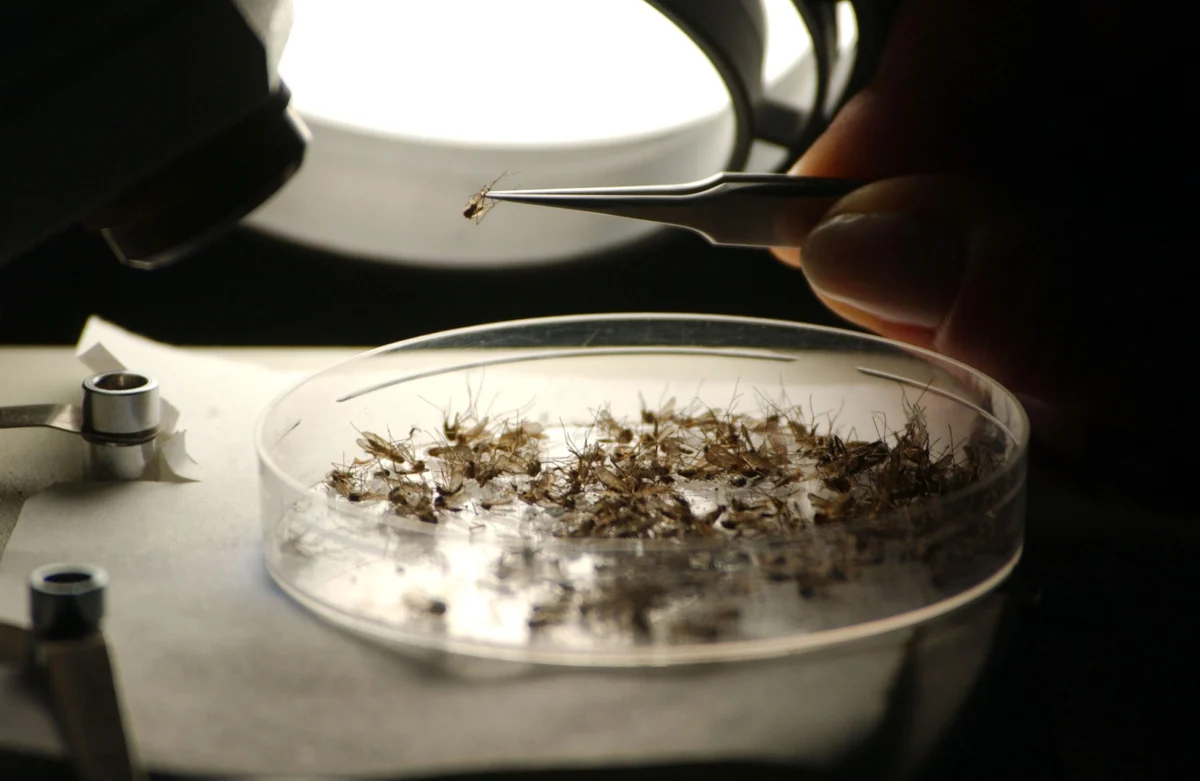
"While the first human West Nile virus case of 2026 has been confirmed in North Dakota, the true risk lies in the widespread presence of the virus in mosquito populations, particularly as we approach the historical peak of human infections in late August and early September."
North Dakota has officially confirmed its inaugural human case of West Nile virus (WNV) for the 2026 season, a significant development announced on August 7. The affected individual, a resident of Cass County, has been hospitalized, according to the North Dakota Department of Health and Human Services. This confirmation arrives after several weeks of heightened mosquito activity and the detection of WNV in mosquito populations across multiple counties. The announcement underscores the importance of proactive public health measures and individual vigilance as the virus circulates within the state’s vector populations, especially during this critical period of increased transmission risk.
The detection of WNV is not confined to a single location; positive mosquito pools have been identified in five counties: Cass, Grand Forks, Richland, Ward, and Williams. Furthermore, the virus has been detected in an animal in Sioux County and a bird in Richland County, providing further evidence of its circulation within the ecosystem. For residents of the Red River Valley and other affected areas, the geographic spread of these positive mosquito pools carries greater immediate practical significance for daily decision-making than a singular human case. It indicates that the virus is actively present in the mosquitoes that people encounter in their everyday environments, including their own yards. Public health guidance emphasizes that the period from late August through early September historically represents the peak for human WNV cases. Consequently, the preventative habits adopted over the next three weeks are paramount in mitigating risk.
The pattern of WNV detection has been steadily building throughout the summer. Initial findings in late July, such as a positive test in Wahpeton, were followed by confirmations in Cass County’s own mosquito surveillance pools in early August. Simultaneously, a positive result was reported in Minot. Valley News Live reported on the confirmation of the human case on Friday, August 7. State and local health authorities indicate that WNV has now been detected in at least 10 mosquito pools statewide, with Ward County alone accounting for two positive findings.
North Dakota has consistently ranked among states with higher incidences of West Nile virus in national surveillance data. Last year, the state recorded 86 human infections, leading to 36 hospitalizations and tragically, two deaths, according to reports from the North Dakota Monitor that analyzed the department’s annual figures. This historical prevalence highlights the ongoing threat posed by WNV and the necessity of sustained public health efforts.
A local detail in Cass County offers a nuanced perspective on the current situation. Mosquito populations in the Fargo and Moorhead metropolitan area have experienced historically low numbers this summer, attributed to extreme heat and drought conditions. As of early August, Cass County Vector Control had not conducted any spray treatments in 2026, a stark contrast to the four to six spray events that typically occur during the same period in previous summers. However, low mosquito counts do not equate to low risk. The presence of even a single infected mosquito can be sufficient to transmit the virus. Ben Prather, Director of Cass County Vector Control, has noted that their established threshold for intervention is 35 female mosquitoes per trap per night. Current trap counts have remained well below this action level, even as positive mosquito pools have been identified. Recent rainfall in outlying areas has prompted the agency to monitor for potential mosquito movement into the metro area.
The primary vector for West Nile virus, the Culex mosquito, is most active between dusk and dawn. This crucial behavioral characteristic informs nearly all public health recommendations issued by the state. Understanding this feeding pattern is key to implementing effective risk reduction strategies without necessitating complete isolation during the summer months.
The North Dakota Department of Health recommends the use of insect repellents registered with the Environmental Protection Agency (EPA). These repellents should be applied after sunscreen. Approved active ingredients include DEET, picaridin, IR3535, oil of lemon eucalyptus, para-menthane-diol, and 2-undecanone. For clothing, permethrin-based treatments are also recommended. Adherence to the product’s label instructions is essential for ensuring both safety and efficacy.
Beyond chemical repellents, physical barriers play a vital role. Wearing long sleeves, long pants, and socks can significantly reduce the amount of exposed skin during evening hours when mosquitoes are most active. Limiting outdoor activities between dusk and dawn is the most direct measure to minimize exposure. This includes adjusting schedules for evening yard work, outdoor dining, and youth sports that extend past sunset.
Mosquitoes breed in standing water, making its elimination a critical component of WNV prevention. Common breeding grounds include clogged gutters, buckets, flowerpots, discarded tires, wading pools, and birdbaths, which can produce mosquitoes within a matter of days. Regularly emptying these water sources and ensuring window and door screens are in good repair are practical steps that address the most common entry points for mosquitoes into homes.
The majority of individuals infected with West Nile virus experience no symptoms at all. For those who do develop symptoms, common presentations include fever, headache, body or joint aches, and rash. The incubation period typically ranges from two to six days, but can extend to approximately three weeks in individuals with compromised immune systems.
Older adults and individuals with pre-existing health conditions are at the highest risk of developing severe illness from WNV. Approximately one in every 150 infected people will develop neuroinvasive disease, a serious form of the illness that can manifest as stiff neck, altered mental status, paralysis, coma, and in severe cases, death. The proportion of WNV cases requiring hospitalization in North Dakota last year (36 out of 86) reflects the severity of identified cases, rather than the overall percentage of infections that become severe, as many infections go undiagnosed.
Currently, there is no human vaccine available for West Nile virus, nor is there a specific antiviral treatment. Care for severe WNV illness is primarily supportive, focusing on managing symptoms and complications. This underscores the critical importance of prevention as the sole means of protection against the virus.
Individuals whose daily routines involve significant outdoor exposure, such as outdoor workers, agricultural laborers, and anyone who is outside at dawn or dusk, face a higher risk of exposure due to their schedules. Households caring for older relatives should pay particular attention to minimizing evening exposure for those individuals.
In response to the confirmed positive WNV test, Minot initiated a ground spraying program on August 7. Crews are conducting spraying operations in the evenings across seven designated blocks of the city, with the aim of covering one block per night. This effort is expected to continue for up to two weeks. The funding for this program comes from the city’s existing vector control budget. An aerial spray was also completed shortly before the North Dakota State Fair. The spraying application utilizes permethrin, distributed via ultra-low volume sprayers. The Minot Daily News reported that the ground spraying program is estimated to cost $26,238, drawing from the city’s vector control budget. The EPA assigns permethrin the "caution" signal word, indicating the least severe category among pesticide labels. Bryan Banfill, City of Minot Public Works Operations Director, emphasized that while mosquitoes are often a nuisance, their presence becomes a serious public health risk when West Nile virus is detected.
Jamestown has also announced mosquito fogging operations, even in the absence of a local positive WNV test, indicating a precautionary approach. Cass County Vector Control has stated its readiness to implement spraying measures should increased rainfall lead to a rise in mosquito populations. Residents are advised to consult their local city or county vector control programs for information on spray schedules. Individuals with respiratory conditions or specific chemical sensitivities can inquire with their local programs about notification lists and the timing of spraying activities.
Prompt medical evaluation is crucial for individuals who develop symptoms such as fever accompanied by a severe headache, stiff neck, confusion, sudden weakness, or difficulty walking after potential mosquito exposure. It is important to inform healthcare providers about any known mosquito exposure. For milder symptoms, a phone consultation with a clinician may be appropriate.
The state health department will continue to update information on West Nile virus activity throughout the season. As peak transmission periods approach, additional human cases are possible. MedicalDaily will provide ongoing coverage of confirmed case counts and any updates to state guidance.
Key Questions Answered
What happened? North Dakota confirmed its first human West Nile virus case of 2026 in a Cass County resident who was hospitalized. Five counties have reported positive mosquito pools.
Which counties have positive mosquitoes? Cass, Grand Forks, Richland, Ward, and Williams. An animal in Sioux County and a bird in Richland County also tested positive.
Who is most at risk? Older adults and people with underlying health conditions face the highest risk of illness. About one in 150 infected people develops severe neuroinvasive disease.
What symptoms should people watch for? Fever, headache, body or joint aches, and rash are common. Stiff neck, confusion, sudden weakness, or difficulty walking require prompt medical evaluation.
How can residents protect themselves? Use EPA-registered repellent applied after sunscreen, wear long sleeves and pants outdoors, limit activity between dusk and dawn, eliminate standing water, and repair screens.
Is there a vaccine or treatment? No human vaccine exists and there is no specific antiviral treatment. Care for severe illness is supportive, so prevention is the only protection available.
Is spraying happening in my area? Minot began ground spraying August 7 and Jamestown announced fogging. Cass County Vector Control has not sprayed this season but says it is ready to. Check with your local vector control program.
