
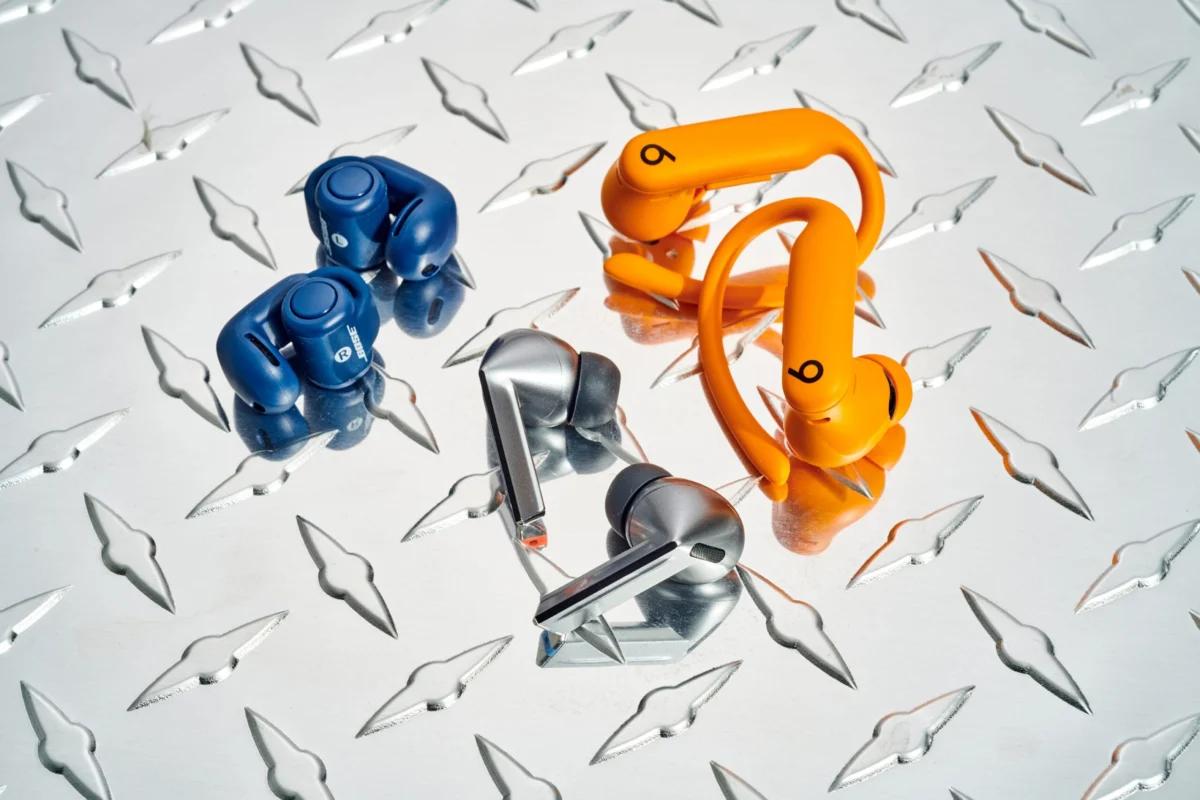
"Modern workout headphones have transcended simple audio delivery, evolving into sophisticated biometric tools that prioritize situational awareness, anatomical stability, and integrated health monitoring."

As the intersection of fitness technology and consumer electronics continues to blur, the latest generation of workout headphones emphasizes durability and specialized performance features. From bone conduction technology designed for road safety to earbuds that track heart rates directly through the ear canal, the market now offers tailored solutions for every training environment, whether it be a high-intensity HIIT session, a long-distance outdoor run, or a heavy lifting day in a crowded commercial gym.
The Evolution of the Fitness Audio Market
The transition of personal audio from a luxury accessory to an essential piece of fitness equipment has been driven by rapid advancements in ergonomics and sensor integration. Historically, athletes were forced to choose between the high-fidelity sound of "lifestyle" earbuds and the rugged but often low-quality builds of "sport" models. Today, that compromise has largely vanished. The current landscape is defined by "do-it-all" devices that provide the active noise cancellation (ANC) required for focus in a noisy gym, while simultaneously offering the transparency modes and high IP (Ingress Protection) ratings necessary for outdoor safety and sweat resistance.

Leading this charge is the Apple AirPods Pro 3, which has redefined the expectations for "all-around" workout gear. While earlier iterations were often viewed as casual accessories, the third generation has been systematically engineered to address the specific pain points of athletes. The inclusion of multiple silicone ear tips is more than a comfort feature; it is a functional requirement for achieving the perfect seal during high-impact movements like burpees or box jumps. Furthermore, the integration of heart rate monitoring via the ear canal—a location that often provides more consistent readings than the wrist during intense movement—positions these earbuds as a legitimate alternative to traditional chest straps or smartwatches.
Biometric Integration and the Smart Earbud
The move toward biometric tracking is perhaps the most significant shift in the industry. The AirPods Pro 3 and the Powerbeats Pro 2 both utilize internal sensors to provide heart rate data directly to the user’s smartphone. This technology leverages the vascularity of the ear to capture pulse data, which is then integrated into health ecosystems like Apple Health. For the athlete, this means one less device to charge and wear.

The Powerbeats Pro 2, a long-awaited update to a fitness staple, demonstrates how the "ear hook" design remains the gold standard for stability. While the original model was often criticized for its rigid plastic feel, the second generation employs a softer, more ergonomic plastic that resists the "slimy" sensation often felt after a sweat-heavy session. With an IPX4 rating and the addition of ANC and transparency modes, it bridges the gap between the rugged utility of the original Powerbeats and the high-tech features of the AirPods line.
Environmental Awareness: The Rise of Open-Ear Tech
For outdoor athletes—runners, cyclists, and hikers—the traditional noise-isolating earbud presents a safety risk. The industry has responded with "open-ear" and bone conduction technologies that allow the user to maintain full situational awareness.

Shokz remains the leader in the bone conduction space with the OpenRun Pro 2. By utilizing DualPitch technology, these headphones transmit sound through the user’s cheekbones to the inner ear, leaving the ear canal completely unobstructed. This ensures that a runner can hear approaching vehicles or ambient hazards without sacrificing audio quality. The 2025 Men’s Health Tech Award winner is built on a lightweight titanium frame, designed to eliminate the "ear fatigue" that often accompanies in-ear models during long-duration endurance training.
Competing in this "awareness" category is the Bose Ultra Open. Unlike bone conduction, which vibrates the bone, the Bose model uses a clip-on design that rests against the ear and employs OpenAudio technology to direct sound waves into the canal. This provides a more traditional "high-fidelity" listening experience while still keeping the ear open to the environment. Similarly, the Shokz OpenFit Pro uses an adaptive algorithm to dampen outside noise without a physical seal, providing a middle ground for those who want to enjoy their music on busy city streets without losing touch with their surroundings.

Ecosystem Synergies: Android vs. iOS
The choice of workout headphones is increasingly dictated by the user’s smartphone ecosystem. For Android enthusiasts, the Samsung Galaxy Buds 3 Pro and the Google Pixel Buds Pro 2 offer integrations that are difficult for third-party manufacturers to match.
The Galaxy Buds 3 Pro features an IP57 rating, making them among the most durable in terms of dust and water resistance—capable of surviving temporary submersion. Their "Auto Switch" technology allows for seamless transitions between tablets, phones, and laptops, while voice controls allow athletes to adjust volume or tracks without breaking their form.

Google’s Pixel Buds Pro 2 focuses on the integration of AI and processing power. Utilizing the Tensor chip, these earbuds offer adaptive EQ that adjusts in real-time based on the environment. They also feature a "stabilizer" fin to ensure they remain secure during movement, addressing a common complaint regarding the "bud-only" design of the previous generation. The addition of Gemini support and Live Translate turns these from mere headphones into a wearable assistant.
Specialized Durability and Value
For some athletes, the primary requirement is sheer ruggedness. The JBL Endurance Race 2 is designed for the most punishing environments, boasting an IP68 rating. This means the earbuds are fully dust-tight and can handle complete submersion in water, making them ideal for athletes who train in extreme weather or those who want to rinse their gear under a faucet after every session. JBL’s "Twistlock" design ensures that the earbuds remain mechanically locked into the ear, providing stability that rivals ear-hook models.

At the other end of the spectrum is the JLab Go Sport+. At a $30 price point, it challenges the notion that high-performance fitness gear must be expensive. While it lacks the advanced ANC of its $200 competitors, it provides the essential features: an IP55 rating, a secure ear-hook design, and a 35-hour total battery life. For many runners, the "replaceability" of a budget-friendly earbud is a feature in itself, providing peace of mind during trail runs or sessions where gear is likely to be lost or damaged.
The Hybrid Approach: Over-Ear and Wingtips
While earbuds dominate the market, over-ear headphones like the Beats Studio Pro maintain a niche in the bodybuilding and powerlifting communities. The plush memory foam cushions provide passive noise isolation that, when combined with active noise cancellation, creates a "sensory deprivation" effect that many athletes use to find their "zone" before a heavy lift. However, these models are generally not recommended for high-impact cardio due to their weight and lack of a secure fit during rapid head movements.

For those who find ear hooks uncomfortable but still struggle with standard earbuds, the Powerbeats Fit offers a "wingtip" solution. This flexible protrusion tucks into the upper fold of the ear, providing a secondary point of contact that prevents the bud from shaking loose during HIIT or jumping exercises. With a 30-hour battery life and the same H1/H2 chip integration found in Apple products, they represent a middle ground in the Beats lineup.
Conclusion: Selecting the Right Tool
The current market for workout headphones is no longer a one-size-fits-all landscape. The "best" choice depends entirely on the athlete’s specific modality. The distance runner may prioritize the safety of the Shokz bone conduction; the tech-heavy lifter may opt for the biometric tracking of the AirPods Pro 3; and the budget-conscious hiker may find everything they need in the JLab Go Sport+. As technology continues to miniaturize and battery life extends into the 40-to-50-hour range, the workout headphone is becoming less of a peripheral and more of a central hub for the modern athlete’s digital and physical performance.
