
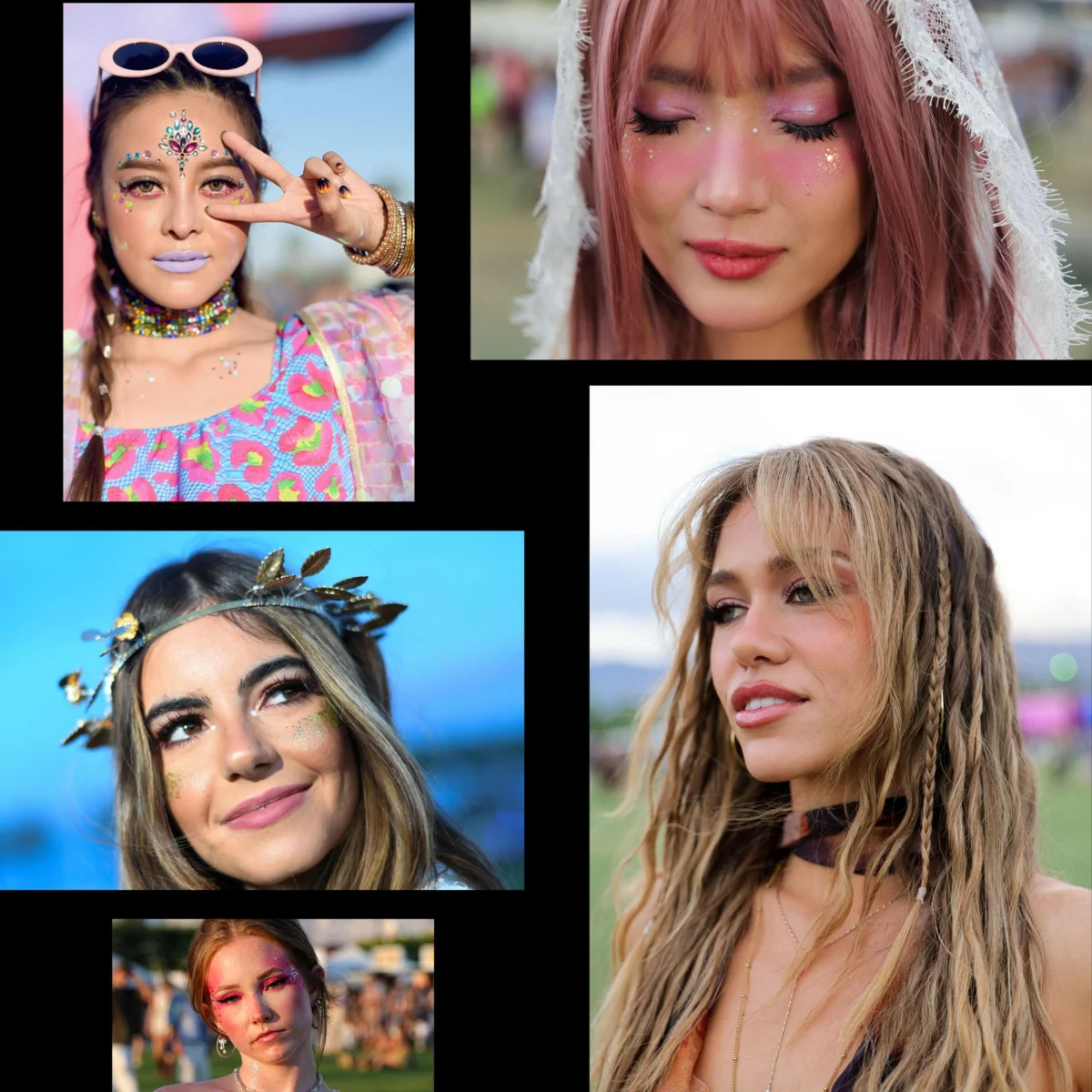
"While vibrant make-up and dazzling accessories are central to festival self-expression, a critical warning from regulatory bodies highlights the hidden dangers of unregulated products containing toxic chemicals. Prioritizing certified cosmetic-grade items and robust hygiene practices is paramount to achieving a show-stopping look without compromising your health."
The annual pilgrimage to music festivals like Reading and Leeds signals the peak of summer, bringing with it a vibrant explosion of fashion and beauty trends. From electrifying neon eyeliners and dramatic, vampy lips to shimmering holographic highlighters and an abundance of glitter, festival-goers are embracing bold, expressive aesthetics. However, amidst the excitement of perfecting these standout looks, a crucial health warning has emerged. The Chartered Trading Standards Institute (CTSI) has raised significant concerns about certain make-up products, particularly those sold by third-party vendors on popular online marketplaces such as TikTok Shop, which may contain hazardous chemicals. This alert underscores the importance of informed choices, ensuring that the pursuit of festival glam doesn’t inadvertently expose consumers to potentially harmful substances. As millions prepare to immerse themselves in the festival experience, understanding how to differentiate safe, cosmetic-grade products from unregulated, toxic alternatives is not just a beauty tip—it’s a fundamental safety precaution. This guide delves into the season’s hottest trends, offering expert advice on how to achieve them safely, alongside critical warnings about what to avoid, ensuring your festival glow is both dazzling and genuinely healthy.
Making Eyes Pop: The Art of Vibrant Eye Make-up with Caution
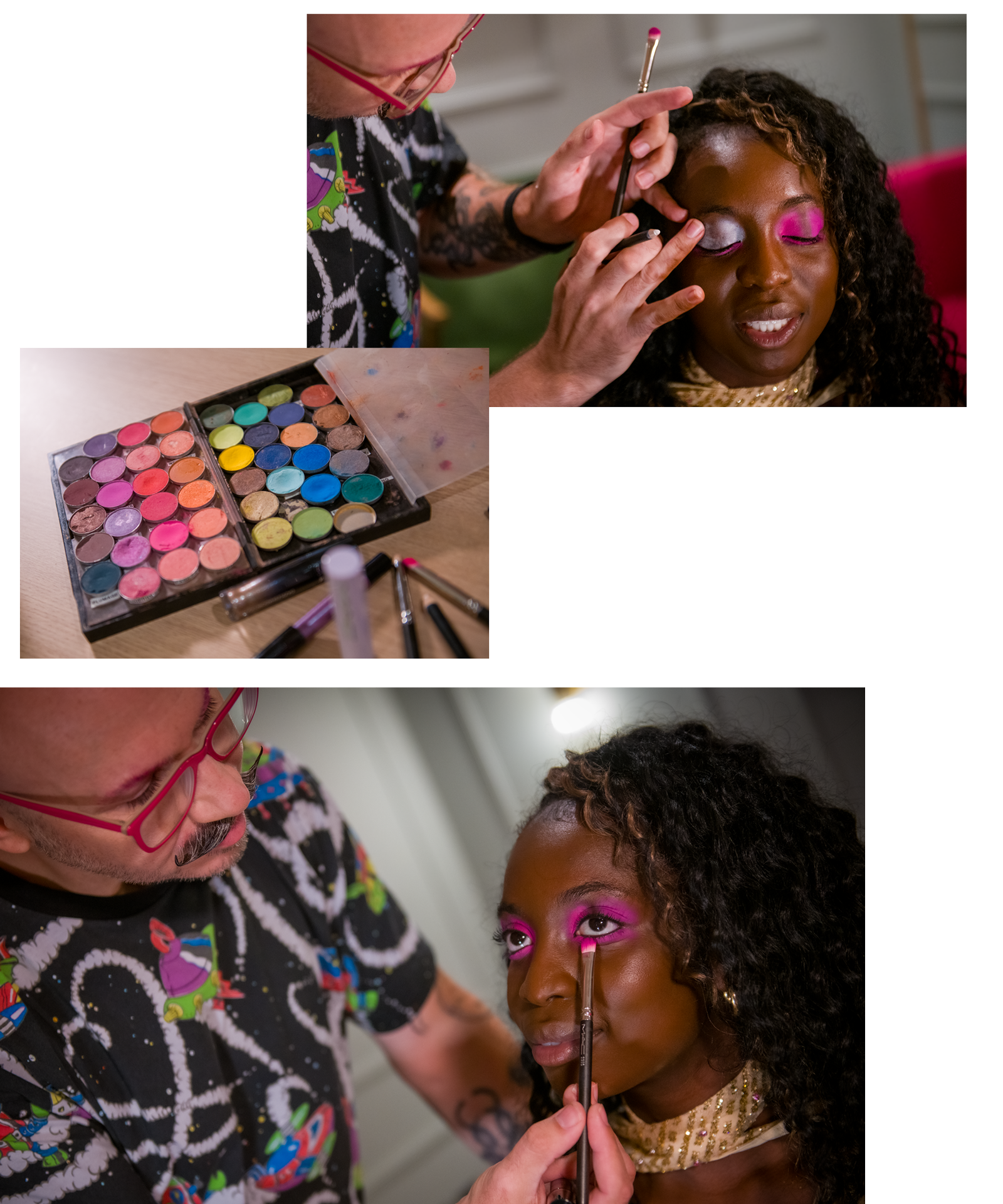
The eyes are often the focal point of festival make-up, with bright graphic eyeliners and intense eyeshadows designed to capture attention. Dominic Skinner, a renowned make-up artist and judge on the BBC’s hit show Glow Up, shares a professional tip for achieving maximum impact: "If you want colours to ‘pop,’ use a white eye pencil on the skin first and then press bright eyeshadows on top. It will make bold colours more intense and last all night." This technique creates a true canvas for vivid pigments, ensuring your artistic vision stands out even under dynamic festival lights.
However, the allure of highly pigmented, often inexpensive eye make-up sold online comes with a significant caveat. The CTSI’s warning specifically targets products containing banned ingredients that can trigger severe allergic reactions, rashes, and even long-term skin damage. Consumers must be vigilant about labels, actively avoiding any product marked "not for cosmetic use," regardless of claims that it’s "for skin." This distinction is critical, as industrial-grade pigments or craft materials lack the purification and safety testing required for cosmetic application. Specific banned colourants to watch out for include Solvent Yellow 172, CI 45161 (Basic Red 1:1), and CI 45174 (Basic Violet 11:1). These chemicals are prohibited in cosmetics due to their known toxicity and potential to cause irritation, sensitization, and other adverse health effects when applied to delicate skin, especially around the eyes.
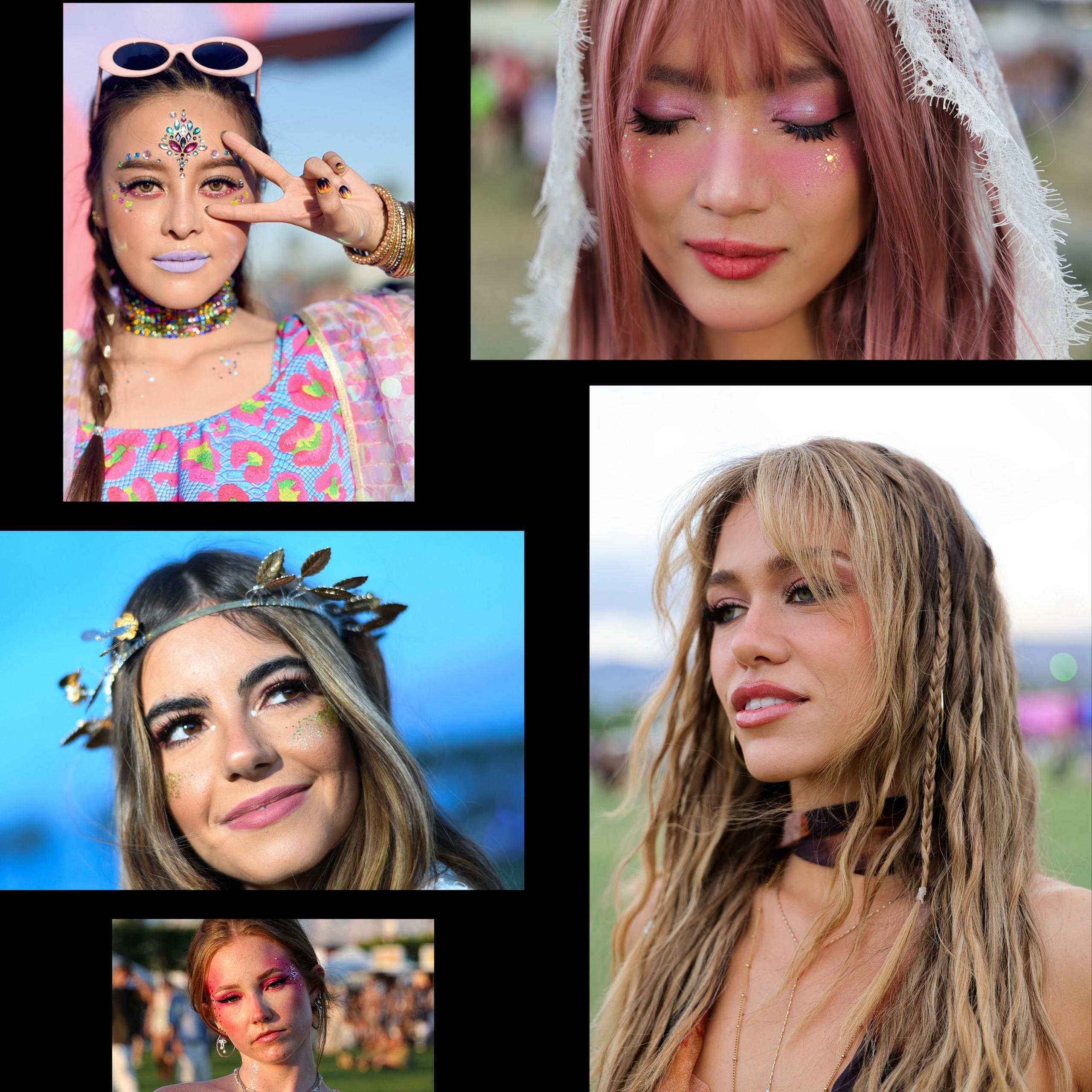
The proliferation of third-party sellers on online platforms presents a challenge, as many operate without the stringent regulatory oversight found in established beauty retailers. Skinner advises extreme caution with "cheap products or sellers you’ve never heard of." He highlights a common deceptive practice: "There are some items that are UV reflective, glow-in-the-dark or neon that are made by cosmetics brands but are quietly labelled as a ‘non-cosmetic paint’." This subtle relabeling allows manufacturers to bypass cosmetic regulations, putting unsuspecting consumers at risk. The consequences of using such products can range from painful contact dermatitis and chemical burns to more severe allergic responses requiring medical intervention. Always ensure products carry legitimate cosmetic certifications and clear ingredient lists.
Embracing Glitter and Gems: Sparkle Safely
The "fairycore" aesthetic, characterized by an abundance of sparkles, face gems, and glitter, has firmly taken hold in festival fashion. Skinner emphasizes moving away from minimalist trends: "The ‘no make-up look’ is gone. Clean girl is out!" He encourages a child-like playfulness, advocating for bold colours and strategically placed crystals to create a truly magical effect. For maximum impact, he suggests applying glitter in hair partings or on shoulders. For face adornment, Skinner prefers gems: "Personally, I say use gems as they’re bigger and more impactful, plus you can peel them off at the end of night and reuse them in the morning." This approach not only enhances the visual drama but also offers a practical, sustainable element.
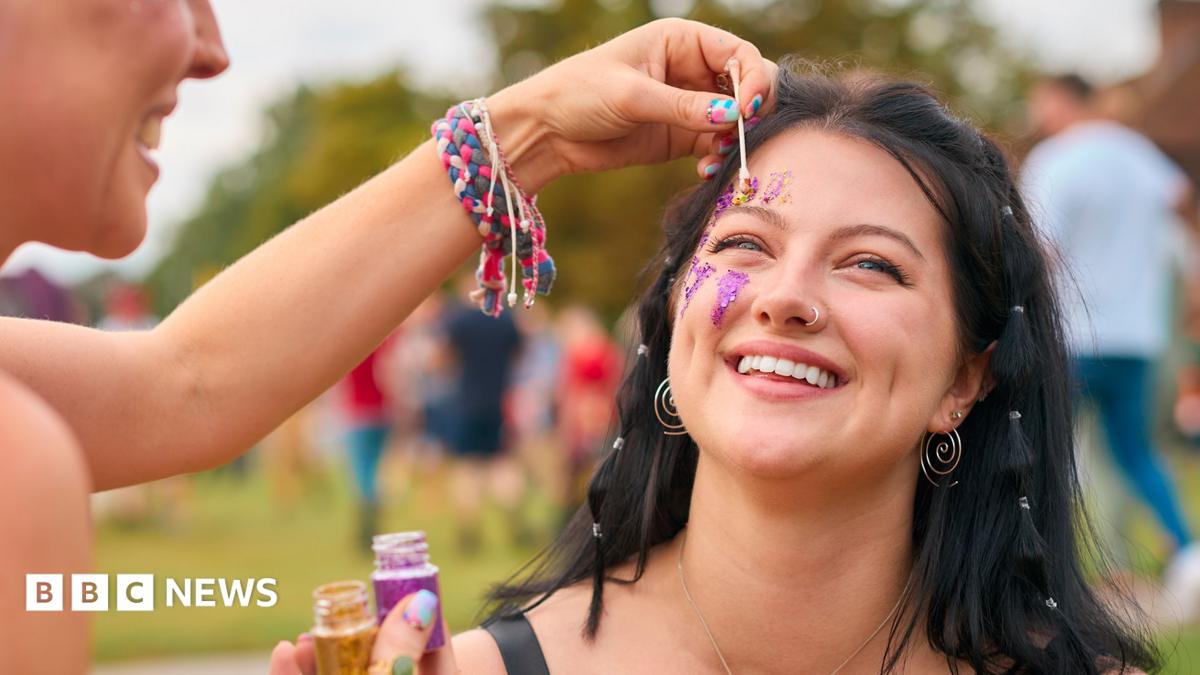
However, not all glitter is created equal, and safety is paramount when applying it to the skin. Dr. Emma Wedgeworth of the British Skin Foundation strongly advises against using craft glitter near the eyes, warning that its sharp, irregular edges can cause corneal scratches—a painful and potentially vision-threatening injury. The distinction between cosmetic-grade glitter and craft glitter is crucial; cosmetic glitter is specifically manufactured to be finely milled, rounded, and made from materials approved for skin contact.
Beyond immediate physical harm, the environmental impact of traditional glitter is a growing concern. Made from microplastics, non-biodegradable glitter contributes to plastic pollution in oceans and ecosystems, harming marine life. Wedgeworth recommends opting for biodegradable, eco-friendly products that are not only better for the environment but also typically softer on the skin. When applying gems or glitter, using safe, cosmetic-approved adhesives like lash glue is essential to ensure they stay in place without irritating the skin or causing adverse reactions. Proper removal is also key; gently peel off gems and use an oil-based cleanser for glitter, avoiding harsh scrubbing that can damage the skin.
The Vampy Lip: A Bold Statement, Hygienically Applied
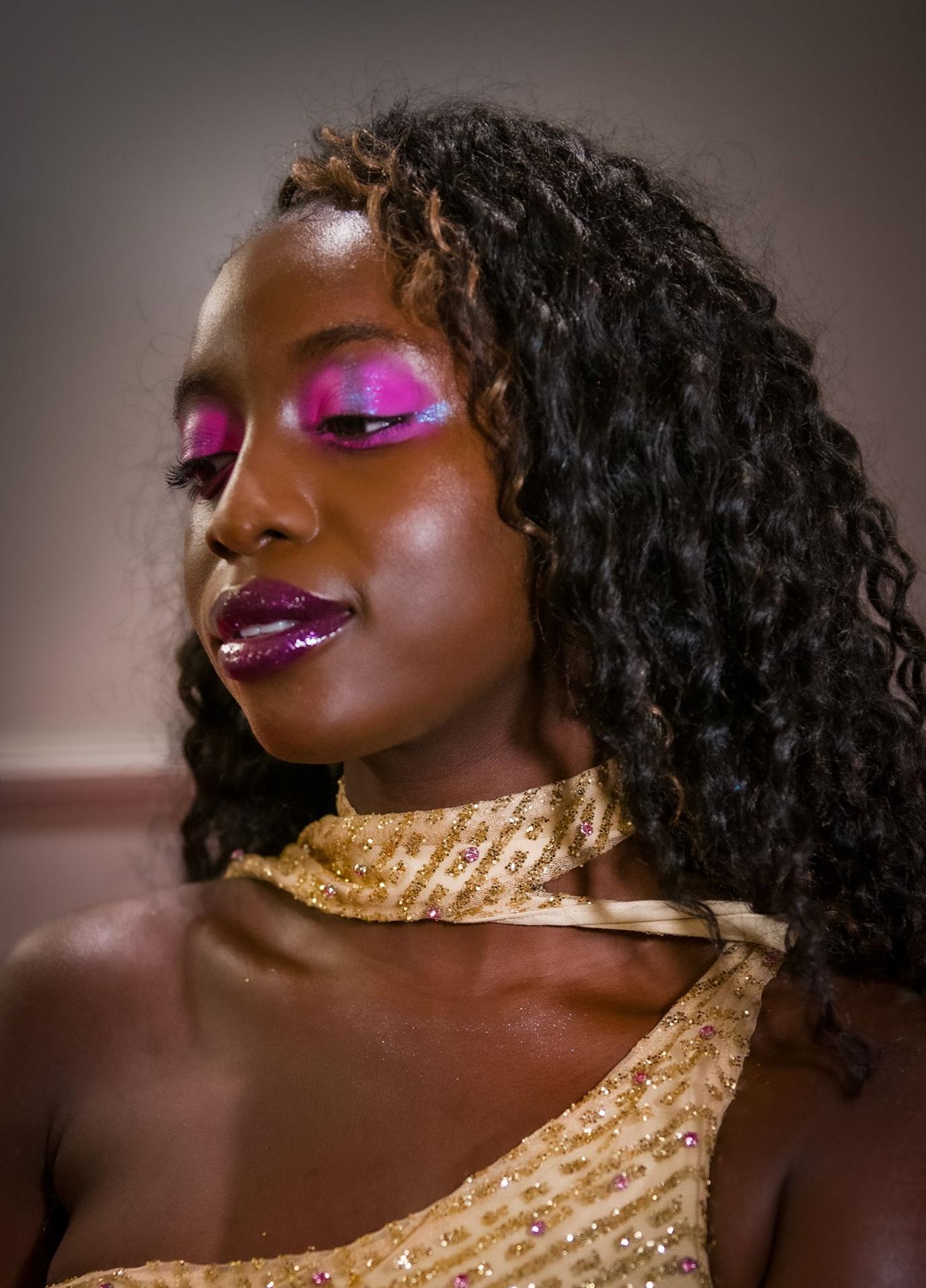
Breaking away from conventional summer shades, lips are getting a dramatic makeover this festival season. Vogue forecasts a trend towards "juicy and blurred lips" for 2026, focusing on texture with stains and glosses to create a "your-lips-but-better" effect. Meanwhile, InStyle magazine champions dramatic, dark red "vampy lips" as a sophisticated departure from the usual pinks and peaches. For festival longevity, Skinner highly recommends liquid lip products, noting, "You can do some drinking, you can do some snogging," without fear of smudging. He also offers a counter-intuitive but effective tip for application: "leave that lip liner until last – it’ll just ‘highlight how wonky your drawing skills are.’ Colour first, liner later." This allows for a more forgiving application, perfecting the shape after the main colour is established.
While bold lip statements are encouraged, strict hygiene practices are non-negotiable. Sharing lip balms or lipsticks is a direct pathway for spreading infections, most notably cold sores caused by the herpes simplex virus. Cross-contamination is a genuine risk in shared make-up, and this principle extends beyond communal use. Even personal application should prioritize hygiene; always ensure your hands are clean before touching your lips or make-up products. This rigorous approach to sanitation is why professional make-up artists meticulously clean and sanitize all their tools and products between clients, a practice consumers should emulate to protect their own health. The integrity of cosmetic formulations, including adequate preservatives, is designed to prevent microbial growth, but sharing products can overwhelm these protective measures, leading to bacterial or fungal contamination.
Sunscreen: The Underrated Festival Essential
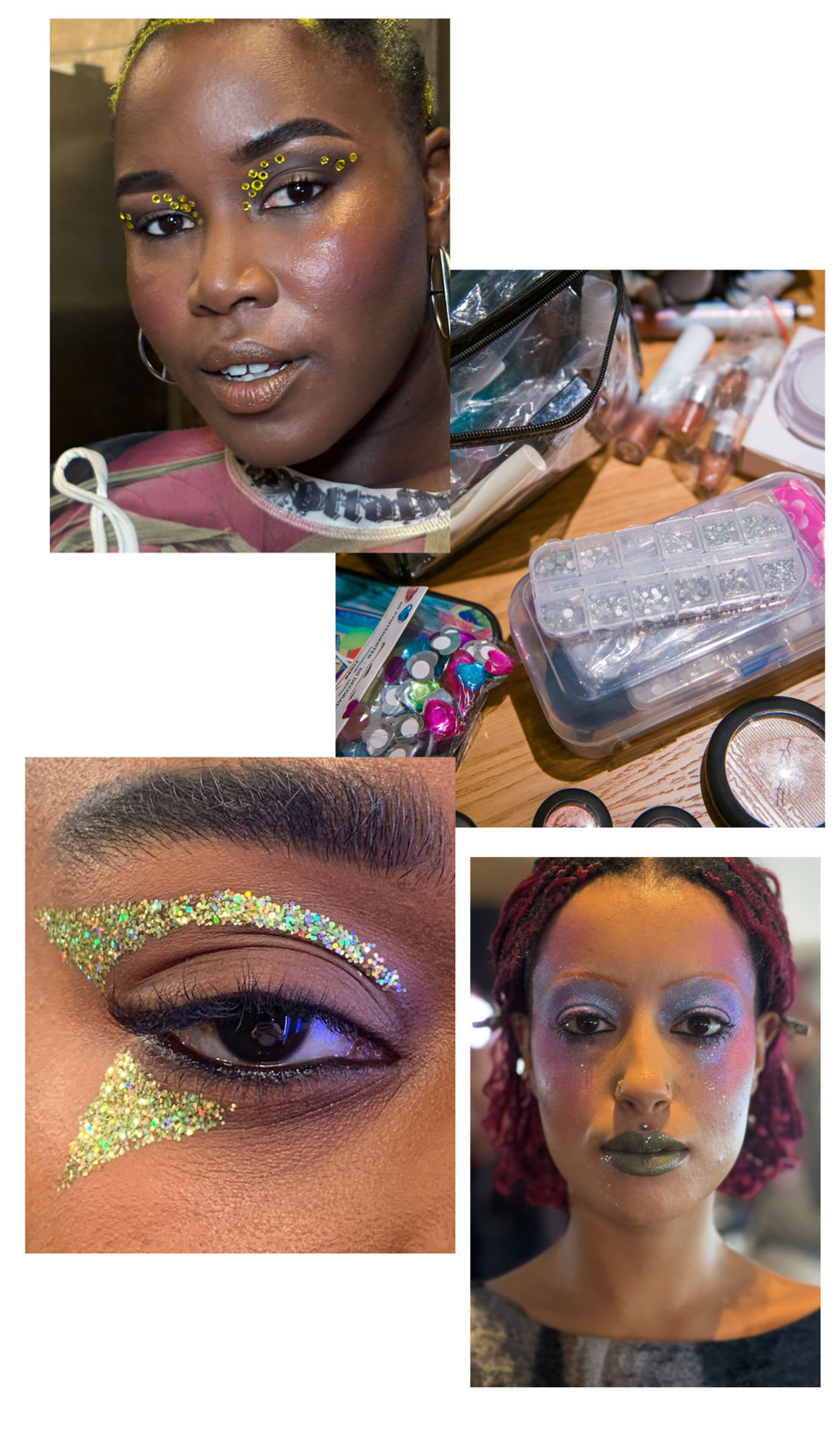
Beneath all the dazzling make-up and intricate hairstyles, the most crucial element of festival beauty is often overlooked: sun protection. Prolonged exposure to the sun’s harmful UV rays, especially during outdoor events, significantly increases the risk of sunburn, premature skin aging, and skin cancer. Health experts universally recommend using high-protection sunscreen, with at least SPF 30, as a foundational step in any outdoor make-up routine. Dr. Wedgeworth advises treating sunscreen like any other primer, allowing it to fully absorb into the skin before applying make-up. Skinner adds that matte or sweat-proof SPF formulations can further enhance the longevity of your make-up by providing a stable base.
The efficacy of sunscreen depends not only on its initial application but also on consistent reapplication throughout the day. A general rule of thumb is to reapply at least every two hours, or more frequently if you are sweating heavily or swimming. It’s vital to remember often-forgotten areas, such as the hairline, ears, and any exposed scalp, especially if your hairstyle creates partings. While sunscreen sprays offer a convenient way to reapply over make-up, Wedgeworth cautions that they can be difficult to apply thickly enough to provide adequate protection. Therefore, incorporating other sun-smart strategies is advisable: seek shade whenever possible, particularly during peak sun hours, and wear a wide-brimmed hat for additional facial and scalp protection. Prioritizing sun safety ensures that your festival memories aren’t marred by painful sunburn or long-term skin damage.
Hair Styles that Endure: Dance and Sweat-Proof Looks
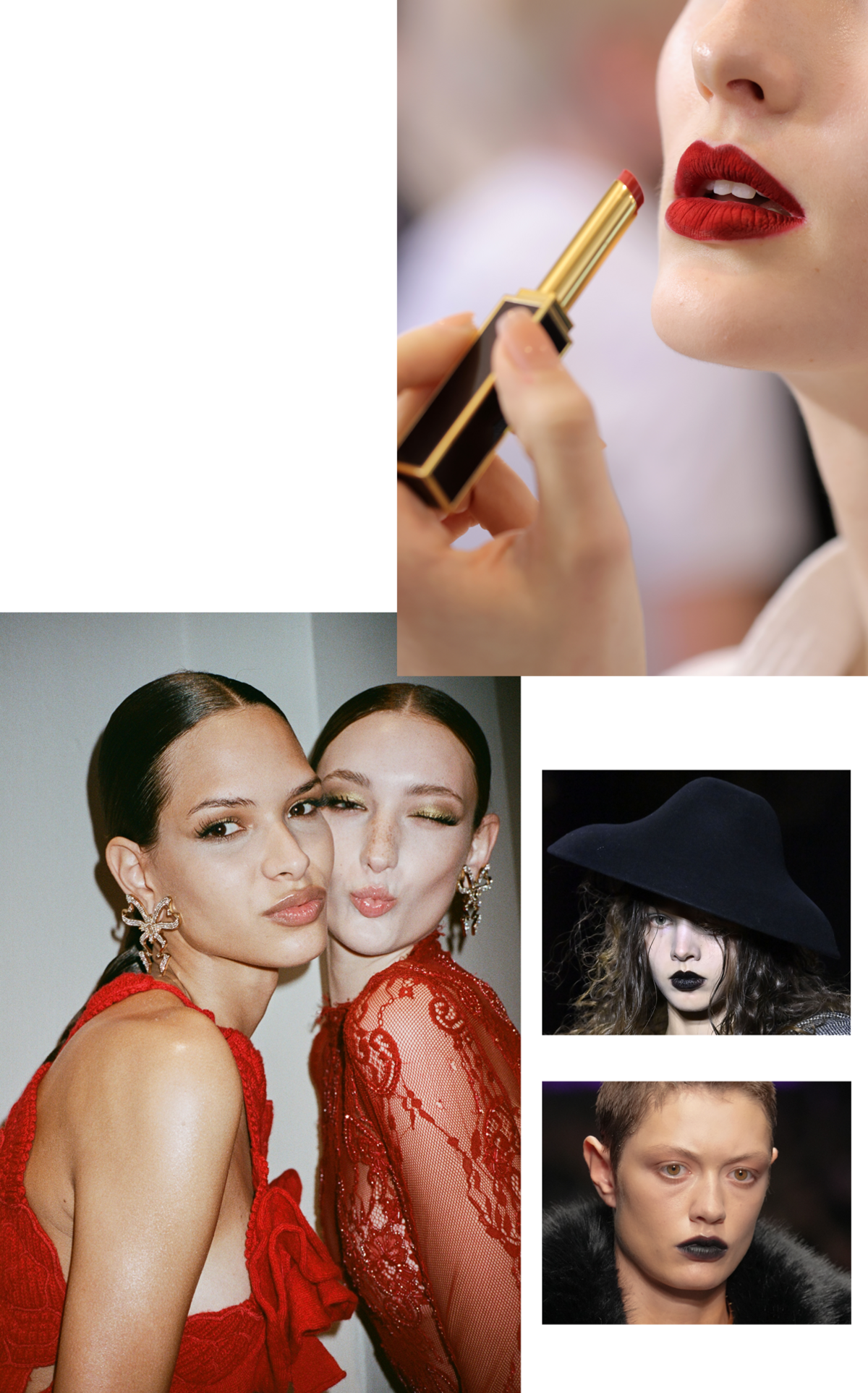
Festival hair is all about creativity and resilience, designed to withstand hours of dancing, sweating, and varying weather conditions. According to Who, What, Wear, accessories are key: think vibrant scarves woven into braids, stylish crochet beanie caps, or eye-catching hair clips, charms, and cuffs that add a unique flair without requiring complex styling. InStyle suggests classic festival looks like Mermaid waves for a bohemian vibe or thin Baby Braids for those with longer hair, offering practical and chic options that stay put. The goal is to choose styles that not only complement your overall look but are also robust enough to last from day to night.
For those considering a temporary colour change with a spray or dye, a crucial safety step is the patch test. Dr. Wedgeworth emphasizes the importance of applying a small amount of the product behind the ear or on a discreet part of the arm and waiting 24 to 48 hours to check for any allergic reaction. This precautionary measure is vital because hair dyes and sprays, even temporary ones, can contain ingredients that trigger severe allergic contact dermatitis, or in rare cases, more serious systemic reactions like anaphylaxis. Ignoring a patch test can lead to painful skin irritation, swelling, and blistering, which can quickly ruin a festival experience and require medical attention.
Ultimately, achieving a captivating festival look doesn’t necessarily require a complete overhaul of your make-up kit. Skinner encourages creative thinking: "You probably already own products that can give you a festival look. You just have to think creatively about how to play with it." This ethos promotes both resourcefulness and sustainability, encouraging individuals to experiment with existing items in new and exciting ways.
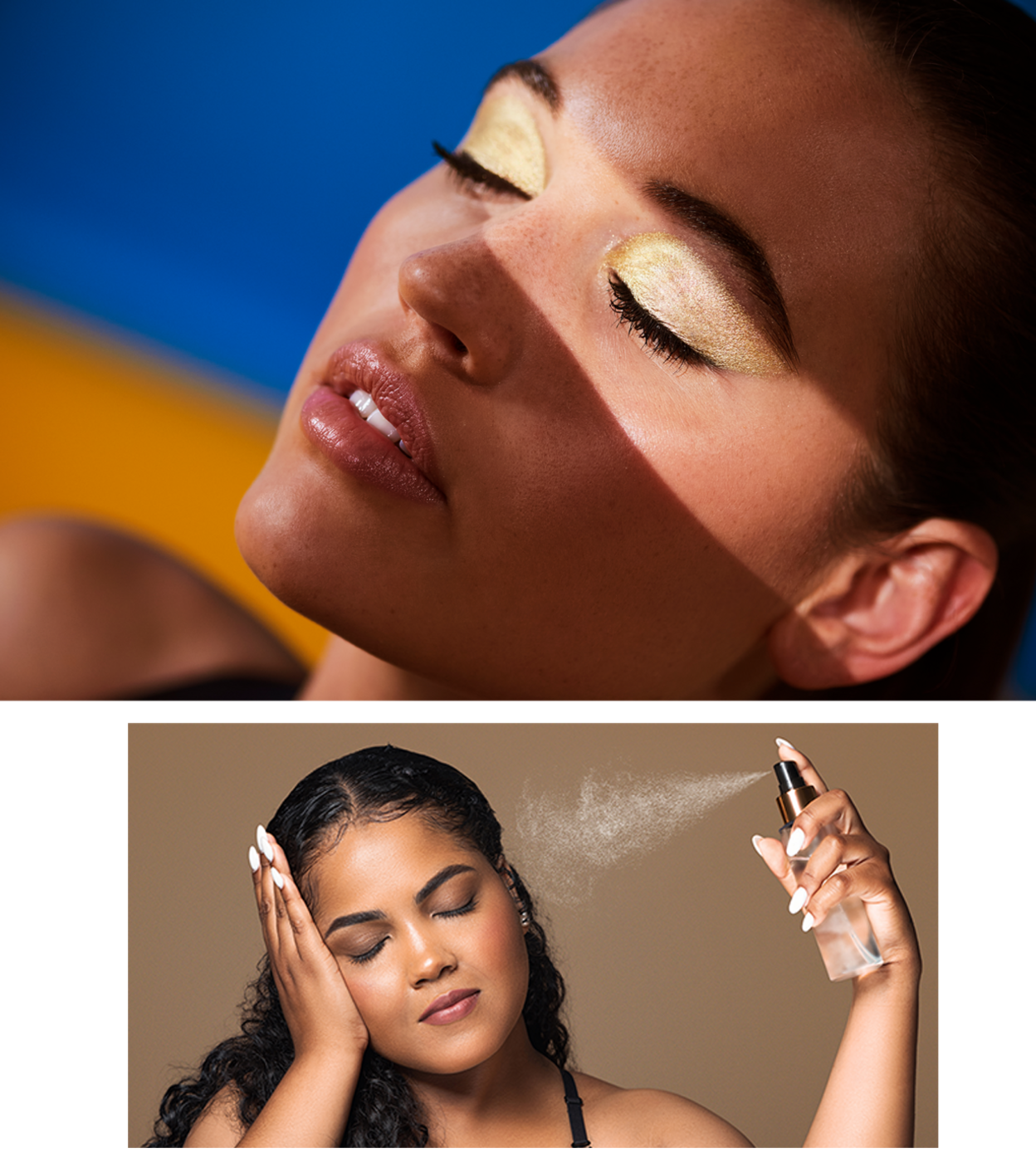
In conclusion, the vibrant world of festival fashion offers an unparalleled opportunity for self-expression and creative exploration. From dazzling eye make-up to bold lip statements and elaborate hairstyles, the possibilities are endless. However, this exciting landscape is not without its pitfalls, particularly concerning the safety and authenticity of make-up products available through unregulated online channels. The critical warnings issued by bodies like the Chartered Trading Standards Institute serve as a vital reminder that consumers must remain vigilant. By understanding the risks associated with banned ingredients, distinguishing between cosmetic-grade and non-cosmetic products, adhering to strict hygiene practices, and prioritizing sun protection, festival-goers can confidently embrace the season’s hottest trends. The true essence of festival glam lies not just in its visual appeal, but in its ability to empower individuals to shine brightly and safely, ensuring that their memories are filled with joy, music, and healthy self-expression.
