
"The launch of Jersey’s pilot clinic for Polyendocrine Metabolic Ovarian Syndrome (PMOS) marks a crucial step forward in addressing a long-overlooked condition, promising more integrated care and a holistic approach for women navigating its complex challenges. This initiative, while a ‘good start,’ sets a vital precedent for comprehensive support, moving beyond past dismissals to take women’s long-term health consequences seriously."
Jersey has taken a significant stride in women’s health with the establishment of a pilot health check clinic dedicated to Polyendocrine Metabolic Ovarian Syndrome (PMOS). This new service, designed to support women living with the widespread metabolic condition, has been met with cautious optimism by health advocates, who commend the initiative as a foundational step while also calling for further advancements. The clinic’s inception reflects a growing recognition of PMOS as a systemic health issue requiring a more structured and empathetic approach, shifting the narrative from isolated symptoms to integrated, long-term care.
Polyendocrine Metabolic Ovarian Syndrome, affecting an estimated one in eight women globally, is a complex endocrine disorder that profoundly influences various bodily systems, most notably altering ovarian function. While historically associated primarily with infertility and weight gain, the condition’s systemic reach extends far beyond reproductive health. Its recent renaming from Polycystic Ovary Syndrome (PCOS) to PMOS in May was a deliberate move to better represent its comprehensive impact as a whole-body condition, moving past the misleading emphasis on ovarian cysts, which are not present in all cases, and highlighting the broader metabolic and endocrine dysregulation involved.
The condition manifests through a diverse array of symptoms, making diagnosis and management often challenging. Beyond the commonly cited irregular menstrual cycles, difficulty conceiving, and weight fluctuations, women with PMOS can experience hirsutism (excessive hair growth), severe acne, male-pattern baldness, insulin resistance leading to type 2 diabetes, elevated androgen levels, fatigue, and an increased risk of cardiovascular disease, sleep apnea, and certain cancers, including endometrial cancer. Mental health conditions such as anxiety and depression are also significantly more prevalent among individuals with PMOS, underscoring the need for truly holistic care. For many years, women navigating these varied and often distressing symptoms have reported feeling dismissed or inadequately supported by healthcare systems, leading to delayed diagnoses and prolonged suffering.
Jersey’s new pilot clinic aims to address this critical gap. Situated at the Assisted Reproductive Unit in St Brelade and set to commence operations in October, the service is explicitly designed as a health check and screening facility, not a diagnostic one. This distinction is crucial: women suspected of having PMOS will still require an initial diagnosis from their general practitioner, who can then refer them to the specialized clinic. Once referred, the clinic will provide comprehensive follow-up care, helping women manage their PMOS and associated conditions, such as type 2 diabetes, which often co-occurs due to insulin resistance.
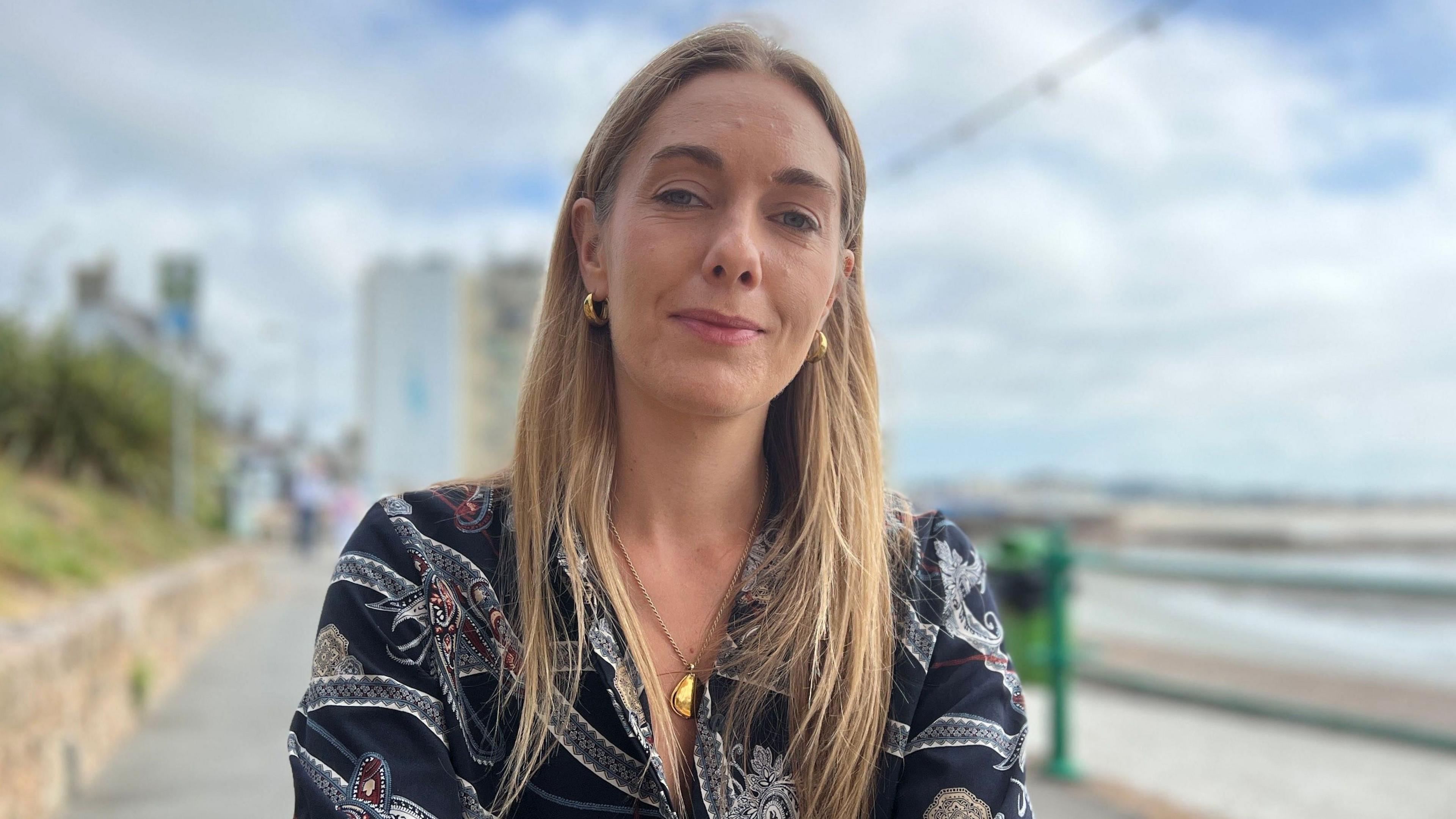
Jessica Pinel, Chair of PMOS Jersey, a local health advocacy group, lauded the clinic as a significant advancement, particularly in its alignment with draft guidance from the UK’s National Institute for Health and Care Excellence (NICE). NICE guidelines, recognized for setting high standards in healthcare, recommend annual checks for individuals with PMOS to proactively identify and manage the wide-ranging health issues that can arise from this complex condition. Pinel, who herself received a PMOS diagnosis in 2023 after incurring over £3,100 in treatment costs, highlighted the financial burden often associated with managing the condition. She emphasized that while the need for a GP referral might still present a cost barrier for some, the integration of the clinic into the government health system offers substantial benefits. This integration facilitates seamless referrals to various specialist pathways, including endocrinology and dermatology, potentially reducing out-of-pocket expenses for women and ensuring a more coordinated, multi-disciplinary approach to care.
"I think it’s great to see things moving forward," Pinel stated, expressing hope that the clinic would foster a more joined-up approach, particularly for newly diagnosed women. She underscored the importance of finally taking the long-term health consequences of PMOS more seriously, a sentiment echoed by many in the PMOS community who have long advocated for better recognition and support.
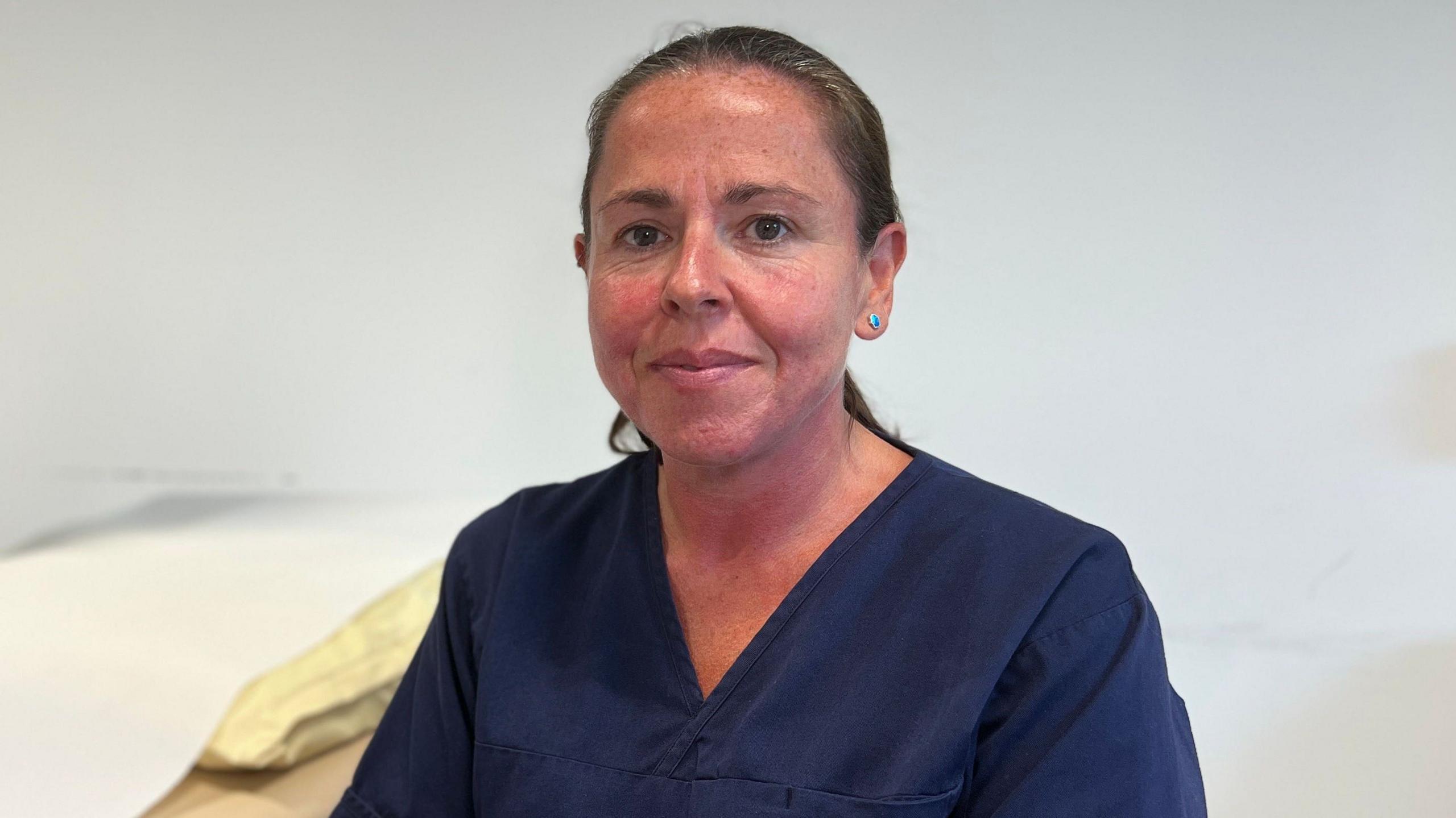
Corrinne Purdy, a nurse at the new screening clinic, elaborated on the holistic nature of the care that will be provided. Reviews will encompass a broad spectrum of assessments, moving beyond mere physical symptoms to address the patient’s overall well-being. "We will see whether they’re getting on alright with their medication, how they’re feeling about themselves; we will do height and weight reviews, we will ask them questions about their sleep, how they’re managing their condition," Purdy explained. Crucially, the consultations will also delve into fertility aspirations and mental health, acknowledging the profound psychological impact PMOS can have.
Purdy articulated a common frustration within the healthcare community regarding PMOS, noting that the condition has been "overlooked" for far too long. She highlighted a pervasive issue where women, once diagnosed, were often left to manage their symptoms independently, without adequate follow-up or specialist guidance. "A lot of women struggle, particularly with some of the symptoms that come alongside it," she observed, emphasizing the broad and varied ways PMOS can affect individuals. Her assertion that PMOS is "more common than people think" underscores the critical need for increased awareness and accessible support services like the new clinic.
The government of Jersey has been clear about the clinic’s mandate: to provide a screening service rather than a treatment center. This means that while the clinic will monitor and support women with PMOS, those requiring specialized management for specific symptoms, such as heavy menstrual bleeding, complex fertility concerns, or other gynecological conditions, will be referred to the most appropriate specialist service. A key benefit highlighted by the government is that this new service will not exacerbate existing waiting lists for gynecology or surgical capacity, as additional clinical capacity has been secured specifically for the PMOS clinic.
Assistant Minister for Health and Social Services, Deputy Andy Howell, voiced the government’s commitment, acknowledging that "a lot of women have been suffering" with PMOS. He expressed optimism that the new trial clinic would signal a clear message to these women: "that we’re taking them seriously and they’re not going to be dismissed." Deputy Howell also addressed the financial aspects, assuring the public that the clinic’s funding would be managed within the existing budget of the Health Department, which was allocated £381 million for 2026 as part of the government’s 2026-2029 budget. This strategic allocation demonstrates a commitment to improving care without requiring new, immediate expenditure.
A significant advantage of the new clinic is its ability to offer women access to advanced investigations, including ultrasound scans and endometrial biopsies, during the same visit. This integrated approach stands in stark contrast to standard GP appointments, where such procedures are typically not available, often necessitating multiple appointments and prolonged waiting times. "This is great that women will have somewhere to come to and perhaps have a bit more time with a specialist nurse who they can talk to," Deputy Howell remarked, emphasizing the enhanced patient experience.
Jersey’s commitment to basing its review process on the established NICE guidelines further solidifies the clinic’s foundation in evidence-based best practices. Jessica Pinel reiterated that a core aim of the pilot phase is to actively solicit feedback from women utilizing the service. This feedback loop is vital, allowing practitioners to continuously refine and optimize the support offered, ensuring that individuals with PMOS receive the highest possible standard of care.
The launch of Jersey’s pilot PMOS clinic represents a pivotal moment in recognizing and addressing a condition that has, for too long, been shrouded in misunderstanding and inadequate support. By providing a dedicated, holistic screening service, aligning with national guidelines, and prioritizing patient feedback, Jersey is setting a commendable example for integrated care. While advocates acknowledge it is a "good start" with "more that can be done," this initiative offers a beacon of hope for countless women, validating their experiences and paving the way for improved health outcomes and a higher quality of life. The journey towards comprehensive PMOS care is ongoing, but this new clinic signifies a determined and empathetic step in the right direction.
