

"Closing the orgasm gap requires shifting the focus from the finish line to the journey, recognizing that for most women, clitoral stimulation and psychological arousal are the primary drivers of sexual satisfaction."
In modern sexual discourse, the "orgasm gap" remains one of the most significant disparities in heterosexual intimacy, referring to the statistical frequency with which men reach climax compared to their female partners. While sexual pleasure is a multifaceted experience that extends far beyond the moment of climax, the inability to facilitate a partner’s orgasm often leads to frustration, performance anxiety, and a sense of disconnection. To address this, sexual health experts emphasize a move away from "intercourse-centric" sex, advocating instead for an approach that prioritizes biological understanding, psychological engagement, and direct clitoral stimulation.

The Biology of Arousal and the Orgasm Gap
To understand how to help a partner reach orgasm, one must first dismantle the myths surrounding female arousal. Traditional sex education often overlooks the complexity of the clitoris, an organ whose sole known purpose is pleasure. While the clitoral glans—the visible "bud"—contains approximately 10,000 nerve endings, the majority of the structure is internal. This wishbone-shaped organ consists of erectile tissue that becomes engorged with blood during arousal, much like a penis.
According to De-Andrea Blaylock-Solar, a licensed clinical social worker and sex therapist, arousal is a systemic process. Beyond clitoral engorgement, the vagina lubricates, the vulva increases in sensitivity, and the vaginal canal physically lengthens and stretches to accommodate penetration. If these physiological markers are not reached before penetration occurs, the experience can become uncomfortable or even painful.
The "orgasm gap" is further exacerbated by a lack of understanding regarding the mechanics of climax. A 2018 study published in the Journal of Sex & Marital Therapy revealed a stark reality: only 18 percent of women can achieve orgasm through vaginal intercourse alone. For the remaining 82 percent, clitoral stimulation is either a necessity or a significant enhancement. Specifically, 36 percent of women require clitoral stimulation to reach climax, while another 36 percent report that while not strictly necessary, it makes their orgasms significantly more intense.
Pacing and the Temporal Disparity
One of the primary hurdles in partnered sex is the difference in the time required to reach climax. Research published in the Journal of Sexual Medicine indicates that on average, women take roughly twice as long as men to reach orgasm during penetrative sex, with averages hovering around 13 to 14 minutes of sustained stimulation.
Shadeen Francis, a marriage and family therapist, suggests that the "race toward climax" is often counterproductive. When the goal is strictly the end result, the pressure can inhibit the very relaxation necessary for the nervous system to allow an orgasm. By slowing down and viewing sex as a series of pleasurable moments rather than a countdown to a finish line, partners can create a low-pressure environment where arousal can build naturally.
The Primacy of Clitoral Stimulation
If the goal is to facilitate a partner’s climax, the clitoris must be the focal point. This can be achieved through various methods, including manual stimulation, oral sex, and the use of technology.

Manual Stimulation: When using fingers, the approach should be rhythmic and consistent. The common "finger-banging" trope—fast, deep, and hard penetration—is often less effective than light, circular motions on the clitoral glans. Communication is vital here; asking "Like this?" or "More or less pressure?" ensures the touch aligns with the partner’s immediate needs.
Oral Sex: Cunnilingus is widely regarded as one of the most effective ways to provide direct, targeted stimulation. Beyond the clitoris, oral sex stimulates the inner labia and the vaginal entrance, creating what Dr. Carolina Pataky describes as a "layered sensory experience." Positions such as "face-sitting" (queening) allow the receiving partner to control the angle and pressure, taking the guesswork out of the encounter for the giver.
The Importance of Lubrication
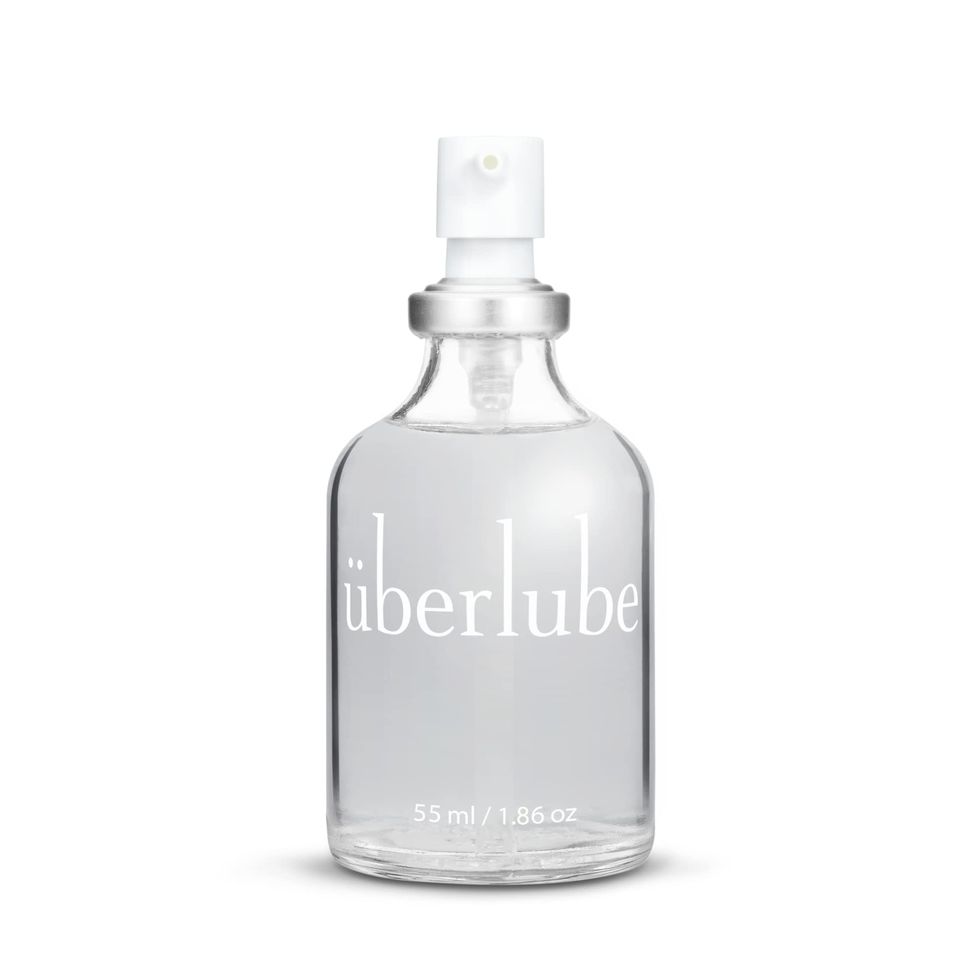
A common misconception is that the need for artificial lubricant indicates a lack of arousal. In reality, vaginal lubrication is influenced by a myriad of factors, including hydration, medication (such as antihistamines or birth control), the menstrual cycle, and stress levels.

Dr. Jessica O’Reilly notes that many women do not become "soaking wet" even when highly aroused. A 2022 review in Sexual and Reproductive Health Matters found that the use of lubricant is associated with higher levels of sexual well-being and reduced pain. For safety, it is essential to use water- or silicone-based lubricants when using latex condoms, as oil-based products can degrade the material.
Strategic Positioning for Climax
Certain sexual positions are biologically more conducive to female orgasm because they allow for better clitoral contact or greater control for the receiving partner.
- Cowgirl (Woman-on-Top): This position is frequently cited by experts like Dr. Ian Kerner as the most likely to lead to orgasm. It allows the woman to control the depth, speed, and angle of penetration, ensuring the clitoris rubs against the partner’s pubic bone.
- The Coital Alignment Technique (CAT): This is a modified version of the missionary position. Instead of thrusting, partners use a synchronized rocking motion. The penetrating partner moves higher up the body so that the base of the penis maintains constant pressure on the clitoris.
- The Lotus: This sitting, face-to-face position emphasizes intimacy and grinding rather than thrusting. It is ideal for couples who prefer a slower, more connected pace.
- The Pretzel: A side-lying position that allows for deep penetration while keeping the partners’ faces close for kissing and eye contact.
The Psychological and Sensory Components
Orgasm is as much a mental event as it is a physical one. For many women, particularly those with lower spontaneous desire, psychological arousal is the "gatekeeper" to physical arousal.

Intimacy and Kissing: Deep kissing is not merely a component of foreplay; it is a significant predictor of female orgasm. Maintaining physical intimacy through kissing and eye contact during penetration keeps the nervous system engaged and the emotional connection strong.
Erogenous Zones: The neck and breasts are critical secondary erogenous zones. Nipple stimulation, in particular, has a direct neural pathway to the same regions of the brain activated by genital stimulation. For some, nipple play alone can be sufficient to trigger an orgasm, as it prompts the brain to send signals that increase vaginal lubrication and clitoral engorgement.
Fantasies and Dirty Talk: Indulging in sexual fantasies or using "dirty talk" can bridge the gap between the mind and the body. These practices build anticipation and mental engagement. According to a 2019 study, mental arousal is often necessary for women to recognize and lean into their physical sensations.

Integrating Tools and Mutual Exploration
The modern bedroom often includes "assistive technology." A 2025 study in The Journal of Sexual Medicine highlighted that women who incorporate vibrators into partnered sex report higher levels of satisfaction and more intense orgasms compared to those who use them only during solo play. Vibrators should be viewed as enhancements—tools that provide consistent, high-frequency stimulation that the human hand or mouth may not be able to maintain.
Furthermore, mutual masturbation offers a unique educational opportunity. By watching a partner masturbate, one can observe the exact speed, pressure, and rhythm they prefer. This removes the "performance" aspect of sex and focuses on the "discovery" aspect, allowing both partners to learn without the pressure of a looming climax.
The G-Spot and Internal Stimulation
While the clitoris is the primary engine of pleasure, the G-spot—an area of sensitive, spongy tissue on the front wall of the vagina—remains a significant point of interest. Dr. Katie Schubert explains that this is not a "button" but rather an internal extension of the clitoral network. Stimulating this area with a "come hither" motion can lead to vaginal orgasms or even female ejaculation (squirting). Positions like "doggy style" are often preferred for G-spot stimulation due to the angle of entry.

De-centering the Orgasm
Perhaps the most counterintuitive advice from sexual health experts is to stop making the orgasm the primary goal. When the "success" of a sexual encounter is tied to a single physical event, it creates a "spectator" effect where partners are more focused on monitoring progress than feeling pleasure.
Orgasms are involuntary physiological releases that cannot always be willed into existence. By prioritizing "pleasure over performance," couples often find that orgasms happen more naturally. When the pressure is removed, the body is free to relax, which is the fundamental requirement for the "climax" of the sexual response cycle. Communication, both inside and outside the bedroom, remains the most powerful tool in any partner’s arsenal. Asking open-ended questions about favorites and fantasies ensures that the sexual roadmap is always up to date.
