
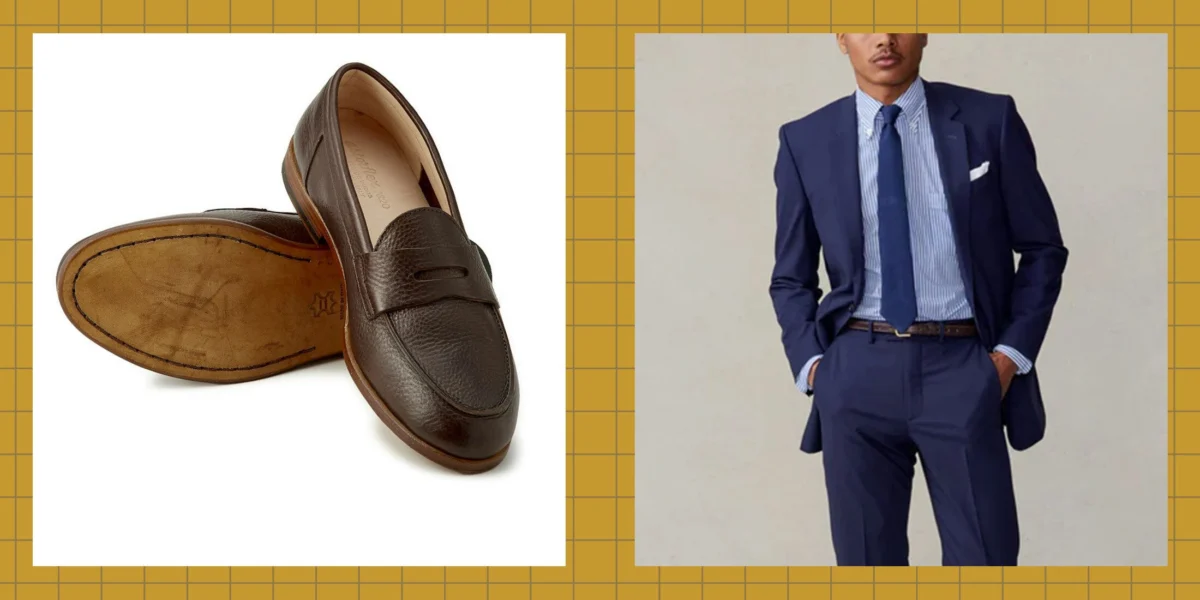
Fall has surpassed summer as the premier season for American weddings, demanding a shift from lightweight linens to structured wools and richer color palettes that balance tradition with seasonal versatility. Success in autumn dressing lies in mastering the transition from the breezy, casual aesthetics of the warmer months to the "buttoned-up," texture-rich requirements of the harvest season.

As October officially overtakes June as the most popular month for nuptials in the United States, the modern man faces a complex set of wardrobe challenges. While summer weddings often allow for experimental materials like seersucker and unlined linen, the autumn ceremony typically calls for a more disciplined approach to tailoring. However, the shift in season does not equate to a loss of creativity; rather, it opens the door to a sophisticated world of merino wools, glen plaids, and earth-toned accessories. Whether attending as a member of the wedding party or as a guest, the key to navigating this busy season is understanding the specific demands of the venue and the dress code, while prioritizing comfort and long-term value in every garment selected.

The Rise of the Autumn Nuptial
The demographic shift in wedding planning is more than a mere trend; it is a fundamental change in the industry. Data from major wedding platforms indicates that October is now the high-water mark for the American wedding industry. This shift is driven by several factors, including more predictable weather patterns in many regions and the aesthetic appeal of autumnal foliage. For the guest, this means moving away from the "fun" looks of July—where a light blue linen suit might suffice—toward a wardrobe that can handle fluctuating temperatures and more formal environments.

Dressing for these events often entails a delicate balance between adhering to tradition and expressing personal style. While being a groomsman offers the relief of a prescribed uniform, the regular guest must navigate the sartorial landscape solo. This requires a strategic approach to purchasing, focusing on pieces that offer "shelf life" beyond a single weekend.

The Traditional Wedding: Timelessness in Navy and Gray
For ceremonies held in churches, chapels, or classic wedding venues that do not specify black-tie, the goal is a timeless, distinguished silhouette. The "Traditional" wedding remains the most common format, and for this, the navy or charcoal suit is the undisputed king.

In the modern market, the gap between off-the-rack and made-to-measure has narrowed significantly thanks to brands like The Black Tux. This service has revolutionized the industry by offering high-quality wool suits for both rental and purchase, utilizing virtual and in-person fittings to ensure a tailored fit. For the guest looking to invest, the "Essential Suit" in True Navy represents a year-round staple. For those seeking a seasonal upgrade, a gray suit made from heavier merino wool provides the necessary warmth for an October afternoon while remaining breathable enough for an indoor reception.

To elevate a traditional suit, the details matter. A classic twill dress shirt, such as those from Brooks Brothers, offers a crisp foundation. When selecting a tie, the "Rep tie"—distinguished by its diagonal stripes—adds a layer of academic sophistication. In terms of color theory, baby blue and pink accents pair exceptionally well with gray, while deeper shades like navy, black, and burgundy are best suited for darker charcoal or navy bases.

The Formal Standard: Mastering Black Tie
Black-tie affairs are the most rigid in their requirements, yet they offer the greatest opportunity for a man to look his absolute best. The classic tuxedo remains the gold standard. For the frequent guest, purchasing a tuxedo is often more cost-effective than multiple rentals. Brands like SuitShop have entered the space with ready-to-wear options that maintain a high-end appearance at an accessible price point, often under $300.

However, for those looking to "push the envelope," the double-breasted tuxedo or suit has seen a significant resurgence. A double-breasted wool pinstripe suit, for instance, provides a commanding presence that feels upscale without crossing into costume territory. It is a subtle way to stand out in a sea of single-breasted jackets.

The accessories for black-tie must be equally disciplined. Onyx cufflinks, particularly those with silver or gold borders from heritage-focused brands like Shinola, provide a necessary touch of luxury. Footwear in this category should strictly adhere to the Oxford or Derby style; loafers are generally considered too casual for a true black-tie environment. The Cole Haan Hawthorne Oxford is a prime example of a shoe that marries the formality of a cap-toe with modern comfort technology, ensuring the wearer can remain standing for hours without fatigue.

Cocktail Attire: The "Goldilocks" Zone of Style
The cocktail dress code is perhaps the most versatile, allowing for a mix of full suits and "separates" (a blazer paired with different-colored trousers). This is the space where the J.Crew Ludlow jacket shines. The Ludlow silhouette has become a modern icon for its slim, flattering fit and its ability to bridge the gap between formal and semi-formal.

In a cocktail setting, texture becomes a primary tool for expression. A fresco wool or Italian lightweight jacket provides a sophisticated sheen and breathability. Pairing these with high-quality chinos—specifically those made from Japanese selvedge or high-twist cotton—creates a look that is polished yet relaxed. Todd Snyder’s relaxed-fit selvedge chinos have become a favorite among style enthusiasts for their departure from the "office-casual" look, offering a wider, more intentional silhouette that feels appropriate for a high-end celebration.

The Rustic Revolution: Barn and Vineyard Weddings
As barns and vineyards have become premier wedding destinations, the "Rustic" dress code has evolved. These venues demand a specific color palette: olive, tan, brown, and burnt orange. These tones harmonize with the natural surroundings and the typical late-afternoon timing of these events.

For a barn wedding, a glen plaid or "Archie" jacket in brown tones is a standout choice. These patterns scream autumn and provide a visual depth that solid colors lack. Because these venues are often outdoors and subject to temperature drops, layering is essential. A "Johnny-collar" sweater polo in a slub knit cotton can be worn under a blazer as a comfortable, modern alternative to the traditional button-down and tie.

Footwear for outdoor venues requires practical consideration. Grass, gravel, and uneven terrain make traditional leather-soled shoes a liability. Hybrid shoes, such as the Cole Haan Zerogrand series, provide the upper of a wingtip Oxford with the cushioned, lugged sole of a performance shoe. This ensures stability and comfort in a rural setting without sacrificing the formal aesthetic required for a wedding.

Destination Weddings: The Travel-Ready Wardrobe
The destination wedding—whether in the mountains of Colorado or on a beach in Mexico—requires a wardrobe that can survive a suitcase. The "travel blazer" is the essential tool here. These jackets are often constructed from "knit" fabrics or high-twist wools that naturally resist wrinkling.

The Bonobos Jetsetter Knit Blazer is a frequent recommendation by style directors for its ability to look freshly pressed even after a cross-country flight. For warmer fall destinations, a linen-blend "carry-on" jacket provides the necessary structure while allowing for maximum airflow. To round out a travel wardrobe, white or cream-colored linen trousers offer a classic, Mediterranean-inspired look that pairs perfectly with a navy blazer.

If the destination ceremony is beach-themed, the rules of formal wear relax further. A high-quality, heavyweight jersey T-shirt can be worn under a sharp blazer, provided the fit is impeccable. This look is increasingly common in high-end destination weddings, offering a "quiet luxury" aesthetic that prioritizes ease and elegance.

The Foundation: Comfort and Longevity
Regardless of the venue or dress code, the ultimate success of a wedding outfit depends on two factors: fit and footwear. A $2,000 suit will look inferior to a $300 suit if the latter is properly tailored to the wearer’s frame. Furthermore, because weddings are endurance events—often lasting eight to twelve hours—comfort is not a luxury; it is a requirement.

Modern menswear has largely solved the "uncomfortable dress shoe" problem by integrating athletic-shoe technology into traditional silhouettes. Brands like Allen Edmonds and Cole Haan now offer shoes with calfskin uppers and memory-foam or EVA outsoles. These "remastered" classics allow the modern man to navigate the autumn wedding season with the confidence that he is not only the best-dressed man in the room but also the most comfortable. As the leaves turn and the wedding invites pile up, the prepared man views each event not as a chore, but as an opportunity to master the art of the seasonal transition.
