
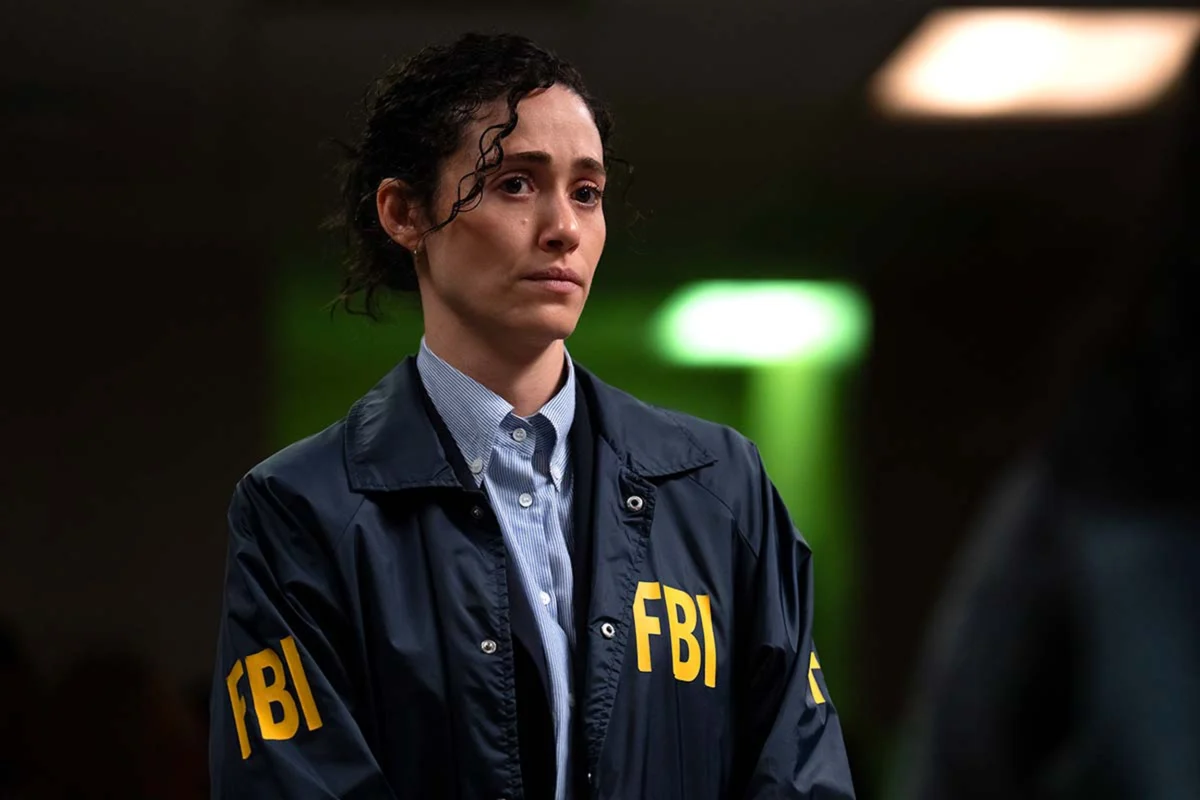
"By blurring the lines between justice and vengeance, Furious transforms the classic cat-and-mouse procedural into a dark exploration of how trauma shapes the moral compass of its protectors."
The first season of Elizabeth Meriwether’s Furious has established itself as a cornerstone of the 2026 television landscape, offering a grim but grounded reflection of a world where the distinction between hero and villain is increasingly porous. Following the official renewal of the series for a second season, the narrative focus shifts from the pursuit of a serial killer to the psychological evolution of its protagonist, Alice, whose final actions in the season finale suggest a radical departure from traditional law enforcement tropes.
The Genesis of a New Genre Hybrid
When Furious premiered on Hulu, it arrived with the weight of high expectations and inevitable comparisons. Critics and audiences alike struggled to pin down its exact lineage, often describing it as a cocktail of Twin Peaks’ atmospheric dread, Killing Eve’s obsessive character dynamics, and Dexter’s moral ambiguity. However, as the first season progressed, it became clear that creator Elizabeth Meriwether—previously known for her sharp comedic timing—had crafted something entirely distinct.
The show’s success lies in its refusal to lean on the "weirdness" of supernatural elements or the "inhumanity" of its antagonists. Instead, Furious leans into the grim reality of the 2026 world. It acknowledges a society saturated with news of systemic failure and personal trauma, using that backdrop to build characters who feel lived-in and authentic. The procedural elements are merely the skeleton for a much deeper study of human breaking points.

Character Dynamics and the Performance of Revelation
The emotional anchor of the series is Alice, portrayed by Emmy Rossum in what many are calling a career-defining performance. Initially introduced as a tough, devoted FBI agent with a series of eccentric quirks, Alice’s character arc is a masterclass in slow-burn storytelling. Those quirks, initially played for minor character flavor, are eventually revealed to be the scars of a deeply tragic backstory involving exploitation she suffered as a minor.
Contrasting Alice is Danny Kelly, played by Scoot McNairy. As an NYPD detective with a "heart of gold" buried under a cynical, "sticky" exterior, Kelly provides the show’s moral North Star, even as the world around him collapses. The chemistry between Rossum and McNairy provides a necessary human warmth to an otherwise cold narrative landscape.
Perhaps most impressive is the treatment of the show’s primary antagonist, Catherine Grace. Played by Lola Petticrew, Catherine is a serial killer who operates with terrifying smoothness, yet remains strikingly human. Unlike the untouchable "super-predators" of early 2000s crime dramas, Catherine is vulnerable and grounded, making her eventual capture feel like a tragic inevitability rather than a triumphant victory. This groundedness is further supported by Quincy Tyler Bernstine’s Nora, an FBI division leader whose leadership style eschews TV clichés in favor of a weary, pragmatic realism.
The Season 1 Finale: A Pivot Toward Vigilantism
The conclusion of the first season brought the primary investigation of the "Catherine Case" to a definitive close. Catherine Grace is incarcerated, and the immediate threat of Jay Easton—a man whose evil permeated the season’s subplots—has been neutralized. However, the true climax of the season was not the resolution of the case, but the moral transformation of Alice.
In a shocking revelation during her jailhouse visit with Catherine, Alice confesses to the murder of Jay Easton. While Easton was a monster who arguably "deserved" his fate, the method of his death—Alice stepping on his oxygen tube and physically ensuring his demise—marks a point of no return for the character. The finale’s closing shots suggest that Alice didn’t just perform a grim duty; she experienced a sense of satisfaction, perhaps even joy, in the act.

Elizabeth Meriwether has been vocal about this narrative choice, explaining that the show’s goal was to track the journey of two women "becoming each other." While Catherine Grace may have reached a point where she no longer desires to kill, Alice has reached the opposite shore. She has evolved into someone capable of taking a life to achieve her version of justice. This shift sets the stage for a second season that could mirror the vigilante themes of Dexter, but with a more grounded, psychologically complex foundation.
What Lies Ahead: Season 2 Renewal and Production
Hulu officially confirmed the renewal of Furious for a second season on August 27, 2026, just days before the first season’s finale aired. This early vote of confidence from the streaming giant speaks to the show’s high viewership numbers and critical acclaim.
Regarding the release timeline, the production schedule offers some flexibility. Unlike high-concept sci-fi or fantasy series, Furious relies heavily on location shooting and character-driven sets rather than extensive post-production special effects. While a conservative estimate would place the Season 2 premiere in the summer of 2028, there is significant potential for an accelerated return in the summer of 2027. Much will depend on the writing process, as Meriwether and her team must now navigate a story where the protagonist has crossed a legal and moral Rubicon.
Plot Theories: The Emma Easton Factor and the Mystery Video
The narrative landscape for Season 2 is rich with unresolved threads. Chief among them is the character of Emma Easton, played by Hope Davis. As Jay’s daughter, she remains a powerful and potentially dangerous figure who has yet to face a full reckoning for her family’s legacy.
Furthermore, the show must address the "Alice Video"—a recording of Alice from her past that Jay Easton used as leverage. The video was widely shared within the show’s universe, creating a permanent stain on Alice’s public and professional life. Meriwether has teased that the identity of the person who filmed the video is a known factor in the writers’ room and will likely be a central mystery in the upcoming season.

There is also the question of the "list." Throughout Season 1, it was established that Alice has access to a database of individuals who have committed heinous acts but escaped legal consequences. If Alice chooses to embrace her new role as a vigilante, this list becomes a roadmap for the series’ future.
The Moral Implications of Alice’s Choice
The most compelling aspect of Furious Season 2 will be the exploration of Alice’s psyche. Is she a hero who has finally learned to "do what is necessary," or is she a victim of her own trauma, repeating the cycle of violence she was assigned to stop?
The show’s creative team has indicated that they are not interested in "pulling punches." If Season 1 was about the hunt for a killer, Season 2 appears to be about the birth of one. By placing a law enforcement officer in the role of a murderer, Furious challenges the audience to question their own desire for "frontier justice." In a world that feels increasingly grim, the show asks if the only way to combat darkness is to become part of it.
As Alice moves forward, likely on leave from the FBI and potentially operating outside the law, her relationship with Danny Kelly will serve as the ultimate litmus test for her humanity. Can a "heart of gold" like Kelly coexist with someone who has found peace in the act of killing?
Conclusion: A New Standard for the Thriller Genre
Furious has successfully navigated the transition from a promising newcomer to a cornerstone of modern television. By focusing on the psychological toll of crime and the thin line between the hunter and the hunted, Elizabeth Meriwether has created a series that resonates with the anxieties of 2026.

Whether Alice continues her descent into vigilantism or finds a way to reconcile her actions with her duty, the second season of Furious is poised to be one of the most anticipated television events of the next two years. The show has proven that it is not just another procedural; it is a profound, often uncomfortable look at the cost of seeking justice in a broken world. Fans and critics alike will be watching closely as Alice blazes her new, dangerous trail.
