
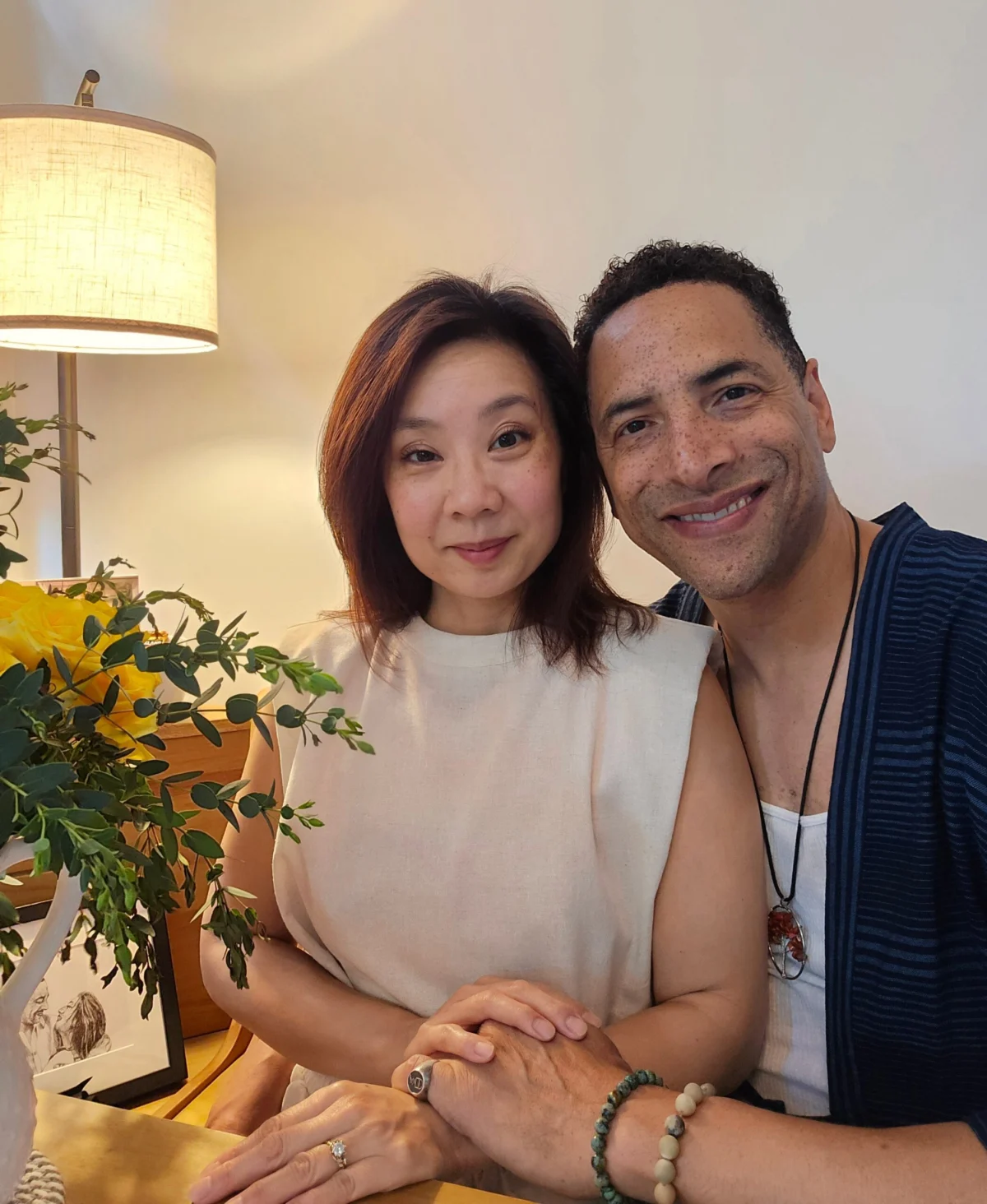
"The true challenge of Peyronie’s disease lies not just in the physical curvature, but in the silence that often surrounds it; vulnerability and open communication are the most effective tools for preserving both self-worth and partnership."
Peyronie’s disease is a complex urological condition characterized by the development of fibrous scar tissue inside the penis, which causes curved, painful erections and, in many cases, significant psychological distress. While the physical symptoms are often the primary focus of clinical diagnosis, the condition frequently triggers a profound crisis of identity and intimacy for the men affected. By examining the journey of individuals like David, an actor and musician, we gain insight into the necessity of a holistic approach to treatment—one that integrates medical intervention with emotional transparency and the active involvement of partners.
The Silent Onset of Peyronie’s Disease
For many men, the first signs of Peyronie’s disease are subtle, often dismissed as temporary anomalies or minor injuries. David first noticed changes in his physiology approximately two years ago. Like many in his position, he was initially met with a sense of confusion and a reflexive desire to manage the situation privately. The condition occurs when scar tissue, known as plaque, forms under the skin of the penis within the tunica albuginea—the thick sheath of tissue that surrounds the corpora cavernosa. This plaque is not a typical skin scar; it is a localized area of fibrosis that lacks the elasticity of healthy tissue. When the penis becomes erect, the healthy tissue expands while the plaque remains rigid, resulting in a bend or "curve."
In the early stages, David’s physician noted that it was too early to determine the full trajectory of the condition. This "acute phase" of Peyronie’s can last anywhere from six to 18 months, during which the plaque is still forming and the curvature may progress. Because his initial symptoms were not severe, David opted for a path of self-management. This reaction is common among men who view sexual health through the lens of traditional masculinity, often leading to a "wait and see" approach or an attempt to solve the problem through lifestyle modifications alone.
The Fallacy of Homeopathic Management
David’s first instinct was to treat the condition through holistic means. Living in Philadelphia with his wife, Bi, he focused on exercise, abstaining from alcohol, and maintaining a rigorous diet. His hope was that by improving his overall health, he could regain what he termed a "percentage of straightness." While healthy lifestyle choices are beneficial for cardiovascular health—which is intrinsically linked to erectile function—they are generally insufficient for reversing the physical plaque of Peyronie’s disease.
The pathophysiology of Peyronie’s is often linked to "micro-trauma" during sexual activity or physical exercise, though many patients cannot recall a specific injury. Once the inflammatory response begins and the fibrotic plaque stabilizes, it rarely resolves on its own. David’s experience mirrored this clinical reality; despite his efforts at self-care, the condition progressed. He watched as the curvature in his penis became more pronounced, eventually reaching a "90-degree turn." This physical milestone served as a catalyst, forcing him to move past the hope of a homeopathic "fix" and toward the realization that he was facing a chronic medical issue.
The Psychological Crisis and Masculinity
The impact of Peyronie’s disease extends far beyond the physical. For David, the progression of the curve sparked a deep emotional crisis. "I thought I was losing an entire part of my being as a man," he reflected. This sentiment is echoed by many patients who experience a loss of "virility" or "manhood" when their sexual anatomy changes. The psychological burden of Peyronie’s is well-documented in urological literature, with high rates of depression and anxiety reported among sufferers.
The fear is often two-fold: the fear of physical pain and the fear of relational inadequacy. David worried that he would no longer be able to perform or be intimate with his wife. This internal struggle often leads to withdrawal and isolation, as men feel a sense of shame or embarrassment. For David, the actor and musician, his identity was tied to a sense of performance and self-expression, making the internal "silence" of his condition particularly heavy.
The Turning Point: Radical Transparency
The transition from a private struggle to a shared experience was a turning point for David and Bi. Bi could sense the emotional weight her husband was carrying long before he verbalized the cause. In many relationships, the partner of a man with Peyronie’s disease experiences their own set of anxieties, often wondering if they are the cause of the partner’s withdrawal or if the relationship itself is failing.
When David finally opened up, the result was not the rejection he feared, but a reinforcement of their bond. Bi’s reaction was rooted in empathy rather than judgment. "I was more worried that it was going to be something that hurt him," she noted. Her concern shifted the focus from "performance" to "well-being." This shift is crucial for couples navigating the condition. By removing the pressure of a "perfect" physical outcome, they were able to focus on the health of their relationship.
David’s experience highlights a vital truth in managing chronic conditions: transparency is a form of treatment. By sharing his fears, he was able to deconstruct the myth that his value as a man was tied solely to his physical anatomy. This emotional liberation allowed him to seek a second opinion and explore medical interventions with a clearer mind.
Navigating Treatment Options
As David moved into the "chronic phase" of the disease—where the plaque has stabilized and the pain has often subsided, but the curvature remains—he began discussing treatment options with his urologist. The medical landscape for Peyronie’s disease offers several pathways, each with its own set of benefits and risks.
- Injections: One of the most common non-surgical treatments involves injections of collagenase clostridium histolyticum (commercially known as Xiaflex). This enzyme works by breaking down the peptide bonds in collagen, effectively "dissolving" the plaque. This is usually paired with manual modeling to help straighten the penis.
- Surgical Intervention: For severe cases like David’s 90-degree curve, surgery may be the most effective route. Procedures include "plication," where the side opposite the plaque is shortened to straighten the penis, or "grafting," where the plaque is removed and replaced with a patch of tissue.
- Vacuum Devices and Traction: Some doctors recommend mechanical traction devices to gradually stretch the plaque and reduce the degree of curvature over time.
- Watchful Waiting: In cases where the curve does not interfere with sexual function or cause pain, some men choose to leave the condition alone.
David is currently in the process of weighing these options. His decision-making process is no longer driven by desperation or a sense of "brokenness," but by a calculated assessment of his quality of life and his goals for the future.
Redefining Intimacy
One of the most significant adjustments David and Bi had to make involved their physical relationship. Peyronie’s disease often necessitates a change in the mechanics of sex. Spontaneity may be replaced by "planning and scheduling," as Bi described. This shift can be difficult for couples who equate passion with impulsivity.
However, David and Bi found that this new level of communication actually deepened their connection. They learned that intimacy is a broad spectrum that includes, but is not limited to, intercourse. By adapting their physical approach and maintaining an open dialogue about what felt comfortable and what caused pain, they ensured that the condition did not end their sex life, but rather evolved it. "It doesn’t change the fact that I love him and I’m so attracted to him," Bi stated, reinforcing the idea that attraction is rooted in the person, not just the anatomy.
A Philosophy of Resilience
David’s journey with Peyronie’s disease has ultimately led him to a place of profound personal growth. He speaks of "feeding the strength" and "starving the negative." This mindset is essential for anyone facing a chronic health challenge. By refusing to wallow in the "depths" of the situation, David has maintained his career, his home life, and his sense of self.
He views his situation through a lens of gratitude, noting that he is blessed with a loving partner and a stable life. This perspective is a powerful tool against the depression that so often accompanies Peyronie’s. David’s story serves as a roadmap for other men: seek medical advice early, involve your partner in the process, and remember that your identity is far more than the sum of your physical parts.
The case of David and Bi demonstrates that while Peyronie’s disease is a physical ailment, its resolution is often found in the emotional realm. Through patience, love, and radical honesty, they have navigated a 90-degree turn in their lives, coming out on the other side with a relationship—and a sense of self—that is stronger than ever.
