
"Modern male masturbators have transcended basic functionality to offer sophisticated, personalized experiences that prioritize sensory variety, technological integration, and anatomical precision."

The landscape of male sexual wellness has undergone a significant transformation, moving away from the periphery of "novelty" items toward a central role in holistic self-care. As the stigma surrounding male pleasure continues to dissolve, a new generation of devices has emerged, designed not merely for climax but for the exploration of diverse sensations, the improvement of sexual stamina, and the integration of advanced technologies like AI and sonic pulses.
For decades, the market for male masturbation sleeves was relatively stagnant, dominated by a handful of designs that offered little more than basic friction. However, the contemporary era of sexual health emphasizes the importance of variety and body-safe materials. Experts suggest that diversifying one’s masturbation routine is not just about avoiding boredom; it is a vital component of maintaining sexual sensitivity and preventing "delayed ejaculation" or "death grip syndrome," where an individual becomes desensitized to anything other than a specific, often overly tight, manual grip.

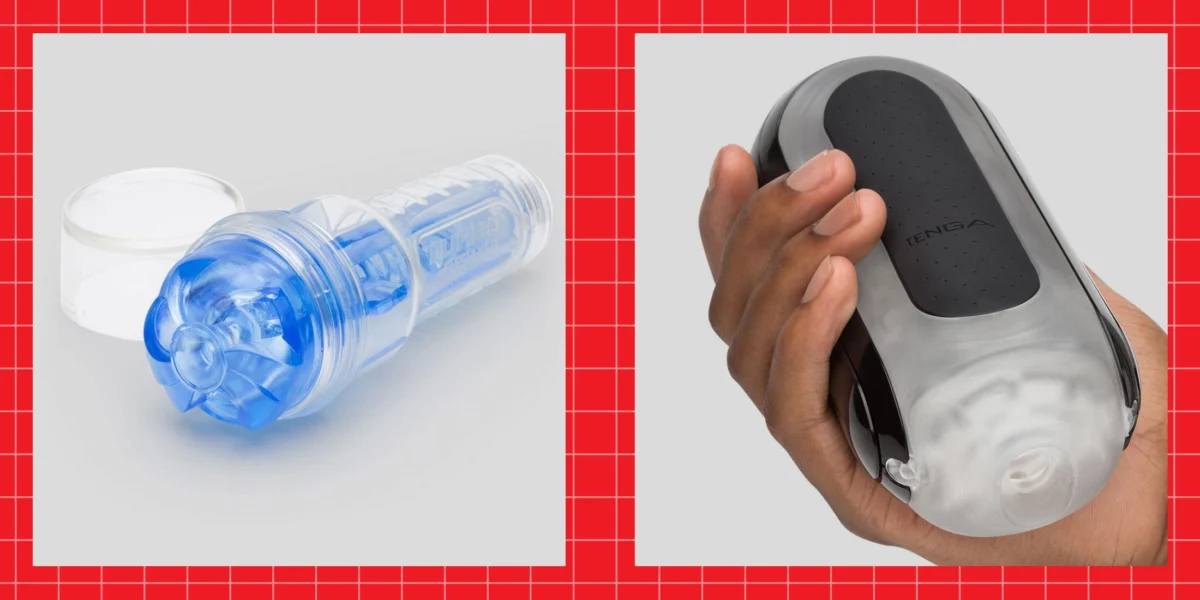
One of the most prominent names in this technological shift is Tenga, a Japanese brand that revolutionized the industry with its focus on discreet, high-quality engineering. Their Tenga Flip Zero represents a pinnacle of "low-tech" innovation. Unlike electronic devices that rely on motors, the Flip Zero focuses on the physics of internal architecture. It features four unique internal textures and shapes that create varying levels of pressure and sensation. According to Zachary Zane, a sex expert and veteran product tester, the diversity of these sensations is crucial. He notes that the device’s ability to "flip open" solves one of the most persistent issues in the industry: hygiene. By allowing the user to fully open the sleeve, the device can be thoroughly cleaned and air-dried, preventing the bacterial growth that often plagues older, closed-tube models.
While Tenga focuses on structural variety, the Fleshlight remains the most recognizable name in the industry. Since its debut in 1997, the brand has been the gold standard for realism, yet it has faced criticism for being bulky or difficult to maintain. The Fleshlight Turbo Thruster is a modern response to these critiques. Designed for a "big payoff," the Turbo Thruster utilizes advanced internal "ribbing" and a suction-control cap that allows users to adjust the vacuum pressure. While reviewers note a steeper learning curve—often requiring external tutorials for setup and cleaning—the intensity of the experience remains unmatched for those seeking a "premium and advanced" finish.

For individuals hesitant to invest significant capital into sexual wellness, the industry has developed high-quality entry-level options. The Tenga Egg series provides a low-cost, disposable gateway into the world of textured sleeves. Made from highly elastic Thermoplastic Elastomer (TPE), these devices are deceptively small but can stretch to accommodate any size. Beyond the physical benefits, these products often carry a social message; for instance, the Pride Edition of the Tenga Egg directs 100 percent of its profits to LGBTQ+ organizations, aligning sexual health with social advocacy.
The high-end market, conversely, is currently being shaped by "Pleasure Tech." Brands like LELO have introduced devices like the F1S V3, which incorporate SenSonic technology. Rather than traditional surface-level vibrations, these devices transmit sonic pulses that penetrate deep into the tissue of the shaft. The F1S V3 is notably equipped with AI interactive capabilities. Through an integrated app, the device "learns" the user’s movements and preferences, adjusting its vibration patterns in real-time to create a customized experience. This level of data-driven pleasure represents a significant leap forward, offering long-distance connectivity that allows partners to control the device from anywhere in the world via Bluetooth.

Parallel to the rise of AI is the development of pressure-based stimulation. The Arcwave Voy, for example, eschews vibrations entirely in favor of adjustable tightness. Justin Lehmiller, PhD, a senior research fellow at the Kinsey Institute, emphasizes that the ability to adjust "grip tightness" is a critical feature for many men. The Voy features eight different settings that physically constrict or expand the internal sleeve, allowing for a level of manual control that mimics human touch more closely than a motor ever could. Furthermore, its open-ended design makes it a versatile tool for partnered play, allowing for simultaneous oral stimulation while the device provides base-level pressure.
Perhaps the most anatomically specific innovation in recent years is the Arcwave Ion 2. While many strokers focus on the entire shaft, the Ion 2 targets the frenulum—the highly sensitive area on the underside of the penis where the head meets the shaft. Utilizing "Pleasure Air" technology—a concept originally popularized in clitoral stimulators—the Ion 2 uses pulsating airwaves to stimulate nerve endings without direct, abrasive contact. This method of stimulation is often described as "weightless" and offers a unique sensation that traditional friction-based toys cannot replicate.

As the industry matures, the focus has also shifted toward the materials used in construction. Modern consumers are increasingly demanding body-safe, non-porous materials like medical-grade silicone. Unlike cheaper materials that can harbor bacteria or contain phthalates, silicone is easy to sterilize and lasts for years. This shift reflects a broader trend in the "wellness" economy, where the safety and longevity of a product are as important as its immediate performance.
The implications of these advancements extend beyond simple gratification. Medical professionals often cite regular masturbation as a factor in prostate health, stress reduction, and improved sleep quality. By providing tools that make this practice more engaging and less repetitive, the sexual wellness industry is contributing to a more robust understanding of male health.

In conclusion, the current market for male masturbators is defined by a spectrum of choice. Whether a user seeks the low-tech, textured variety of the Tenga Flip Zero, the AI-driven customization of the LELO F1S, or the targeted air-pulse technology of the Arcwave Ion 2, the goal remains the same: a more informed, healthy, and pleasurable relationship with one’s own body. As technology continues to evolve, the line between sexual wellness and general health will likely continue to blur, ushering in an era where the pursuit of pleasure is recognized as a fundamental aspect of the human experience.
