
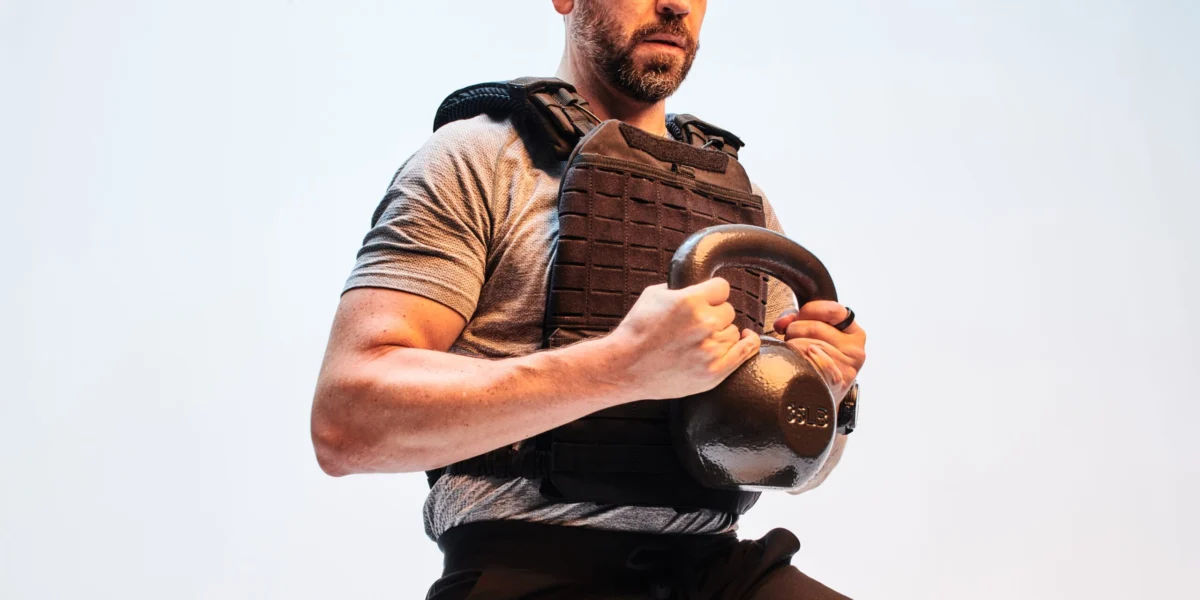
"The modern weighted vest has evolved from a simple military-style burden into a precision-engineered training tool designed to enhance explosive power and metabolic conditioning without compromising natural biomechanics."

Weighted vest training is one of the most effective methods for introducing progressive overload to bodyweight exercises, hiking, and metabolic conditioning. By adding external resistance directly to the torso, athletes can increase bone density, improve cardiovascular endurance, and heighten the caloric burn of standard movements. However, the market has expanded beyond the bulky, one-size-fits-all models of the past. Today’s options range from streamlined plate carriers designed for high-intensity CrossFit workouts to "micro-load" vests that distribute weight evenly across the body for agility and speed drills. Choosing the right vest requires an understanding of how weight distribution, material durability, and adjustability impact specific training goals.
The Evolution of the Plate Carrier: REP Fitness and Wolf Tactical
In the realm of functional fitness and CrossFit, the plate carrier remains the gold standard. These vests are modeled after ballistic armor carriers used by military personnel, designed to hold heavy steel plates close to the chest and back. The REP Fitness Strata Weight Vest ($88) represents a significant advancement in this category. While many plate carriers suffer from a boxy, restrictive fit, the Strata utilizes a three-point tightening system. Beyond the standard waist wrap, it features adjustable shoulder cinches that prevent the vest from bouncing during high-impact movements like box jumps or sprints.

A standout feature of the Strata is the optional curved plates developed by REP Fitness. Unlike flat steel plates that can feel awkward against the ribcage, these curved designs conform to the body’s natural shape. This ergonomic adjustment is particularly beneficial during pull-ups and push-ups, where a shifting weight can disrupt a trainee’s center of gravity. Constructed from 750D Cordura Nylon, the Strata is built for extreme abrasion resistance, making it a durable choice for athletes who train in rugged environments.
For those specifically targeting military-themed challenges like "The Murph"—a workout consisting of a one-mile run, 100 pull-ups, 200 push-ups, and 300 squats, followed by another mile—the Wolf Tactical Plate Carrier (~$101) is a formidable competitor. It leans into the "hardcore" aesthetic, utilizing 600D material and MOLLE (Modular Lightweight Load-carrying Equipment) panels for attaching extra gear. Wolf Tactical’s plate-locking system is notably secure, addressing a common "pain point" where weights shift during dynamic movements. For athletes looking to scale their intensity, this vest can accommodate loads ranging from 14 to 42 pounds, provided the user purchases the corresponding plates.

Agility and Explosive Power: The Omorpho and Hyperwear Approach
Not every workout requires the heavy, concentrated load of a plate carrier. For athletes focused on change-of-direction drills, leaping ability, and sprinting, a distributed-load vest is often superior. The Omorpho G-Vest Icon ($299) is the pinnacle of this philosophy. Instead of removable plates, the Omorpho uses stainless steel spheres embedded throughout the fabric to ensure equal weight distribution.
Ebenezer Samuel, C.S.C.S. and Fitness Director at Men’s Health, notes that the G-Vest Icon allows for a range of motion that heavier vests simply cannot match. "The Omorpho is light enough that I can do hurdle jumps or work through change-of-direction exercises like skater lunges," Samuel explains. Because the weight is not concentrated in a single block, it moves with the athlete’s skin, reducing the inertia that often leads to joint strain in traditional vests. While it is a premium investment, its ability to build "explosive athleticism" rather than just raw strength makes it a favorite for professional trainers.

Similarly, the Hyperwear Hyper Vest Elite ($260) offers a unique lace-up design that resembles a corset more than a tactical vest. This design allows for a highly customized, skin-tight fit that eliminates all "slop" or movement during exercise. Made from a blend of nylon, Tyvek, and Lycra, the vest is breathable, quick-wicking, and odor-resistant. It comes pre-loaded with 10 pounds of weight but can be expanded up to 32 pounds in larger sizes. Its reputation is backed by its former status as a "Gear of the Year" winner, praised for its ability to "disappear" on the body during long-distance runs.
Tactical Durability and Versatility: 5.11 and TRX
For users who want a middle ground between a heavy plate carrier and a slim agility vest, 5.11 Tactical and TRX offer high-performance hybrids. 5.11 Tactical has a long-standing reputation among armed service members, and their TacTec Trainer Weight Vest ($140) brings that military-grade construction to the fitness world. It is a more streamlined version of their full-sized carriers, featuring breathable mesh body pads that are essential for training in hot climates. The inclusion of a Velcro "admin pocket" for phones and keys adds a layer of practicality for outdoor enthusiasts.

TRX, a brand synonymous with suspension training, enters the market with the Hexgrip Weight Vest ($216). This vest is constructed using Kevlar and Cordura performance fabrics, materials chosen specifically to "bulletproof" the gear against the wear and tear of daily use. The TRX vest utilizes a cross-strap design that remains locked down during vigorous activity. One of its greatest strengths is its incremental adjustability; the 20-pound model allows users to adjust weight in one-pound increments, while the 40-pound model uses two-pound increments. This precision allows for a more granular approach to progressive overload, ensuring the athlete never hits a plateau.
Entry-Level and Specialized Rucking Options
For beginners or those primarily interested in "rucking" (walking with a weighted pack), the APEXUP Weighted Vest ($40) and the GORUCK Ruck Plate Carrier 3.0 ($115) offer accessible entry points. The APEXUP is a fixed-weight vest filled with iron sand, which is denser and more moisture-resistant than standard sand. It is an excellent choice for beginners following the "5 to 10 percent of body weight" rule. While it may shift during high-intensity moves like burpees, its soft neoprene construction makes it exceptionally comfortable for long walks and basic strength movements like squats and lunges.

The GORUCK Ruck Plate Carrier 3.0, meanwhile, takes a different approach by mimicking the feel of a backpack. Army veteran Erik Bartell prefers this design for high-capacity workouts, noting that the backpack silhouette spreads the load more evenly across the back. It features ergonomic lumbar support and non-abrasive fabric, making it comfortable enough to wear against bare skin. While it is not ideal for exercises that require a front-load (like push-ups), it is arguably the best tool on the market for pure rucking and long-distance endurance training.
Technical Considerations: Materials and Maintenance
When selecting a weighted vest, the choice of material is as important as the weight itself. High-denier fabrics like 750D Cordura or 600D Nylon are preferred for their "denier" count, which measures the thickness of the fibers. Higher denier counts generally equate to better resistance against tearing and abrasion. Breathability is another critical factor; vests that incorporate mesh panels or open-side designs prevent the core body temperature from rising too rapidly, which can impede performance.

Maintenance is often overlooked but essential for gear longevity. Vests filled with iron sand or fixed weights are typically more difficult to clean, often requiring spot-cleaning with mild detergent. In contrast, plate carriers allow the user to remove the weights entirely, making the fabric shell machine-washable. For athletes training multiple times a week, the ability to sanitize the gear is a significant hygiene advantage.
Ultimately, the best weighted vest is the one that aligns with the user’s specific training modality. Whether it is the rugged, tactical feel of a 5.11 carrier or the high-tech, distributed load of an Omorpho, the right vest transforms a standard workout into a high-performance training session, pushing the boundaries of what the human body can achieve under pressure.
