
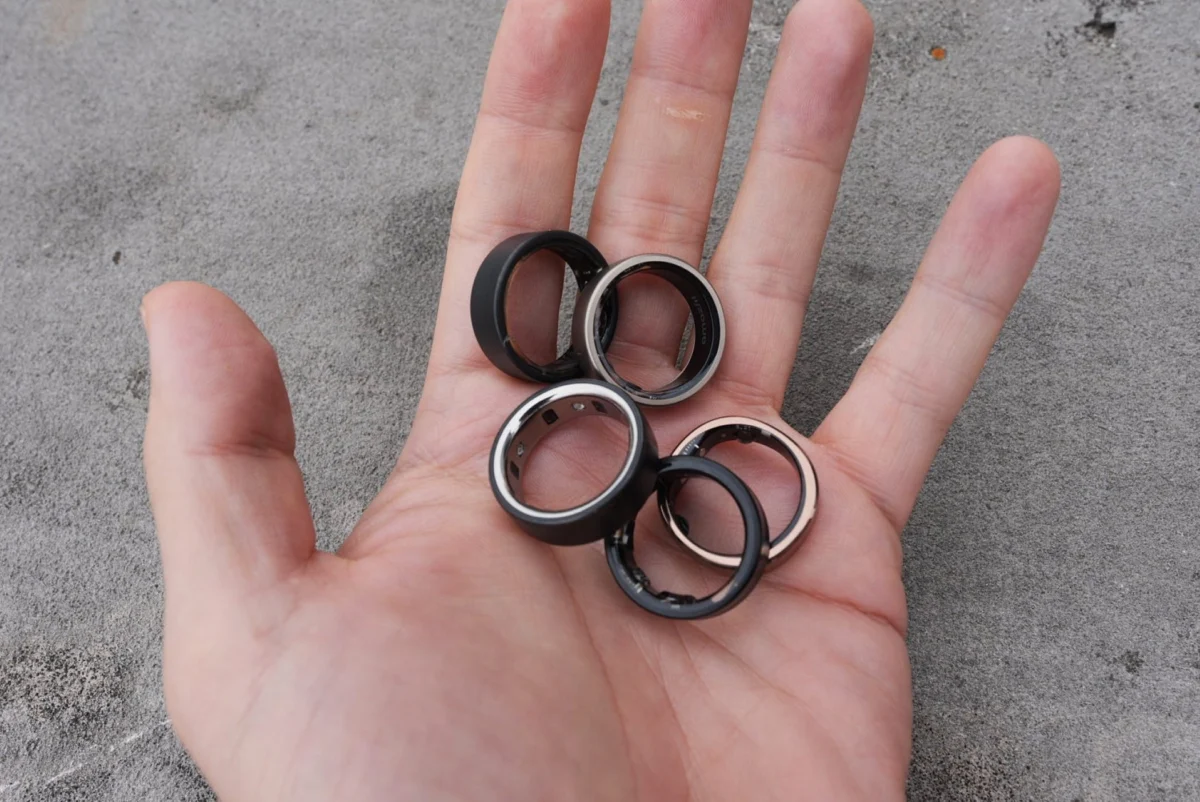
"The shift from wrist-based trackers to biometric rings marks a new era of ‘invisible’ health monitoring, prioritizing long-term recovery and sleep data without the distraction of a digital screen. By moving sensors from the wrist to the finger, these devices offer a more intimate and accurate look at our internal physiology, turning passive data into actionable lifestyle changes."
As the wearable technology market matures, consumers are increasingly moving away from the bulky, notification-heavy interface of smartwatches in favor of the discreet, focused utility of smart rings. These devices capitalize on the thin skin and high vascularity of the fingers to provide medical-grade insights into heart rate variability, sleep architecture, and stress levels. While Oura has long stood as the undisputed leader of this category, a new wave of competitors—ranging from tech giants like Samsung to budget-conscious innovators like Amazfit—has created a diverse landscape where users can choose between high-end subscription models and affordable, one-time-purchase hardware.

The New Benchmark: Oura Ring 5
The Oura Ring 5 represents the pinnacle of smart ring engineering, maintaining the brand’s position at the top of the hierarchy despite an increasingly crowded market. The most significant evolution in the fifth generation is the move toward a completely "smooth" interior. Previous models relied on tangible sensor nodes that pressed against the skin; the Ring 5 has integrated these sensors into the inner lining, resulting in a sleeker, thinner, and more comfortable fit that feels indistinguishable from a traditional piece of jewelry.
Technically, the Oura Ring 5 is a powerhouse. It tracks temperature variation, blood oxygen levels (SpO2), heart rate variability (HRV), and resting heart rate with industry-leading precision. Its sleep analysis remains its "killer feature," breaking down sleep into REM, deep, and light stages while providing a "Readiness Score" each morning. This score has become a cult favorite among bio-hackers and athletes, as it tells the user whether to push through a hard workout or prioritize rest.
The Oura ecosystem is driven by an intuitive app that presents complex biological data in a digestible format. However, the premium experience comes with a caveat: a $5.99 monthly subscription is required to unlock the full suite of insights. For those who view health as a long-term investment, the Oura Ring 5’s 9-day battery life and refined algorithmic improvements make it the most reliable companion on the market.

The Value Alternative: RingConn Gen 2 Air
For users who are "subscription-weary," the RingConn Gen 2 Air has emerged as a formidable challenger. At roughly half the price of the Oura and with no recurring monthly fees, it offers a "buy once, own forever" model that is increasingly rare in the tech world. The Gen 2 Air is remarkably thin at just 2mm, making it one of the lightest rings available.
RingConn’s standout reputation often involves its work in sleep apnea detection. While the "Air" model focuses primarily on lightness and comfort, it still provides an impressive array of metrics, including movement tracking, breathing irregularities, and sleep stage analysis. Its battery life is a standout feature, lasting up to 10 days on a single charge—outperforming even the Oura Ring 5.
The primary trade-off with the RingConn lies in its fitness tracking. While it can log heart rate zones and general activity, its exercise auto-detection is still in its infancy. For a serious runner or a CrossFit enthusiast, the RingConn may feel too basic. However, for the user focused on overnight recovery and general wellness without the burden of a monthly bill, the Gen 2 Air is a masterclass in value engineering.

The Ecosystem Powerhouse: Samsung Galaxy Ring
Samsung’s entry into the smart ring space was one of the most anticipated tech launches of the decade. The Galaxy Ring is designed specifically for the Android ecosystem, with a deep integration into Samsung Health that makes it a natural extension for Galaxy phone users. Crafted from lightweight titanium and featuring a concave design to resist scratches, the Galaxy Ring is built for durability.
Samsung has differentiated itself through "Galaxy AI," which synthesizes data to provide unique insights like the "Sleep Animal." By assigning users an animal persona—such as a turtle for those with interrupted sleep or a dog for consistent sleepers—Samsung gamifies the recovery process. More importantly, the AI provides a "proposed plan of action" to improve metrics, moving the device from a passive recorder to an active health coach.
Currently, the Galaxy Ring does not require a subscription, though industry analysts speculate that premium AI features may eventually move behind a paywall. For now, it offers a robust, titanium-clad experience that is particularly effective for users who want their ring to communicate seamlessly with their other Samsung devices.

The Budget Pioneer: Amazfit Helio Ring
Amazfit has built a reputation for delivering "pro-level" specs at "entry-level" prices, and the Helio Ring is no exception. Priced under $200 and requiring no subscription fee, the Helio Ring is the ideal "starter" smart ring. It is particularly effective for those already using the Amazfit ecosystem, such as owners of the T-Rex 3 rugged watch.
The Helio Ring covers the essentials: sleep tracking, readiness scoring, and heart rate monitoring. It even includes built-in AI coaching, though the insights are generally considered more surface-level compared to Oura’s deep-dive analytics. The design is sleek, using a durable titanium exterior that belies its budget-friendly price point. While the app may lack the polish of its more expensive competitors, the Helio Ring provides a low-barrier entry into the world of wearable health tech.
The Legacy Choice: Oura Ring 4
With the release of the Ring 5, the Oura Ring 4 has transitioned into a "legacy" role, often available at a significant discount. For many users, the Ring 4 remains the perfect balance of technology and tactile feedback. It features a slightly thicker profile (2.88mm) and the signature sensor nodes that some users actually prefer, as they feel more "secure" and less likely to rotate on the finger.

The Ring 4 still utilizes the same world-class Oura app and tracks over 40 workout modes. For those who want the Oura experience but are working with a tighter budget, the Ring 4 offers nearly all the same biological insights as the Ring 5, including HRV and stress detection, in a slightly more substantial form factor.
The Future Frontier: Ultrahuman Ring Pro
The smart ring market is not without its drama. The Ultrahuman Ring AIR, a previous favorite for its no-subscription model, was recently pulled from the U.S. market following a legal dispute. In its place, the brand has launched the Ultrahuman Ring Pro.
Currently in the pre-order phase, the Ring Pro promises to push the boundaries of battery life and advanced metabolic insights. Ultrahuman has historically focused on "Power Plugs"—mini-apps within their ecosystem that allow users to track specific metrics like caffeine metabolism or circadian rhythm alignment. The Ring Pro is expected to refine this experience, offering a more streamlined app and even more durable hardware.

Choosing the Right Ring: A Technical Comparison
When selecting a smart ring, three factors usually dictate the decision: connectivity, subscription preference, and primary use case.
- Connectivity: If you are an iPhone user, Oura remains the gold standard. If you are a dedicated Samsung user, the Galaxy Ring offers an integration level that is hard to beat.
- The Subscription Question: Oura and Ultrahuman (to an extent) represent the "Data as a Service" model, where you pay for ongoing analysis. RingConn and Amazfit represent the "Hardware First" model, which is better for those who want to avoid recurring costs.
- Form Factor: The difference between 2mm (RingConn) and 2.88mm (Oura Ring 4) may seem negligible, but on a finger, it is the difference between a ring you forget you’re wearing and one that feels like a piece of equipment.
As sensor technology continues to shrink, the smart ring is poised to become the primary health-tracking device for the general population. By focusing on the "quiet" hours of the night and the subtle rhythms of the heart, these rings are teaching us that health isn’t just about how hard we work out—it’s about how well we recover. Whether you choose the refined elegance of the Oura Ring 5 or the rugged value of the RingConn Gen 2 Air, the goal remains the same: a deeper, data-driven understanding of the body.
