
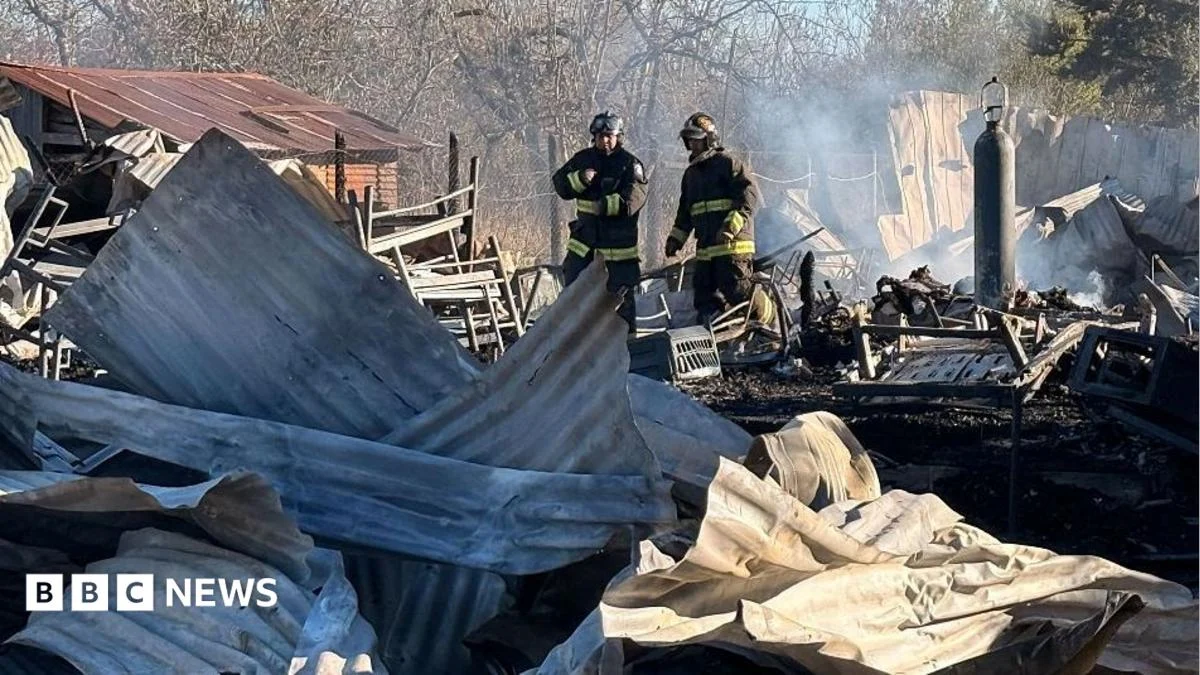
The devastating fire at El Edén nursing home, which tragically claimed 16 elderly lives, starkly underscores the critical need for rigorous safety standards and robust oversight in elder care facilities across Chile. This profound loss has prompted a swift national directive for a comprehensive review of nursing home conditions, aiming to identify systemic failures and prevent future catastrophes.
The nation reeled from profound shock and grief following a catastrophic fire at the El Edén nursing home in a community approximately 640 kilometers (400 miles) south of Santiago, Chile’s capital. The inferno, which erupted on a Friday evening, resulted in the tragic deaths of at least 16 elderly residents, marking one of the most severe care facility disasters in recent Chilean history. In its immediate aftermath, ten other residents were successfully evacuated, their lives spared from the encroaching flames, yet forever scarred by the night’s horrors. The incident has cast a somber light on the safety protocols and regulatory frameworks governing elder care institutions, galvanizing a national response from the highest levels of government.
The blaze ignited around 22:30 local time (01:30 GMT Saturday), quickly engulfing parts of the facility and trapping many of its vulnerable occupants. Firefighters battled through the night, facing immense challenges exacerbated by the age and mobility limitations of the residents. The arduous operation continued until the early hours of Saturday morning, when the fire was finally brought under control. However, the grim task of sifting through the wreckage began almost immediately, revealing the extent of the devastation. Emergency crews, later joined by police and forensic investigators, cordoned off the area as they navigated through charred debris and collapsed corrugated metal roofing, a stark testament to the fire’s intensity.
Prosecutor Jorge Granada, leading the intricate investigation into the tragedy, confirmed that the precise cause of the incident remained unclear in the initial stages. The investigation is expected to be comprehensive, involving forensic analysis of the fire scene, examination of electrical systems, heating units, and potential ignition sources. Investigators will meticulously review the building’s structural integrity, safety certificates, maintenance logs, and compliance with national fire codes. Expert testimonies, witness statements from survivors, staff, and first responders will also be crucial in piecing together the events that led to such a devastating outcome. This process often takes considerable time, given the complexity of fire dynamics and the need for absolute certainty in determining causality.
The sheer scale of the loss prompted an immediate and decisive response from the Chilean government. President José Antonio Kast publicly expressed his profound sorrow and announced that he had ordered a nationwide review into the condition of all nursing homes across the country. This directive signals a critical moment for elder care oversight in Chile, suggesting a potential paradigm shift towards more stringent regulations and enforcement. President Kast emphasized the government’s unwavering commitment to transparency and accountability, stating, "We will fully collaborate with the justice system to clarify what happened, determine where failures may have existed in oversight or prevention, identify what alerts were raised and what actions were taken in response to them." His words underscored the gravity of the situation and the national resolve to uncover any systemic shortcomings that may have contributed to the disaster.
The President further articulated the broader implications of the tragedy, highlighting the imperative for systemic change: "We need to know the truth and, based on that, correct whatever is necessary to do everything possible to prevent a tragedy like this from happening again." This statement suggests that the review will likely extend beyond individual culpability, examining the adequacy of current legislation, the frequency and thoroughness of inspections, the training of care home staff in emergency protocols, and the availability of appropriate safety infrastructure such as automatic sprinkler systems, smoke detectors, and clearly marked, accessible emergency exits. The vulnerability of elderly residents, particularly those with mobility issues or cognitive impairments, makes these facilities inherently high-risk environments in the event of a fire, necessitating the highest standards of protection.
The challenges faced by firefighters and emergency responders were considerable. Responding to a fire in a residential care facility presents unique complexities. The primary concern is the safe evacuation of occupants, many of whom may be bedridden, require assistance to move, or suffer from dementia, making rapid and independent evacuation impossible. The structure of nursing homes, often older buildings converted for care purposes, can also pose challenges, with potential for rapid fire spread, limited fire compartmentalization, and outdated wiring or heating systems. The long duration of the fire, lasting from late Friday evening until Saturday morning, indicates a significant and deep-seated blaze that was difficult to extinguish, likely due to combustible materials and the spread within the building’s fabric.
The human toll of the fire extends far beyond the immediate casualties. Local mayor Jacqueline Romero articulated the deep emotional impact on the community, stating, "It is a situation that fills our souls with great sorrow and pain. We have been… providing support to the families." The grief of the families of the deceased is immeasurable, compounded by the sudden and tragic nature of their loss. For the ten survivors, the experience of escaping the inferno will undoubtedly leave lasting psychological scars, necessitating extensive emotional and psychological support. The community itself, often deeply connected to its elder care facilities, grapples with the shock and sorrow, leading to a collective sense of mourning and a profound desire for answers and accountability. First responders, who witnessed the horrific scene and faced the daunting task of rescuing residents amidst the flames, may also require critical incident stress debriefing and ongoing psychological support.
This tragedy brings into sharp focus the critical importance of robust fire safety regulations specifically tailored for elder care facilities. Globally, such incidents highlight recurring vulnerabilities. Best practices often include mandatory sprinkler systems, fire-resistant construction materials, regular and unannounced fire drills, comprehensive staff training in emergency evacuation procedures, and up-to-date fire alarm and detection systems directly linked to emergency services. Furthermore, regular independent safety audits, beyond government inspections, can provide an additional layer of scrutiny and help identify potential hazards before they escalate.
The national review ordered by President Kast is expected to delve into these critical areas. It will likely assess whether existing Chilean regulations meet international standards and whether enforcement mechanisms are sufficiently robust. Potential outcomes could include legislative changes to mandate specific safety upgrades, increased funding for facility improvements, enhanced training programs for care staff, and a more rigorous schedule of inspections with stricter penalties for non-compliance. The review might also consider the role of technology in improving safety, such as advanced fire suppression systems and remote monitoring capabilities.
Ultimately, the fire at El Edén nursing home serves as a poignant and tragic reminder of the sacred trust placed in institutions that care for the most vulnerable members of society. As the investigations unfold and the national review progresses, the imperative remains to not only understand the causes of this specific disaster but to translate those lessons into concrete, actionable measures that ensure the safety, dignity, and protection of all elderly residents in care facilities across Chile. The nation mourns its lost elders, but from this sorrow emerges a determined resolve to prevent such a devastating loss of life from ever happening again.
