
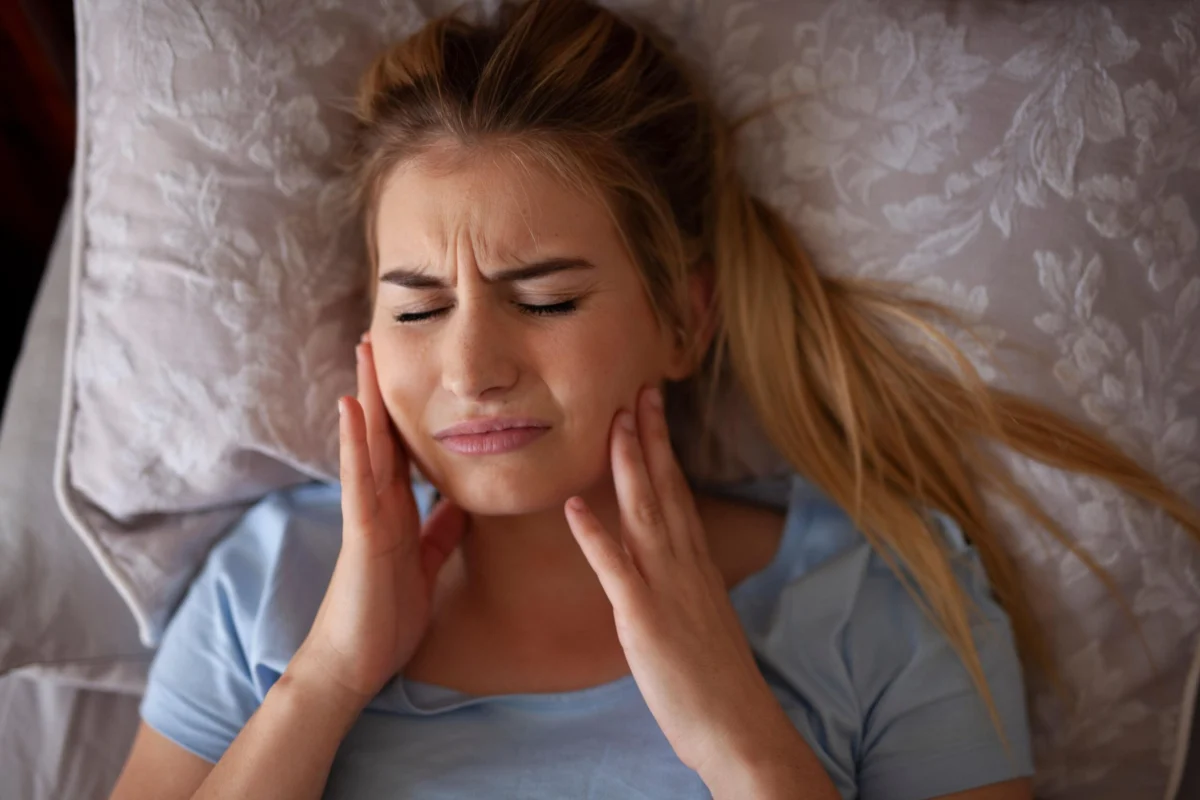
"Often unrecognized and increasingly prevalent, bruxism is far more than just a dental issue; it’s a complex biopsychosocial condition deeply intertwined with stress, demanding a holistic approach to safeguard both oral health and overall quality of life."
Bruxism, the involuntary grinding, clenching, bracing, or thrusting of teeth, is emerging as a significant, yet frequently undiagnosed, health concern affecting millions worldwide. While anecdotal evidence points to a concerning rise, particularly among younger demographics, many individuals remain unaware they suffer from the condition until its often debilitating symptoms manifest. This pervasive habit, often a subconscious response to daily stressors, can lead to excruciating pain, irreversible dental damage, and a profound impact on an individual’s physical and mental wellbeing, highlighting the critical need for greater awareness and comprehensive treatment strategies.

For 31-year-old Ella, the insidious progression of nocturnal bruxism became a defining and distressing chapter of her life. The precise moment she began grinding her teeth at night remains elusive, but the vivid memory of the agonizing jaw ache, persistent headaches, and the alarming news from her dentist that her molars were literally disappearing is seared into her consciousness. "I was in so much pain," Ella recounts, her voice reflecting the severity of her past suffering. "My face was changing shape, and my teeth were at risk of breaking – I knew I had to do something about it." Ella’s struggle underscores the severe physical and aesthetic consequences of uncontrolled bruxism, a condition that, left unaddressed, can drastically compromise oral health and alter facial structure due to the hypertrophy of the masseter muscles. Her journey from chronic pain and dental deterioration to a life transformed by targeted treatment serves as a powerful testament to the potential for relief and recovery.
Studies suggest that nearly one in four people experience bruxism, a staggering figure that points to its widespread prevalence. Despite this, a significant portion of those affected remain oblivious to their condition until symptoms become too severe to ignore. The British Dental Association notes an increase in anecdotal reports of bruxism, although precise statistical figures remain elusive. However, dental professionals across the UK are voicing growing concern over the rising number of young patients presenting with severe dental problems directly attributable to incessant teeth grinding and clenching. Dr. Aditi Desai, president of the British Society of Dental Sleep Medicine (BSDSM), unequivocally states, "It is definitely on the rise. And it’s no surprise given that life itself nowadays can be so stressful." This observation highlights the profound link between modern life’s pressures and the physiological manifestations of stress.
Bruxism is not a monolithic condition; it encompasses four distinct jaw movements: clenching (tightening the jaw muscles), grinding (rubbing teeth together), bracing (holding the jaw stiffly), and thrusting (moving the jaw forward). These actions can occur during the day, often subconsciously, or at night during sleep, sometimes with such force that it can disturb a bed partner or even damage protective mouthguards. Identifying bruxism can be challenging given its often unconscious nature, but common indicators include:

- Chronic jaw pain, stiffness, or tenderness, especially upon waking.
- Persistent headaches, particularly tension headaches originating from the temples.
- Earaches, often misdiagnosed, stemming from jaw muscle strain.
- Flattened, fractured, chipped, or loose teeth.
- Increased tooth sensitivity to hot or cold stimuli.
- Enlarged masseter muscles, leading to a wider or more square facial appearance.
- Clicking or popping sounds in the temporomandibular joint (TMJ).
- Indentations on the tongue or cheek lining.
- Disrupted sleep patterns for the individual or their partner due to grinding noises.
The psychological roots of bruxism are increasingly recognized. The British Association for Counselling and Psychotherapy reports a rise in discussions about teeth grinding in therapy sessions, indicating a greater public awareness of the mind-body connection. Psychotherapist Rahi Popat observes that more clients, particularly younger individuals, are recognizing their bruxism and often linking its onset or intensification to periods of significant stress. He explains that trauma and stress trigger the body’s "fight or flight" response, leading to an elevated heart rate, adrenaline release, and generalized muscle tension. Given the intricate connection between the jaw and the nervous system via major cranial nerves, the jaw muscles frequently bear the brunt of this physiological readiness. "If we do it overnight, it’s a way of our bodies releasing some of the stress and tension we might have felt through the day," Popat elucidates, framing nocturnal bruxism as a somatic release valve. Ella’s personal experience echoes this sentiment; her "high functioning anxiety," often masked by a busy social life, found its outlet in nocturnal teeth grinding.
Initially, Ella "put up" with the pain throughout her twenties, a common response for many who either underestimate the severity of their condition or are unaware of available treatments. However, a stark warning from her dentist about the imminent risk to her teeth spurred her to action. She opted for Botox injections into her masseter muscles, a treatment not routinely offered on the NHS but one that she credits with dramatically improving her life. The Botox works by temporarily relaxing these powerful jaw muscles, reducing the intensity of clenching and grinding, thereby alleviating tension and pain. This effect typically lasts between three to four months. "Over the past few months, I’ve been able to sleep properly," Ella beams. "I’ve got so much more energy in the mornings, the pain has reduced, and my face is not as square." Her experience highlights the transformative potential of advanced treatments in mitigating bruxism’s debilitating effects.
The physical repercussions of bruxism on dental health can be profound and, in severe cases, irreversible. Dr. Simon Cove, a dentist treating both private and NHS patients, utilizes advanced 3D scanning technology to meticulously assess the wear and tear on his patients’ teeth. "Often people are not even aware they are doing it, but then we get to see the damage," he explains. When teeth are ground down to a significant extent, the treatment required can be exceedingly complex and costly, potentially running into thousands of pounds for restorative work. While such extreme cases may take years to develop and are relatively uncommon, they underscore the importance of early diagnosis and intervention.

Crucially, addressing bruxism extends beyond merely treating its symptoms. Dr. Aditi Desai stresses the importance of identifying the root cause rather than simply prescribing mouthguards. "Too often," she warns, "dentists give out mouthguards without checking why it is happening." This holistic perspective is vital, as bruxism can sometimes be a symptom of more serious underlying conditions, such as obstructive sleep apnoea (OSA). In OSA, the airway repeatedly becomes blocked during sleep, and a patient may unconsciously grind their teeth as a mechanism to move their jaw forward and clear the obstruction, effectively allowing them to breathe again. Prof. Frank Lobbezoo, a leading researcher in the field, points out, "That’s a very good example of why bruxism can keep you alive."
Indeed, despite its negative connotations, bruxism is not always the "bad guy." Prof. Lobbezoo highlights its lesser-known beneficial roles. Jaw muscle movement, often associated with bruxism, plays a crucial role in stimulating the large salivary glands. Saliva is essential for cleansing the mouth, protecting teeth from decay, and initiating the digestive process. Furthermore, some emerging research suggests a potential link between chewing and cognitive function. "We know this in animals, and our preliminary research is showing it in humans," Lobbezoo notes. "By working our jaw muscles, we are stimulating blood flow to the brain," hinting at possible cognitive benefits, though more research is needed to fully understand this connection in humans. However, these potential benefits do not outweigh the significant detriment caused by chronic, severe bruxism, which can lead to debilitating pain and extensive dental damage.
Dentist Riaz Yar, a specialist in prosthodontics, regularly treats patients grappling with the severe consequences of bruxism, including extensively worn, cracked, or fractured teeth, and recurrent failures of previous dental work. Many of these patients also present with chronic jaw or facial pain and report disturbed sleep. Yar emphasizes that these symptoms must be assessed individually, rather than solely attributing them to grinding. He explains that the understanding of bruxism has evolved considerably. Historically viewed as a purely mechanical problem of the jaw, there is now compelling evidence that it is far more intricate. It is a "biopsychosocial issue," driven by the brain and nervous system, and profoundly shaped by the individual’s overall health and lifestyle. This necessitates a comprehensive, multidisciplinary approach to diagnosis and treatment.

A truly effective treatment strategy for bruxism involves a detailed assessment of the whole person. This includes evaluating sleep patterns, dietary habits, weight, exercise routines, and any medications being taken, as well as screening for underlying sleep disorders. Many factors can contribute to the development or exacerbation of bruxism, making a tailored, multifaceted approach essential.
Practical strategies to manage and treat bruxism include:
- Custom-fitted mouthguards or splints: These protective devices, worn at night, create a barrier between the teeth, absorbing the force of grinding and clenching and preventing further dental wear. However, they manage symptoms rather than addressing the root cause.
- Stress management techniques: Since stress and anxiety are primary triggers, incorporating stress-reducing practices like meditation, mindfulness, yoga, deep breathing exercises, and psychotherapy can be highly effective. Cognitive Behavioral Therapy (CBT) can help individuals identify and modify stress-related behaviors.
- Botox injections: As experienced by Ella, injections into the masseter muscles can significantly reduce muscle activity, alleviating pain and preventing muscle hypertrophy. This is typically a private treatment.
- Physical therapy: Exercises and stretches for the jaw muscles can help reduce tension, improve mobility, and alleviate pain.
- Addressing underlying conditions: Thorough screening for conditions like Obstructive Sleep Apnoea (OSA) is crucial, as treating the OSA (e.g., with a CPAP machine or oral appliance) can often resolve associated bruxism.
- Lifestyle adjustments: Avoiding caffeine and alcohol, especially before bedtime, can help reduce muscle activity. Quitting smoking is also recommended.
- Conscious relaxation: For daytime clenching, developing an awareness of jaw tension and consciously relaxing the jaw throughout the day can be beneficial.
- Regular dental check-ups: Early detection of wear and tear can prevent more extensive damage.
Ella’s journey exemplifies the power of a comprehensive approach. Alongside her muscle-relaxing injections, she has embraced meditation as a tool to mitigate her anxiety and release the chronic tension she carries. "Having treatment has transformed my life," Ella affirms, now motivated to delve deeper. "Now I want to try and figure out the root cause." Her quest underscores the evolving understanding of bruxism: it’s not merely a physical affliction but a complex interplay of physiological and psychological factors. By embracing a holistic perspective, individuals suffering from bruxism can move beyond symptom management towards truly transformative and sustainable relief, reclaiming their dental health, alleviating pain, and improving their overall quality of life. The increasing awareness and multidisciplinary treatment approaches offer hope for a future where the silent epidemic of bruxism is effectively managed and understood.
