
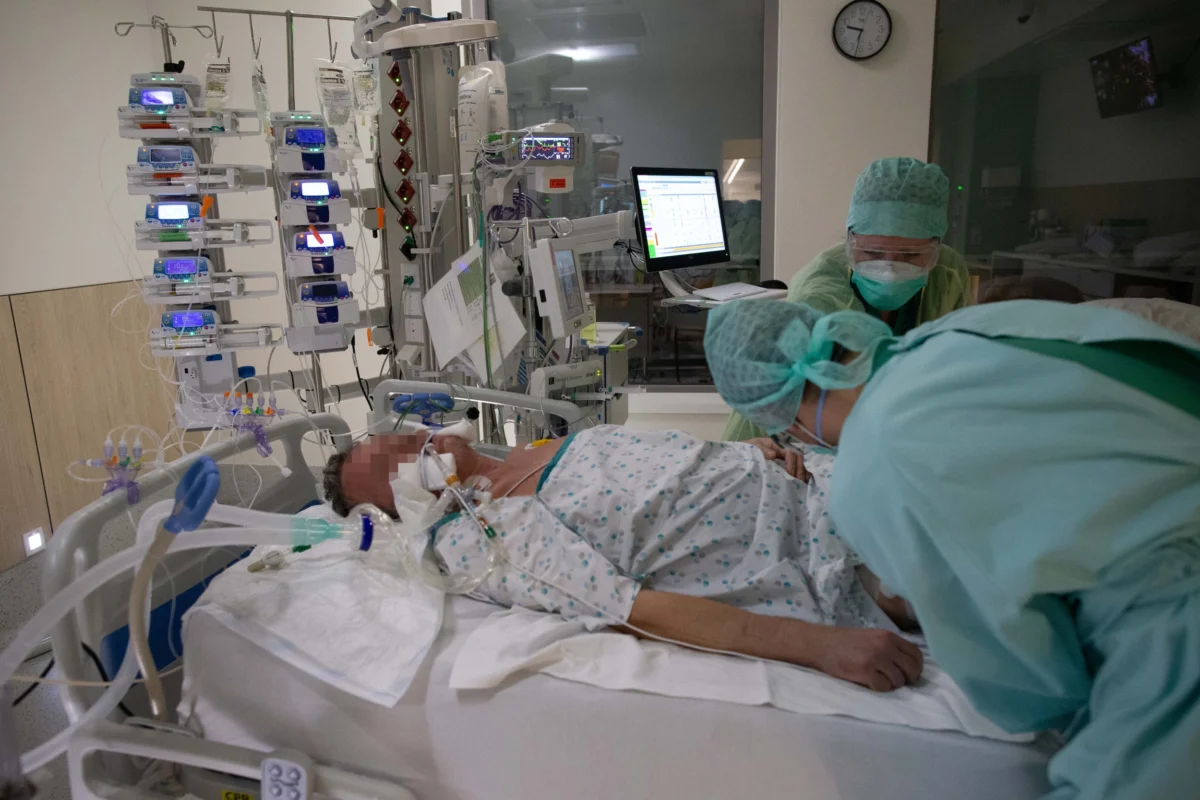
"Patients are urged to proceed with scheduled appointments unless directly contacted by Allina Health, as the health system activates contingency plans to ensure continued care during the upcoming physician strike."
Approximately 150 physicians employed by Allina Health are poised to walk off the job for four days, commencing Monday, September 14, at 7 a.m., and concluding Friday, September 18, at 7 a.m. This work stoppage will impact Allina Health’s Mercy Hospital, located on its Coon Rapids campus, and its Unity campus in Fridley. According to a notice issued by Allina Health for patients, both hospital facilities are slated to remain operational throughout the duration of the strike. The affected physicians, represented by the Doctors Council SEIU, encompass a range of critical specialties, including hospitalists, obstetrician-gynecologists (OB-GYNs), psychiatrists, and critical care doctors. This planned strike does not extend to other Allina Health facilities, such as its primary care clinics, urgent care centers, specialty clinics, or the independent physician groups that provide services at Mercy Hospital.
The impending strike raises significant practical concerns for patients with scheduled medical procedures, upcoming births, or loved ones in intensive care. The central question for these individuals revolves around the continuity of care and the identity of the healthcare providers who will assume responsibilities during the work stoppage. Allina Health has assured the public that patient care will continue uninterrupted. However, the health system has not publicly detailed the specific strategies it will employ to cover the shifts of the striking physicians, leaving a degree of uncertainty for those relying on these services.
Allina Assures Patients Procedures Should Proceed Unless Notified Otherwise
In an effort to alleviate patient anxieties, Allina Health has published a comprehensive Frequently Asked Questions (FAQ) section addressing the potential impact of the strike. The health system’s stated objective is to ensure that all scheduled procedures and surgeries proceed as planned. To achieve this, Allina Health has activated extensive contingency plans. The system has committed to proactively contacting any patients whose appointments or procedures may necessitate a change in schedule due to the strike. Patients are strongly advised to adhere to their original appointment schedules unless they receive direct communication from Allina Health indicating otherwise.
For non-emergency medical needs, Allina Health is directing patients to their respective doctor’s offices, MyChart messaging services, or virtual and in-person urgent care facilities. In cases of medical emergencies, patients are unequivocally instructed to call 911 or proceed immediately to the nearest emergency department without delay. Allina Health has also confirmed that patients will retain access to the MyChart patient portal and the ability to contact their care teams with any questions or concerns throughout the strike period.
The significance of Mercy Hospital within the regional healthcare landscape cannot be overstated. It functions as a Level II Trauma Center, a designation indicating its capacity to handle severe and life-threatening injuries. Furthermore, The Mother Baby Center located in Coon Rapids is a vital resource for families in the north metro area, providing specialized care for childbirth. The potential disruption to services at such a critical facility underscores the importance of the ongoing labor dispute.
Three Years of Negotiations Yield No First Contract, Leading to Strike Authorization
The path to this planned strike has been a protracted one, spanning approximately three years of contract negotiations. The physicians voted to unionize in 2023, and their union, Doctors Council SEIU, achieved official recognition in early 2024 after Allina Health challenged the election results. Despite approximately 60 bargaining sessions, the parties have yet to reach a first contract. This prolonged stalemate led the physicians to vote overwhelmingly, by about 90 percent, to authorize a strike, a development reported by the Minnesota Reformer in early July.
The formal 10-day notice of the strike was filed by the union on Friday, September 4, as reported by MPR News. According to FOX 9, the primary concerns driving the physicians’ decision to strike include demands for sick day provisions that align with Minnesota state law, Allina Health’s persistent proposals for wage reductions—which the union characterizes as pay cuts—and a desire for greater physician input in patient care decision-making processes. Dr. Alia Sharif, an internal medicine physician and member of the union’s bargaining team, articulated the gravity of the situation, stating in comments reported by FOX 9, "We have been left with no choice but to strike." When authorizing the strike, the doctors also voiced aspirations for cost-of-living adjustments to their salaries, having reportedly received no raises in the preceding year, and a more defined role in the implementation and oversight of artificial intelligence (AI) within patient care, as detailed by the Minnesota Reformer.
Allina Health has presented a differing perspective on the negotiation process. In July, the health system asserted that it had engaged in good-faith bargaining, had enlisted the services of a federal mediator, and contended that the union was pursuing economically unfeasible demands. In its most recent public notice regarding the strike, Allina Health reiterated its commitment to achieving a mutually agreeable resolution.
This physician walkout is occurring amidst a backdrop of other labor actions within the Allina Health system and broader healthcare industry shifts. Notably, Allina hospice nurses, represented by a separate SEIU union, had planned a seven-day strike from September 11 through September 17. Concurrently, the Minnesota attorney general’s office is reviewing the proposed acquisition of Allina Health by California-based Sutter Health, a development also reported by FOX 9. It is worth noting that Allina clinic doctors, physician assistants, and nurse practitioners, who previously participated in a one-day strike last November, successfully negotiated a three-year contract this past spring, according to the Minnesota Reformer.
Hospitalized Patients Most Likely to Experience Direct Impact
Hospitalized patients are anticipated to be the demographic most directly affected by the physician strike. This is primarily due to the pivotal role hospitalists play in managing the day-to-day medical care of individuals admitted to the hospital. Patients receiving care in intensive care units (ICUs), those undergoing inpatient psychiatric treatment, and individuals giving birth at Mercy Hospital may also find themselves under the care of physicians they have not previously encountered, depending on how Allina Health strategically reassigns or supplements its medical staff to cover the striking physicians’ responsibilities.
Allina Health has maintained a degree of opacity regarding its specific plans for ensuring physician coverage during the strike. The health system has not publicly disclosed whether it intends to bring in temporary replacement physicians or redeploy existing Allina doctors to fill the gaps. However, because the independent physician groups that provide services at Mercy Hospital are not participating in the strike, some patients may not observe any alteration in the identity of their treating physicians.
Several critical questions remain unanswered as the strike deadline approaches. FOX 9 has reported that the most recent bargaining session concluded without an agreement. It remains unclear at this juncture whether any elective surgeries or non-urgent procedures will be rescheduled. Furthermore, the possibility of averting or curtailing the strike remains contingent upon the two parties reaching a resolution at the bargaining table.
Informed Decisions: Key Questions for Patients to Consider
For patients with scheduled procedures between September 14 and September 18, proactive communication is essential. Confirming appointment details through MyChart or directly with their care team is advisable. Crucially, patients should inquire about the identity of the physician who will be performing or supervising their care during the strike period. Pregnant patients with approaching due dates are encouraged to consult with their OB clinic to understand any potential changes to their delivery plans and to clarify where they should seek care if labor commences during the strike.
Families with a hospitalized loved one should engage with the care team to ascertain who the attending physician will be on a daily basis and to establish a clear protocol for contacting that physician. Maintaining an up-to-date record of medications, allergies, and recent test results can significantly facilitate smoother transitions of care between physicians, should they occur.
It is imperative to emphasize that no patient should postpone seeking emergency medical care due to the strike. Symptoms such as chest pain, difficulty breathing, signs suggestive of a stroke, severe bleeding, or heavy bleeding during pregnancy necessitate immediate attention. Individuals experiencing these symptoms should call 911 or proceed directly to the nearest emergency department without delay.
The strike is currently scheduled to conclude at 7 a.m. on September 18. This article will be updated to reflect any developments, such as the resumption of talks, the calling off of the strike, or official reports from Allina Health regarding changes to patient services. In the interim, the most prudent course of action for Mercy Hospital patients is to proceed with their scheduled appointments unless explicitly contacted by Allina Health and to actively seek direct clarification regarding their care providers.
