
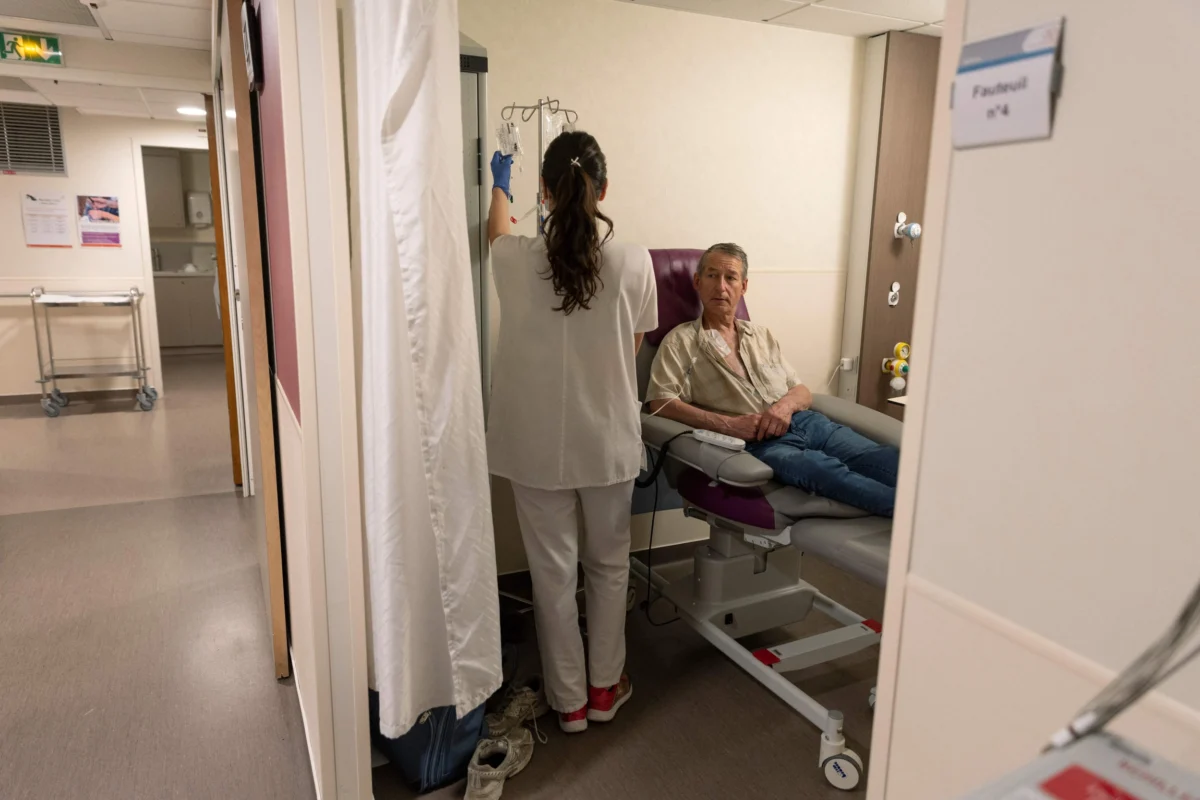
"Access to vital chemotherapy is being bolstered by an unprecedented move: the temporary import of a Chinese-market ifosfamide product to address widespread shortages in the U.S. While offering a lifeline, this solution introduces new complexities for pharmacists, nurses, and patients, underscoring the ongoing challenges in maintaining consistent cancer medication supplies."
The landscape of cancer treatment in the United States is currently being reshaped by a critical shortage of ifosfamide, a vital chemotherapy drug used to treat aggressive cancers such as sarcomas, relapsed testicular cancer, and certain lymphomas. In a significant move to alleviate this crisis, the U.S. Food and Drug Administration (FDA) has authorized the temporary importation of an ifosfamide for injection product manufactured for the Chinese market by Qilu Pharmaceutical. This initiative, coordinated by SteriMax USA in collaboration with its distributor GlobalRX, aims to bridge the gap created by the persistent drug deficit, which a recent National Comprehensive Cancer Network (NCCN) survey revealed is impacting an alarming 94% of responding cancer centers.
The introduction of this imported ifosfamide, while a pragmatic solution, is not without its nuances. The product, though manufactured in an FDA-inspected facility, has not undergone the full FDA approval process for the U.S. market. This necessitates a heightened level of vigilance and adaptation from healthcare professionals. Patients and their caregivers are also being encouraged to engage more actively with their care teams, understanding the differences in packaging, handling, and potential interactions associated with this imported version of the drug. This situation highlights the intricate balance between ensuring immediate patient access to life-saving treatments and maintaining the rigorous standards of pharmaceutical safety and efficacy.
The current ifosfamide shortage is a stark illustration of the vulnerabilities within the global pharmaceutical supply chain. The latest NCCN survey, conducted in late August, paints a grim picture of medication scarcity across various cancer therapies. Beyond ifosfamide, the survey indicated significant shortages of other critical drugs, with 71% of centers reporting a lack of carboplatin, 16% facing cisplatin shortages, and over half experiencing a deficit of BCG for bladder cancer treatment. This widespread scarcity compels healthcare providers to implement complex workarounds, with 61% of responding centers indicating the need for pharmacy- and physician-led strategies to ensure patients receive their prescribed doses and maintain their treatment schedules. These efforts, while essential, divert valuable time and resources that could otherwise be dedicated to direct patient care and research advancements.
The FDA officially designated ifosfamide injection as a drug in shortage on June 12th. The agency has attributed this scarcity to a confluence of factors, including issues with good manufacturing practices at Baxter, a key U.S. supplier, and a concurrent surge in demand for similar products from Fresenius Kabi and Hikma. Baxter has indicated that its reliance on a contract manufacturing plant in Germany for ifosfamide production has contributed to the bottleneck. As of early August, Baxter had projected a U.S. supply recovery between September and October. However, the American Society of Clinical Oncology (ASCO) issued a stark warning in late August, noting that some medical practices had less than a few weeks’ inventory on hand and emphasizing the absence of a direct substitute for ifosfamide.
Adding to the complexity, European regulatory bodies offer a less optimistic outlook. The European Medicines Agency (EMA) anticipates that the shortage of Baxter’s ifosfamide in Europe will persist until the first quarter of 2027, when the manufacturing site is expected to return to full operational capacity. While U.S. and European supply channels are distinct, this extended timeline for Europe suggests that the underlying manufacturing challenges may be more profound and could potentially extend beyond earlier U.S. projections. Dr. Crystal S. Denlinger, CEO of NCCN, highlighted the proactive measures taken by member centers, including the development of internal strategies, task forces, and communication plans to sustain patient care and clinical trials. She also pointed out that these efforts demand significant attention and resources, diverting focus from other crucial aspects of patient care improvement. NCCN is an active participant in the End Cancer Drug Shortages Coalition, which has put forth policy proposals aimed at addressing these systemic issues.
The imported 1-gram vials of ifosfamide, manufactured by Qilu Pharmaceutical, present several practical differences compared to the FDA-approved U.S. product, sold under the brand name Ifex. Notably, the imported vials contain glycine and mannitol as inactive ingredients, which are absent in the U.S. version. These differences necessitate careful attention from pharmacists and nurses responsible for administering the medication. The imported product also requires refrigeration and protection from light, contrasting with the room-temperature storage of the U.S. product. Furthermore, the package insert for the imported version details different drug interaction information and preparation instructions. It specifies dissolving the powder in sterile water, followed by further dilution and administration as a slow infusion over at least 30 minutes.
A significant logistical challenge arises from the packaging of the imported vials. They lack the serialization data mandated by U.S. law for tracing prescription drugs. Consequently, their barcodes may not register accurately on U.S. hospital scanners. To mitigate this, hospitals are instructed to manually input product information and employ backup procedures to ensure each patient receives the correct medication. Pharmacy Times has advised pharmacy teams to meticulously review the imported product’s specific handling requirements, including refrigeration, light protection, and ingredient differences. This approach of utilizing unapproved foreign products during shortages is not unprecedented; the FDA previously allowed the temporary import of an unapproved product from Qilu during the 2023 cisplatin shortage, as reported by Becker’s Hospital Review.
The individuals most directly impacted by the ifosfamide shortage are those currently undergoing or scheduled to begin ifosfamide-based treatment regimens. This includes a broad spectrum of patients, ranging from children and adults diagnosed with bone and soft tissue sarcomas to individuals with relapsed testicular cancer and certain adult lymphomas, including those undergoing the RICE chemotherapy regimen. For these patients and their caregivers, understanding the specifics of their treatment is paramount.
Patients are encouraged to ask their care team whether the administered drug is the U.S.-approved product or the imported version. A crucial follow-up question involves inquiring whether the care team has thoroughly reviewed the potential drug interaction differences of the imported product against their other prescribed medications. Caregivers can play a supportive role by maintaining a simple log of infusion dates, drug names, and any modifications to the treatment plan.
It is important to note that the imported ifosfamide carries the same known risks as the U.S. product. These potential side effects include bladder bleeding, kidney damage, reduced blood cell counts, and neurological toxicity manifesting as confusion or drowsiness. Any occurrence of blood in the urine, unusual sleepiness, confusion, fever, or signs of infection during treatment should be promptly reported to the oncology team. Severe symptoms warrant immediate emergency medical attention.
Ifosfamide therapy is typically accompanied by mesna, a protective agent, and administered with ample intravenous fluids to mitigate the risk of bladder damage. The package insert for the imported product also specifies the use of mesna and adequate hydration, ensuring that this critical aspect of supportive care remains consistent.
Patients are strongly advised against delaying, skipping, or independently altering their treatment regimen. Furthermore, purchasing chemotherapy drugs from online vendors is strictly prohibited due to significant safety and efficacy concerns. The NCCN’s findings that 90% of centers require repeat prior authorization when treatment plans are modified underscore the importance of proactive financial planning. Patients are encouraged to engage with their clinic’s financial counselor early to initiate any necessary insurance paperwork, thereby minimizing potential treatment gaps. Any issues or adverse events related to the imported product should be reported to SteriMax or the FDA’s MedWatch program.
The long-term resolution of the ifosfamide shortage hinges on several factors. The recovery timeline estimated by Baxter for U.S. supply is a key determinant, as is the FDA’s potential authorization of further imported supplies. For the immediate future, the influx of imported vials provides a critical, albeit temporary, solution. Patients can best navigate this period by actively communicating with their healthcare providers to confirm that all differences associated with the imported product have been thoroughly understood and addressed by the care team. This collaborative approach is essential to ensure the continuity and safety of vital cancer treatment during this challenging period of supply disruption.
