
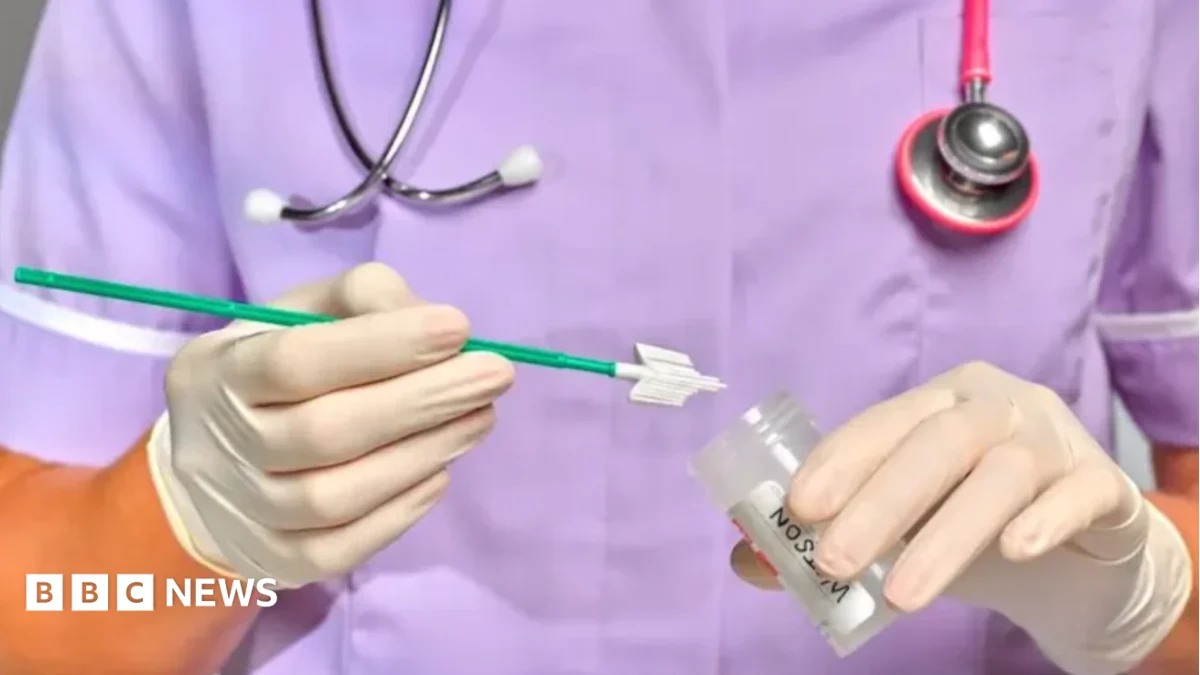
"Wolverhampton is leading a vital public health initiative by offering free HPV home testing kits to women who have not attended cervical screening. This innovative approach aims to overcome barriers to access, significantly boost screening rates, and ultimately save lives by detecting preventable cancers earlier."
The City of Wolverhampton is at the forefront of a crucial national health initiative, rolling out a pioneering Human Papillomavirus (HPV) self-testing programme designed to enhance cervical cancer prevention. This strategic move by the NHS targets women who have previously missed their routine cervical screening appointments, providing them with the convenience and privacy of collecting a sample in their own homes. With national data indicating that approximately a third of eligible women are not up to date with their cervical screening, this new self-testing option represents a significant step towards improving health outcomes and reducing the incidence of a highly preventable cancer. By addressing common barriers to attendance such as time constraints, embarrassment, or accessibility issues, Wolverhampton’s adoption of this programme underscores a commitment to proactive public health and equitable healthcare access.
The Critical Role of HPV in Cervical Cancer
Human Papillomavirus (HPV) is an extremely common group of viruses, with most sexually active individuals acquiring an HPV infection at some point in their lives. While many types of HPV are harmless and clear naturally, certain "high-risk" types are a primary cause of cellular changes in the cervix that can, if left undetected and untreated, progress to cervical cancer. These high-risk HPV types are responsible for virtually all cases of cervical cancer. Understanding this link is fundamental to appreciating the significance of HPV testing. Unlike older methods of cervical screening that primarily looked for abnormal cells, modern screening now often prioritises detecting the presence of high-risk HPV, as this indicates a higher risk of developing future cellular changes. The presence of high-risk HPV doesn’t mean a person has cancer, but it signifies the need for closer monitoring.
Addressing the Screening Gap: Why Home Testing Matters
Cervical screening, commonly known as a smear test, is a vital preventative health measure offered to women aged 24 to 64 in England. For those aged 24 to 49, screening is recommended every three years, while women aged 50 to 64 are invited every five years. Despite its proven effectiveness in preventing cervical cancer by detecting pre-cancerous changes, attendance rates remain a significant public health challenge. Factors contributing to missed appointments are varied and complex, ranging from logistical issues like childcare or inflexible work schedules, to personal discomfort, anxiety, or cultural sensitivities. The self-testing kit directly addresses many of these barriers by offering an alternative that prioritises convenience, privacy, and empowerment. By allowing women to collect a sample at a time and place that suits them, the initiative aims to re-engage those who have disengaged from the traditional screening pathway, ultimately saving lives.
How the Home Testing Programme Works
The HPV self-testing scheme in Wolverhampton is specifically targeting women aged 30 to 65 who have not responded to previous invitations for cervical screening. Eligible individuals will be able to easily order a free self-testing kit online, typically through the NHS app or a dedicated web portal. Upon receipt, the kit contains clear instructions and a sterile swab designed for self-collection of a vaginal sample. The process is straightforward and non-invasive, allowing women to comfortably collect the sample in the privacy of their home. Once collected, the sample is securely packaged and posted back for laboratory analysis, free of charge. This entire process is designed to be as user-friendly and accessible as possible, removing the need for a clinical appointment for the initial screening step.
The Science Behind HPV Self-Testing
The self-collected sample is tested for the presence of high-risk HPV DNA. This is a highly sensitive and reliable method for identifying individuals at increased risk of cervical cancer. If high-risk HPV is detected, it does not automatically mean cancer is present. Instead, it indicates that further investigation is warranted. In such cases, the individual will be invited to book a follow-up appointment at their GP surgery or a sexual health clinic. This follow-up appointment would typically involve a traditional cervical screening (smear test) where a healthcare professional collects a sample to check for any abnormal cells that may have developed due to the HPV infection. If abnormal cells are found, further diagnostic procedures like colposcopy might be recommended, allowing for timely intervention before cancer can develop. If no high-risk HPV is detected, the individual will simply be advised to continue with routine screening invitations in the future.
Expert Insights on Preventability and Impact
Obaida Ahmed, City of Wolverhampton Council’s cabinet member for health, wellbeing and community, highlighted the stark reality of cervical cancer mortality: "Two women die every day from cervical cancer in England, yet it is one of the most preventable cancers." This powerful statement underscores the urgent need for initiatives like home testing. Early detection through screening allows for the identification and treatment of cellular changes before they can become cancerous. Many pre-cancerous lesions can be effectively treated with minor procedures, completely preventing the development of invasive cancer.
Public health experts and gynaecologists widely support the move towards HPV primary screening, whether clinic-based or self-collected. Dr. Sarah Jenkins, a leading gynaecologist not directly involved in this specific project but familiar with such initiatives, explains: "HPV primary screening is more sensitive than cytology (looking for abnormal cells directly) alone. It can detect a higher proportion of women at risk, allowing for earlier intervention. Offering a self-sampling option further democratises access to this life-saving screening, particularly for those who face significant barriers to attending clinic-based appointments. It’s a game-changer for reducing health inequalities in cancer prevention."
Broader Public Health Implications and National Context
This phased rollout of HPV self-testing across England represents a significant shift in the national cervical screening programme. It is part of a broader strategy to modernise healthcare delivery, leverage technology, and improve population health outcomes. By targeting those who have historically disengaged, the programme aims to not only increase screening rates but also to reduce the burden of preventable cancers on the NHS. The convenience offered by self-testing can empower individuals to take a more active role in their health management, potentially leading to improved health literacy and greater engagement with preventative services in general.
Furthermore, the initiative complements the existing HPV vaccination programme, which offers protection against the most common high-risk HPV types to young people before they become sexually active. While vaccination prevents initial infection, screening remains crucial for detecting infections that occurred before vaccination or those caused by HPV types not covered by the vaccine. The combination of vaccination and effective screening programmes forms a robust defence against cervical cancer.
Overcoming Barriers and Building Trust
The success of the Wolverhampton initiative, and others like it, hinges on effective communication and trust-building within the community. It is essential to clearly explain the benefits, the simplicity of the process, and the confidentiality of results. Addressing potential concerns about accuracy or the ability to correctly collect a sample is also crucial; the kits are designed to be intuitive, and studies have shown high rates of successful self-collection. By providing a discreet and accessible option, the NHS hopes to re-establish contact with a demographic that might otherwise remain unscreened, thereby significantly reducing their risk of developing cervical cancer. This proactive, patient-centred approach embodies the future direction of preventative healthcare, making life-saving interventions more attainable for everyone.
