
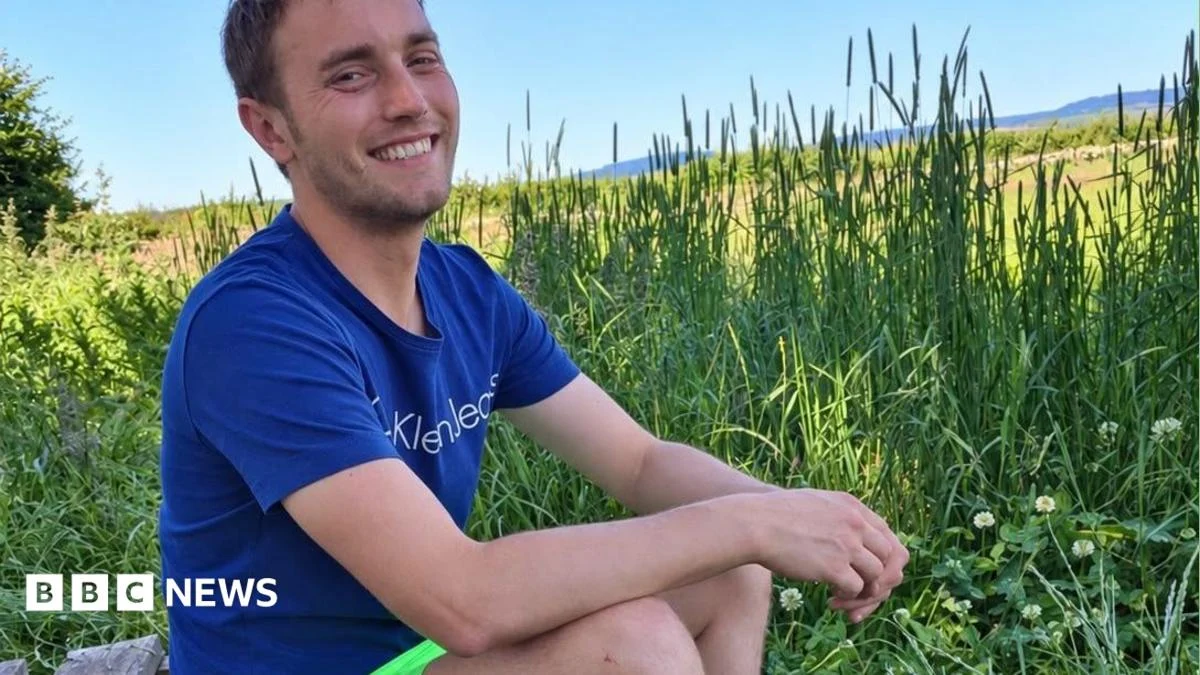
"The tragic death of Hugo Flint-Cahan exposes a deeply disturbing pattern of staff negligence, falsified records, and systemic failures within an NHS mental health unit, prompting calls for urgent, widespread reform in patient safety protocols across the sector."
The inquest into the death of Hugo Flint-Cahan, a 34-year-old patient fatally attacked by another patient at Newham Mental Health Centre (NMHC) in east London, has revealed a shocking litany of failures by staff. The findings underscore a critical breakdown in care, including staff falsifying observation records, sleeping on duty, and using personal phones during the crucial hours leading up to and following the attack. This deeply concerning incident, overseen by the East London NHS Trust (ELFT), points to a systemic issue of neglect that has tragically cost a vulnerable patient his life, raising profound questions about accountability and the safeguarding of mental health patients.
A Night of Negligence and a Preventable Tragedy
On the night of January 3, 2023, Hugo Flint-Cahan, who had been receiving treatment at NMHC for six months, was strangled by 22-year-old Rolando Torres-Pena, a patient who had been admitted to the Topaz ward – an inpatient unit for men with acute mental health issues – just five days prior. The coroner, in a narrative conclusion, determined that Hugo was unlawfully killed, a tragedy significantly contributed to by neglect. This verdict casts a stark light on the critical failures in patient care and supervision that characterized that fateful night.
The unfolding events, pieced together through CCTV footage and staff testimonies during the inquest, painted a grim picture of disarray and professional dereliction. Two nurses, Rosemary Chukwuji-Ohanachum and Raji Olagunju, alongside nursing assistant Anthony Onuh, were on duty. Evidence revealed that Torres-Pena was pacing the corridor, under the delusion he was about to be discharged, while Hugo also appeared unsettled. CCTV last captured Hugo alive at 01:22, shortly before he is believed to have entered Torres-Pena’s room.
The period immediately surrounding the attack was marked by a complete absence of staff vigilance. At 01:31, a patient in the room adjacent to Torres-Pena’s was seen emerging, seemingly disturbed, looking up and down an empty corridor. It is during this critical window that Hugo is believed to have been brutally beaten and strangled. Astonishingly, during this time, both nurses, Chukwuji-Ohanachum and Olagunju, were inside the staff room with the door shut. Nursing assistant Onuh was found to have been asleep for two hours in the therapy room.
Further revelations exposed a culture of dishonesty. Despite the ward’s protocol for hourly patient checks, the observation log for 02:00 falsely indicated Hugo was awake in his bed. Onuh later admitted to the coroner that he completed the form without verifying patients’ locations. Around this time, CCTV showed Onuh emerging from the therapy room with his bedding, engaging briefly with Torres-Pena, who was now trousers-less – a detail the coroner attributed to his trousers being soaked in Hugo’s blood. Nurse Chukwuji-Ohanachum was also seen walking past with her own blankets, confessing she was heading to the therapy room to sleep during an unauthorized two-hour break.
The discovery of Hugo’s body came almost two hours after the presumed attack, at 03:19, by nurse Olagunju. Shockingly, Olagunju neither attempted CPR nor immediately raised the alarm, instead seeking out the unit’s night manager, Alex Obamwonyi, on a neighbouring ward. Obamwonyi, upon arrival, found Hugo not breathing and without a pulse. His decision to lock the door and delay calling emergency services, citing a desire to preserve the crime scene over initiating potentially life-saving CPR, further compounded the tragic negligence. Emergency services were not called until 03:37, with CPR finally commencing at 03:45. Hugo Flint-Cahan was pronounced dead at 04:41, a life extinguished amidst a chaotic and inexcusable breakdown in professional duty.
Coroner’s Damning Indictment: A Cycle of Repeated Failures
The Senior Coroner for East London, Graeme Irvine, did not mince words in his criticism of the East London NHS Trust, describing the recurring failures as "groundhog day." He lamented hearing evidence of "the same" errors "over and over again," extending beyond Hugo’s case to multiple patient deaths. These systemic issues included the pervasive falsification of patient observation records and alarmingly slow emergency responses. The coroner’s recommendation to refer four members of staff to their regulatory bodies and for the Metropolitan Police to review their investigation into the night’s events underscores the gravity of the misconduct and the need for criminal and professional accountability.
Rolando Torres-Pena, the perpetrator, subsequently pleaded guilty to manslaughter on the grounds of diminished responsibility at the Old Bailey, receiving a hospital order without time limit. While this addresses his criminal culpability, the inquest’s findings squarely place the responsibility for Hugo’s death not just on the attacker, but on the profound neglect of those entrusted with his care.
A Trust Under Scrutiny: Decades of Warnings Ignored
The tragedy of Hugo Flint-Cahan’s death is not an isolated incident but rather a stark illustration of deeply entrenched systemic problems within ELFT. Over the past 12 years, local coroners have issued at least 29 Prevention of Future Deaths (PFD) notices to the Trust. These statutory warnings are issued when a coroner identifies serious problems that, if unaddressed, could lead to further fatalities, serving as a critical mechanism for driving improvements in public safety.
An analysis of these PFD reports reveals a disturbing pattern of recurring deficiencies across both inpatient and community services. More than half of these cases highlighted a failure to adequately assess the risk patients posed to themselves or others. Poor communication among staff, between different agencies, and with families was also repeatedly cited as a significant contributing factor to adverse outcomes.
However, the most severe and frequent warnings consistently revolved around poorly executed observations and the falsification of records – fundamental aspects of basic care essential for patient safety. A 2021 report by the same coroner who oversaw the Flint-Cahan inquest explicitly warned of a "culture of impunity" within the Trust, where "inaccurate and misleading recording of clinical records was tolerated." Despite assurances from the Trust regarding extensive training programmes and quality checks introduced in response to these warnings, subsequent reports demonstrate a persistent failure to rectify these issues.
In 2024, two further PFD reports again highlighted missed observations and subsequently falsified records. A fourth report in 2025, concerning the death of a young woman, echoed these concerns, with the coroner stating that "despite assurances" in numerous action plans, the inquest had "revealed widespread concerns" about observation practices across two wards. Other critical issues raised in these reports include inadequate emergency responses, such as delays in resuscitation and, in one particularly egregious instance, nursing staff performing chest compressions on a patient’s stomach instead of their chest. These repeated warnings, spanning over a decade, paint a troubling picture of a Trust struggling to implement fundamental changes necessary for patient safety.
Family’s Anguish and Call for Accountability
For Hugo’s family, the inquest has been a harrowing experience, amplifying their grief with the devastating knowledge that his death was likely preventable. William Flint Cahan, Hugo’s father, who attended every day of the inquest, expressed profound disappointment, citing "complacency" and a lack of care by staff. He firmly believes his son’s death was "preventable had the level of care been as it should have been."
Hugo’s brother, Jolyon, an NHS doctor himself, articulated the family’s shock and dismay at the "litany of failures, both incompetence and dishonesty, that pervaded the care of both patients." His professional insight lends further weight to the severe nature of the lapses, emphasizing that these were not minor oversights but fundamental breakdowns in professional conduct and ethical responsibility. The family’s perspective underscores the devastating human cost of systemic failures and the critical need for robust accountability.
A National Call for Systemic Reform
The tragic circumstances surrounding Hugo Flint-Cahan’s death and the long history of PFD notices against the East London NHS Trust resonate with broader concerns within the mental healthcare sector. Brian Dow of the mental health charity Rethink, a prominent advocate for patient safety, has voiced his alarm, stating, "We have been here before" with recurring issues of poor observations, falsified records, and unacceptable care.
Dow is now advocating for the establishment of a national register of patient safety. Such a register would provide a comprehensive, centralized database to track the standards of care delivered by mental health units across the country. This initiative aims to enhance transparency, identify persistent patterns of failure, and ensure that lessons learned from tragedies like Hugo’s are effectively disseminated and implemented nationwide. Dow emphasizes the imperative for a "better approach to patient safety in what are the most difficult and most vulnerable wards with the people who are the most unwell." A national register could serve as a vital tool for accountability, allowing regulators, policymakers, and the public to monitor performance, identify problematic institutions, and drive consistent improvements in patient care, ensuring that vulnerable individuals receive the protection and professional care they deserve.
The Trust’s Response and the Path Forward
In response to the coroner’s findings, Dr. David Bridle, Chief Medical Officer at ELFT, issued a statement expressing the Trust’s deep sorrow to Hugo’s family for the failings in his care. He acknowledged that the actions of the identified staff were "wholly unacceptable and do not reflect the standards, values or behaviours we expect." Dr. Bridle affirmed the Trust’s commitment to improving its services, stating it "will ensure the learning from the coroner’s findings informs our continuing work to strengthen patient safety and care."
While the Trust’s expression of regret and commitment to improvement is noted, the history of repeated PFD notices and the severe nature of the failures in Hugo’s case demand more than promises. The challenge for ELFT, and indeed for the wider NHS mental health sector, is to demonstrate tangible, sustained change. This includes fostering a culture of honesty, accountability, and genuine patient-centered care, where observation protocols are rigorously adhered to, staff are adequately trained and supported, and emergency responses are swift and effective. The ultimate measure of success will be the prevention of future tragedies, ensuring that no other family endures the heartbreak and anger that Hugo Flint-Cahan’s family has experienced. The inquest has illuminated a critical junction for mental health care in the UK, where systemic change is not merely desirable, but an urgent imperative for the safety and dignity of all patients.
