
A new report highlights that England’s older LGBTQ+ community often faces poorer health, limited finances, and greater social isolation, risking a return "into the closet" when seeking vital care. Specialized support and training are crucial to ensure dignity and combat discrimination for this growing demographic.
The journey for LGBTQ+ individuals in the United Kingdom has been marked by significant progress, from the initial steps of decriminalisation in 1967 to the landmark legalisation of same-sex marriage in 2014. Yet, despite these societal shifts, a recent report from the Centre for Ageing Better reveals a sobering reality: older LGBTQ+ people in England frequently experience poorer health outcomes, more precarious financial situations, and heightened social isolation compared to their heterosexual and cisgender counterparts in later life. This disparity not only underscores persistent challenges but also warns that without targeted support, many could be forced to conceal their identities, potentially delaying or even avoiding essential care due to fears of homophobia and discrimination.
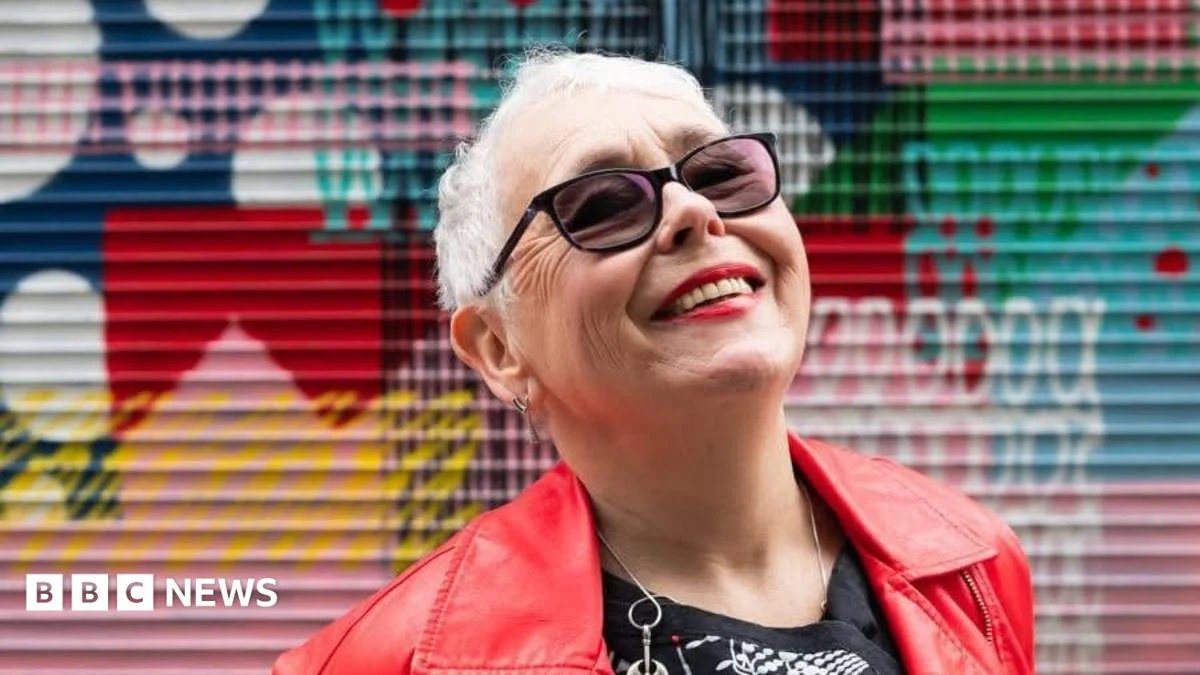
Mindy Meleyal, a 75-year-old lesbian, embodies the historical arc of the modern LGBT rights movement. Having lived through decades of social and legislative change, she finds a poignant irony in her current experience: her identity, so central to her life and advocacy, is often overlooked or dismissed in the context of her age. Mindy’s story is not unique; it reflects a broader sentiment within England’s older LGBTQ+ community, a group that has navigated immense prejudice and societal shifts, only to confront new forms of vulnerability in their senior years. The Centre for Ageing Better’s "Spotlight on Ageing" report illuminates these systemic issues, advocating for specialist support to prevent a regression "back into the closet" for those accessing care services. The report issues a stark warning: without affirming environments and trained staff, older LGBTQ+ individuals may delay seeking necessary care, compromising their health and well-being.
Adam Porter, a housing development manager at the LGBT Foundation charity, confirms these concerns through his direct interactions with older community members. He frequently encounters individuals who feel compelled to hide aspects of their identity when carers visit their homes. "It’s very common for people to hide things if they have a carer visiting their home, for example hiding their wedding photos or taking down a trans flag," Porter explains. This act of concealment extends beyond mere privacy; it represents a profound psychological burden, forcing individuals to suppress their authentic selves within their own homes, a space that should be a sanctuary. For those transitioning into more formal care environments, this suppression can become a permanent state, effectively erasing a lifetime of identity and relationships. Porter recounts distressing anecdotes, including instances where older LGBTQ+ individuals have been subjected to unsolicited "prayers" regarding their sexuality by care providers, highlighting a disturbing lack of professional conduct and cultural competency.
In response to these pressing needs, initiatives like Kindred House are emerging as beacons of hope. Porter is part of the team spearheading Kindred House, a pioneering LGBTQ+ social housing scheme for over-55s, slated to open in Manchester next year. This project is designed to offer an inclusive, affirming environment where residents can live openly without fear of judgment or discrimination. The concept of specialist LGBTQ+ housing is not new on the global stage, with similar projects flourishing in countries such as Spain, Sweden, Germany, the United States, and Canada. These international models demonstrate the viability and critical importance of creating spaces tailored to the unique needs of older LGBTQ+ populations.
In the UK, such initiatives are still few and far between, but momentum is building. In 2021, London welcomed Tonic, the UK’s first LGBTQ+ retirement home, offering 19 apartments for private rental or shared ownership. Tonic quickly garnered significant attention, a testament to the unmet demand for such services. Its impact is so profound that it is set to feature in an upcoming Netflix documentary, chronicling the life of one of its first residents, Chek Min-Ong. Min, 77, and his late partner Tim had spent 43 years together, and their discussions about future care as Tim’s health declined underscored the anxieties many long-term LGBTQ+ couples face regarding end-of-life care and living alone. Tonic provides a vital sense of community and security that traditional care settings often fail to offer.
While schemes like Kindred House and Tonic are celebrated by individuals like Mindy, Norman, and Min, the Centre for Ageing Better’s report issues a stark warning: the burgeoning older LGBTQ+ population means demand for these specialist services is rapidly outpacing supply. Between 2019 and 2024, the number of individuals aged 50 and above identifying as lesbian, gay, or bisexual in the UK surged by approximately a third, climbing from around 340,000 to nearly 460,000. In contrast, the heterosexual population aged 50 and above saw a modest 4% increase during the same period. This trend is projected to continue as younger, more openly identifying LGBTQ+ generations age, creating an even greater need for culturally competent and affirming care options.
The implications of this demographic shift are profound. Adam Porter emphasizes that without a significant increase in dedicated schemes like Kindred House, coupled with comprehensive training and awareness initiatives for staff in mainstream care settings, a substantial portion of the aging LGBTQ+ population will struggle to access appropriate support. This deficiency risks not only their physical health but also their mental and emotional well-being, forcing a generation that fought for visibility back into the shadows. The training for healthcare professionals, social workers, and carers must extend beyond basic non-discrimination policies to include a deep understanding of LGBTQ+ histories, specific health disparities, diverse family structures, and the importance of affirmative language and practices.
For Mindy Meleyal, who actively participates in a steering group advising on future plans for LGBTQ+ affirming care, the prospect of more options brings a sense of reassurance and pride. "It’s important that you can go, that you think, ‘You know what, I could live there because I know the staffing, the ethics, the rules, everything about the place has been put together from an LGBTQ+ focus,’" she states. This focus, she explains, is not merely about tolerance but about creating an environment where every aspect, from policy to daily interaction, is designed with the unique experiences and needs of LGBTQ+ individuals in mind. Such spaces offer more than just shelter; they provide a vital sense of belonging, dignity, and the freedom to live authentically in one’s later years, a right that every individual deserves. The challenge now lies in scaling these crucial initiatives to meet the rapidly growing demand and ensure that no older LGBTQ+ person is left behind.
