
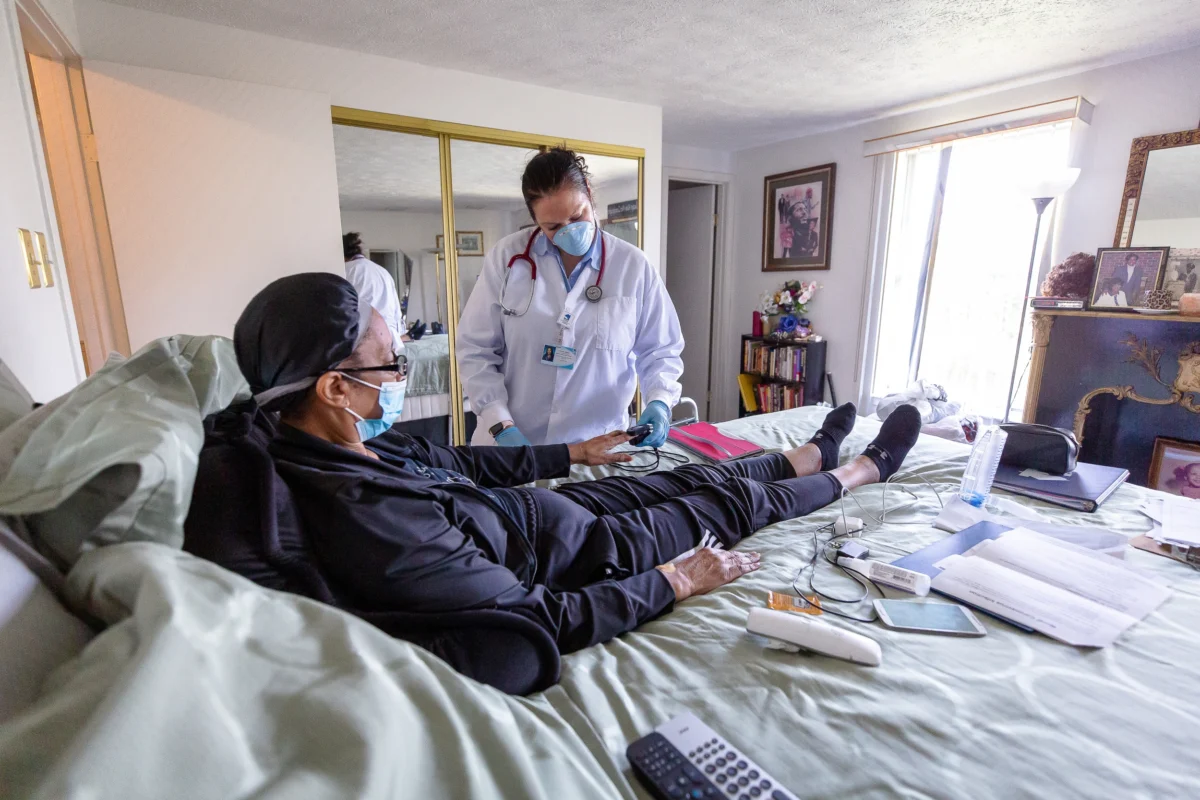
"This contract is a victory for patient safety and nurse retention, ensuring that experienced nurses are placed where their expertise is most needed and ending the exhausting practice of mandatory overtime."
In a significant development for healthcare labor in Baltimore, over 600 registered nurses at Ascension Saint Agnes Hospital have ratified their inaugural union contract. This landmark three-year agreement, effective from September 2026 through September 2029, ushers in a new era of enhanced patient care and improved working conditions by prohibiting the practice of assigning nurses to units outside their established clinical competencies and eliminating mandatory overtime. The ratification follows a protracted bargaining process that commenced in January 2024 and was punctuated by two single-day strikes in July 2025 and July 2026, underscoring the nurses’ unwavering commitment to achieving these crucial protections. While financial gains are part of the accord, the most impactful terms for patients revolve around ensuring that care is delivered by nurses with the requisite specialized skills, a direct response to concerns that such assignments had previously placed patient well-being at risk.
Ascension Saint Agnes Hospital has publicly welcomed the ratification, with a spokesperson expressing pleasure in the nurses’ vote and a forward-looking sentiment toward continued collaboration. This sentiment, shared with Becker’s Hospital Review, signals a potential path toward improved hospital-nursing staff relations.
Inside the Three-Year Agreement: A Foundation for Enhanced Care
The newly ratified contract, as detailed by National Nurses United (NNU), introduces a series of provisions designed to fortify the nursing profession and elevate patient care standards. Over its three-year span, the agreement mandates a pay increase ranging from 5% to 6% annually. Beyond compensation, the contract establishes two critical committees: a Professional Practice Committee and a Staffing Issues Committee. These bodies are intended to provide nurses with a formalized voice in shaping patient care protocols and addressing staffing challenges at the unit level. Furthermore, the contract incorporates robust language regarding workplace violence prevention, a growing concern within the healthcare industry, and mandates immediate security presence to assist nurses when necessary, thereby enhancing the safety of the hospital environment for both staff and patients.
Additional stipulations within the agreement include a comprehensive grievance procedure that provides the right to arbitration, ensuring fair and impartial resolution of disputes. The contract also enshrines just-cause and progressive discipline standards, offering nurses greater job security and a clearer understanding of disciplinary processes. Crucially, succession protections are included, meaning the contract will remain in effect even if the hospital undergoes a change in ownership, providing a vital layer of stability. The union also highlighted that the agreement successfully countered Ascension’s initial proposal to implement mass layoffs of per diem nurses, a move that would have significantly impacted staffing flexibility and potentially patient care continuity. It is important to note that these specific details emanate from the union’s official release, as Ascension’s public statement focused on the overall positive outcome rather than enumerating contract terms, and the full contract has not yet been made publicly available.
Robin Buckner, RN, an intravenous therapy nurse at Ascension Saint Agnes, articulated the significance of these provisions, stating, "The contract provides much-needed protections against unsafe floating, unfair discipline, and workplace violence." This sentiment resonates with nurses who have long advocated for systemic changes to ensure a safer and more supportive work environment.
Addressing Floating, Overtime, and the Paramountcy of Unit Safety
The practice of "floating," a common staffing strategy where hospitals reassign nurses to units experiencing staff shortages, has been a focal point of contention. While intended to address immediate staffing gaps, nurses at Saint Agnes argued that it frequently placed them in unfamiliar specialties, potentially compromising the quality of care. Prior to the July 2026 strike, Kathryn Blackburn, a labor and delivery nurse, cited an instance where the postpartum unit was staffed by medical-surgical nurses who, according to the union’s strike announcement, lacked the specialized training required for newborn care. This situation exemplifies the safety concerns that nurses have repeatedly raised regarding the potential risks to patients when care is delivered by inadequately specialized staff.
Mandatory overtime presents another significant concern, directly impacting nurse fatigue and, consequently, patient safety. Requiring nurses to extend their shifts beyond already demanding hours can lead to exhaustion, increasing the likelihood of errors. The elimination of this practice ensures that any additional hours worked must be voluntary, allowing nurses to manage their workload more effectively and maintain optimal levels of alertness and competence.
Ascension has offered a different perspective on compensation during the dispute. In a statement regarding its strike contingency plan, the hospital asserted its commitment to remaining fully operational with replacement nurses. The hospital also indicated that nurses had already received substantial pay increases, including an average 9% raise in 2025 and an additional average 7% increase effective August 2, 2026, while negotiations were ongoing. These figures from Ascension can coexist with the union’s reported cumulative raises of up to 34% since nurses unionized in 2023. The 5% to 6% figure referenced in the new contract pertains specifically to the projected annual increases over the upcoming three-year period.
A First Contract Forged Through Perseverance
The journey to this first union contract for Ascension Saint Agnes nurses began in 2023 when they organized under the National Nurses Organizing Committee, an affiliate of National Nurses United. Formal bargaining commenced in January 2024, leading to an agreement approximately 32 months after the initial talks. While this timeline may appear lengthy, it is not atypical for first-time contract negotiations. A comprehensive analysis by Bloomberg Law, examining 391 first union contracts ratified since 2005, revealed an average ratification period of 465 days, with 53% of agreements taking a year or longer to finalize.
The complexity of negotiating a first contract stems from the fact that it establishes the foundational terms of employment from scratch. Unlike contract renewals that amend existing agreements, first contracts require comprehensive negotiation on all aspects of the employer-employee relationship, including wages, scheduling, disciplinary procedures, and staffing models. This inherent structural challenge contributes to the extended negotiation periods.
The strikes undertaken by Saint Agnes nurses in July 2025 and July 2026 played a pivotal role in bringing the parties to the negotiating table and ultimately reaching an agreement. During these one-day walkouts, Ascension maintained hospital operations by utilizing replacement nurses. Notably, on the same day as the July 6, 2026, strike at Saint Agnes, nurses at two other Ascension hospitals in Wichita, Kansas—Via Christi St. Francis and St. Joseph—also engaged in strikes to address their own contract disputes, as reported by Becker’s Hospital Review.
Impact on Baltimore Patients and the Path Forward to 2029
For patients receiving care at Ascension Saint Agnes, the newly ratified contract offers a crucial element of stability. The resolution of the protracted dispute, which included two strikes, brings an end to the uncertainty surrounding staffing and working conditions, with the new terms in place until September 2029. This stability is not merely symbolic; it directly translates into a more consistent and reliable care environment.
The grievance and arbitration provisions, while appearing administrative, have a less obvious but significant impact on patient care. By protecting nurses from retaliation for raising legitimate safety concerns and providing a mechanism for neutral arbitration, the contract empowers nurses to advocate for patient well-being without fear of reprisal. This creates a system where potential safety issues can be addressed proactively and impartially, rather than being solely at the discretion of hospital management.
The establishment of staffing and professional practice committees offers nurses a formal platform to voice concerns and contribute to solutions at the shift level. The ultimate effectiveness of these committees in improving staffing levels and patient care will depend on their implementation and the collaborative spirit in which they are utilized by both nurses and hospital administration.
Patients who have concerns about their care during their hospital stay are encouraged to speak directly with the charge nurse or the hospital’s designated patient advocate. For Maryland residents, the Maryland Department of Health’s Office of Health Care Quality provides a formal channel for filing complaints regarding hospital care, ensuring an avenue for external oversight and accountability.
The significance of this contract extends beyond the walls of Ascension Saint Agnes. The union has hailed it as the first union contract for private-sector nurses in Baltimore, marking a potential turning point for healthcare labor organizing in the region. This milestone is likely to be closely watched by other hospital workers in the area who are considering or actively pursuing unionization efforts across various health systems. The success at Saint Agnes may serve as a catalyst for broader organizing initiatives, potentially reshaping the landscape of nursing labor relations in Baltimore and beyond.
