
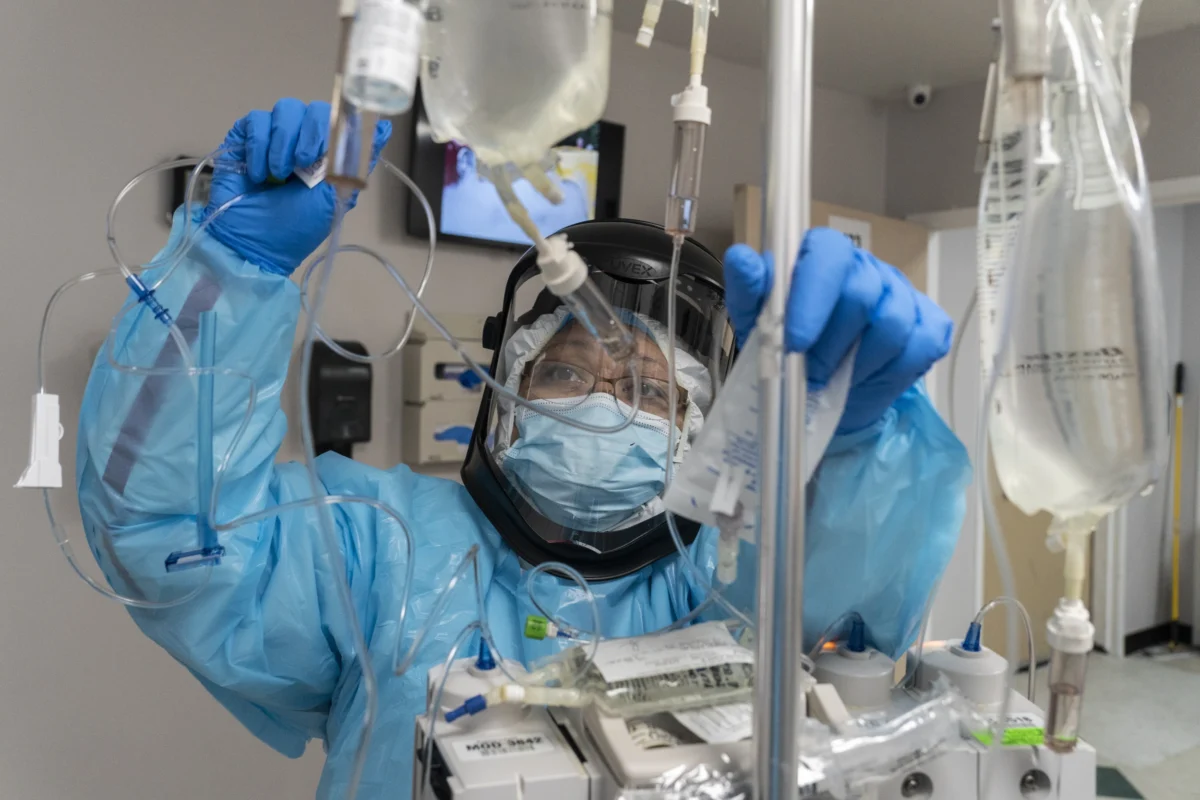
"A nationwide recall of two lots of essential ICU sedative dexmedetomidine, initiated by Par Health, poses no direct risk to patients at home but highlights critical quality control issues within the pharmaceutical supply chain, potentially exacerbating existing drug shortages."
Par Health has initiated a voluntary nationwide recall of two specific lots of its dexmedetomidine hydrochloride in 0.9% sodium chloride injection, a widely used intravenous sedative critical for patients in intensive care units and those undergoing surgical procedures. The recall, announced via a company statement posted by the U.S. Food and Drug Administration (FDA) on September 21 and dated September 18, stems from the discovery of particulate matter, identified as either cellulose or stopper material, within the drug product. While the recall is being managed at the wholesale and hospital pharmacy level, and therefore poses no immediate need for patients to check medications at home, it underscores the rigorous safety protocols and potential vulnerabilities within pharmaceutical manufacturing and distribution. The company has stated it has not received any reports of adverse events associated with these specific lots, offering a measure of reassurance amidst the recall.
The affected product, Dexmedetomidine HCl in 0.9% Sodium Chloride Injection, 400 mcg per 100 mL (4 mcg/mL), is a crucial medication for sedating adult patients who are mechanically ventilated in intensive care settings. It is also employed to sedate adults not on a ventilator prior to or during surgical procedures and other medical interventions. For families with loved ones in critical care or those anticipating upcoming procedures, the news of a recall involving such a fundamental medication can understandably raise concerns about the safety and availability of essential treatments. This recall, however, is specifically confined to two lots distributed by Par Pharmaceutical under NDC 42023-187-01, identified as lot numbers 87558 and 88802. These lots were shipped nationwide to wholesalers between May 13 and June 29, 2025. Given the timeframe, it is plausible that a portion of these affected units may have already been administered to patients.
The presence of particulate matter in intravenous medications is a serious concern, as such substances are introduced directly into the bloodstream. Par Health has acknowledged the potential risks, stating that the administration of the affected product carries a "reasonable probability of causing life-threatening adverse health consequences." The company has outlined three primary dangers associated with such contamination. Firstly, particles can lodge in the pulmonary vasculature, leading to pulmonary embolism – a potentially fatal condition where blood clots block arteries in the lungs. Secondly, these foreign bodies can obstruct blood vessels in other parts of the body, potentially causing tissue necrosis and damage to vital organs. Thirdly, the presence of particles can trigger inflammation within the venous walls, increasing the risk of thrombosis, or blood clotting, in the veins.
While these are significant potential outcomes, it is crucial to reiterate that Par Health has reported no confirmed adverse events linked to these specific recall events. The nature of the identified particles – cellulose, a plant-based fiber, and stopper material, likely originating from the rubber seals of vials – suggests a potential issue during the manufacturing or filling process. The company has not yet provided details regarding the root cause of the contamination or whether other production batches were subjected to additional testing. The FDA typically assigns a risk classification to such recalls, which is usually detailed in their weekly Enforcement Reports; however, this classification was not immediately available at the time of the initial announcement.
The specific lots under recall are 87558, with an expiration date of February 2027, and 88802, expiring in April 2027. These lots were distributed nationwide to wholesalers, and Par Health is in the process of notifying its wholesale accounts in writing and coordinating the return of the affected product. The company has established a dedicated channel for returns through Inmar, which can be contacted at 1-833-599-3197 during weekdays from 9 a.m. to 5 p.m. Eastern Time. Distributors who have subsequently supplied the product to other entities are also being instructed to inform their customers. Healthcare professionals are encouraged to report any adverse events or quality issues related to this or any other pharmaceutical product to the FDA’s MedWatch program, a vital resource for post-market surveillance.
The recall of these dexmedetomidine lots occurs against a backdrop of existing supply chain challenges for this critical sedative. Earlier in the year, dexmedetomidine injection was noted on the FDA’s drug shortage database, with multiple manufacturers, including Fresenius Kabi and Par Health, reporting backorders due to a combination of shipping delays and heightened demand. The American Society of Health-System Pharmacists highlighted the broader issue of drug shortages, documenting 227 active shortages in the U.S. during the second quarter of 2026. The removal of two specific lots from the market, especially in the context of existing supply constraints, could place additional pressure on hospital pharmacies, particularly those at smaller institutions with fewer alternative suppliers. While hospitals typically maintain a portfolio of sedatives and the selection of a specific agent rests with the clinical care team, the interruption of supply for a commonly used drug like dexmedetomidine warrants careful inventory management and contingency planning. This is not the first quality concern associated with dexmedetomidine; in 2020, Fresenius Kabi issued a recall for certain lots due to the potential presence of trace lidocaine contamination, as reported by Fierce Pharma.
For the general public, the implications of this recall are minimal, as the management and resolution are handled entirely within the healthcare system. Patients do not need to take any action at home, and there are no costs or insurance-related steps for individuals. Hospital pharmacies are responsible for managing recalls in conjunction with their wholesalers and are equipped to identify and remove affected products from their inventory. Families seeking reassurance about the medications being administered to their loved ones can inquire with the nursing staff or the hospital pharmacist regarding the hospital’s compliance with this specific recall. It is important for patients to understand that this recall is specific to two lots from a single manufacturer and does not encompass other available dexmedetomidine products or alternative sedatives. Patients should not withhold necessary sedation due to concerns stemming from this recall, as it is managed by healthcare professionals.
Individuals who received sedation in an ICU or during a procedure in recent months cannot readily ascertain which specific lot number of dexmedetomidine they may have received, and the recall notice does not mandate direct patient notification. However, for patients recently discharged after a hospital stay or procedure, vigilance for certain symptoms is advisable. These include sudden shortness of breath, chest pain, or the development of new swelling, redness, or pain along the arm where an intravenous line was inserted. While these symptoms can arise from various causes, they warrant prompt medical attention. In particular, any signs of breathing difficulties require immediate emergency care. The FDA is expected to provide a formal risk classification for this recall in its upcoming Enforcement Reports, and updates to drug shortage listings will be monitored as manufacturers adjust their supply information.
Key Questions Answered
What was recalled? Two lots, 87558 and 88802, of Par Health’s Dexmedetomidine HCl in 0.9% Sodium Chloride Injection, 400 mcg per 100 mL, were recalled.
Why was it recalled? Particulate matter, identified as cellulose or stopper material, was discovered within the product.
Do patients need to check anything at home? No. This is a hospital-level recall managed by wholesalers and hospital pharmacies, with no action required from patients.
What harm can particles in an IV drug cause? According to Par Health, particles can potentially lodge in blood vessels, leading to pulmonary embolism or other blockages, and can also cause inflammation of vein walls, increasing the risk of clotting.
Has anyone been harmed? Par Health has stated that it has not received any reports of adverse events related to this recall.
What is dexmedetomidine used for? It is used to sedate adults on mechanical ventilators in intensive care units and to sedate adults undergoing surgery or other procedures who are not on a breathing tube.
Could this worsen shortages? Dexmedetomidine has experienced supply issues, including backorders, this year. This recall may increase pressure on hospitals as they manage recalled stock and rely on alternative suppliers or sedatives.
