
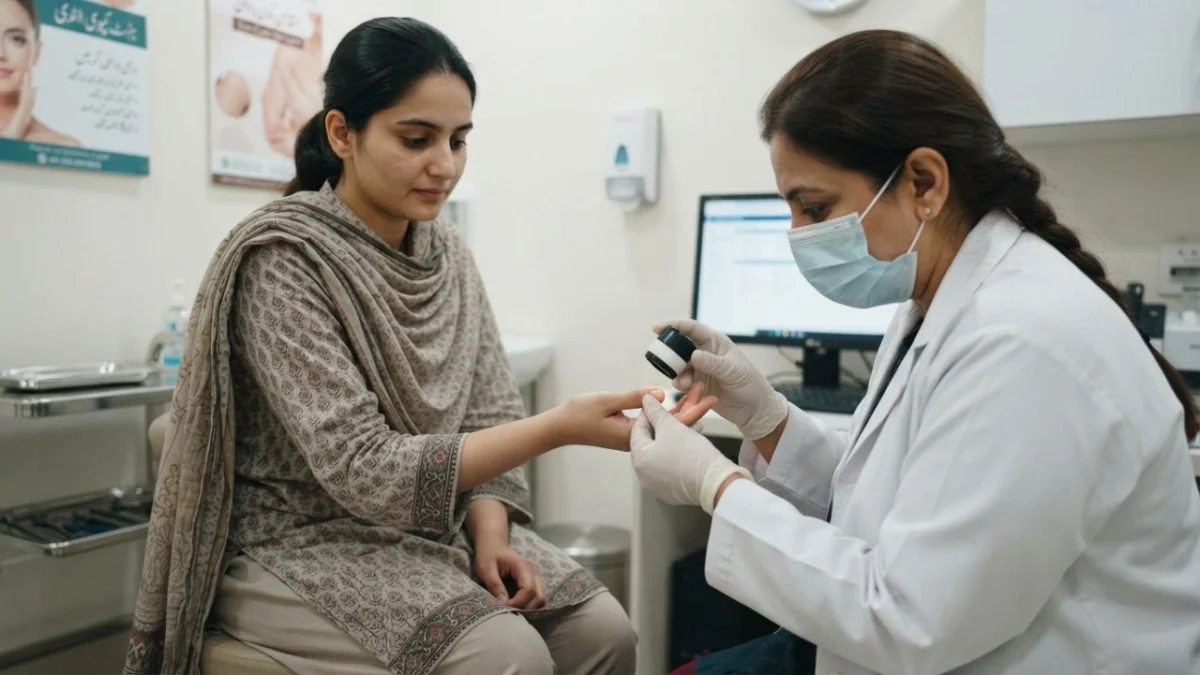
"The appearance of fine hairs on the typically hairless palm-side of a thumb, an undocumented phenomenon, has been observed in a patient diagnosed with Vogt-Koyanagi-Harada disease, highlighting the complex and sometimes unexpected ways this autoimmune condition can affect the body."
This peculiar dermatological presentation, documented in a 25-year-old woman, offers a rare glimpse into the multifaceted nature of Vogt-Koyanagi-Harada (VKH) disease. The development of short, fine hairs on the glabrous skin of her right thumb tip, a region characteristically devoid of hair follicles, has baffled medical professionals and expanded the known spectrum of this autoimmune disorder. The case, reported in the journal Medicine, underscores the unpredictable ways immune system dysregulation can manifest, even in seemingly minor anatomical areas.
The patient, diagnosed with VKH disease two years prior to the observation of this unusual hair growth, had a history consistent with this rare autoimmune condition. VKH disease is known for its systemic impact, targeting tissues rich in melanocytes – pigment-producing cells – found throughout the eyes, inner ears, meninges (membranes surrounding the brain), skin, and hair. The presence of vellus-like hairs, described as short, fine, and soft, on the radial and palmar surfaces of her thumb tip represents a significant departure from the typical presentation of VKH disease, which usually involves pigment loss or hair thinning rather than new hair growth in atypical locations.
Unprecedented Hair Follicle Activity on Glabrous Skin
The skin on the palm side of the hands, known as glabrous skin, is distinct for its lack of hair follicles and the presence of friction ridges that form fingerprints. The emergence of hair on this specific area is considered exceedingly rare, with the authors of the case report, including physicians from the University of Lahore Teaching Hospital in Pakistan, emphasizing that this finding had not been previously documented. The vellus-like hairs appeared twice within a two-year period, each episode lasting between four to six weeks, and then ceased to reappear. Photographs captured during these episodes confirm the consistent location of the growth on the thumb tip. A subsequent dermatology consultation corroborated the unusual nature of this hair development.
Understanding Vogt-Koyanagi-Harada Disease: A Systemic Autoimmune Challenge
Vogt-Koyanagi-Harada disease, named after the physicians who first described its manifestations in the early 20th century, is an idiopathic autoimmune disorder. It is characterized by a widespread inflammatory process that affects melanocyte-rich tissues. The disease is strongly associated with specific human leukocyte antigen (HLA) gene variants, particularly HLA-DR4 and HLA-DRB1*04, and predominantly affects individuals with darker skin pigmentation, including Asian, Hispanic, and Native American populations. While less common in Caucasian individuals, it is observed across diverse ethnicities. The disease typically affects young adults, with some reports indicating a higher prevalence in women.
The clinical presentation of VKH disease is varied and can be insidious, often beginning with neurological symptoms such as meningismus (stiff neck), headache, and auditory disturbances like tinnitus or hearing loss. This is often followed by ocular manifestations, including bilateral uveitis (inflammation of the middle layer of the eye), which can lead to blurred vision, photophobia, and, in severe cases, permanent vision loss if left untreated. Cutaneous and hair changes are also common, but these typically involve depigmentation. This can manifest as patchy hair loss, poliosis (the development of white patches of hair), and vitiligo (loss of skin pigment).
The geographical distribution of VKH disease varies significantly. While it accounts for a notable percentage of uveitis cases in regions like Japan (approximately 7%), its prevalence is lower in the United States (1-4%) and Brazil (2.5%). Early and aggressive treatment is crucial for preventing irreversible damage, particularly to vision and hearing. Physicians in Lahore have previously emphasized that timely intervention with systemic treatment can significantly mitigate the risk of vision and hearing impairment. In some documented cases, patchy hair loss has been the sole cutaneous manifestation, further emphasizing the unusual nature of new hair growth observed in the recent report.
A Case of Unexpected Hair Growth Amidst Typical Symptoms
The 25-year-old patient in this case experienced recurrent episodes of hearing-related symptoms, including tinnitus, which were managed with low-dose oral prednisolone, a corticosteroid. The dosage ranged from 5 to 10 milligrams per day, proving effective in alleviating her auditory complaints. This therapeutic approach aligns with the standard management of VKH disease, where corticosteroids are the cornerstone of treatment due to their potent anti-inflammatory properties. Patients generally exhibit a favorable response to steroid therapy, which helps to quell the autoimmune attack on melanocyte-rich tissues.
A review published in the Journal of Clinical Medicine in 2026 detailed the disease’s clinical features, genetic predispositions, and the emergence of VKH-like syndromes triggered by certain cancer immunotherapy drugs. This review also highlighted the importance of prompt initiation of intensive treatment, noting that it is associated with improved long-term outcomes. The case of an 18-year-old man reported from Brussels in 2022, who experienced rapid pigment loss in his hair, eyebrows, beard, and eyelashes following eye inflammation, further illustrates the diverse ways VKH can affect individuals. Despite aggressive treatment with corticosteroids, immunosuppressants, and repeated eye implants, his disease proved challenging to control, underscoring the variability in treatment response and disease severity.
The Enigma of Thumb Hair Growth: Causation and Implications
While the occurrence of fine hairs on the patient’s thumb is a striking observation, the report acknowledges that a definitive causal link between VKH disease and this specific phenomenon has not been established. As a single case study, it cannot definitively prove that the disease directly induced the hair growth. Alternative explanations, such as coincidental dermatological changes or an effect of the ongoing treatment, were not definitively ruled out in the published account. However, the authors posit that this observation broadens the known spectrum of cutaneous and hair-related manifestations associated with VKH disease and warrants documentation for future clinical reference and research. The question of whether other patients with VKH disease have experienced similar, albeit undocumented, episodes remains unanswered.
Recognizing the Warning Signs of VKH Disease
Despite the unusual nature of the thumb hair growth, the underlying condition, VKH disease, remains a serious medical concern. Its potential to cause irreversible vision loss necessitates prompt recognition and management of its characteristic symptoms. Individuals experiencing sudden blurred vision, eye pain, or significant redness in the eyes, particularly when accompanied by symptoms such as headache, ringing in the ears, or noticeable changes in hearing, should seek immediate consultation with an ophthalmologist. Early diagnosis and aggressive, multidisciplinary treatment are paramount in preserving visual acuity and preventing long-term complications associated with this complex autoimmune disorder. Further research may elucidate the precise mechanisms behind such atypical presentations, contributing to a more comprehensive understanding and improved management of VKH disease.
