
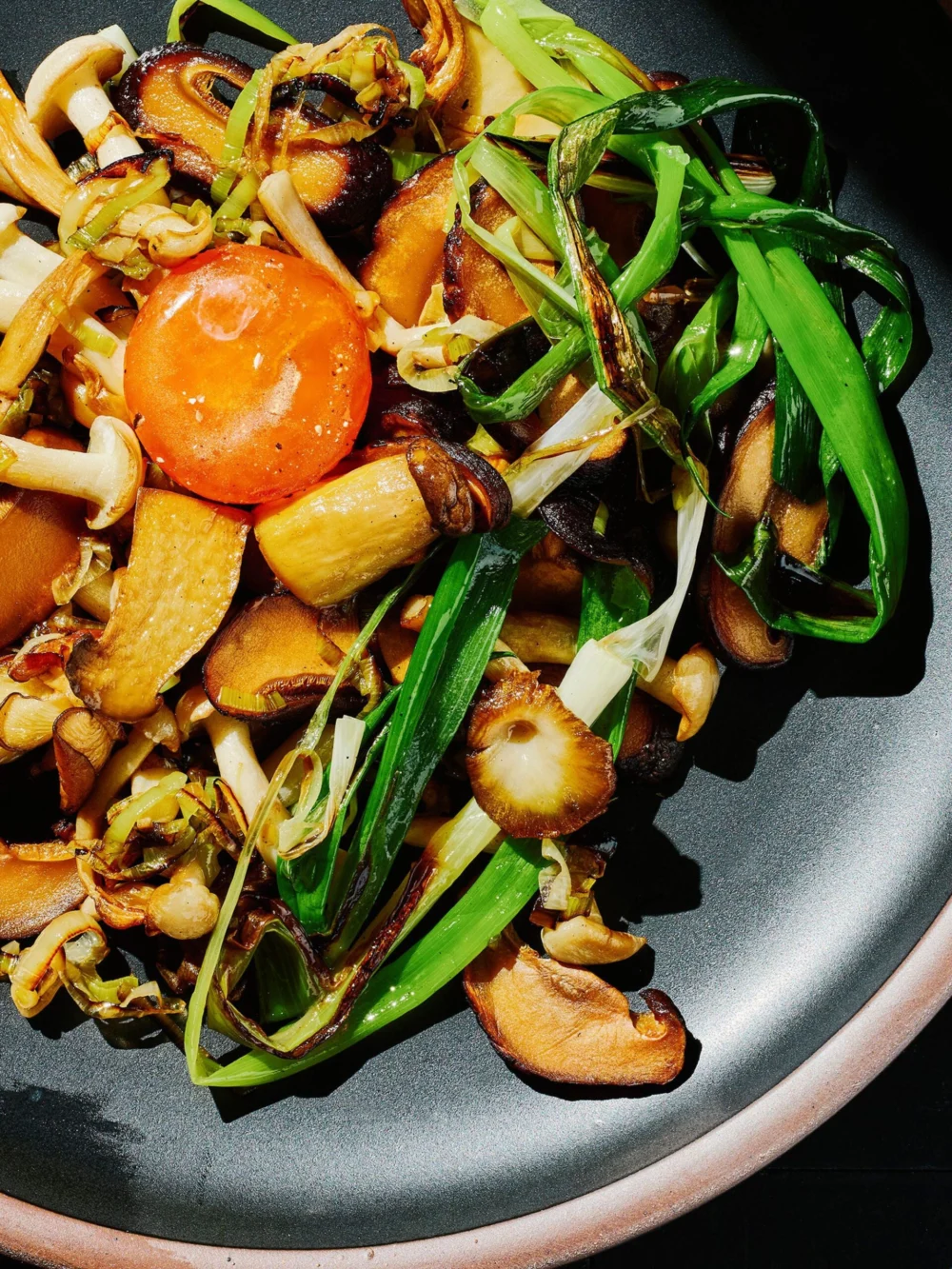
"A comprehensive 2021 scientific review reinforces the status of whole eggs as an essential nutrient source, demonstrating that when integrated into a balanced diet, they serve as a vital pillar of cardiovascular and metabolic health."
The narrative surrounding dietary cholesterol has undergone a seismic shift over the last several years, moving away from restrictive mandates and toward a more nuanced understanding of whole-food nutrition. As researchers re-examine the relationship between whole eggs and heart disease, the culinary world—led by experts like Executive Chef Eric Brach of Miles, the Prince—is embracing the egg not just as a breakfast staple, but as a functional powerhouse capable of supporting both physical performance and long-term wellness.
The Great Cholesterol Re-evaluation
For decades, the humble egg was the subject of intense scrutiny and medical caution. Beginning in the late 20th century, public health guidelines often urged consumers to limit their intake of whole eggs, citing the high cholesterol content of the yolk as a primary risk factor for coronary heart disease. The prevailing logic was simple: consuming cholesterol must lead to higher blood cholesterol, which in turn leads to arterial plaque. However, modern nutritional science has largely debunked this linear relationship for the vast majority of the population.
In 2021, a pivotal study review provided a definitive look at these long-standing concerns. The review concluded that whole eggs are an "indispensable source of various nutrients," particularly dietary protein. Crucially, the researchers noted that when eggs are consumed within the context of an otherwise healthy diet, they do not pose the cardiovascular risks once feared. This shift in perspective marks a "nutritional renaissance," moving the egg from the "caution" list to the "essential" list for healthy living.
An Indispensable Nutrient Profile
The 2021 review’s use of the word "indispensable" is not hyperbolic. From a biological standpoint, eggs are one of the most complete food sources available to humans. They contain a highly bioavailable form of protein, meaning the body can easily absorb and utilize the amino acids found within.
Beyond protein, the yolk—once the part of the egg most frequently discarded—is a treasure trove of fat-soluble vitamins and minerals. It is one of the few natural food sources of Vitamin D, which is critical for bone health and immune function. Furthermore, eggs are a primary source of choline, a nutrient essential for brain development and neurotransmitter production. For those concerned with ocular health, the presence of lutein and zeaxanthin in the yolk provides powerful antioxidants that help protect the eyes from age-related macular degeneration.
The Chef’s Perspective: Culinary Integrity and Health
The integration of whole eggs into a sophisticated culinary repertoire is exemplified by the work of Eric Brach, the executive chef at Miles, the Prince, in White Plains, New York. In the modern kitchen, the egg is valued for its versatility and its ability to act as a bridge between flavor and function.
Chef Brach’s approach highlights a growing trend in the culinary industry: the "healthy high-fat" movement. This philosophy suggests that fats from whole-food sources, such as eggs, avocados, and nuts, are not only satiating but necessary for a balanced metabolism. By utilizing the whole egg, chefs can achieve a richness in flavor and a density of nutrients that egg whites alone cannot provide. The "mouthfeel" provided by the lipids in the yolk allows for a reduction in processed additives or heavy creams, resulting in a dish that is both gourmet and health-conscious.
The Role of Eggs in High-Fat, Nutrient-Dense Diets
The resurgence of the whole egg aligns with the rise of dietary patterns such as the Mediterranean diet and various "healthy high-fat" protocols. These diets prioritize whole, unprocessed ingredients and recognize that dietary fats are essential for the absorption of certain vitamins (A, D, E, and K).
In the context of weight management and metabolic health, the protein-to-fat ratio in a whole egg is nearly ideal. High-protein breakfasts have been shown to increase satiety and reduce caloric intake throughout the rest of the day. By providing a stable source of energy without causing the insulin spikes associated with refined carbohydrates, eggs have become a cornerstone of modern nutritional strategies aimed at combating obesity and Type 2 diabetes.
Addressing the Cardiovascular Context
While the 2021 review offers a green light for the general population, it emphasizes the importance of a "healthy diet" as the backdrop for egg consumption. Nutrition does not exist in a vacuum. The cardiovascular impact of an egg is often determined by what it is served with.
The traditional "American breakfast"—eggs served alongside processed meats like bacon or sausage and refined carbohydrates like white toast—introduces high levels of saturated fats and sodium that can obscure the benefits of the egg itself. Conversely, when eggs are paired with fibrous vegetables, whole grains, or healthy fats like olive oil, they contribute to a heart-healthy profile. This contextual consumption is what modern researchers mean when they advocate for eggs "under healthy diets." For most individuals, the body’s internal cholesterol regulation is robust enough that dietary cholesterol has a minimal impact on blood levels, especially when compared to the deleterious effects of trans fats and added sugars.
Economic and Environmental Impact
Beyond personal health, the whole egg remains one of the most cost-effective and environmentally efficient sources of animal protein. As global food systems face pressure to provide high-quality nutrition to a growing population, the egg stands out for its low carbon footprint relative to beef or pork.
The efficiency of egg production, combined with its long shelf life and culinary flexibility, makes it a vital tool in addressing "nutrient poverty." For athletes, aging populations, and developing children, the egg provides a dense package of macro- and micronutrients that is difficult to replicate with plant-based sources alone without significant supplementation.
The Future of Dietary Guidelines
The findings from the 2021 review and the advocacy of culinary experts like Eric Brach are slowly filtering into official dietary recommendations. We are seeing a move away from "nutrient-specific" warnings (like those against cholesterol) and toward "food-based" recommendations. This acknowledges that a food is more than the sum of its parts; the "food matrix" of a whole egg—the way the fats, proteins, and vitamins interact—provides benefits that isolated nutrients cannot.
As we look toward the future of nutrition, the egg serves as a case study in the importance of scientific evolution. What was once a "forbidden" food is now recognized as a dietary powerhouse. The advice for the modern consumer is clear: provided the overall diet is balanced and rich in whole foods, the whole egg is not a risk to be managed, but a resource to be enjoyed.
Conclusion: Embracing the Whole Food
The 2021 study review serves as a powerful reminder that nutritional science is a living field. The "indispensable" nature of the egg, as highlighted by the research and brought to life in the kitchens of chefs like Eric Brach, underscores a return to whole-food fundamentals. By focusing on high-quality protein and essential nutrients, and by moving past the "cholesterol phobia" of the past, individuals can enjoy a diet that is both physically restorative and culinarily satisfying.
As the culinary world continues to innovate with healthy high-fat recipes, the egg will undoubtedly remain at the center of the plate. It is a symbol of a more mature approach to health—one that values density, bioavailability, and the simple, unadulterated power of nature’s most perfect protein source. Whether poached, scrambled, or integrated into a complex dish at a high-end establishment like Miles, the Prince, the whole egg is back, and it is here to stay as a cornerstone of the modern healthy diet.
