
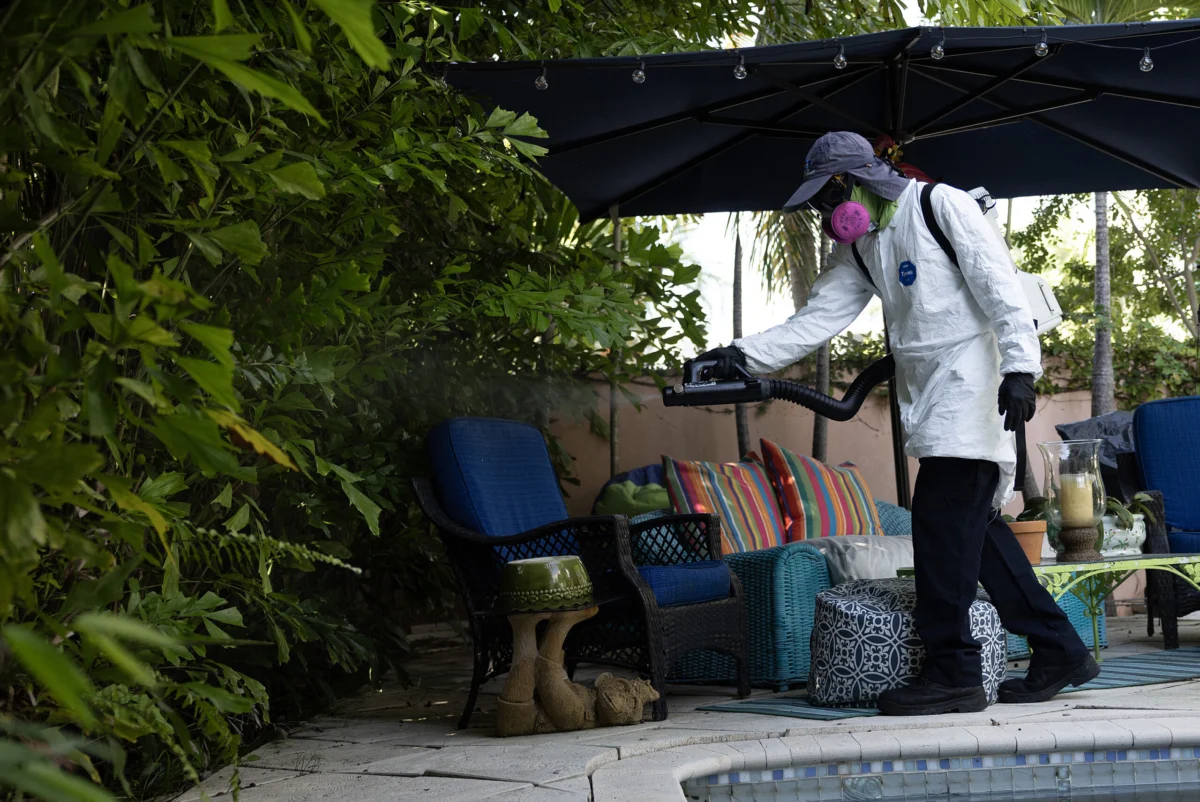
"The recent surge in neuroinvasive West Nile virus cases in El Paso, particularly among vulnerable populations, underscores the critical importance of consistent preventative measures, especially after significant rainfall."
El Paso is currently facing an elevated risk of West Nile virus (WNV) transmission following recent heavy rainfall and high winds. The City of El Paso Department of Public Health confirmed its seventh neuroinvasive case of the year on September 29, involving a man in his 50s with pre-existing health conditions who is now recovering in the hospital. This alarming development highlights a concerning trend, as the number of severe WNV cases in El Paso has already surpassed previous years, prompting urgent calls for public vigilance and adherence to preventative strategies. The accumulation of standing water from the storms provides ideal breeding grounds for mosquitoes, the primary vectors of the virus, while the warm weather continues to facilitate their hatching and activity.
The latest confirmed case resides in the 79927 ZIP code, bringing the total number of neuroinvasive WNV infections in El Paso for 2026 to seven. This figure represents a significant escalation compared to previous years, with El Paso having reported only two neuroinvasive cases in all of 2024, one of which was fatal. The current year’s count is more than three times that of 2024, indicating a heightened public health concern. Officials have not yet released figures for milder West Nile fever cases, which may go unreported, further obscuring the full scope of the virus’s presence in the community.
The neuroinvasive form of West Nile virus is particularly concerning due to its potential to affect the central nervous system, leading to severe complications, disability, or even death. City-County Health Authority Dr. Hector Ocaranza has repeatedly characterized this severe manifestation of the disease as "extremely dangerous." The virus is transmitted through the bite of an infected mosquito, which typically acquires the virus by feeding on infected birds. Humans are considered end hosts, meaning they do not typically develop high enough levels of the virus in their blood to transmit it to other mosquitoes.
The pattern of severe WNV cases in El Paso this year points to specific demographic vulnerabilities. The majority of reported neuroinvasive cases, including the most recent hospitalization, have involved adults in their 50s and older, with a significant number having underlying health conditions. These chronic health issues can include diabetes, kidney disease, cancer, or compromised immune systems, all of which can significantly increase an individual’s susceptibility to severe illness and poorer outcomes from WNV infection. This trend places a particular emphasis on families and caregivers looking after elderly relatives or individuals with chronic illnesses, as they are at the highest risk.
The progression of WNV cases in El Paso this year began in mid-July with the confirmation of two neuroinvasive infections: an 80-year-old man and a 60-year-old woman, both with significant underlying health conditions. By July 24, the number of neuroinvasive cases had risen to four, including a woman and a man in their 70s, also with pre-existing health concerns. The first reported death from West Nile virus in El Paso for 2026 occurred on August 21, involving a man in his 50s with underlying health conditions. At that time, six cases and one death had been reported, according to city releases. The addition of the seventh case underscores the ongoing and escalating threat.
For context, the Texas Department of State Health Services tracks human cases of WNV across the state, with maps illustrating the geographic distribution of infections. While El Paso’s current caseload is already a cause for concern, it is important to understand the broader spectrum of WNV infection. Most individuals infected with the virus, approximately 80%, will experience no symptoms at all. About one in five people infected will develop West Nile fever, characterized by symptoms such as fever, headache, body aches, joint pain, vomiting, or a rash. These symptoms are generally mild and self-limiting, typically resolving within a few weeks.
However, a small but significant proportion of infected individuals, about one in 150, will develop the more severe neuroinvasive form of the disease. This severe illness can manifest as inflammation of the brain (encephalitis), inflammation of the spinal cord (myelitis), or a combination of both. The symptoms of neuroinvasive WNV can be severe and include high fever, severe headache, stiff neck, disorientation, tremors, muscle weakness, paralysis, and seizures. Approximately 10% of those who develop neuroinvasive WNV will succumb to the illness.
The warning signs for severe illness demand immediate medical attention. These critical symptoms include a high fever, severe headache, a stiff neck, confusion or altered mental status, muscle weakness, tremors, or seizures. Individuals experiencing these symptoms, particularly older adults and those with underlying health conditions, should seek emergency medical care without delay. Even milder symptoms, such as fever, body aches, or a new rash, following a potential mosquito bite should prompt a consultation with a healthcare provider, who can assess the situation and consider possible WNV exposure. For individuals lacking health insurance, community health centers often offer sliding-scale fees for medical services.
Crucially, there is currently no vaccine available for humans to prevent West Nile virus, nor is there a specific antiviral medication that can treat the infection. Treatment for WNV is primarily supportive, focusing on managing symptoms and aiding recovery. For severe cases, hospitalization may be necessary to provide intensive care, monitor neurological function, and manage complications. Recovery from neuroinvasive WNV can be a prolonged process, often taking weeks or months, and some individuals may experience long-term disabilities. This underscores the paramount importance of preventative measures in mitigating the impact of the virus, especially for those most vulnerable.
The recent heavy rainfall across El Paso has created numerous opportunities for mosquito breeding. Mosquitoes that transmit WNV lay their eggs in stagnant water. Common backyard breeding sites include buckets, flowerpots, clogged gutters, old tires, birdbaths, pet water bowls, children’s toys, and even discarded containers. The recent storms have likely filled many of these common items with water, creating ideal conditions for mosquito populations to flourish. This is compounded by the fact that warm weather allows for the rapid hatching of mosquito eggs and the development of new generations of mosquitoes.
In response to the heightened risk, public health officials are strongly urging residents to re-emphasize the "Four Ds" of mosquito bite prevention, a strategy that has proven effective in reducing exposure:
-
DEET: Use EPA-registered insect repellents containing DEET, picaridin, IR3535, oil of lemon eucalyptus, para-menthane-diol, or 2-undecanone. It is essential to follow the product label instructions carefully, especially regarding application for children and infants. The concentration of DEET or other active ingredients influences the duration of protection. Store brands with the same active ingredients can be equally effective and more budget-friendly. The EPA’s online repellent search tool can assist families in selecting appropriate products.
-
Dress: Wear long sleeves, long pants, and socks when spending time outdoors, particularly during peak mosquito activity hours. This physical barrier significantly reduces the exposed skin available for mosquito bites.
-
Dusk and Dawn: Limit outdoor activities during dusk and dawn, as these are the times when many mosquito species are most active and likely to bite. For individuals who spend time on their porch or in their yard during these periods, the risk of exposure is heightened.
-
Drain: Eliminate all sources of standing water in and around your home. After every rain event, residents should conduct a thorough yard inspection to empty any containers that can hold water. This includes plant saucers, buckets, pool covers, birdbaths, pet bowls, children’s toys, and discarded tires. Clearing clogged gutters is also crucial, as they can accumulate water and become breeding grounds. Pet water bowls should be refreshed daily. A second inspection a few days after the initial clearing can help identify containers that may have refilled, a step that is often overlooked.
Beyond individual yards, residents can also play a role in community-wide prevention efforts. Reporting areas of standing water or potential mosquito breeding sites to the city can help public health officials target their surveillance and control efforts. Residents can call (915) 212-6000 or dial 311 to report such sites. Neighbors can also collaborate to check vacant lots and shared community spaces, recognizing that mosquitoes do not adhere to property lines.
The mosquito season in the Borderland region typically extends until cooler fall temperatures set in, meaning the risk of WNV transmission has not yet passed. As the city continues to report new cases, the need for sustained vigilance remains critical. For El Paso families, the focus should be on practical, actionable steps: diligently draining standing water, employing effective personal protection measures, and closely monitoring older relatives and individuals with chronic health conditions for any signs of illness. While most WNV infections are mild, the seven severe cases reported this year serve as a stark reminder of the virus’s potential to cause severe harm. Even a few minutes spent performing yard work after each storm can significantly lower the risk for everyone in the household, contributing to a healthier and safer community.
