
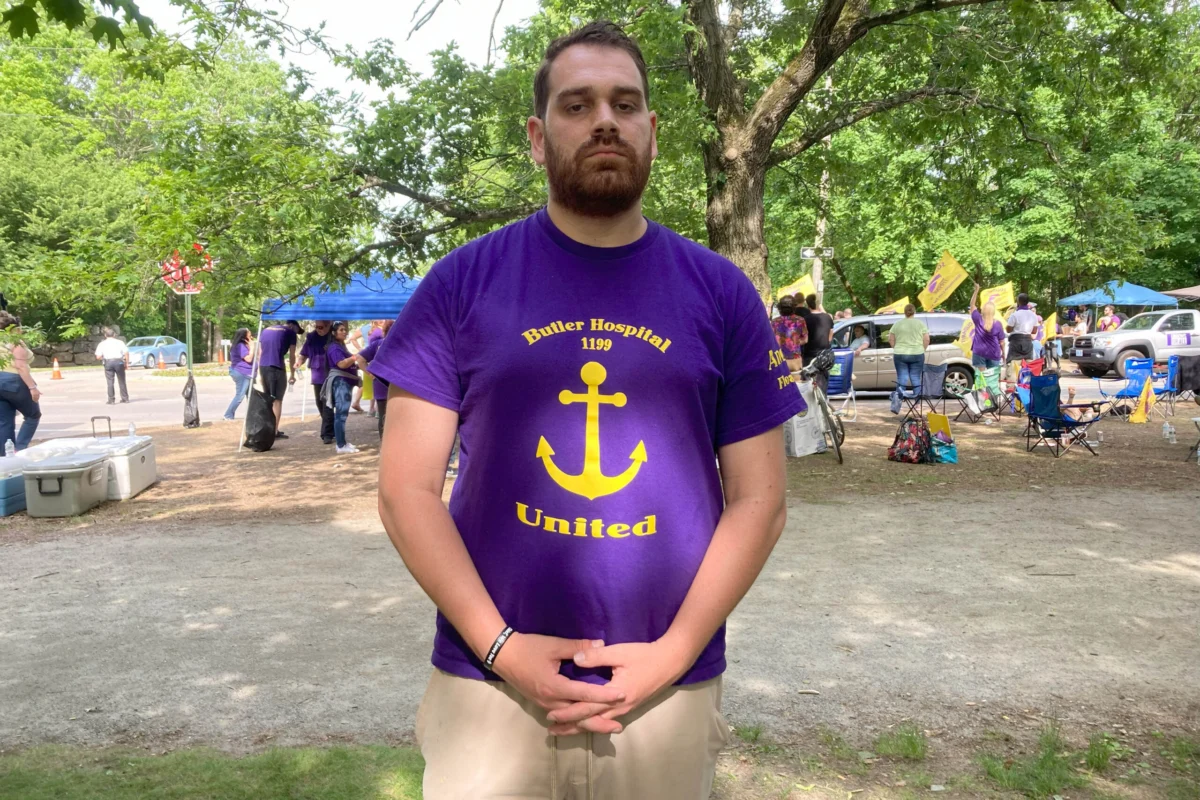
"We have zero tolerance for violence of any kind," states Henry Ford Health spokesperson Dana Jay, yet Nurse Crystal Dhooghe recounts a grim reality of colleagues being shoved, pushed, scratched, and even bitten. This stark contrast highlights the pervasive and intensifying issue of workplace violence plaguing the healthcare industry, pushing dedicated professionals to their breaking point.
Nurse Crystal Dhooghe, accustomed to the demanding environment of an emergency room, never anticipated witnessing such a pervasive level of aggression directed at her own colleagues. Her experience at Henry Ford Genesys Hospital in Grand Blanc, Michigan, is not an isolated incident but a symptom of a widespread "national epidemic," as acknowledged by Henry Ford Health. The prevalence of workplace violence in healthcare has become a significant catalyst for labor actions, igniting strikes across multiple states including Louisiana, New York, Pennsylvania, Rhode Island, and Michigan. Dhooghe, who has been on the picket line with many of her coworkers since Labor Day of the previous year, expresses the frustration of many: "People will question me and be like, ‘Why are you still working in a place if you’re treated like this?’" The disheartening truth, she adds, is that seeking employment elsewhere offers little respite, as "It’s the same everywhere I go."
This surge in violence against healthcare workers is not merely anecdotal; it is substantiated by alarming statistics. According to the most recent data from the Bureau of Labor Statistics, hospital workers are seven times more likely to sustain injuries from violent acts on the job compared to the general working population. This grim reality is at the heart of a growing conflict, pitting healthcare professionals’ demands for better compensation and adequate staffing against the financial pressures faced by hospital operators striving to control costs. The situation has become so dire that it has been dramatized in popular media, with shows like "The Pitt" depicting the extreme conditions.
Rachel Odes, an assistant professor at the University of Wisconsin-Madison School of Nursing, aptly describes emergency rooms as "a powder keg," a volatile environment where violent outbursts, often referred to as "code gray" in hospital parlance, are unfortunately common. These incidents can be sudden and unpredictable, making prevention a significant challenge. However, research indicates a strong correlation between understaffing, insufficient employee training, and an increased risk of workplace violence.
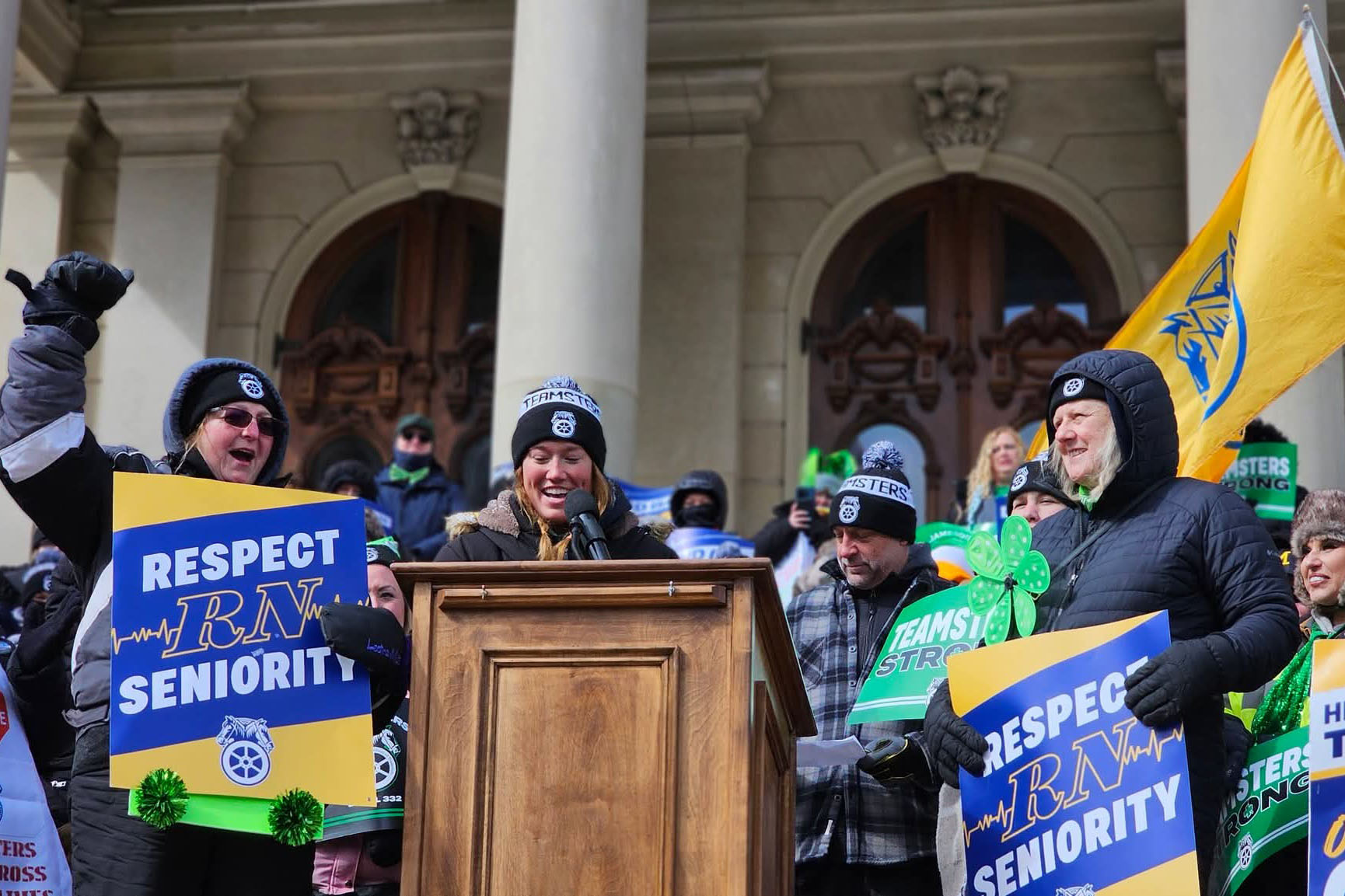
The personal toll of this violence is vividly illustrated by the experience of mental health worker Andrew Kimball-Mirzaie. In February 2024, while working at Butler Hospital in Providence, Rhode Island, he was assaulted by a patient he was assigned to monitor. Kimball-Mirzaie, who had been at the private psychiatric hospital for only six weeks, was in a back room with the patient when the unprovoked attack occurred, resulting in a concussion and a broken nose. The incident was meticulously documented in the hospital’s incident log. Reflecting on the assault, Kimball-Mirzaie stated, "I understand that there is an inherent danger with the job." He emphasized that his concern was not with the patient, who was severely ill at the time, but with the lack of adequate support and preparation. "We should have had at least another staff member with us," he asserted, "and I should have been adequately trained on the unit."
This traumatic experience galvanized Kimball-Mirzaie to join approximately 700 other unionized Butler workers in a protracted strike that spanned several months in the spring and summer of 2025. The strike, which led to the closure of nearly half of the hospital’s beds, was ultimately declared a victory by the Service Employees International Union 1199 New England. The resolution included wage increases designed to improve staff recruitment and retention, financial support for workers injured on the job, and the establishment of a joint "time bank" to supplement compensation for injured employees requiring extended recovery periods.
Despite these gains, the underlying issues persist. Just five months after the strike concluded, a nurse supervisor at Butler Hospital was forced to call 911 following an assault on staff by an unarmed patient in the hospital’s emergency room. According to the police report, by the time law enforcement intervened, the patient had injured two nurses, a security guard, and a police officer. Butler’s president and chief operating officer, Mary Marran, acknowledged the importance of proactive safety measures, stating that hospital leadership regularly convenes with staff to review and enhance protection protocols for everyone. The patient in this incident faced multiple felony assault charges.
The American Hospital Association has been actively advocating for stronger punitive measures as a deterrent to workplace violence. They have been lobbying Congress to establish assaulting healthcare workers as a federal crime, carrying penalties of up to 10 years in prison. This legislative push aligns with similar laws already enacted in at least 45 states, including Michigan and Rhode Island. However, workplace safety experts remain skeptical, noting a lack of evidence to suggest that such punitive laws have effectively reduced the incidence of violence against healthcare professionals.
In contrast to the emphasis on punishment, striking healthcare workers across the nation have increasingly championed the demand for "safe staffing" as a primary solution to mitigating workplace violence. This call for adequate staffing levels is gaining traction and has captured the attention of The Joint Commission, the accrediting body for a vast majority of U.S. hospitals and health systems. In January, The Joint Commission implemented national performance goals requiring hospitals to ensure proper staffing and provide staff with comprehensive training for safe and quality patient care.
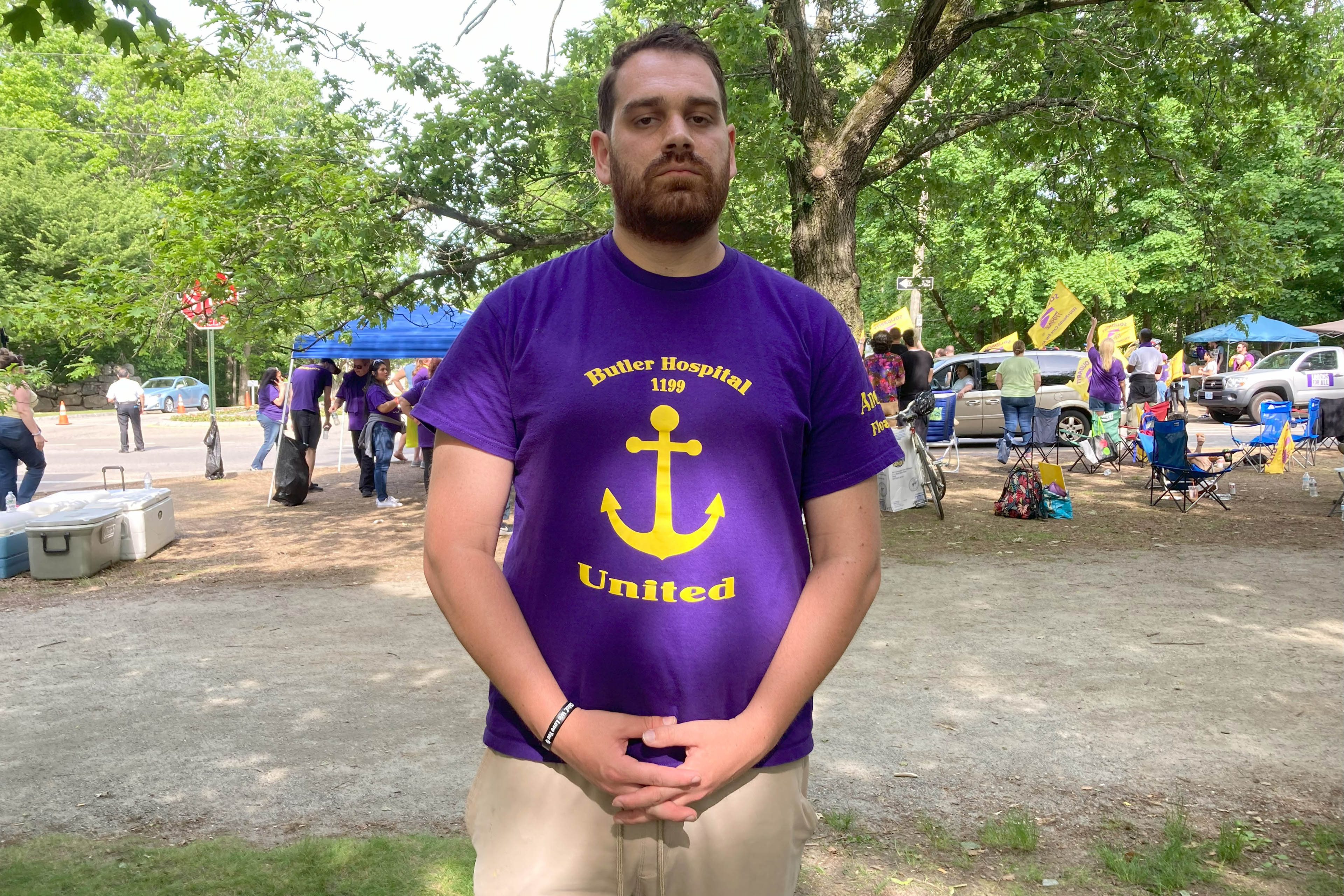
Despite these developments, a critical gap remains: the absence of a federal law that mandates nurse-to-patient ratios across all healthcare settings. The National Nurses United, the nation’s largest nurses union, has been advocating for such a national standard since 2018. Jane Thomason, lead industrial hygienist for National Nurses United, emphasizes the importance of safe staffing: "Hospitals must ‘safely staff all units’ to enable nurses to ‘provide the care that patients need before they get agitated or disoriented.’"
A few states have taken the initiative to enact their own staffing laws. California, for instance, has implemented broad mandatory nurse staffing ratios, which research indicates have been associated with lower mortality rates and potentially higher staff retention. Oregon has also enacted a staffing law, albeit with certain exceptions. Efforts to introduce similar legislation in Massachusetts and New Jersey have thus far failed to progress.
The American Hospital Association, however, expresses reservations about mandatory minimum nurse staffing ratios. Spokesperson Colleen Kincaid argues that such mandates would "remove real-time clinical judgment and flexibility," exacerbate existing staffing shortages, and potentially lead to the diversion of patients or delays in care. Kincaid points to California’s experience, where new emergency nurse staffing ratios for psychiatric hospitals have reportedly resulted in bed closures in several counties, impacting the availability of critical mental health services.
Jordan Barab, a former deputy assistant secretary of labor for OSHA, suggests that alternative strategies beyond simply increasing staffing levels can effectively combat workplace violence. He highlights the efficacy of de-escalation training for employees, the installation of metal detectors, and the presence of specially trained security guards who can respond promptly to incidents, thereby reducing the reliance on delayed police intervention.
Debbie Berkowitz, a worker safety and health policy expert at Georgetown University, voices concerns that upcoming health provisions in proposed congressional legislation could strain hospital budgets. She posits that when funding becomes constrained, "protecting workers is going to be the first thing that gets cut," potentially exacerbating the very issues plaguing the healthcare workforce. This complex interplay of understaffing, patient safety, and financial pressures continues to define the ongoing struggle for a safer healthcare environment.
