
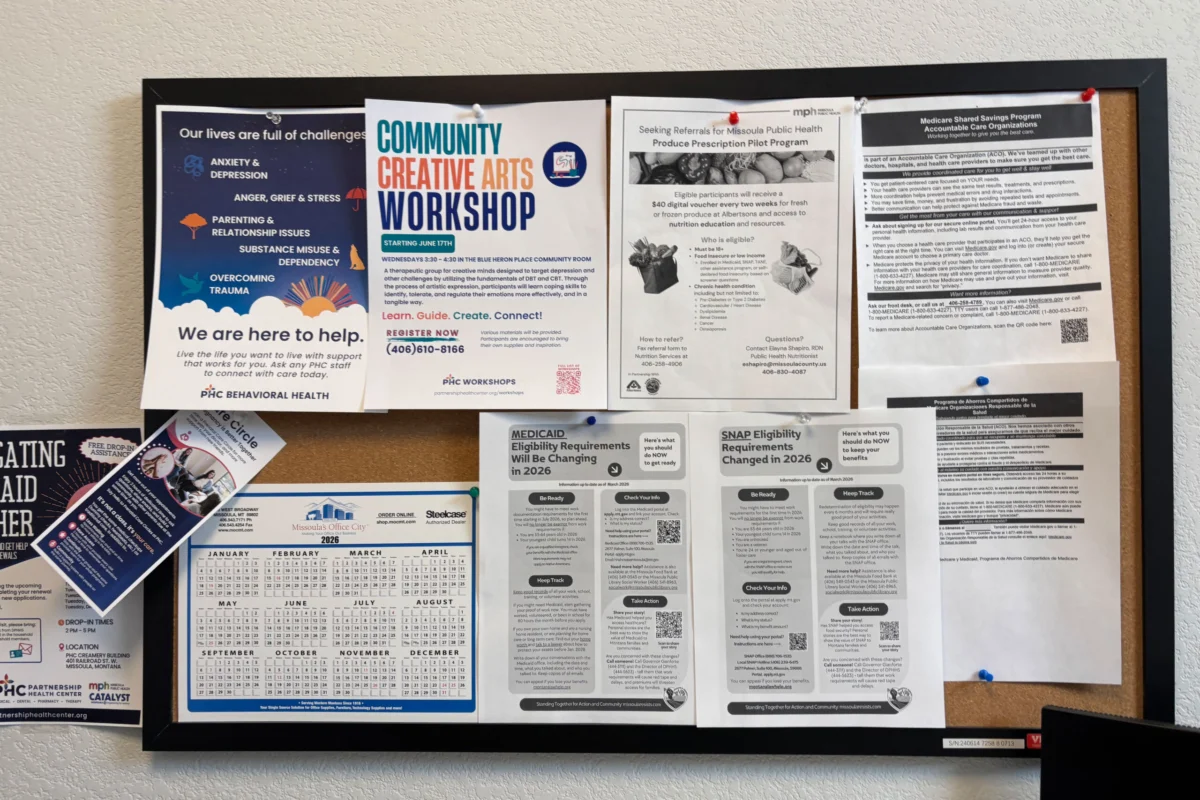
"Millions of Americans relying on Medicaid face the prospect of losing their health coverage due to new federal work requirements, a policy designed to encourage employment but which critics argue could jeopardize the health of the nation’s most vulnerable, including those experiencing homelessness and individuals with chronic conditions."
The implementation of federal work requirements for Medicaid recipients, a policy finalized in the spring and slated for state-level enforcement by January, is poised to significantly alter access to healthcare for millions. While proponents, like former CMS Administrator Mehmet Oz, have framed these requirements as a "path to prosperity" and a means to encourage work, a growing chorus of critics and affected individuals express deep concern that the stringent regulations will disproportionately harm those least able to meet the new demands. States like Montana, Arkansas, and Nebraska have already begun enacting these measures, setting a precedent for the broader national rollout. The core of the policy mandates that many Medicaid enrollees must prove they are working, volunteering, or attending school to retain their benefits. However, the exemptions provided by the federal government are narrow, leaving individuals in precarious situations, such as experiencing homelessness, struggling to maintain their coverage, even when their health conditions make employment a significant challenge.
Tywon Pugh, a 46-year-old resident of Missoula, Montana, exemplifies the profound challenges faced by individuals caught in the crosshairs of these new Medicaid regulations. Pugh lives with seizures that have historically made consistent employment difficult, leading to past dismissals from jobs. He recounted being labeled a "liability to the job site" by a former manager after a seizure impacted his work at a fast-food establishment. For ten years, his wife provided financial stability and managed their household during his periods of unemployment. Her death last year, however, shattered his support system, leading to homelessness and exacerbating his struggles with alcohol, which in turn complicated his seizure management. "When she died, my whole base was depleted," Pugh stated, underscoring the devastating impact of his loss.
Medicaid currently covers Pugh’s prescription medications, essential for managing his seizures. It also offers the potential for addiction treatment, a program he has sought to enter but is currently hindered by a waiting list. His primary objective is to regain his health and re-enter the workforce, but he harbors significant anxiety about his continued eligibility for the Medicaid coverage that is crucial to achieving this goal.
The federal government’s finalized regulations represent a significant shift in Medicaid policy, moving away from a primarily needs-based system towards one that emphasizes engagement in specific activities. The Trump administration’s framework allows for exemptions for certain groups, including individuals with disabilities, those over 64, pregnant individuals, and Native Americans. However, for those not falling into these clearly defined categories, the burden of proof shifts to demonstrating that they are too ill to work. A particularly contentious aspect of these rules is the federal government’s stance that homelessness, in itself, does not constitute a medical condition and therefore does not automatically qualify an individual for an exemption. This position stands in contrast to the historical inclinations of some conservative policymakers and the proposed policies of at least four states—Montana, Arizona, Kentucky, and Utah—which had previously considered homelessness as a valid reason for exemption.
The Centers for Medicare & Medicaid Services (CMS) declined to provide an on-the-record comment to KFF Health News but confirmed that states must adhere to the federally defined list of exemptions. This directive comes at a time when homelessness in the United States has seen a substantial increase. Data from the Department of Housing and Urban Development (HUD) indicates a 27% rise in homelessness between 2013 and 2025, with approximately 746,000 individuals experiencing homelessness in the past year. While the precise number of homeless individuals enrolled in Medicaid is difficult to ascertain, a significant portion of those receiving care through Health Care for the Homeless programs are covered by Medicaid. In 2023, 55% of patients served by these programs were enrolled in Medicaid.
Jennifer Tolbert, deputy director of KFF’s Program on Medicaid and the Uninsured, described the federal regulations as more stringent than many states anticipated, even those that had supported the concept of work requirements. "It took everyone by surprise," Tolbert remarked. Conversely, Mehmet Oz, then leading CMS, presented the regulations as a pathway to enhanced economic well-being for beneficiaries. The administration’s push for these requirements has faced legal challenges, with 25 states filing a lawsuit in June arguing that the "medical frailty" standard for exemption would be exceedingly difficult for both enrollees to meet and for states to administer. Projections from the Congressional Budget Office suggest that these work requirements could lead to an increase of over 5 million uninsured individuals nationwide by 2034.
As most states prepare to implement these changes in January, Montana is set to begin disenrolling Medicaid beneficiaries who fail to demonstrate compliance with the work requirements as early as October. Pugh voiced his immediate concerns: "My Medicaid is still active, but when are they gonna cut that off from me? I can’t get employed. How am I supposed to survive?"
The divergence between state and federal exemption lists extends beyond homelessness. Montana lawmakers had also intended to exempt individuals fleeing domestic violence and those caring for hospitalized family members—categories absent from the federal list. In 2019, Republican state Rep. Ed Buttrey, who did not comment for this article, stated regarding Montana’s first Medicaid work requirement bill, "These are simply parties that, due to a number of conditions, cannot meet those requirements." Federal officials contend that many individuals experiencing homelessness might qualify for exemptions based on medical conditions. However, Montana’s system for automatically verifying these medical exemptions through existing records is still under development, though a health department spokesperson indicated it should be operational by October. Those not automatically exempted will have a 30-day window to provide proof of their circumstances.
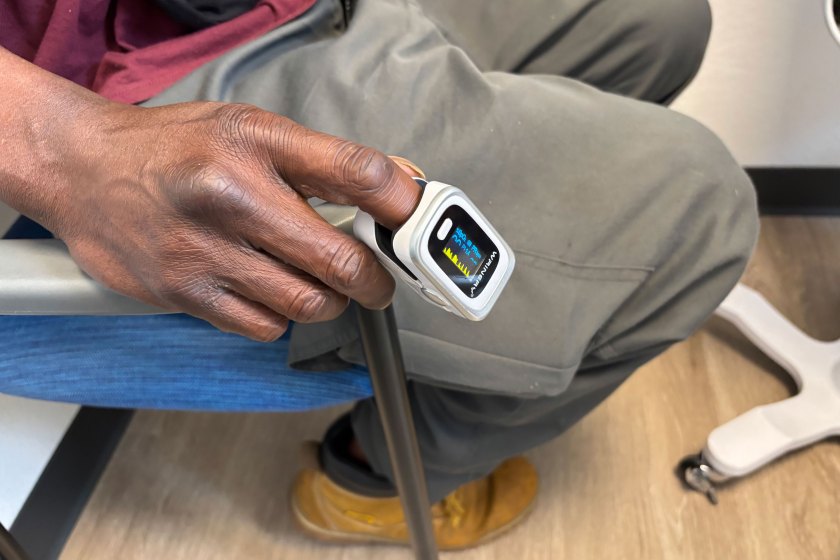
Tywon Pugh may potentially qualify for a medical exemption due to his seizures. However, the logistical challenges he faces in accessing healthcare are substantial. The anniversary of his wife’s death has recently passed, a period marked by the daily uncertainty of finding a new place to sleep. A recent incident where he lost his wallet and important documents while camping further compounded his difficulties. With addiction treatment centers that accept Medicaid already overbooked, Pugh has been relying solely on his willpower to abstain from alcohol. "I’m taking it one day at a time," he shared.
In Kalispell, approximately two hours north of Missoula, Dustin Goss, a case manager at Samaritan House, a local homeless shelter, echoed concerns about the bureaucratic hurdles individuals may face. "You can’t really worry about getting paperwork done when you don’t know where you’re eating today," Goss observed, highlighting the immediate survival needs that often supersede administrative tasks. Cassidy Kipp, director of Samaritan House, noted that while clients often find employment after securing shelter, meeting the new Medicaid requirements can still be problematic. Many initially take on temporary or informal jobs, such as manual labor, which may not provide the pay stubs required to prove compliance.
Kaitlyn Bosshardt, a social worker at Missoula’s Partnership Health Center, has witnessed an increasing number of individuals priced out of their homes due to escalating housing costs outpacing wage growth, coupled with a scarcity of affordable housing and rental assistance. Partnership Health Center, like approximately 1,400 other federally funded health centers nationwide, provides care on a sliding scale based on income, ensuring some level of access even for those who lose Medicaid. However, these clinics face the potential for financial strain if a significant number of patients lose their insurance coverage. Furthermore, these centers typically do not offer specialty care services.
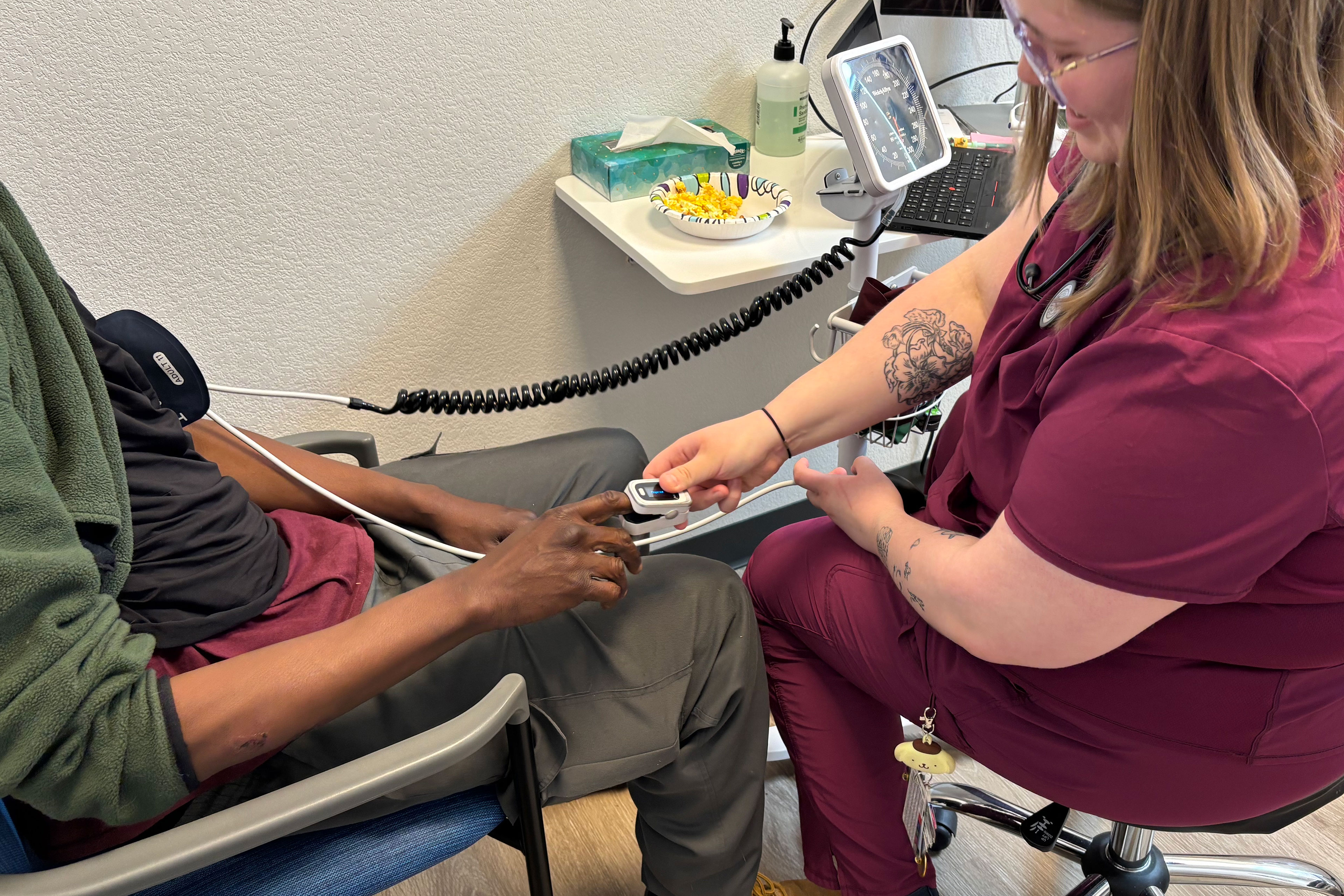
During a recent visit to the Watershed Navigation Center, a refuge for individuals experiencing homelessness run by Partnership Health, Tywon Pugh met with his doctor, Atarah Sidey. Dr. Sidey informed Pugh that the neurology clinic managing his seizures had discharged him due to three missed appointments. She referred him to another neurologist in town and discussed potential avenues for addiction treatment. Pugh expressed his determination, stating to Sidey, "It’s just that if I don’t make the effort at changing, it ain’t gonna happen and I’m gonna end up found on the side of the road somewhere." Dr. Sidey offered words of encouragement, "You got this, though, Tywon. You can do this."
Pugh has since connected with a social worker to assist with maintaining his Medicaid coverage. By late July, he was awaiting an opening at a Missoula addiction treatment center and anticipating responses from two job applications. In moments of doubt, he draws strength from the memory of his wife, imagining her urging him to remain calm and hopeful. "I just don’t wanna lose hope in the meantime," he concluded.
