
"The emotional toll on children whose parents are caught in the crosshairs of immigration enforcement is profound and lasting, creating a generation grappling with anxiety, trauma, and uncertainty that impacts their health, education, and future well-being."
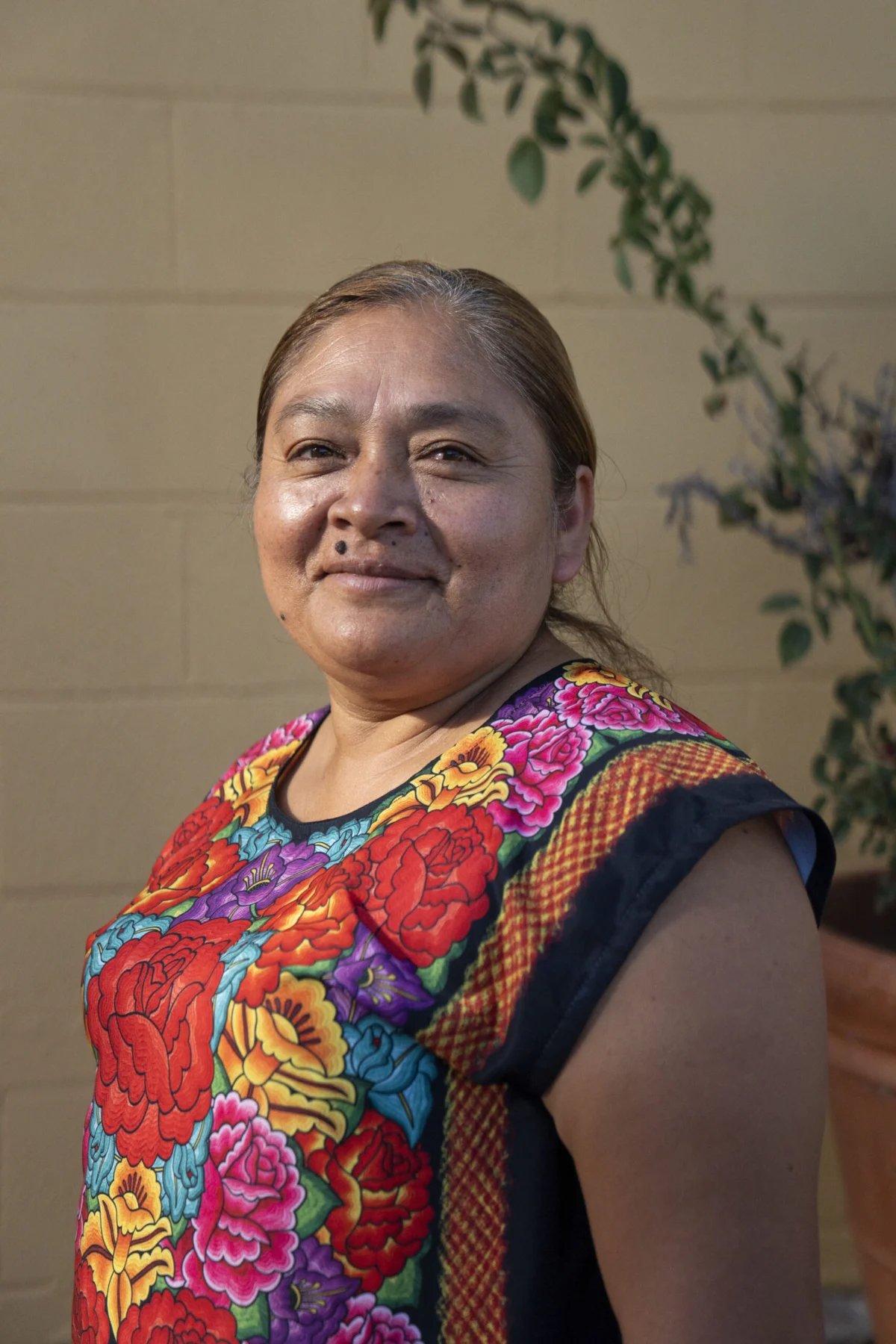
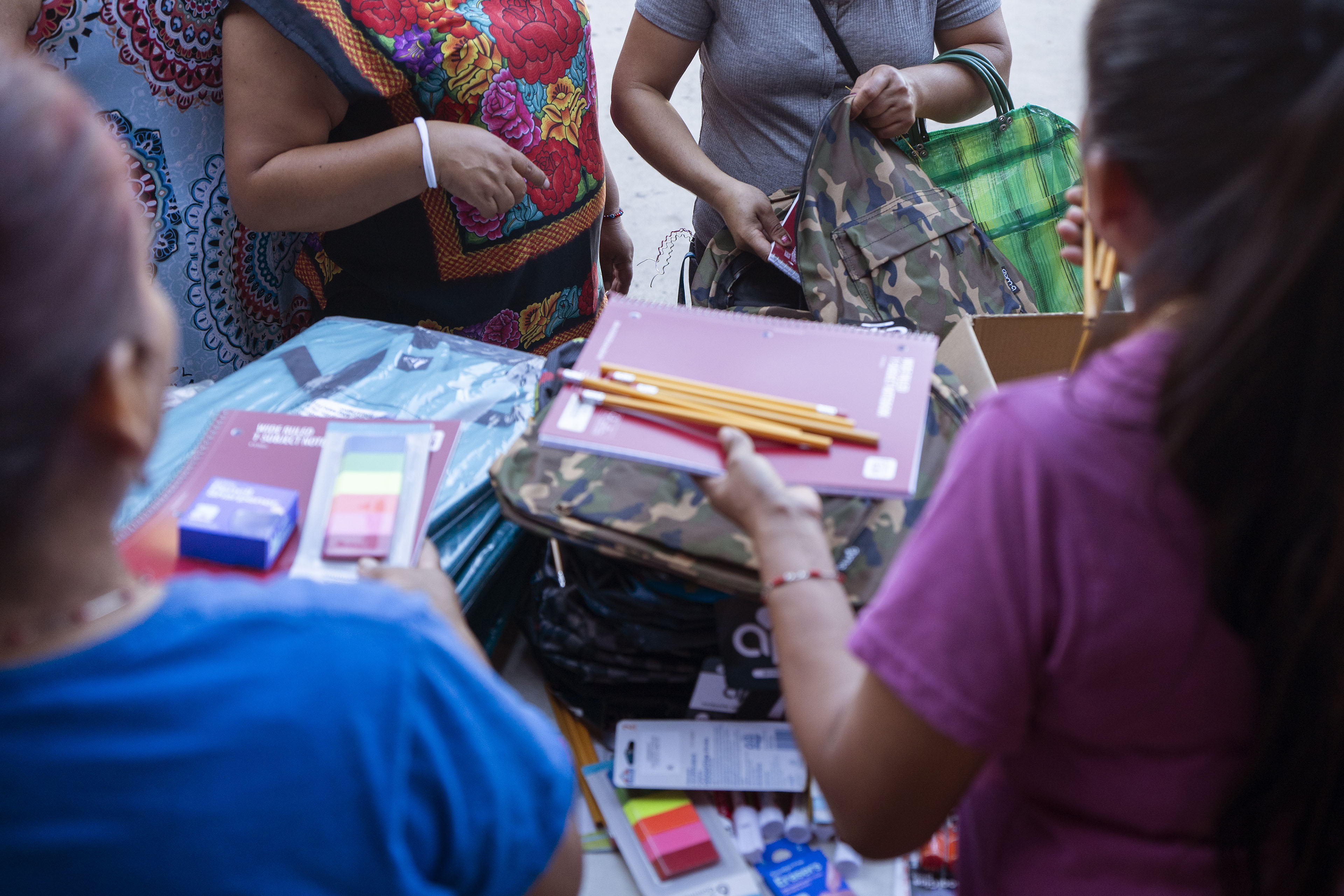
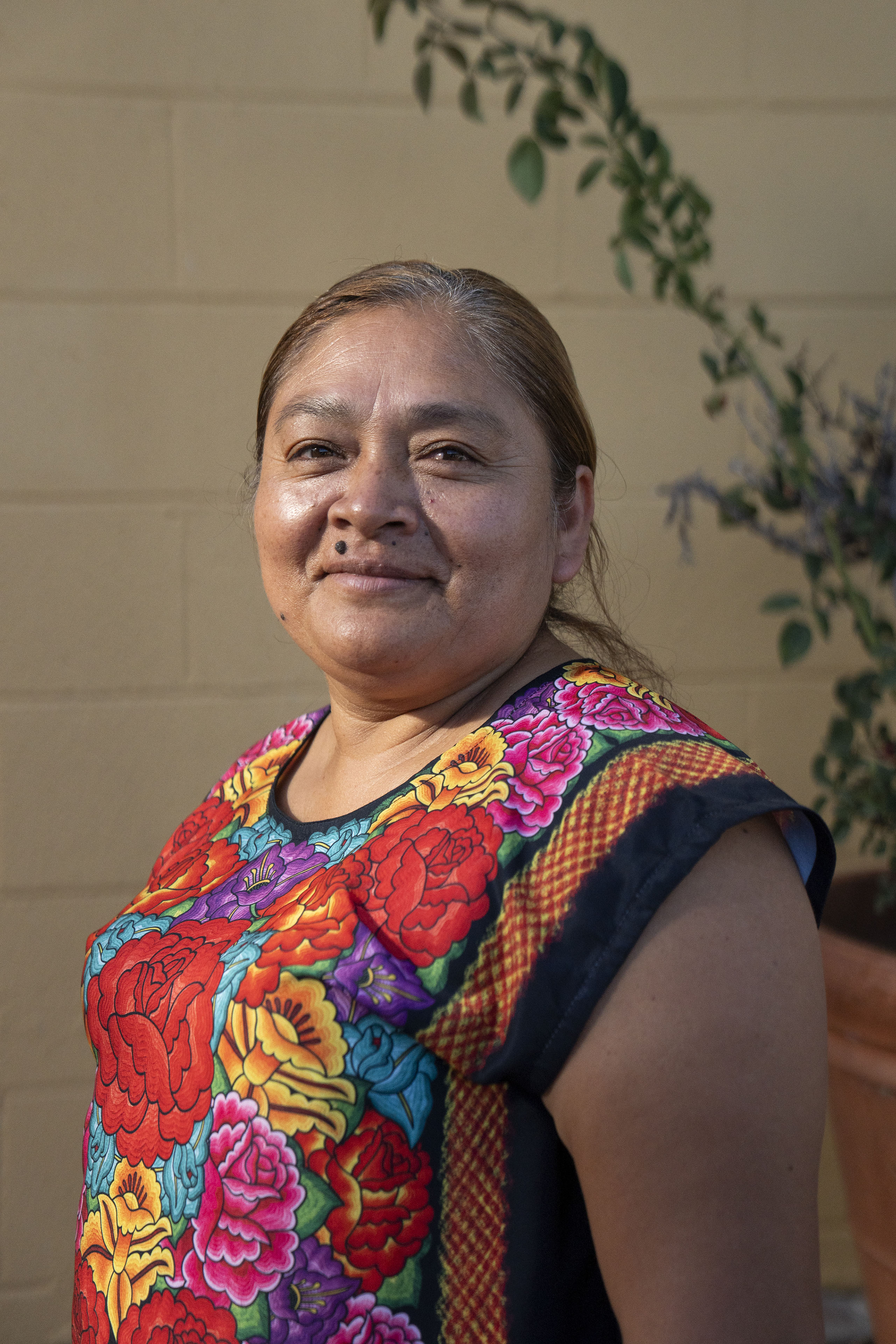
The hopeful gaze of a young girl, seeking reassurance from a stranger that her mother would return, encapsulates the heartbreaking reality faced by countless children in immigrant families across the United States. This poignant moment, witnessed by Norma Gómez, a project manager for a nonprofit supporting immigrant families, highlights the devastating human cost of federal immigration policies. As federal agents detain parents, children are left behind, their lives destabilized and their futures clouded by fear and insecurity. This article delves into the multifaceted impacts of stringent immigration enforcement on children, examining the psychological, social, and economic consequences for families and the nation.
The arrest of parents by federal immigration agents, as seen in Oxnard, California, where a father was taken from his family, leaves behind a vacuum of care and emotional support. Gómez, accustomed to providing essential supplies like food and diapers to affected families, found herself unable to offer the one thing the child desperately needed: her mother’s return. This inability to provide a truthful yet comforting answer underscores the helplessness felt by many in the face of such policies. The consequences extend far beyond the immediate family, impacting an estimated 205,000 children who have at least one parent detained by immigration authorities, a number that has continued to rise. The psychological harm of parental separation is well-documented, leading to immense stress that destabilizes families. Remaining caregivers, often overburdened, struggle to secure housing, food, and medical care for the children, while some children are left to fend for themselves.
The ripple effects of immigration enforcement are not confined to families experiencing detention or deportation. Children from immigrant backgrounds, regardless of their own legal status or citizenship, live under a pervasive cloud of fear. This chronic stress manifests in increased emotional distress, heightened bullying in school, and pervasive anxiety about racial profiling by Immigration and Customs Enforcement (ICE). These fears are particularly acute for the approximately 1 in 4 U.S.-born children who have at least one immigrant parent, including the 4.6 million with a parent lacking legal status. The trauma experienced by these children can have long-term developmental consequences, hindering their academic success, overall health, and ability to thrive as adults, as noted by Wendy Cervantes, director of immigration and immigrant families at the Center for Law and Social Policy.
The shift in federal policy under President Donald Trump’s administration has intensified these pressures. An executive order aiming to end birthright citizenship for children born to parents without legal status, though ultimately blocked by the Supreme Court, signaled a broader agenda. Billions of dollars have been allocated to immigration enforcement, leading to the detention of parents of an estimated 145,000 U.S. citizen children. The administration has also sought to revoke Temporary Protected Status (TPS) for over a million immigrants, many of whom have U.S. citizen children, and has stalled renewals for the Deferred Action for Childhood Arrivals (DACA) program, impacting parents of an estimated 300,000 citizen children.
While White House officials assert that immigration crackdowns benefit American citizens by freeing up resources and enhancing public safety, studies suggest that mass deportations can harm U.S. workers and have significant negative economic repercussions. The argument that birthright citizenship encourages unauthorized immigration and "birth tourism" is a recurring theme, as is the claim that TPS allows individuals from "dangerous, third-world countries" to remain in the U.S. indefinitely. However, research consistently demonstrates that immigrants, over time, tend to earn more, achieve better economic outcomes, assimilate rapidly, and rely less on welfare programs than native-born Americans. Stephen Miller, a key architect of these policies, has propagated the narrative that immigrants and their descendants recreate the challenging conditions of their homelands, a view contradicted by data on immigrant integration and economic mobility.
Beyond enforcement, policy changes are curtailing access to essential public benefits. A tax-and-spending law enacted by the Trump administration restricts immigrant eligibility for health and food assistance programs. Furthermore, new "public charge" rules grant immigration officers broad discretion to deny green cards to lawfully present immigrants who have utilized public benefits, potentially leading to over a million U.S. citizen children disenrolling from safety net healthcare programs.
The trauma associated with parental separation is profound and can lead to lifelong health problems, including anxiety, depression, cardiovascular disease, and learning difficulties. Children separated from their parents at the border have exhibited lasting trauma, and deportations and detentions have been linked to widespread emotional distress, increased school dropout rates, housing instability, and hunger among both immigrant and U.S.-born children. The societal cost is substantial, with a 2024 study estimating that childhood trauma accounted for $292 billion in healthcare spending in 2021 alone.
Stories from communities like Oxnard illustrate the daily anxieties. Emmanuel, a 13-year-old, experiences acute anxiety whenever his father, a farm laborer, leaves for work, constantly seeking reassurance that he will return and worrying about his parents’ potential detention. This pervasive fear compels him to rush his mother when they are in public, vigilant for any sign of ICE activity. Pediatricians and therapists report a significant increase in mental health issues, particularly anxiety, among children from immigrant families, leading to frequent referrals for mental health services. Some children arrive at daycare with packed bags, prepared for the possibility that their parents might not return to pick them up. The distress can culminate in tragic outcomes, as seen in the case of Eliel José, a 19-year-old who died by suicide after his father’s deportation. Many families face additional barriers to care due to job losses resulting from worksite raids or eligibility restrictions, further exacerbating their inability to afford therapy.
Despite these immense challenges, resilience is evident among many children. In a role reversal, some young individuals have taken on protective roles for their families, managing grocery shopping and escorting younger siblings to school to minimize their parents’ need to leave the house. Community networks, volunteer organizations, and healthcare providers have mobilized to offer support, delivering groceries, providing free therapy, accompanying children to school, and assisting parents in creating emergency childcare plans.
The path forward requires a fundamental shift towards more humane immigration policies and enforcement tactics. Experts point to the Family Case Management Program, piloted under President Obama, as a successful model. This program allowed families seeking asylum to remain in their communities while their cases were resolved, providing support through case managers. Although deemed cost-effective and successful, it was terminated by the subsequent administration.
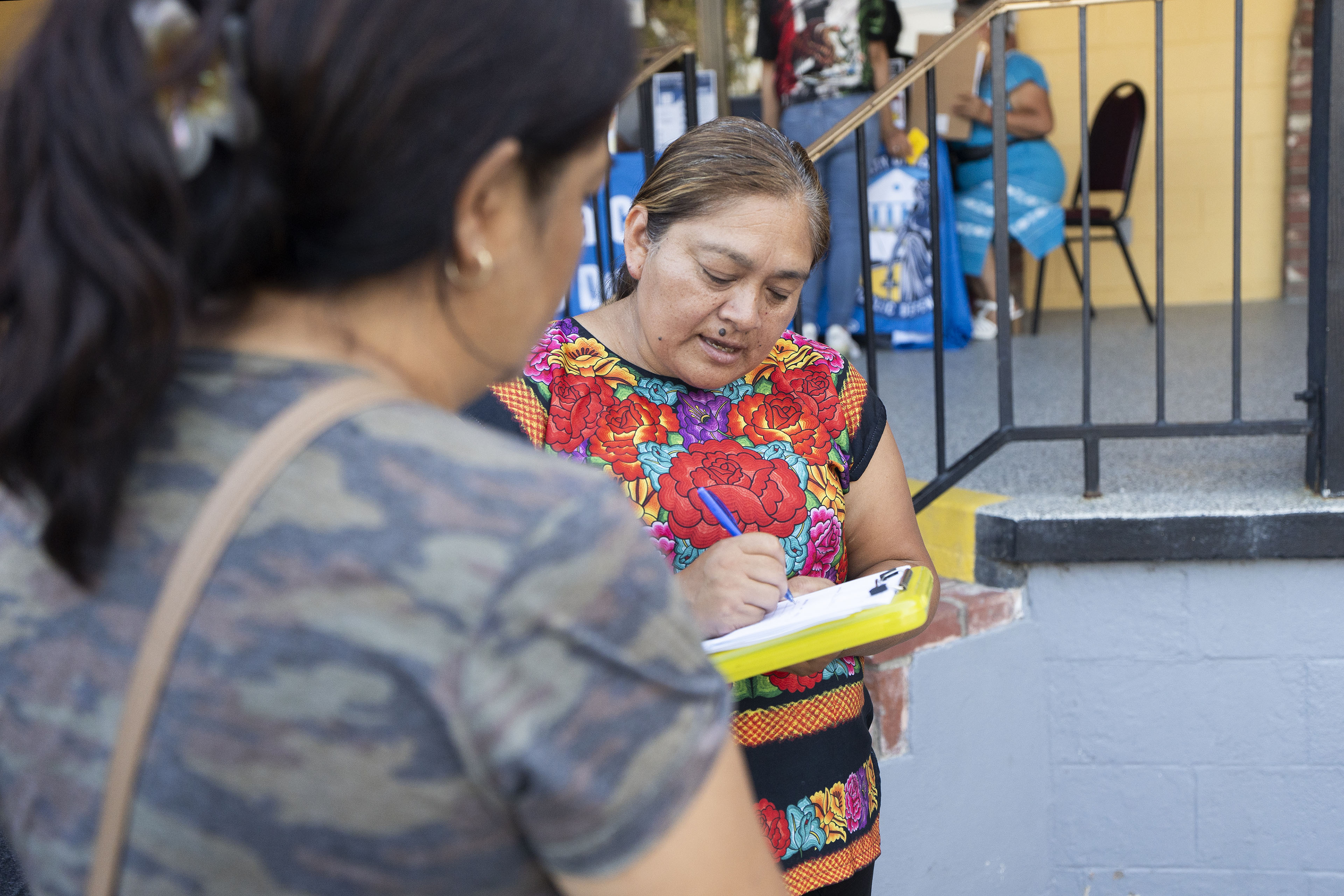
Case managers like Mabel Alavez at Venice Family Clinic witness firsthand the anxieties of families who remain together but live under the constant threat of separation. Many have lived in the U.S. for decades and fear basic activities like taking their children to school or the park, or even enrolling U.S.-born children in Medicaid. These families often face eviction due to fear of working and subsequent inability to afford rent. Alavez, herself raised in an immigrant family, understands the profound challenges faced by first-generation American children navigating their identity and sense of belonging in a country that is not their parents’ homeland, especially amidst the current climate of fear and uncertainty. The long-term impact on this generation remains a significant concern, with its ultimate shape yet to be fully understood.
