
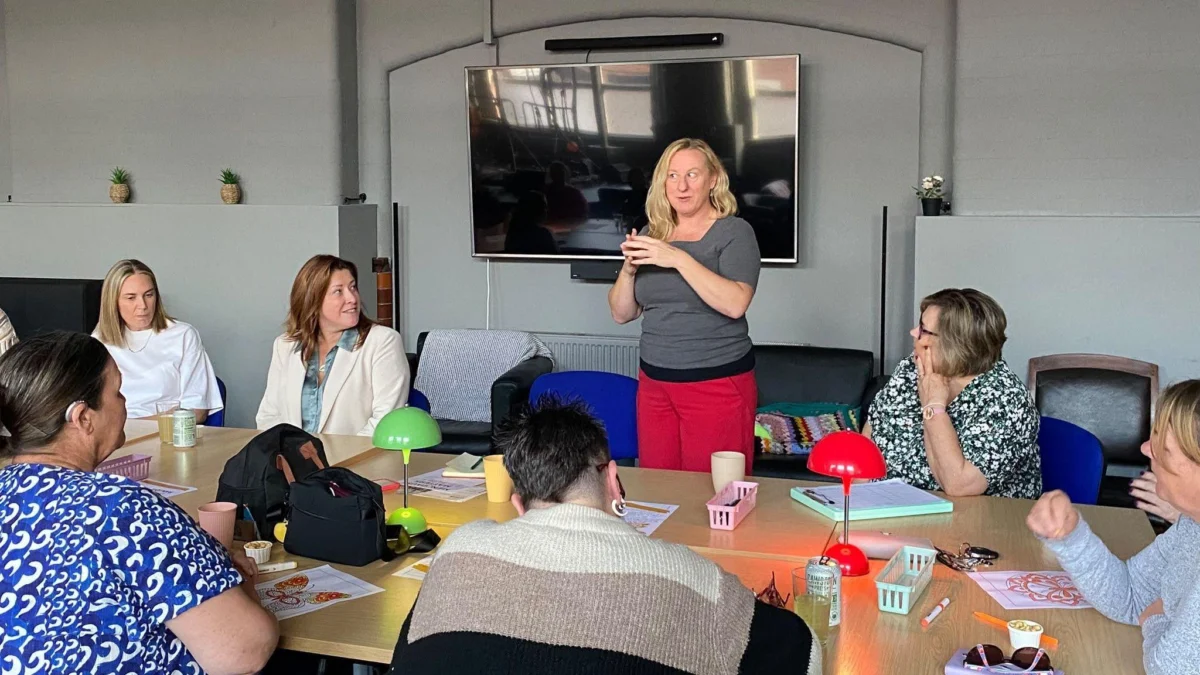
"This pioneering online event aims to demystify the often-overlooked link between menopause and chronic pain, fostering a vital county-wide conversation and empowering women to seek comprehensive support and thrive beyond their symptoms."
On World Menopause Day, a significant virtual gathering hosted by South Cumbria’s Menopause Matters group is poised to illuminate the critical issue of chronic pain experienced during perimenopause and menopause. This free online forum is not merely an informational session but a crucial step towards validating the experiences of countless women, providing a platform for shared insights, expert guidance, and a collective push towards better health outcomes in midlife. By addressing this year’s International Menopause Society theme, "Chronic Pain At Midlife," the event underscores the urgent need to expand the dialogue beyond traditional menopausal symptoms and tackle the debilitating impact of persistent pain on women’s lives.
Menopause, a natural biological transition marking the end of a woman’s reproductive years, is officially diagnosed after 12 consecutive months without a menstrual period. This phase is typically preceded by perimenopause, a period that can last for several years, during which hormonal fluctuations begin. While hot flashes, night sweats, and mood changes are widely recognized symptoms, the profound and often debilitating experience of chronic pain during this transition remains significantly under-addressed in public discourse and medical practice.
World Menopause Day, observed annually on October 18th, is an initiative by the International Menopause Society (IMS) dedicated to raising awareness about menopause and the support options available for improving health and well-being. Each year, the IMS selects a theme to highlight specific aspects of the menopausal journey. This year’s focus on "Chronic Pain At Midlife" is particularly pertinent, drawing attention to a pervasive yet frequently dismissed symptom complex that significantly diminishes the quality of life for millions of women globally. The decision to spotlight this issue reflects a growing recognition that menopausal health extends far beyond reproductive changes, encompassing a wide array of physical and psychological impacts.

The biological underpinnings of menopausal pain are complex, primarily linked to the dramatic decline in estrogen levels. Estrogen plays a crucial role in various bodily functions, including regulating inflammation, modulating pain perception, maintaining bone density, supporting muscle integrity, and influencing nerve function. As estrogen levels fall, women can become more susceptible to inflammatory processes, reduced pain thresholds, and changes in connective tissues. This hormonal shift can exacerbate existing pain conditions or trigger new ones, often manifesting as musculoskeletal pain, such as joint aches (arthralgia), muscle stiffness (myalgia), and generalized body pain.
Indeed, statistics from the International Menopause Society reveal a stark reality: nearly three out of four women experience joint or muscle pain during perimenopause. Furthermore, women are up to 70% more likely than men to experience chronic pain generally, a disparity that often intensifies during midlife. These figures underscore a significant public health challenge that demands greater attention and specialized care. Beyond generalized aches, menopausal women can suffer from a range of specific pain conditions, including fibromyalgia-like symptoms characterized by widespread pain and tenderness, neuropathic pain (nerve pain), pelvic pain, and an increase in the frequency and severity of headaches or migraines. These symptoms are not merely discomforts; they can be profoundly debilitating, impacting mobility, sleep, and overall daily functioning.
The impact of chronic pain during menopause extends far beyond physical discomfort. As Leigh Williams, facilitator of Menopause Matters, eloquently states, "I know what it feels like when pain starts to shrink your world." This sentiment resonates deeply with women who find their lives increasingly constrained by persistent pain. Daily activities become arduous, participation in work or social events diminishes, and a sense of isolation can set in. The mental health burden is considerable, with chronic pain often co-occurring with anxiety, depression, and increased stress levels, creating a vicious cycle that further exacerbates physical symptoms. Many women struggle in silence, feeling dismissed by healthcare professionals or believing their pain is an inevitable part of aging that must be endured.
It is precisely this pervasive lack of understanding and support that inspired the formation of Menopause Matters. This South Cumbria support group offers a vital lifeline to women navigating the complexities of menopause. Beyond their pioneering online event, the group facilitates a monthly cafe-style drop-in in Barrow-in-Furness, providing an informal, safe, and confidential environment where women can connect, share experiences, and find solidarity. Such community-based initiatives are crucial, offering a space for peer support and validation that is often absent in conventional healthcare settings. Leigh Williams’ personal journey with perimenopause and chronic pain directly fueled her dedication to this cause, driven by the realization that many women feel "desperate for an outlet" and lack the support they need to discuss these challenging topics openly.
The forthcoming online forum, scheduled for Sunday between 19:00 and 20:00 BST, represents a significant step forward in addressing this critical gap. The online format offers unparalleled accessibility, enabling women from across Cumbria and beyond to participate from the comfort of their homes, a crucial consideration for those whose mobility or energy levels are impacted by chronic pain. The event’s innovative "open conversation" format, eschewing a traditional webinar or expert panel, is designed to foster genuine dialogue and acknowledge the multifaceted nature of menopausal experiences. As Williams notes, "women’s experiences don’t fit neatly into boxes," and a dynamic, interactive discussion is better suited to explore the interconnectedness of symptoms.

The multidisciplinary composition of the participants underscores the holistic approach adopted by Menopause Matters. The forum will bring together a General Practitioner (GP), a pelvic health physiotherapist, a local authority health professional, support group facilitators, and individuals with lived experience of persistent pain. Each professional offers a unique lens through which to understand and manage menopausal pain. The GP provides crucial primary care, diagnostic expertise, and guidance on treatments like Hormone Replacement Therapy (HRT) and referrals. A pelvic health physiotherapist offers specialized knowledge in an often-overlooked area, addressing issues like pelvic floor dysfunction, musculoskeletal imbalances, and tailored exercise regimes. The local authority health professional contributes insights into public health initiatives, community resources, and the broader policy landscape. Crucially, the inclusion of individuals with lived experience ensures that the discussion remains grounded in personal realities, reducing stigma and fostering a powerful sense of empathy and shared understanding.
This integrated approach acknowledges that menopause is not an isolated event but a systemic shift that impacts various aspects of a woman’s health and well-being. As Williams highlights, conversations about menopause often quickly expand to encompass sleep disturbances, mental health challenges (anxiety, depression), chronic stress, and even neurodiversity, as hormonal fluctuations can uniquely affect individuals with conditions like ADHD or autism. No single expert holds all the answers, emphasizing the necessity of collaborative wisdom and diverse perspectives to navigate such complex health landscapes.
Ultimately, the vision articulated by Menopause Matters extends beyond mere symptom management; it is about empowering women to "thrive." "Menopause is something that affects 50% of the population, so we absolutely should be expecting a level of health," Williams asserts. The reality for many, however, is years, even a decade, of discomfort and diminished quality of life. The goal is to shift the narrative from enduring to flourishing, ensuring that health and well-being are understood not merely as the absence of illness, but as the capacity to engage fully and joyfully with life. This necessitates greater awareness, earlier diagnosis, personalized treatment plans, and robust support systems within both healthcare and society.
This World Menopause Day event serves as a powerful call to action, inviting individuals, healthcare providers, and policymakers to join a vital conversation. By fostering open dialogue and providing access to diverse expertise and peer support, Menopause Matters is paving the way for a future where menopausal chronic pain is recognized, validated, and effectively managed, allowing women to reclaim their health and well-being in midlife and beyond. Anyone wishing to participate in this free online conversation can reserve a space via the event’s booking website.
