
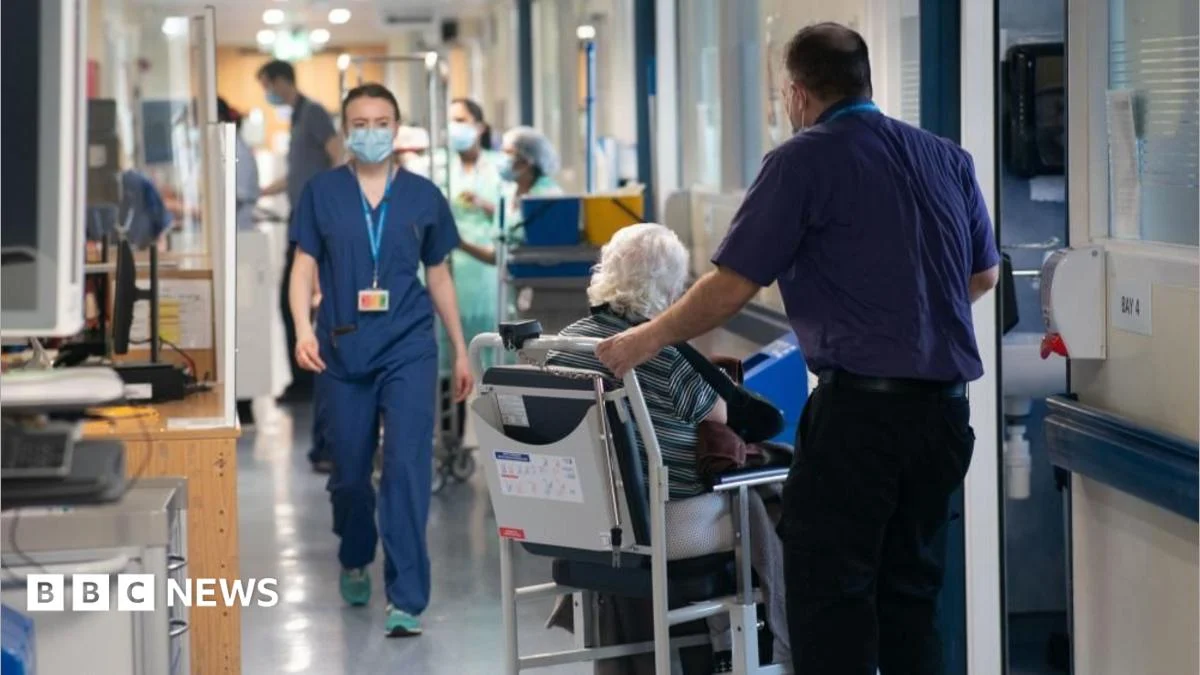
"The NHS faces an exceptionally challenging winter, following its busiest summer on record and a growing backlog of routine treatments. While a £140 million urgent care boost aims to mitigate immediate pressures, experts warn of a ‘twin crisis’ demanding comprehensive, long-term solutions beyond short-term funding."
The National Health Service (NHS) in England is preparing for what the Health Secretary describes as a more challenging winter than normal, a direct consequence of a summer marked by multiple heatwaves and unprecedented demand. This period saw the NHS experience its busiest summer on record, leaving the health system and its workforce with little respite before the onset of seasonal illnesses. In response, an immediate injection of £140 million has been announced to bolster urgent care capacity, targeting the anticipated surge in cases of flu, norovirus, and other respiratory viruses. This funding, while welcomed by some, has simultaneously ignited debate about the adequacy of short-term measures in addressing the deep-seated, systemic pressures facing the nation’s healthcare provider.
The newly allocated £140 million is earmarked for 14 specific schemes across England, strategically designed to enhance the NHS’s ability to cope with heightened winter demand. These initiatives encompass a range of vital improvements, including the establishment of new urgent care centres, the expansion and upgrade of ambulance fleets, and critical enhancements to existing emergency departments. The objective is to improve patient flow, reduce waiting times, and ensure that individuals receive timely care, thereby alleviating pressure on the most acute parts of the system. Urgent care centres, for instance, are intended to divert patients with non-life-threatening conditions away from A&E, offering faster access to diagnosis and treatment. Upgraded ambulance fleets aim to improve response times, particularly crucial during periods of high demand, while enhanced emergency departments seek to optimize capacity and efficiency in critical care settings.
The summer of 2023 presented an unprecedented strain on the NHS, with almost 7.3 million people attending Accident & Emergency departments between June and August in England. This figure represents the highest ever recorded for a summer period, underscoring a significant shift in healthcare utilization patterns and an intensified demand that historically has been more characteristic of winter months. Experts attribute this surge to a combination of factors, including the direct health impacts of prolonged heatwaves, which exacerbate existing conditions for vulnerable populations, and a potential post-pandemic rebound in seeking medical attention for previously deferred issues. The absence of a traditional "lull" period during the summer has left the NHS workforce exhausted and the system operating at near-maximum capacity, significantly diminishing its resilience ahead of the colder months.
Health think tanks and medical professionals have voiced serious concerns regarding the implications of this sustained pressure. The King’s Fund, a prominent health policy organisation, warned that the service is confronting a "twin crisis" as it enters the winter. This refers not only to the immediate challenge of managing seasonal illnesses on top of an already overstretched system but also to the critical issue of staff burnout and the cumulative toll on the entire healthcare infrastructure. The lack of recovery time between peak periods means that staff, already running on empty, will be less equipped to handle the additional workload, potentially impacting patient safety and the quality of care.
Adding to these concerns, Professor Frankie Swords, an NHS medical director, has reported "ominous" signs of winter pressure already affecting hospitals. She noted a concerning increase in patients presenting at A&E with flu and other respiratory viruses much earlier than usual for this time of year. This early onset of seasonal illnesses, combined with persistently long waiting times for treatment, paints a grim picture for the coming months. The early circulation of these viruses raises fears of a severe flu season, especially if vaccine uptake is not robust. The convergence of flu, norovirus, and potentially other circulating pathogens places immense pressure on bed availability, isolation facilities, and staffing levels across hospitals and community care settings.
Political reactions to the funding announcement have been mixed. Shadow Health Secretary Damian Hinds acknowledged the need for government action but pressed for clarity on the source of the £140 million, questioning whether it represented truly new investment or a reallocation of existing funds. This line of inquiry highlights a broader political debate surrounding the long-term sustainability and funding model of the NHS, particularly in an environment of escalating demand and constrained public finances. Critics often argue that one-off injections of cash, while providing temporary relief, do not address the fundamental structural and financial challenges that plague the health service.
Professional bodies, such as the Royal College of Nursing (RCN) England, have been particularly vocal in their critique. Patricia Marquis, RCN England’s executive director, described the funding as "just another sticking plaster on a system that is at breaking point." While acknowledging that any extra money is welcome in the short term, Marquis emphasized that it falls far short of what is needed to address the chronic staffing shortages and systemic issues that underpin the NHS’s struggles. The RCN has consistently highlighted that the nursing workforce is already depleted and operating under immense stress, entering winter "running on empty and short of staff." They argue that without a comprehensive, fully funded workforce plan that focuses on recruitment, retention, and fair pay, new centres and upgraded facilities will struggle to be adequately staffed, rendering their impact limited.
The challenges extend beyond urgent and emergency care. The waiting list for routine hospital treatment in England continues to escalate, reflecting the enduring impact of the COVID-19 pandemic and ongoing capacity issues. The latest data revealed an estimated 7.37 million treatments were waiting to be carried out at the end of August, relating to 6.24 million individual patients. These figures represent a significant increase in recent history, underscoring the persistent challenges in reducing the elective care backlog. The rising waiting list raises serious questions about the government’s ambitious target to treat 92% of patients within 18 weeks by 2029. The sheer volume of patients awaiting treatment not only causes significant pain and distress but also has wider societal implications, including reduced productivity as individuals are unable to work or contribute fully to the economy.
Several interconnected factors contribute to the chronic strain on the NHS. Demographic shifts, including an aging population and a rise in complex, chronic health conditions, continuously increase demand for healthcare services. The enduring workforce crisis, marked by shortages across nearly all professions—nurses, doctors, and allied health professionals—is a critical impediment to delivering timely care. Recruitment and retention challenges, exacerbated by factors such as workload, pay, and the aftermath of Brexit, mean that the NHS struggles to maintain adequate staffing levels. Furthermore, the crisis in social care significantly impacts the NHS, as delays in discharging medically fit patients due to a lack of available social care packages contribute to "bed blocking," reducing hospital capacity and exacerbating A&E backlogs. Underlying issues of long-term underfunding relative to demand, and the lingering effects of the pandemic, continue to compound these difficulties.
Despite the formidable challenges, NHS leaders are actively implementing various mitigation strategies alongside the new funding. Public health campaigns are urging eligible individuals to get their flu and COVID-19 vaccinations, emphasizing their crucial role in reducing severe illness and hospital admissions. Efforts are also being made to optimize patient flow through initiatives like virtual wards, which allow patients to receive hospital-level care at home, and improved discharge planning to free up hospital beds more quickly. Emma Rowland, an NHS executive director, acknowledged the toughness of the coming winter but expressed confidence that investment in urgent care would help more patients receive "the right care in the right place, at the right time."
In conclusion, the NHS stands at a critical juncture, facing an unprecedented convergence of pressures from a record-breaking summer, an early onset of seasonal illnesses, a growing elective care backlog, and a depleted workforce. While the £140 million funding for urgent care capacity offers a degree of immediate relief, the consensus among many healthcare professionals is that it represents a tactical intervention rather than a strategic overhaul. The true test for the NHS this winter will be its ability to navigate these immediate challenges while simultaneously laying the groundwork for more sustainable, long-term solutions that address the fundamental issues of funding, workforce planning, and systemic resilience. Without such comprehensive reforms, the "sticking plaster" approach risks becoming an annual, increasingly insufficient, response to a deepening crisis.
