
"Felixstowe’s innovative ‘Coffee and Clubbing’ movement is redefining social engagement, offering a vibrant, health-conscious alternative to traditional nightlife that champions community, well-being, and nostalgic joy without the late-night repercussions."
In a global trend that has seen cities from Berlin to New York embrace early-morning revelry, the tranquil seaside town of Felixstowe in Suffolk is now pioneering its own unique take on sober clubbing. These "Coffee and Clubbing" events invite participants to hit the dancefloor at 9 AM, merging the exhilarating energy of a rave with the mindful benefits of a daytime activity, offering a refreshing antidote to late nights and their accompanying hangovers.

The concept of sober morning raves, often dubbed "conscious clubbing," has gained significant traction worldwide over the past decade. Movements like Daybreaker and Morning Gloryville originated in major metropolitan centers, driven by a growing desire for alternative social experiences that prioritize wellness, community, and mindful consumption. These events typically feature high-energy dance music, often alongside yoga, healthy food, and non-alcoholic beverages, transforming the clubbing experience into a holistic wellness activity. Felixstowe’s adaptation, initiated by local entrepreneur Vanessa Fullerton-Batten, taps into this global zeitgeist while tailoring it to a local community’s needs.
Vanessa Fullerton-Batten, who founded the "Coffee and Clubbing" initiative, articulated her vision for creating a space where people could "enjoy music that transports you back to those heady days of the ’90s club dancefloors – but in the morning." This particular focus on ’90s club music is a deliberate choice, aiming to resonate with a demographic that cherishes the golden era of dance music but has outgrown the traditional club scene. For many, the ’90s represent a period of vibrant musical innovation and communal celebration, and the opportunity to relive that spirit in a responsible, daytime setting holds immense appeal.
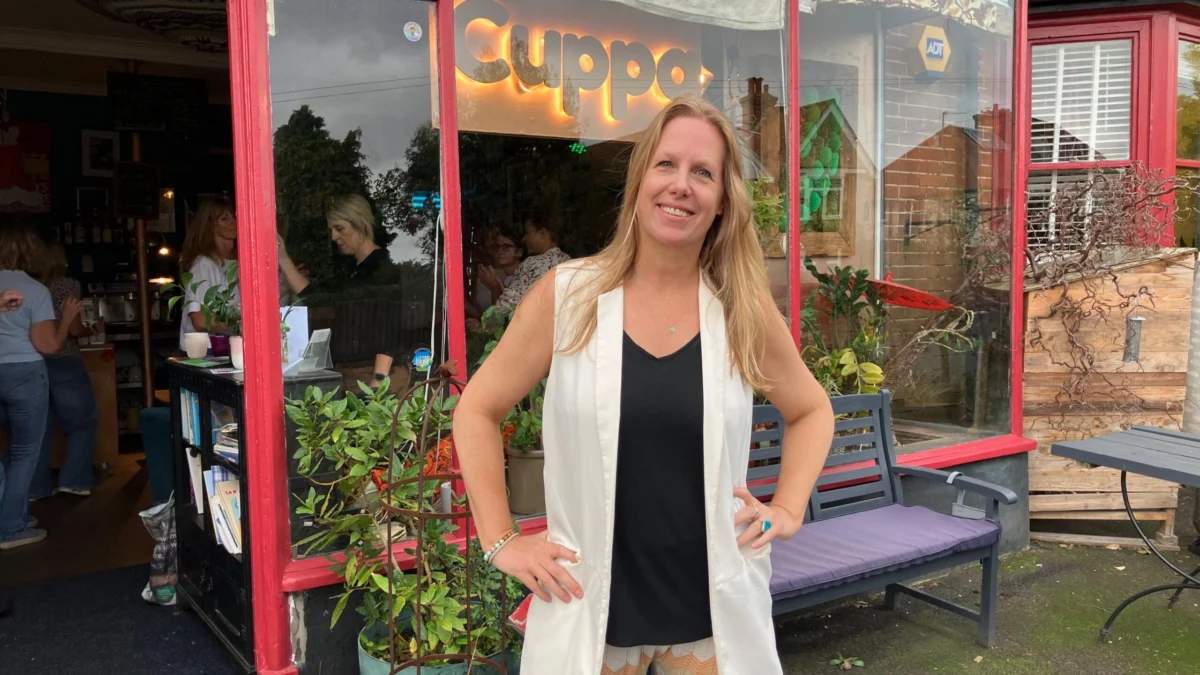
Having recently relocated to Felixstowe from Hertfordshire with her husband, Ben Kay, who also serves as the resident DJ for these events, Fullerton-Batten was motivated by a desire to foster community engagement in their new home. They identified a gap in the social landscape for activities that offered dynamic interaction without the pressure of alcohol or late hours. The local high street coffee shop, Cuppa, has graciously hosted the initial events, providing an intimate and accessible venue that transforms from a morning coffee hub into a pulsating dance haven. This choice of venue underscores the inclusive and unconventional nature of the initiative, blending everyday life with spontaneous joy.

The appeal of morning clubbing extends far beyond simply avoiding a hangover. For parents, in particular, the early start time offers a viable option for social engagement that aligns with family responsibilities. As Fullerton-Batten noted, "If you have kids too, you don’t want to have a late night and be hungover the next day, so to avoid all of that you can go out early." This practical benefit addresses a common challenge for individuals seeking to balance personal well-being and social connection with the demands of modern family life.
The demographic primarily drawn to these events has been identified as "Gen X-ers," individuals typically in their 40s and 50s. This cohort often finds themselves in a unique position: they remember the peak of club culture, value physical and mental well-being, and may find traditional nightlife less appealing or accessible. The "Coffee and Clubbing" events offer a perfect convergence of nostalgia, fitness, and social interaction. Fullerton-Batten emphasized the inclusive nature, stating, "You don’t have to be a seasoned clubber or a raver to enjoy this sort of thing." This open invitation ensures that the events are welcoming to newcomers and those simply looking for a novel way to start their day.
The benefits of dancing, particularly in a communal setting, are well-documented. Physically, it provides an excellent cardiovascular workout, improves coordination, and can boost stamina – a fun and engaging alternative to a conventional gym session. Mentally and emotionally, the experience is profoundly uplifting. Dancing releases endorphins, the body’s natural mood elevators, reducing stress and anxiety. The shared experience of moving to music in a group fosters a sense of belonging and connection, combating feelings of isolation that can sometimes accompany adult life. "I think there’s just this sense of wanting to be connected again," Fullerton-Batten reflected, highlighting the inherent human need for communal bonding that these events satisfy. The one-hour duration is intentionally designed to be invigorating yet manageable, ensuring participants leave feeling refreshed and energized rather than exhausted.

Ben Kay, the DJ behind the decks, brings three decades of experience in music production and DJing across the country. He noted the distinct advantages of playing to a daytime crowd: "You can see people, so you can see them smiling and dancing." This direct visual feedback creates a more immediate and intimate connection between the DJ and the audience, fostering a palpable sense of shared joy. He described the atmosphere as "more innocent" and "just lighter" than traditional club nights, suggesting a purer, unadulterated enjoyment of music and movement. This shift in perception from nocturnal escapism to daytime celebration marks a significant evolution in how people choose to engage with dance culture.
The broader wellness landscape in Felixstowe already demonstrates an appetite for active, music-driven social experiences. Susannah Hinchey, who operates a local fitness company, offers "silent disco walks" along the Felixstowe promenade and "clubbercise" evening classes, where participants work out with glowsticks to energetic music in darkened rooms. Hinchey’s observation that "music speaks to people in lots of different ways – and to move your body to the music just feels really, really good" encapsulates the universal appeal of dance as a form of expression and exercise. Her "clubbercise" classes intentionally mimic the nightclub vibe, providing "all the happy hormones… without the hangover or sore feet," a sentiment that perfectly aligns with the ethos of "Coffee and Clubbing."
Looking ahead, Fullerton-Batten has ambitious plans for the "Coffee and Clubbing" initiative. The events are designed as "pop-ups," allowing them to rotate between various local venues, including bakeries, restaurants, and bars. This flexibility not only keeps the experience fresh but also helps to support local businesses by bringing new footfall and energy to different parts of the town. The goal is to establish these events on a more regular basis, ideally once a month, and even to introduce afternoon sessions, expanding the accessibility and appeal to an even broader audience. The core philosophy remains steadfast: creating a welcoming, inclusive space where age is no barrier to enjoying good music and joyful movement. "Age shouldn’t really matter at all. It’s just how people around you make you feel," Fullerton-Batten affirmed, emphasizing the power of positive social interaction.

Felixstowe’s "Coffee and Clubbing" movement stands as a vibrant example of how communities are innovating to meet evolving social and wellness needs. By offering a dynamic, health-conscious, and inclusive alternative to traditional nightlife, it not only provides a unique outlet for fun and connection but also reinforces the growing global trend towards mindful living and community-centric experiences. It’s a testament to the enduring power of music and dance to bring people together, energize the spirit, and foster a collective sense of well-being, all before the workday truly begins.
