
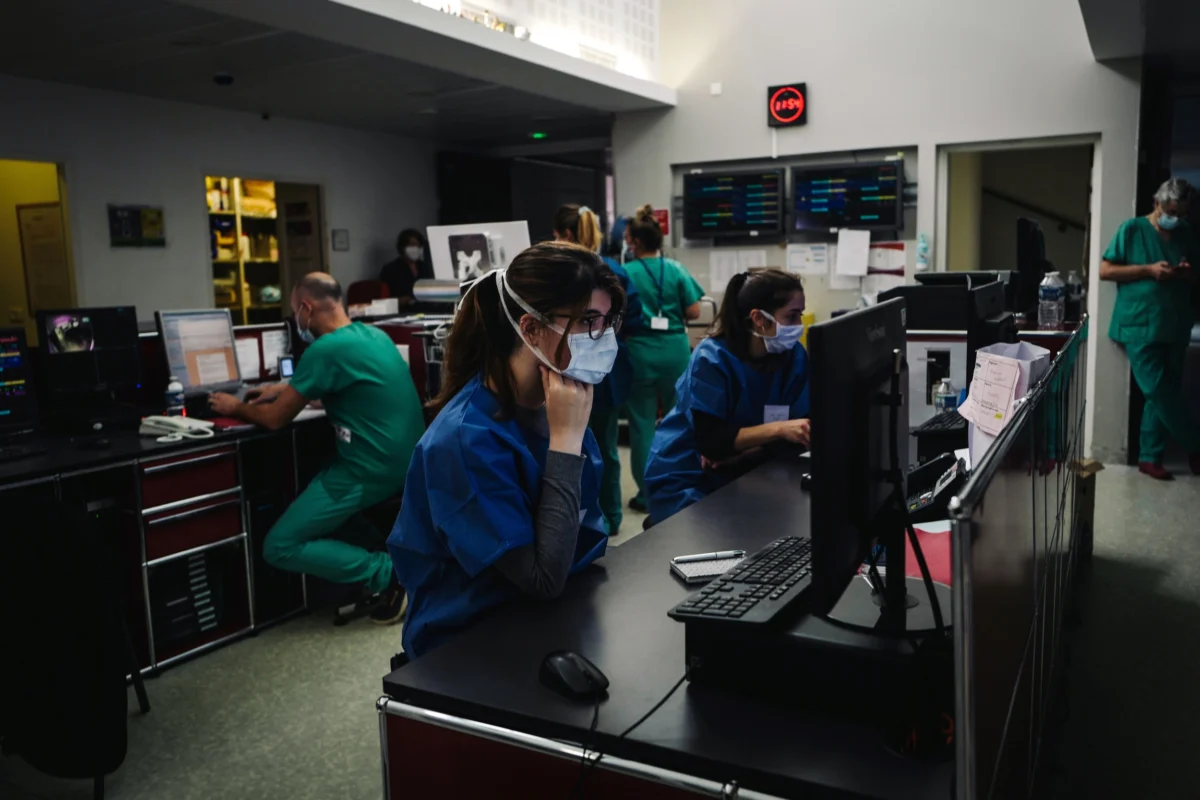
"While MyMichigan Health is diligently investigating claims of a data breach by a hacker group, current findings show no evidence of system compromise or patient data theft, urging caution against unverified threats and proactive personal data protection."
MyMichigan Health has launched a thorough investigation into claims made by a hacker group, MetaEncryptor, alleging the theft of data from the Michigan-based health system. As of October 15th, the health system has reported no evidence to support these allegations, indicating that its systems have not been accessed and patient information remains secure. The group has yet to provide any verifiable proof, such as sample files, to substantiate its claims. In response to the unconfirmed report, MyMichigan Health has engaged the services of the renowned independent cybersecurity incident response firm, Mandiant, and is collaborating with law enforcement agencies to meticulously evaluate the situation. This proactive approach underscores the health system’s commitment to transparency and the utmost protection of sensitive information.
The situation, while under rigorous scrutiny, is currently characterized by uncertainty rather than immediate alarm for patients. With no confirmed breach to date, MyMichigan Health has not issued any official patient notifications, a step typically mandated in the event of confirmed data compromise. This measured response reflects the health system’s adherence to a fact-based approach, prioritizing thorough investigation before disseminating potentially unfounded information.
A Claim Without Confirmation: The Investigation Unfolds
MyMichigan Health, headquartered in Midland, Michigan, oversees a significant network of 12 medical centers strategically located across the state, serving communities in Alma, Alpena, Clare, Gladwin, Midland, Mt. Pleasant, Saginaw, Sault Ste. Marie, Standish, Tawas, and West Branch. This extensive reach highlights the critical importance of safeguarding the data of the diverse patient populations it serves.
Dr. Pankaj Jandwani, the Vice President and Chief Information Officer of MyMichigan Health, emphasized the organization’s unwavering commitment to data security. "Protecting the privacy and security of our patients, employees, and communities remains a top priority," Dr. Jandwani stated in a report by Becker’s Hospital Review. He further elaborated in the health system’s official statement, "We take these allegations seriously and will continue to work with our cybersecurity specialists." This sentiment is echoed throughout the health system’s communications, underscoring a serious and methodical approach to addressing the alleged threat.
The investigation is currently ongoing, with MyMichigan Health committed to evaluating any credible new information that emerges. Details regarding the volume of data allegedly stolen, the platform on which the claim was made, or the presence of any ransom demands remain undisclosed. Crucially, the health system’s statement has not indicated any disruption to ongoing patient care, reinforcing the message that routine medical services should continue without interruption. The timeframe for the investigation has not been specified, acknowledging that thorough forensic examinations of potential cyber intrusions can be a protracted process, often involving phased releases of findings.
Unverified Claims and Patient Uncertainty: Navigating the Digital Landscape
The realm of cybersecurity frequently witnesses criminal groups making unsubstantiated claims of attacks. These tactics can range from attempts to pressure targets into paying ransoms through exaggerated threats to outright fabrications or the recycling of information from older, unrelated incidents. Conversely, some claims, initially met with skepticism, are later substantiated through rigorous investigation.
The efficacy and transparency of an organization’s response are paramount in such situations. The engagement of an external forensic firm, such as Mandiant, provides an independent and expert assessment of system logs and network traffic, crucial for identifying any signs of unauthorized intrusion. In the event that a breach of protected health information (PHI) is confirmed, federal regulations, specifically the HIPAA Breach Notification Rule, generally obligate the organization to notify affected individuals and the U.S. Department of Health and Human Services. This regulatory framework ensures accountability and empowers individuals to take necessary protective measures.
Until a breach is definitively confirmed, patients are advised to maintain vigilance against potential scams that exploit current events. Malicious actors often leverage news of data incidents to orchestrate phishing attacks via email, text messages, or phone calls, seeking to elicit personal information or trick recipients into clicking on harmful links. MyMichigan Health has not initiated any direct outreach to patients regarding this specific claim, reinforcing the need for individuals to rely on official communications and verified information channels.
Health records are particularly attractive to cybercriminals due to the comprehensive nature of the data they contain, often including names, birth dates, insurance identification numbers, and sometimes Social Security numbers. Unlike financial information, which can be canceled and reissued, the compromised details within health records are immutable. This makes medical identity theft a particularly insidious and long-lasting form of fraud, often requiring extensive effort to rectify.
Who Could Be Affected: Understanding Potential Vulnerabilities
Should a breach be confirmed, the scope of individuals at risk would be contingent upon the specific types of data compromised. Health system records can encompass information pertaining not only to patients but also to employees and their family members, including those listed as emergency contacts or as dependents on insurance policies.
Vulnerable populations, such as older adults who are often targeted by scams related to Medicare benefits, and caregivers managing the medical accounts of elderly relatives, should remain particularly alert. Employees, too, may wish to monitor their payroll and tax accounts, as workforce records can contain sensitive details like direct deposit information and tax identification numbers. However, it is critical to reiterate that no data has been confirmed as stolen in the MyMichigan Health case, meaning no individuals are currently confirmed to be at risk from this specific alleged incident.
Sensible Steps While the Investigation Continues: Proactive Data Protection
In the absence of confirmed data theft, patients are not required to take emergency actions. However, adopting a few routine, low-cost protective measures can significantly mitigate potential risks.
A fundamental step is to regularly review Explanation of Benefits (EOB) statements provided by insurance providers or Medicare. Any services, tests, or equipment listed that were not received should be promptly reported to the insurer. For enhanced security of patient portal accounts, it is advisable to use strong, unique passwords and enable two-factor authentication whenever available.
It is imperative to exercise caution and avoid responding to unsolicited messages that request personal or insurance information, even if they reference MyMichigan Health. Instead, individuals should directly contact the health system using official phone numbers found on its website or on past billing statements. In the event of a confirmed breach, legitimate notifications typically provide detailed information about the compromised data and outline any services, such as credit monitoring, being offered by the affected organization.
As a proactive measure, individuals can obtain free credit reports from Equifax, Experian, and TransUnion. A credit freeze, also available at no cost, can be placed with each of the three major credit bureaus, and parents can extend this protection to their children by requesting a credit freeze for minors. In instances where signs of identity theft are detected, the Federal Trade Commission’s IdentityTheft.gov website offers a comprehensive, step-by-step recovery plan.
Patients are encouraged to continue with their scheduled medical appointments and prescription refills as usual. MedicalDaily will provide updates to this story should MyMichigan Health confirm unauthorized access, rule out the allegations, or initiate patient notifications.
Key Questions Answered
What happened at MyMichigan Health? A group identifying itself as MetaEncryptor has claimed to have stolen data from MyMichigan Health. The health system announced on October 15th that it is investigating these claims but has found no evidence to date of any system breach or patient data compromise.
Has patient data been confirmed stolen? No. MyMichigan Health has stated that it has found no evidence of patient information being compromised. The claiming group has not provided any supporting evidence, such as sample files, to validate their assertion.
Who is investigating the claim? MyMichigan Health has engaged the independent cybersecurity incident response firm Mandiant and is cooperating with law enforcement agencies to thoroughly investigate the allegations.
Is patient care affected? MyMichigan Health’s official statement has not mentioned any disruptions to patient care. Patients are advised to continue with their scheduled appointments and medical treatments as normal.
Should patients freeze their credit? Based on the current unverified nature of the claims, an immediate credit freeze is not mandated. However, a free credit freeze is a prudent and low-cost precautionary step that some patients may choose to take for added peace of mind.
How can I avoid related scams? Individuals should refrain from sharing personal or insurance information in response to unsolicited messages, even if they appear to reference MyMichigan Health. It is best to contact the health system directly using contact information obtained from its official website or from a verified billing statement.
