
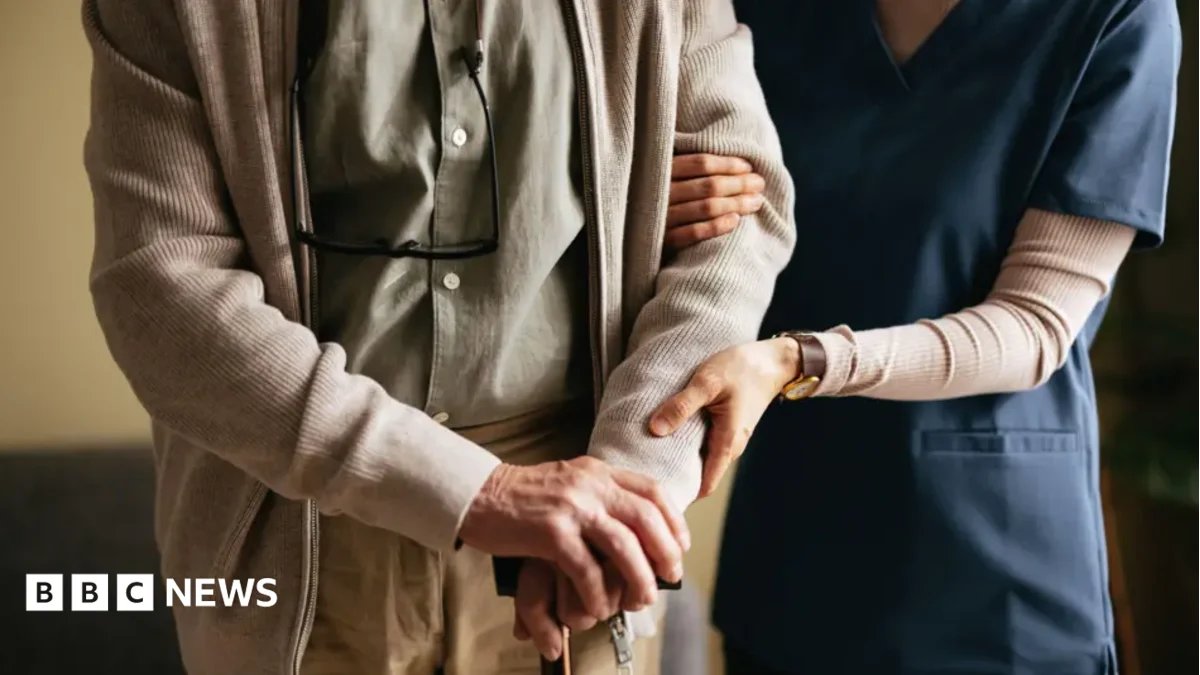
"Government failures created an environment where COVID-19 spread like wildfire through the care sector, which was treated as ‘something of an afterthought’ during the pandemic’s critical early stages. The devastating consequences, including over 43,000 deaths, underscore a profound systemic neglect that left the most vulnerable and their carers tragically exposed."
A damning official inquiry has revealed that fundamental governmental shortcomings and a profound oversight of the social care sector directly contributed to the catastrophic spread of Covid-19 within care homes across the UK. The sixth report from the ongoing Covid inquiry meticulously details how a critical lack of preparation, resources, and strategic focus on care settings allowed the virus to proliferate unchecked, contradicting ministerial claims of a "protective ring" around these vital institutions. The findings paint a grim picture of a sector sidelined and underserved, leading to immense suffering and loss.
The inquiry’s 287-page report lays bare a series of systemic failures, highlighting how the care sector, encompassing both residential homes and community-based support for approximately 1.5 million adults, was consistently deprioritised. In the frantic early months of the pandemic, when the National Health Service (NHS) became the overwhelming focus of governmental efforts, care homes and their residents were, in essence, left to fend for themselves against an unprecedented threat. This strategic imbalance, the report contends, was not merely an oversight but a critical policy decision with devastating human consequences.
Between March 2020 and July 2022, more than 43,000 recorded deaths involving Covid occurred in care homes, a statistic that underscores the scale of the tragedy. These deaths, the inquiry suggests, were not inevitable but rather exacerbated by a confluence of factors stemming from governmental inaction and flawed policy. Baroness Hallet, chair of the inquiry, unequivocally stated that a dangerous combination of insufficient testing, inadequate provision of Personal Protective Equipment (PPE), and a severe lack of pre-pandemic planning for the social care sector, coupled with critical policy decisions made early on, "created an environment in which the virus could spread like wildfire." She emphasised that the "overriding focus of the UK government and devolved administrations was on protecting hospitals," leaving care homes critically vulnerable.
One of the most significant criticisms levelled by the inquiry concerns the acute shortages of PPE for care workers. While frontline NHS staff were eventually prioritised for scarce equipment, carers in residential homes and those providing in-home support often struggled to access basic protective gear such as masks, gowns, and gloves. This exposed them directly to the virus, not only endangering their own lives but also turning them, inadvertently, into potential vectors for transmission within the vulnerable populations they served. The lack of adequate PPE meant that essential infection control measures, which could have contained outbreaks, were often impossible to implement effectively, leaving both staff and residents at heightened risk.
Another critical area of failure identified was the controversial policy of discharging hospital patients into care homes without adequate testing for Covid-19. In the initial surge of the pandemic, hospitals faced immense pressure to free up beds, leading to a directive to discharge patients rapidly. However, a significant proportion of these discharged individuals were not tested for the virus, or tests were not readily available, meaning asymptomatic or pre-symptomatic carriers were inadvertently transferred into multi-occupancy care settings. This policy, driven by the imperative to protect the NHS, effectively seeded outbreaks within care homes, transforming them into epicentres of infection among highly susceptible populations. The inquiry strongly criticised this approach, highlighting its direct contribution to the rapid and widespread transmission of the virus.
Beyond the logistical and policy failures, the report also delves into the profound emotional and psychological toll exacted by the pandemic. While acknowledging the necessity of some infection control measures, the inquiry noted that severe limits on visits caused "enormous harm" to residents and their loved ones. Families were often separated from dying relatives, unable to offer comfort or say final goodbyes, leading to unimaginable grief and trauma. Intriguingly, the report laid the blame for these stringent visiting restrictions on care homes themselves. This particular finding has generated debate, with many arguing that care homes were often operating under vague, rapidly changing, or overly cautious guidance from central authorities, forcing them into impossible choices between protecting residents from the virus and safeguarding their mental and emotional well-being. The ethical dilemma faced by care home managers, caught between conflicting imperatives and insufficient support, highlights a broader failure of clear and compassionate leadership from the government.
The devastating consequences of these actions underscore a long-standing issue: the historical undervaluation and underfunding of the social care sector. Caroline Abrahams, charity director at Age UK, described the inquiry’s report as "devastating," articulating the sentiment shared by many in the sector. She stated plainly that "When Covid took off, people using social care and the staff and unpaid carers providing it were left totally exposed." Abrahams further emphasised that the report served as a stark demonstration of the urgent need for a comprehensive overhaul of social care, echoing calls for a "national care service." Such a service, she argued, akin to the NHS, with standardised funding, integrated planning, and robust oversight, could have significantly mitigated the various disasters that befell social care during the pandemic, potentially avoiding some altogether. The fragmented, often privatised, and consistently under-resourced nature of the existing social care system proved utterly inadequate in the face of a national health crisis.
Natalie Grayson from the GMB union echoed these sentiments, highlighting the severe impact on the workforce. She stated that care workers were "left vulnerable and terribly exposed" during the pandemic, witnessing firsthand how "care homes turned into morgues." Her powerful assertion that "That cannot be allowed to happen again" encapsulates the moral imperative for fundamental change arising from the inquiry’s findings. Care workers, often on low wages and without the same protections or recognition as NHS staff, became accidental heroes and victims, facing immense personal risk and psychological burden.
In response to the inquiry’s findings, Health Secretary Yvette Cooper affirmed that the government would provide a "full response" to the report’s recommendations "in due course." Speaking in the Commons, Cooper acknowledged that social care had been "undervalued and under-recognised" for too long, a statement that resonates with decades of advocacy from the sector. She also extended her thoughts to "all those who lost loved ones in the pandemic, and especially those who endured the immense distress and harm of visiting restrictions in care homes, which meant they could not be with loved ones even as they died." While expressing empathy, the government’s full commitment to substantive reform and resource allocation remains to be seen.
The Covid inquiry’s report serves as a critical historical record and a stark warning. It meticulously documents how a sector vital to the well-being of millions was systematically neglected, leading to preventable suffering and death. The findings demand more than just an acknowledgement of past failures; they necessitate a profound re-evaluation of social care’s place within national infrastructure, its funding, its integration with the NHS, and its preparedness for future crises. The call for a "national care service" is not merely an ideological aspiration but, as the pandemic tragically demonstrated, a pragmatic necessity to ensure that the most vulnerable in society are never again left exposed to such devastating consequences. The legacy of this inquiry must be a commitment to build a resilient, compassionate, and adequately resourced social care system that truly puts a protective ring around all its citizens.
