
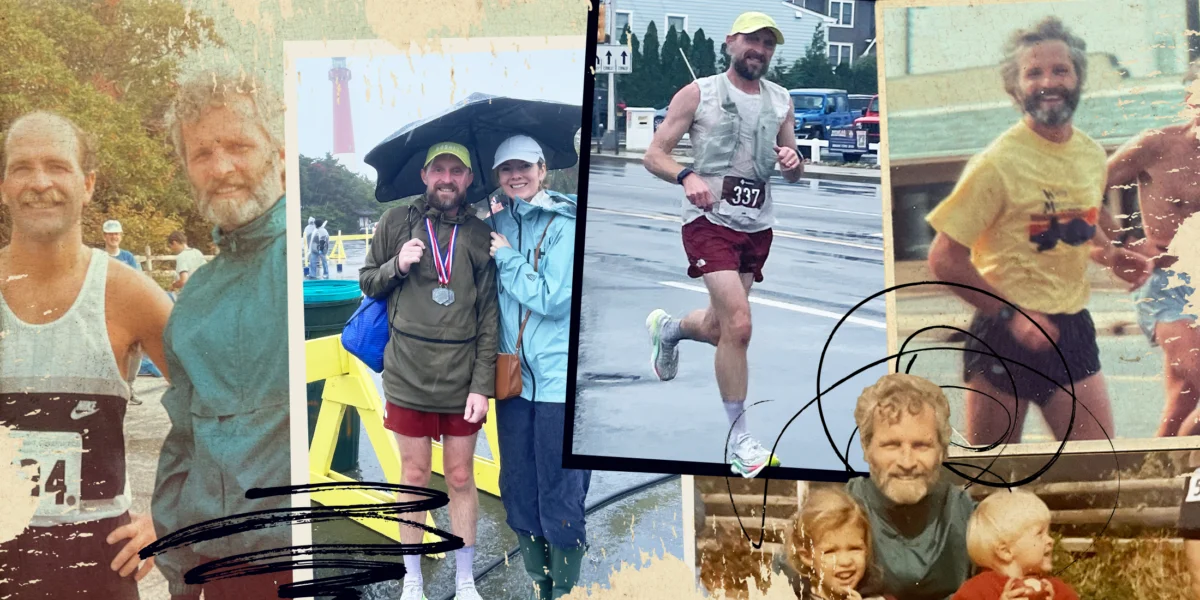
"The Long Beach Island 18-Mile Run is more than a race; it is a generational rite of passage that marks the seasonal transition of a coastal community and tests the limits of human resilience against the Atlantic elements."

This annual event, established in 1973, serves as the definitive bookend to the summer season for the residents and visitors of New Jersey’s Long Beach Island (LBI). Stretching from the southern tip of Holgate to the iconic Barnegat Lighthouse at the northern end, the race represents a unique middle-ground distance that defies standard marathon or half-marathon training protocols. For families like the Browers, the race is a foundational tradition, woven into the history of the island itself, requiring a sophisticated blend of physical preparation, psychological fortitude, and a highly curated arsenal of performance gear to navigate the unpredictable coastal climate.
The Historical and Cultural Significance of the 18-Miler
The Long Beach Island 18-Mile Run began as a localized "fun run" organized by a resident on the Boulevard, the island’s primary artery. Over five decades, it has evolved into a sanctioned event that dictates the rhythm of the local calendar. When the final runner crosses the shadow of "Old Barney"—the Barnegat Lighthouse—the island undergoes a literal transformation: traffic lights are deactivated, seasonal businesses shutter their doors, and the community prepares for the onset of the North Atlantic winter.

For Ryan Brower, Senior Gear and Reviews Editor at Men’s Health, the race is a family heirloom. The Brower involvement dates back to the inaugural 1973 run, initiated by his uncle, Stephen. Over the decades, the "Brower Power" cheering sections became a staple in the town of Ship Bottom. After a hiatus in family participation and a rare race cancellation in 2023 due to catastrophic tidal flooding, the 2024 event represented a pivotal moment of return. Despite a "northeaster" bringing 30 mph head-on winds and torrential rain, the tradition was upheld, underscoring the endurance required not just for the distance, but for the legacy itself.
The Biomechanics of an 18-Mile Training Cycle
Training for an 18-mile race presents a specific physiological challenge. It is too long to be treated as a standard half-marathon and just short enough to tempt runners into under-preparing for the "wall" that typically occurs around mile 16. To combat this, Brower utilized a 16-week marathon training plan. This approach ensured that the aerobic base was sufficiently wide to handle the three-hour exertion period while allowing for the necessary muscular-skeletal adaptations.

For an athlete entering their fifth decade, recovery and injury prevention become as critical as the mileage itself. Brower’s regimen included six runs per week, balanced between the urban pavement of New York City’s Central Park and the flatter, wind-swept roads of South Jersey. To mitigate the risk of recurring knee issues—a legacy of high school cross-country—cross-training was integrated via cycling. This low-impact cardiovascular work was intensified through the use of the GoRuck Achilles Weighted Vest. By adding 20 pounds of resistance to a bike ride, an athlete can achieve a higher heart rate and greater muscular engagement without the repetitive joint impact of running, effectively "bulletproofing" the lower extremities for the race’s high-volume demands.
Footwear Engineering: From Pavement to Trail
Modern running shoe technology allows for a "rotational strategy," where specific shoes are selected based on the daily training objective. Brower’s rotation highlights the current peak of footwear engineering:

Daily Training and Speedwork: The Adidas EVO SL served as the workhorse for the cycle. With over 150 miles logged, this shoe represents the "super-trainer" category—versatile enough for easy miles but responsive enough for tempo sessions. Its geometry allows for efficient transitions, making it a reliable choice for the varied surfaces of a commuter training schedule.
High-Volume Cushioning: For long-distance weekend runs, the focus shifted to maximalist damping. The Saucony Paramount Max and the Skechers Aero Burst were utilized to absorb the vertical oscillation forces that accumulate over double-digit mileage. The Paramount Max, featuring the same high-energy return foam found in Saucony’s elite racing flats, provides a plush landing without sacrificing the "pop" needed to maintain a consistent gait.

Trail Adaptability: To break the monotony of road running, Brower utilized the Batona Trail and the Barnegat Branch Trail. These environments require shoes like the Nike ACG Zegama and the Mount to Coast M1. The M1, specifically engineered for ultra-marathon distances, features a less aggressive lug pattern, making it a "hybrid" tool capable of handling gravel, dirt, and occasional pavement segments with equal stability.
Environmental Management: Apparel and Nutrition
The 2024 LBI 18-Mile Run was a study in adverse weather management. Coastal running in a storm requires apparel that manages moisture while preventing the drop in core temperature caused by high winds.

The North Face Summit Series became the primary defense. The Pacesetter 5” Shorts were selected for their precise liner fit, which is essential for preventing skin-on-skin friction—a common cause of race-ending chafing in wet conditions. While a lightweight Janji Singlet was the original choice for its moisture-wicking properties, the pre-race chill necessitated a shift to the Summit Series High Trail Shirt for increased coverage.
Visibility and eye protection were managed through Shinzo Tamura eyewear. Even on overcast, rainy days, high-quality lenses reduce eye strain and prevent salt spray and rain from obstructing the runner’s vision. Topping the kit was a NoBull Performance Hat, which functioned as a tactical rain gutter, keeping the downpour out of the eyes and allowing for focused navigation through deep puddles.

Hydration and caloric intake followed a scientific protocol. Training in the heat of the New Jersey Pine Barrens required high-volume water carriage, facilitated by the Nathan QuickStart 3.0 3L Hydration Pack. On race day, Brower utilized a streamlined vest with soft flasks containing Skratch Labs Hydration Sport Mix. This mix provides a precise ratio of electrolytes to prevent hyponatremia in wet, humid conditions. For fuel, Skratch Labs Energy Chews offered a digestible carbohydrate source that maintains blood glucose levels without the gastrointestinal distress often associated with highly processed gels.
Data-Driven Performance and Recovery
The integration of wearable technology has transformed the "listening to your body" mantra into a data-driven science. Brower utilized a dual-device strategy: the Coros Pace 4 for real-time run tracking and the Garmin Cirqa for holistic recovery monitoring.

The Coros Pace 4 is favored for its streamlined interface and light weight, providing essential metrics like pace, heart rate, and training load without unnecessary distraction. However, the Garmin ecosystem’s "Body Battery" and "Training Readiness" scores provided the contextual data needed to adjust the training intensity. These metrics analyze sleep quality, heart rate variability (HRV), and previous activity to signal when the central nervous system is overtaxed, preventing the overtraining syndrome that often derails 16-week cycles.
Post-run recovery was treated with the same rigor as the training itself. To combat plantar fasciitis—a common ailment for high-mileage testers—the Chirp Sole Vibe was employed. Its combination of heat and targeted vibration therapy increases blood flow to the plantar fascia, breaking up adhesions and promoting tissue elasticity. For the IT band issues that often manifest as lateral knee pain, the Hyperice X 2 provided contrast therapy (alternating heat and cold), while the Normatec 3 Boots used dynamic air compression to flush metabolic waste from the limbs. This comprehensive recovery suite allowed for the maintenance of a high-intensity schedule despite the physiological toll of aging.

The Finish Line and Beyond
Success in the LBI 18-Mile Run is rarely measured by the clock alone. While the brutal 30 mph headwinds prevented a sub-two-hour finish, Brower secured a second-place finish in his age division. More importantly, he successfully re-established the Brower name in the race’s official record.
The 18-mile distance remains a unique challenge—a "random" length that demands a non-random approach to preparation. Through the strategic application of sports science, advanced gear, and a deep respect for family history, the race remains a testament to the enduring spirit of the Long Beach Island community. For the runners who brave the Boulevard, the reward is not just the medal at the finish line, but the knowledge that they have upheld a tradition that defines their home.
