
"The fear that parents will be taken away is creating widespread emotional trauma and long-term health consequences for a generation of children, many of whom are American citizens."
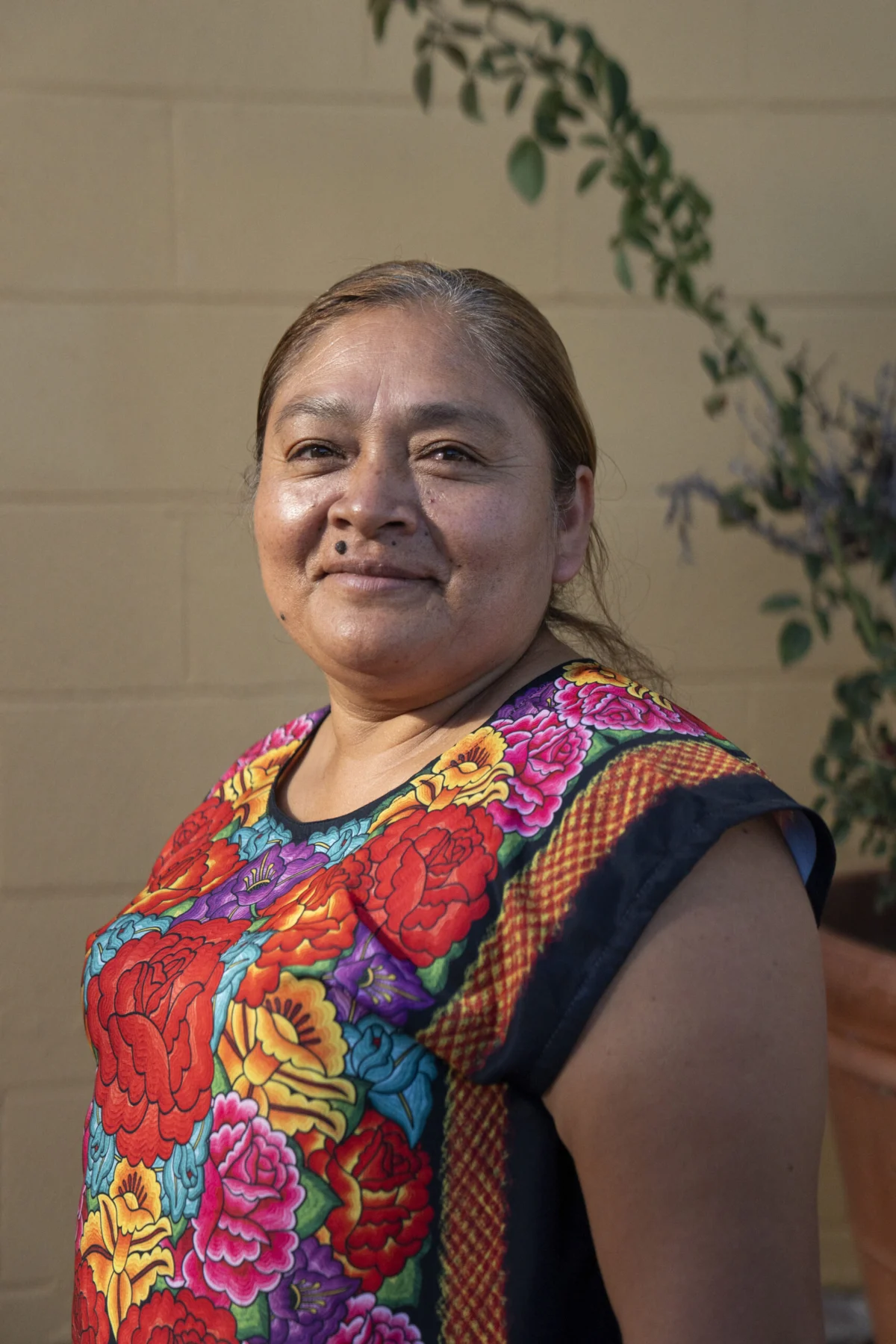
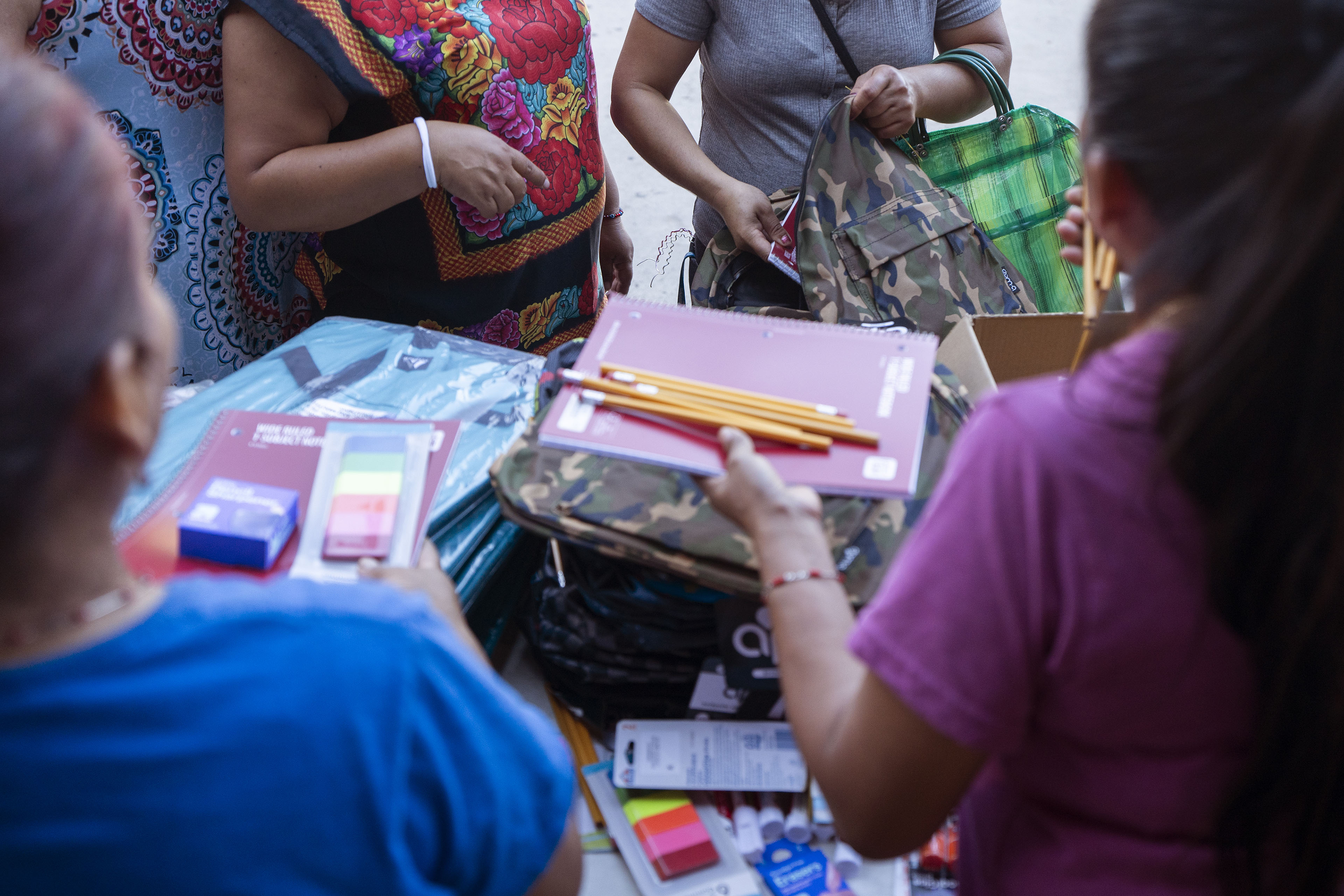
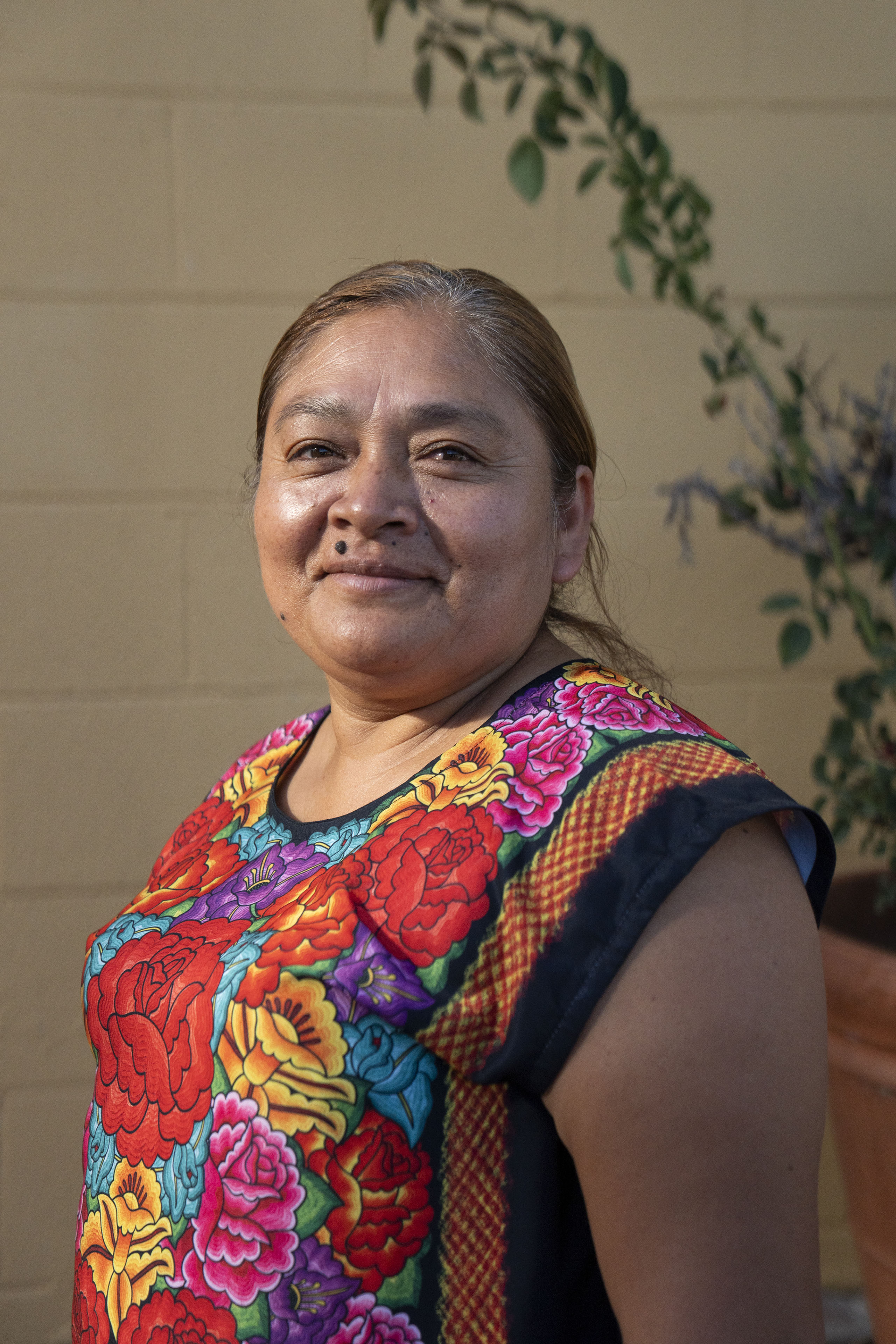
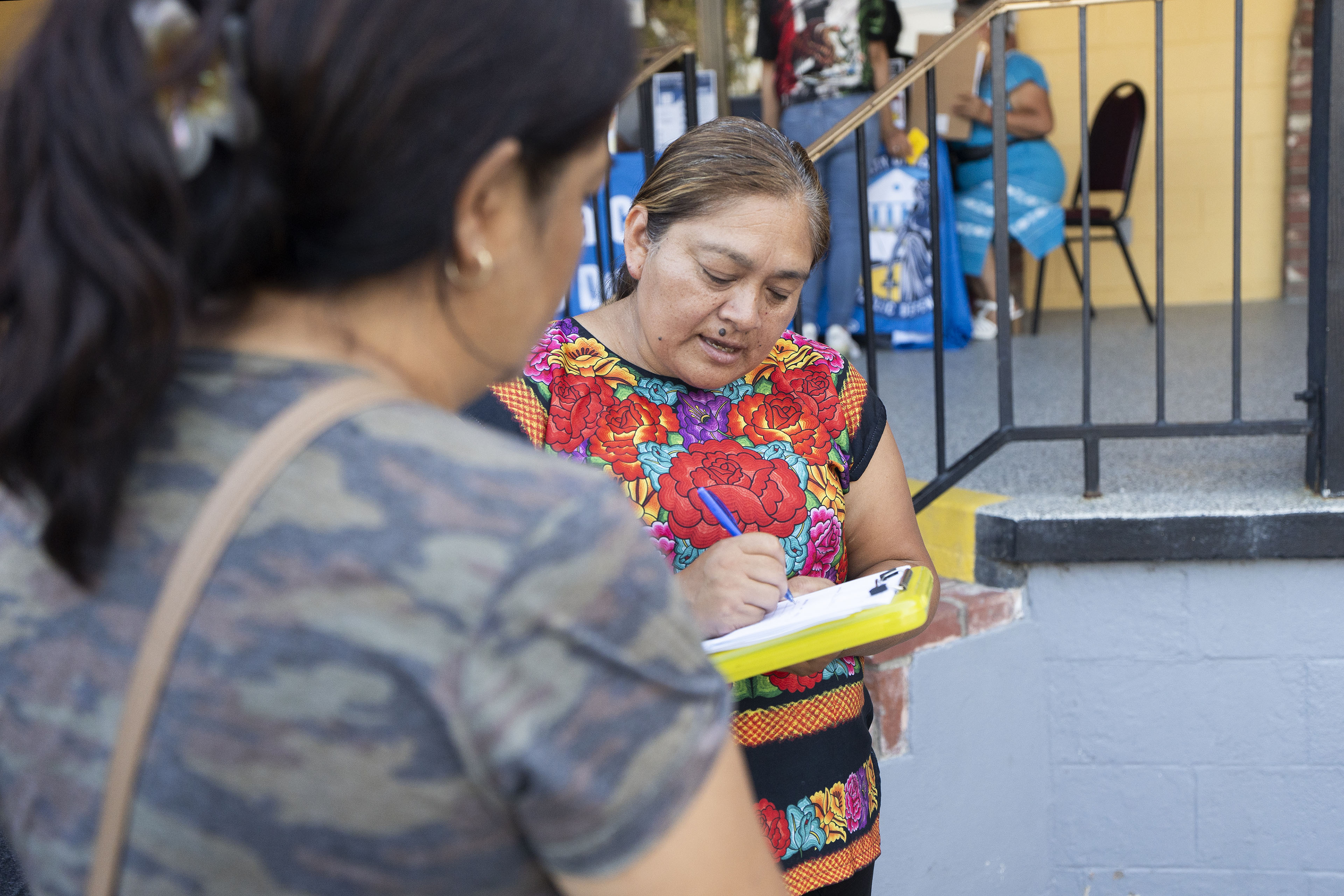
The innocent question from a young girl, "Are you the person who’s going to bring my mom back?" encapsulates the profound anxiety and uncertainty gripping immigrant families across the United States. Norma Gómez, a project manager for a nonprofit providing aid to these families, faced this heartbreaking reality when delivering essential supplies to children whose parents had been arrested by federal immigration agents. While Gómez could offer food and diapers, she couldn’t offer the one thing that mattered most: the return of their parents. This stark encounter highlights a growing crisis: the devastating impact of current immigration policies on the physical and mental health of children, a crisis that extends far beyond those directly affected by parental detention and deportation.
The ripple effects of federal immigration enforcement and policy shifts under the Trump administration have created a climate of pervasive fear and instability for millions of children, many of whom are U.S. citizens. These policies have led to the separation of an estimated 205,000 children with at least one parent detained by immigration authorities, a number that continues to climb. The psychological toll of such separations is immense, causing trauma, anxiety, and depression that can have lifelong consequences. Beyond direct family separation, the broader immigration enforcement landscape is destabilizing families, forcing remaining parents or caregivers into a desperate struggle to maintain housing, secure food, and meet their children’s medical needs. In some tragic instances, children are left to fend for themselves.
The ramifications are not confined to families experiencing direct immigration enforcement. Two children in North Carolina tragically died by suicide in February 2025, reportedly due to bullying stemming from their families’ alleged immigration status. This underscores the severe psychological distress that can permeate communities when immigration is weaponized or used as a basis for social ostracization.
Furthermore, millions of children are losing access to vital resources such as medical care, food assistance, and tax credits. As federal and state governments roll back eligibility for immigrants, regardless of their legal status, families are left with fewer safety nets. The fear of federal enforcement has become a powerful deterrent, causing parents to avoid essential activities like taking their children to school, seeking medical attention, or engaging in social interactions. Many have also withdrawn their children from or avoided enrolling them in health and nutrition programs, further jeopardizing their well-being.
Children from immigrant backgrounds are living under a constant cloud of fear. They are experiencing increased emotional distress, heightened bullying in schools, and pervasive anxiety about racial profiling by Immigration and Customs Enforcement (ICE), even when they or their family members hold U.S. citizenship or legal residency. This pervasive sense of insecurity can profoundly impact a child’s development, hindering their ability to learn, thrive, and grow into stable adults. Wendy Cervantes, director of immigration and immigrant families at the Center for Law and Social Policy, expresses deep concern, stating, "I’m really concerned about how long it’s going to take for us as a country to address all of the harm that’s happening to this generation of kids. This type of stress can have long-term developmental harm and can really inhibit their ability to do well in school, to have good health outcomes, and to grow into thriving, stable adults." This sentiment is echoed by experts who highlight that approximately one in four U.S.-born children have an immigrant parent, with around 4.6 million having a parent who lacks legal status, making them directly vulnerable to these policies.
The Trump administration has prioritized immigration crackdowns, impacting both immigrant and non-immigrant children. An executive order issued on Inauguration Day, which aimed to end birthright citizenship for children born to parents without legal status or on temporary visas, was ultimately blocked by the Supreme Court. However, the administration has significantly increased funding for immigration enforcement, leading to the detention of parents of an estimated 145,000 U.S. citizen children as of April. The Marshall Project reported that over 6,200 children were detained under the Trump administration. Efforts to rescind Temporary Protected Status (TPS) for over a million immigrants, many of whom have U.S. citizen children, and stalled renewals for the Deferred Action for Childhood Arrivals (DACA) program, which benefits parents of approximately 300,000 citizen children, further exacerbate family instability.
White House officials maintain that the immigration crackdown benefits American citizens by freeing up resources and improving the quality of life. They argue that mass deportations reduce pressure on public coffers and restore integrity to the immigration system. However, studies have shown that mass deportations can negatively impact U.S. workers. Trump and other Republican leaders have also contended that birthright citizenship encourages unauthorized immigration and "birth tourism," and that TPS has allowed individuals from "dangerous, third-world countries" to remain in the U.S. indefinitely. In response to concerns about long-term harm to children and increased healthcare costs, a White House spokesperson reiterated criticisms of President Biden’s immigration policies, focusing on the "psychiatric impact on the tens of thousands of children who were smuggled across the border."
Despite the administration’s stance, public opinion on Trump’s handling of immigration remains largely unfavorable, with only 39% of Americans approving, according to an Associated Press-NORC Center for Public Affairs Research poll. Stephen Miller, a key architect of Trump’s immigration policies, has accused the children of immigrants of draining public resources and perpetuating problems from their parents’ home countries. However, research contradicts this narrative. Studies indicate that immigrants tend to earn more and fare better the longer they reside in the United States, and that they and their children assimilate rapidly. Data also suggests that immigrants rely less on welfare programs than native-born Americans. Miller’s perspective, shared on social media, posits that "migrants and their descendants recreate the conditions, and terrors, of their broken homelands," a viewpoint that is increasingly being challenged by empirical evidence.
The recent tax-and-spending law enacted by the Republican party has further curtailed immigrant eligibility for crucial health and food assistance programs. Additionally, new "public charge" rules grant immigration officers broad discretion to deny green cards to lawfully present immigrants if they or their family members have utilized public benefit programs. This policy change could lead to over a million U.S. citizen children disenrolling from safety net healthcare programs, creating a cascading effect of negative health outcomes.
The trauma of parental separation is a well-documented phenomenon with profound and lasting health consequences for children. It can lead to anxiety, depression, cardiovascular disease, and learning difficulties. Research on children separated from their parents at the border during the earlier Trump administration revealed lasting trauma. Similarly, deportations and detentions of immigrant parents, or the constant threat thereof, have been linked to widespread emotional trauma, increased school dropout rates, housing instability, and hunger among both immigrant and U.S.-born children. The societal cost of these health conditions is substantial, with a 2024 study by federal researchers estimating that childhood trauma-related health conditions accounted for $292 billion in healthcare spending in 2021 alone, including costs borne by taxpayer-funded programs like Medicaid and Medicare.
The emotional toll is palpable in communities like Oxnard, California. Emmanuel, a 13-year-old, experiences anxiety every time his father, a farm laborer, leaves for work, anxiously asking his mother for reassurance of his father’s return and what would happen if his parents were detained. His haste in public spaces reflects a constant fear of ICE appearing unexpectedly. Doctors and therapists are observing a significant increase in mental health issues, particularly anxiety, among children from immigrant families. Pediatricians are regularly referring children for mental health services due to fears of parental separation. Early childhood educators report children arriving at daycare with extra bags, prepared for the possibility that their parents might not be able to pick them up. In a tragic instance in June, a 19-year-old named Eliel José in Atlanta took his own life after his father was deported to Mexico, highlighting the extreme measures some young people resort to when faced with such profound distress. Many immigrant parents, having lost jobs due to worksite raids or eligibility changes, struggle to afford therapy for their children, further exacerbating the crisis.
Despite these immense challenges, many children are demonstrating remarkable resilience. Some have assumed adult responsibilities, becoming protectors of their families. They take on grocery shopping and escort younger siblings to school to shield their parents from having to leave the house and risk exposure to immigration enforcement. Community groups, health providers, and neighbors are stepping up to offer support through various means, including delivering groceries, providing free therapy, walking children to school, and assisting parents in creating emergency childcare plans in case of detention or deportation.
Ultimately, experts and advocates agree that the pervasive harm inflicted upon children by current immigration policies can only be addressed through more humane immigration policies and enforcement tactics. A pilot program, the Family Case Management Program, launched under President Obama, offered a model for keeping families together while still enforcing immigration laws. This program allowed families seeking asylum to remain in the community while their cases were resolved, with case managers providing support. Despite its success and cost-effectiveness, it was terminated by the Trump administration.
At Venice Family Clinic in Los Angeles, case managers like Mabel Alavez witness firsthand the pressures on families who remain together but live in constant fear of separation. Many of these families have been in the U.S. for decades, yet parents are afraid to take their children to school, parks, or the beach. They question the safety of enrolling their U.S.-born children in Medicaid. Alavez also assists families facing eviction due to their fear of working and inability to afford rent, often helping them create plans for their children’s care should they be detained. Having grown up in an immigrant family herself, Alavez understands the difficulties faced by first-generation American children navigating their identity and sense of belonging. She acknowledges the profound impact these current circumstances will have, stating, "I do feel like there will be a big impact on them. What that might look like, I’m not exactly sure." This uncertainty underscores the urgent need for policy reform and compassionate solutions to protect the health and future of millions of children.
