
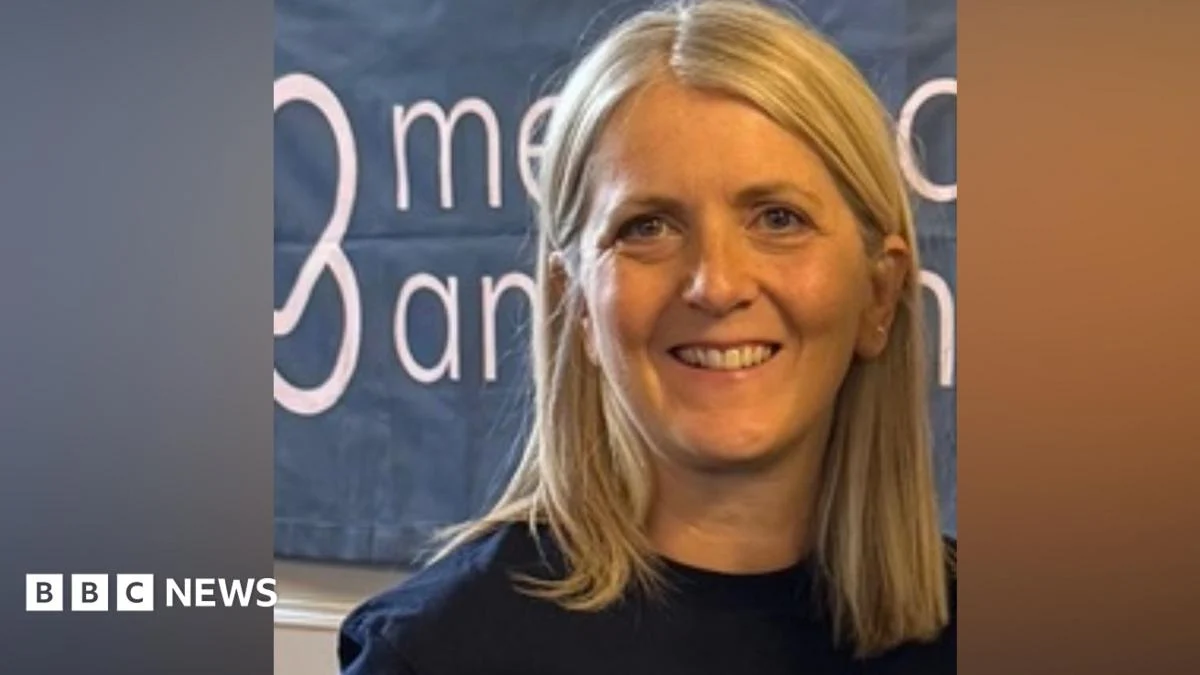
"For many cancer survivors, the journey doesn’t end with treatment; it transitions into an unexpected and often unsupported battle with menopause, demanding a more integrated and empathetic approach to post-cancer care."
For countless individuals, a cancer diagnosis marks the beginning of an arduous fight for survival, a period dominated by rigorous treatments, surgeries, and the profound hope for recovery. Yet, for a significant number, this journey concludes not with a return to normalcy, but with an abrupt, medically induced, or exacerbated menopause, a side effect often overlooked and profoundly challenging. This sudden shift can leave survivors feeling isolated and unprepared, highlighting a critical gap in holistic cancer care that health advocates are now striving to address.
When Jo Menneer, then 53, received her breast cancer diagnosis in 2022, she braced herself for the gruelling treatment ahead. Living in East Yorkshire, Jo had already been managing menopausal symptoms with hormonal replacement therapy (HRT) prior to her illness. However, her treatment, which included surgery, necessitated an immediate cessation of HRT, a restriction that continues. The impact was immediate and severe. "For me personally, my menopause symptoms came back with a vengeance almost immediately," Jo, now 55, recounts. "As well as recovering from surgery, which is quite gruelling, to then be mixed with hot flushes, aching limbs, brain fog, up and down emotions – I felt like I’d gone back about 10 years." Her experience underscores a widespread issue: the profound, often unexpected, and frequently unsupported challenge of navigating menopause after cancer.
Menopause, a natural biological transition marking the end of a woman’s reproductive years, typically occurs between the ages of 45 and 55 as ovarian hormone levels decline. However, cancer treatments can drastically alter this natural timeline, inducing menopause prematurely or intensifying existing symptoms. Chemotherapy, pelvic radiotherapy, stem cell transplantation, and certain surgeries (like oophorectomy, the removal of ovaries) can all trigger menopause, either temporarily or permanently, by damaging ovarian function or disrupting hormone production. Additionally, endocrine therapies, often prescribed for hormone-receptor-positive breast cancers, work by blocking or reducing estrogen, thereby inducing menopausal symptoms as a deliberate part of the treatment strategy.
The abruptness of this transition is a key differentiator from natural menopause, which typically unfolds gradually, allowing the body and mind time to adjust. For cancer survivors, there is "no gradual shift," as Claire Hurst describes her experience. "There’s no time to adjust. You are literally plummeted into the menopause." This sudden hormonal upheaval, coupled with the physical and emotional toll of cancer treatment itself, creates a unique and often overwhelming burden. Patients are already grappling with recovery from surgery, managing chemotherapy side effects, or enduring the anxiety of scans and follow-ups. Layering severe menopausal symptoms – from debilitating hot flashes and night sweats to profound fatigue, joint pain, vaginal dryness, and cognitive difficulties like "brain fog" – can feel like an additional, unanticipated punishment.
For many, like Jo and Claire, the lack of pre-treatment discussions about this potential consequence is particularly jarring. "You’re battling at the time with the diagnosis and the treatment and the surgery and how that’s going to impact you," Jo explains. "I never in my life thought that it would impact my menopause and it was never discussed. So it was a bit of a shock." This oversight often stems from the intense focus of oncology teams on the primary goal of eradicating cancer and ensuring survival. While life-saving, this singular focus can inadvertently sideline crucial quality-of-life issues that emerge during and after treatment. Patients often laud the "exceptional" healthcare support they receive from their oncology teams regarding their cancer, yet many feel "left to manage the menopause on [their] own," as Claire notes. "Nobody sits you down and says, ‘by the way, this is going to be probably the toughest part of your journey’."
The inability to use HRT, a common and effective treatment for menopausal symptoms, further complicates the situation for many cancer survivors, particularly those with hormone-sensitive cancers like breast cancer. For these patients, introducing external hormones carries a perceived risk of cancer recurrence, making HRT an unsuitable or contraindicated option. This leaves survivors with limited choices for symptom management, often relying on non-hormonal medications, lifestyle adjustments, or complementary therapies, which may offer less comprehensive relief. This restricted therapeutic landscape amplifies feelings of helplessness and frustration, as effective avenues for comfort are often closed off.
Danni Binnington, founder of Menopause and Cancer, a community interest company (CIC) dedicated to advocating for accessible services, highlights the profound emotional impact. "What we hear is people feel very lonely, very desperate. They say navigating menopause after cancer is actually worse than the cancer treatment." The sentiment underscores the depth of this unacknowledged struggle. Through its "Call for Change" campaign, Menopause and Cancer is actively pushing for greater awareness and integrated support. A 2025 survey conducted by the CIC, involving 1,300 respondents, revealed a startling lack of preparedness: less than half were aware that their specific cancer treatment could induce menopause. Furthermore, a resounding 98% of respondents felt there should be more support from healthcare professionals for menopause following treatment. "Knowledge is power, and the last thing you want is to sit in this big black hole – and that is what people tell us they experience at the moment," Binnington asserts. "What we need to do is we need to bring it out into the open, we need to talk about it, we need to inform people, and then we need to signpost to services to help."
The Department of Health and Social Care (DHSC) acknowledges this growing concern. Its National Cancer Plan aims to ensure patients receive a personalised plan "so the long-term effects of treatment, including menopause, are recognised and built into their ongoing care." While a positive step, the practical implementation of such plans requires significant systemic change, including enhanced training for oncology teams, better integration with menopause specialists, and clear pathways for long-term survivorship care.
Individuals like Jo Menneer and Claire Hurst are not waiting for systemic changes to take full effect. Jo volunteers with Menopause and Cancer, helping to run a support group in York. She describes finding a community of others in a similar position as "life-changing and life-affirming in the same breath." The shared experience creates a powerful sense of validation and belonging. "You suddenly find this pocket of people that you can completely relate to," Jo shares. "Because I didn’t have a great experience, I feel I can support those that are in an earlier stage than me, so that they get the support even if I didn’t." This peer support is invaluable, offering emotional solace and practical advice that formal healthcare settings may not provide.
Claire Hurst, now 53, channelled her own challenging experience into establishing the Rebalance Clinic in Addingham, West Yorkshire. Her clinic supports women experiencing menopause, including those undergoing or recovering from breast cancer treatment. Claire advocates for "joined-up thinking" between different healthcare organisations to connect patients with relevant information and services. "Post-treatment, there [should be] some follow-on programme where you are able to access really good resources," she argues. The philosophy is simple: "When you educate, you empower. When people understand what’s happening, they then go, ‘okay, so it’s not just me’." She highlights a fundamental truth: "I think the biggest part for anybody going through the menopause is you are presented with a body that feels and works very, very differently." This transformation requires not just medical attention, but also psychological and emotional support to help individuals reclaim their sense of self and well-being.
The call for greater awareness and support is clear. Information should be offered from the outset of a patient’s treatment journey, tailored to each individual’s specific cancer, treatment plan, and pre-existing menopausal status. "Everyone’s experience with menopause is different," Jo emphasizes. "Having a toolkit signposting services that could be relevant for you and then you are empowered to pick the ones that suit you, that would be the perfect scenario." This "toolkit" would ideally include information on non-hormonal symptom management strategies, psychological support services, pelvic health physiotherapy, dietary advice, and exercise programmes, all delivered by professionals who understand the unique complexities of cancer survivorship.
Ultimately, addressing the hidden challenge of menopause after cancer requires a paradigm shift in care delivery. It demands that the healthcare system extends its focus beyond disease eradication to encompass the comprehensive well-being of the patient throughout their entire cancer journey and into survivorship. By fostering greater awareness among patients and healthcare providers, integrating menopause management into oncology protocols, and promoting collaborative care models, it is possible to transform a silent struggle into a supported transition, empowering cancer survivors to navigate this challenging phase with dignity and informed choice.
