
A groundbreaking gene therapy offers a beacon of hope for children with the rare and devastating Sanfilippo Syndrome, but its staggering £2.95 million price tag presents an almost insurmountable barrier for families outside the US, highlighting a critical global access challenge for life-saving treatments.
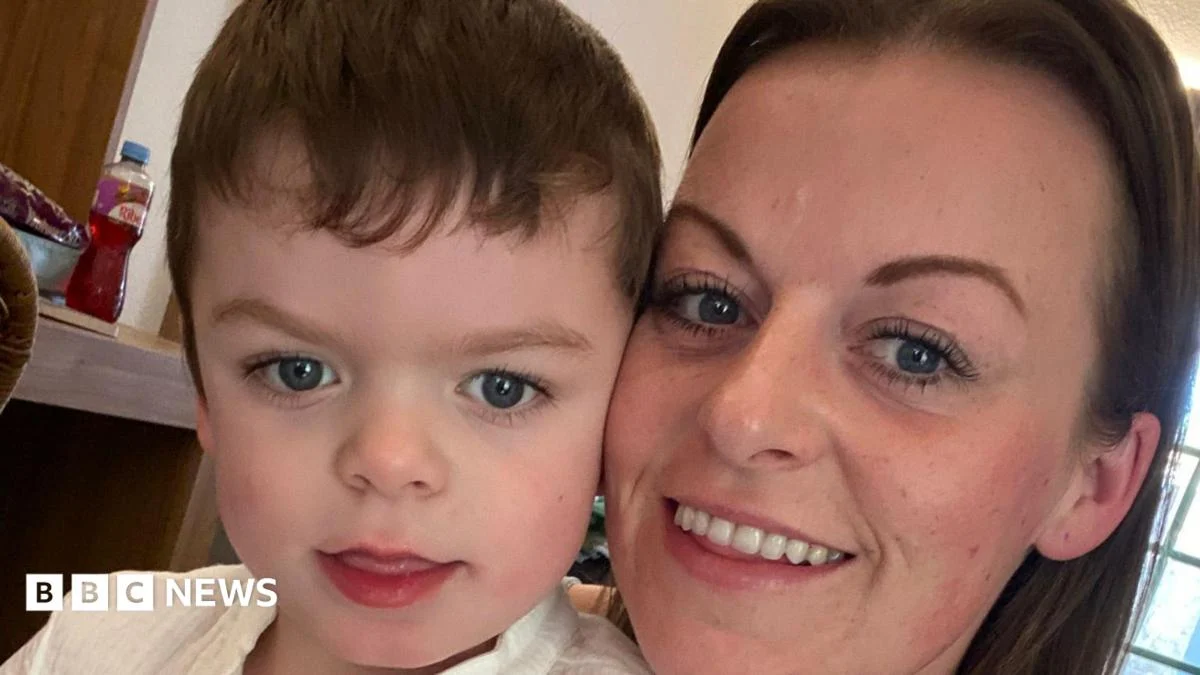
For parents facing the unimaginable diagnosis of a rare, progressive disease in their child, medical advancements offer a glimmer of hope. However, the emotional rollercoaster for families like the McDaid’s of Swansea, Wales, often includes a harsh reality check when life-saving treatments are approved at prices that are unfathomable. This is the harrowing dilemma confronting Tammy McDaid, whose five-year-old son, Tate, lives with Sanfilippo Syndrome, a neurodegenerative condition often tragically dubbed "childhood Alzheimer’s."
Tate McDaid was diagnosed with Sanfilippo Syndrome, specifically Mucopolysaccharidosis type III (MPS III), when he was four years old. This devastating genetic disorder, which affects approximately 100 to 140 children in the UK, is characterized by the body’s inability to break down long chains of sugar molecules called heparan sulfate. Without the necessary enzyme, these molecules accumulate in cells throughout the body, causing progressive and irreversible damage, particularly to the brain and central nervous system. Children with Sanfilippo Syndrome typically experience a gradual loss of cognitive function, speech, and motor skills, often beginning with developmental delays and behavioral issues, before progressing to severe dementia, loss of mobility, and ultimately, premature death. The disease can accelerate rapidly after the age of five, making time a critical factor in intervention.
In a significant medical breakthrough in September, the United States Food and Drug Administration (FDA) approved the first-ever gene therapy, FAYUVI, to treat Sanfilippo Syndrome Type A in children. Developed by Ultragenyx, this one-time treatment offers the potential to deliver a functional copy of the deficient gene, thereby enabling the body to produce the missing enzyme and halt or significantly delay the progression of the disease. For families like the McDaid’s, who had spent "months praying" for such an approval, this news was initially met with immense excitement and a surge of hope. The prospect of a treatment that could preserve Tate’s abilities for longer, or even extend his active life, felt like a miracle.
However, the euphoria was short-lived. The very next day, Tammy McDaid confronted the stark reality of the treatment’s cost: $3.95 million in the US, translating to an astonishing £2.95 million per child. This revelation transformed hope into a profound sense of despair and frustration. "I was excited when the treatment initially got approved but then reality hit hard the next day," Tammy recounted, articulating the crushing weight of the financial barrier. The approved price, while potentially manageable for American citizens covered by private health insurance, presents an insurmountable hurdle for families in countries like the UK, where healthcare is primarily provided through a national health service.
The challenge lies in navigating a complex global healthcare landscape. Tammy immediately reached out to Ultragenyx, the developer of FAYUVI, seeking clarity on how families outside the US, who lack American health insurance, could access and afford the treatment. Her query underscored a fundamental disparity in global healthcare access. "We understand what they are charging for American citizens, but they’ve got health insurance," she explained, highlighting the critical difference. "What is it for us in the UK? Not even just the UK, but everyone else in the world looking for this treatment." Ultragenyx’s response indicated the complexity of international pricing, stating, "There is not a single estimate we can provide for the total cost of care for an international patient, as those costs would depend on the patient’s individual medical needs and the treating institution." This lack of transparency and a clear pathway leaves families in a perilous state of uncertainty.
The exorbitant cost of gene therapies like FAYUVI is a contentious issue within the pharmaceutical industry and global healthcare systems. The development of such highly specialized treatments for ultra-rare diseases involves billions of dollars in research and development over many years. Given the extremely small patient populations for orphan diseases, pharmaceutical companies argue that high prices are necessary to recoup investment, fund future innovation, and ensure the economic viability of developing therapies for conditions that affect few individuals. Furthermore, gene therapies are often designed as one-time treatments, aiming for a long-term, potentially curative effect, which companies argue provides significant value compared to lifelong chronic therapies. However, critics argue that these pricing models place an undue burden on healthcare systems and create significant ethical dilemmas regarding equitable access to life-saving innovations.
For Tate, time is a critical and rapidly diminishing resource. As he approaches his sixth birthday, his mother observes undeniable signs of cognitive decline. The neurodegenerative progression of Sanfilippo Syndrome means that the efficacy of the gene therapy diminishes with age and advancing disease. "The older he gets the less the treatment will work and the more ability he will lose in the process," Tammy stated, her words conveying a profound sense of urgency and desperation. "It’s really a battle of time for me to raise enough money to get her son the treatment that is not available yet in the UK." Her emotional plea, "I feel like we are at a turning point and I’m petrified," encapsulates the anguish of watching her child slowly lose his abilities while a potential treatment remains tantalizingly out of reach due to financial barriers.
In response to the desperate situation, health officials from Wales are reportedly engaging in discussions with their counterparts in the US to explore potential access pathways for Tate. Such dialogues are crucial, as they could lead to compassionate use programs, special funding arrangements, or even negotiations for a more accessible price for UK patients. However, these processes are often lengthy and complex, a luxury that families like the McDaid’s do not have. The urgency of Tate’s condition means that every day counts, and the delay in securing treatment could have irreversible consequences for his development. "If a millionaire turned around tomorrow and gave us the money, we’d go to the US straight away," Tammy added, underscoring the immediate action they would take if the financial barrier were removed.
The Society for Mucopolysaccharide Diseases (MPS Society), a charity dedicated to supporting children living with Sanfilippo Syndrome and similar conditions, plays a vital role in raising awareness, funding research, and advocating for patient access to treatments. Their work highlights the broader systemic challenges faced by families affected by rare diseases, emphasizing the need for robust national frameworks and international collaborations to ensure that medical breakthroughs are not limited by geography or economic status. The plight of Tate McDaid is a stark illustration of the global inequities in healthcare and the urgent need for a more sustainable and equitable model for pricing and accessing orphan drugs.
The story of Tate McDaid is more than just a personal tragedy; it is a microcosm of a larger ethical and economic quandary facing modern medicine. As gene therapies continue to emerge, offering unprecedented hope for previously untreatable conditions, the challenge of making these innovations accessible to all who need them will only grow. It compels a critical examination of how societies value life, how pharmaceutical innovation is incentivized, and how healthcare systems can be structured to provide equitable access to the most advanced treatments, regardless of a patient’s nationality or financial means. For Tate and other children battling Sanfilippo Syndrome, the hope of a longer, more active life hangs precariously in the balance, awaiting a resolution to a multi-million-pound question.
