
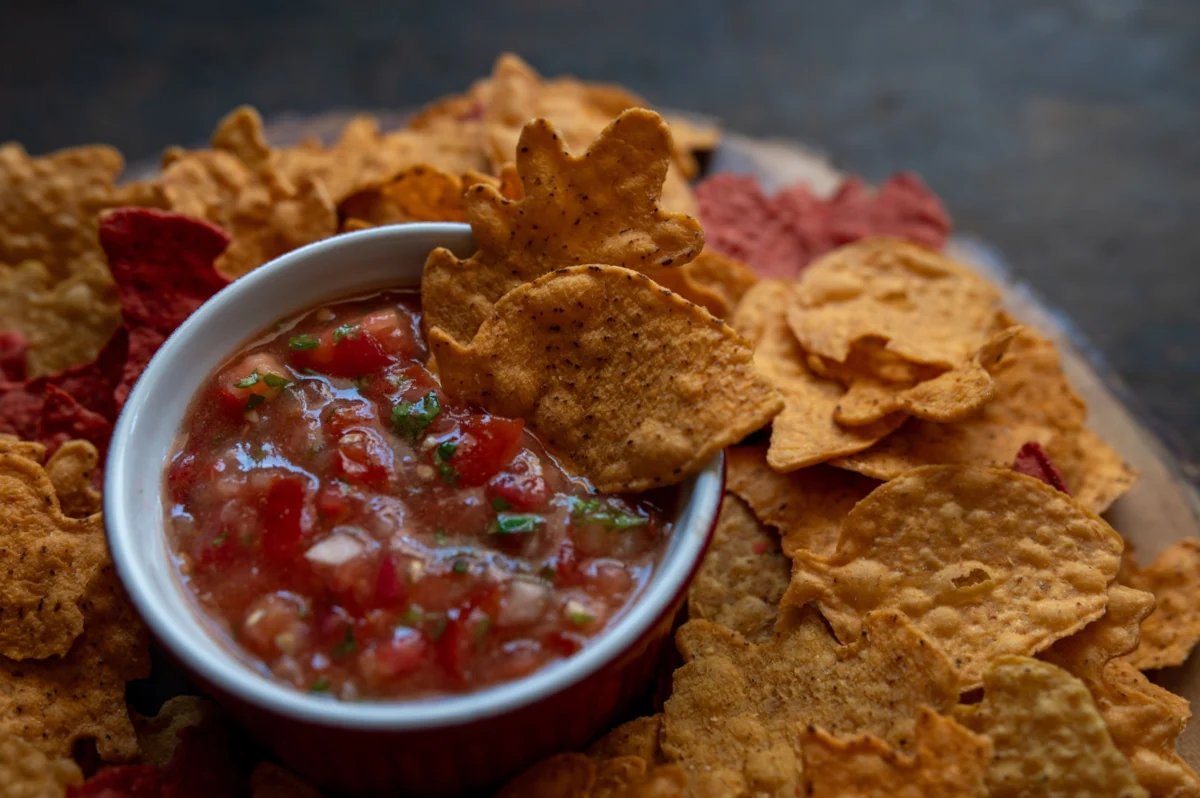
"A nearly year-long delay between a federal inspection finding Listeria on surfaces in a California salsa plant and the public release of that information leaves consumers in the dark, raising questions about food safety communication and transparency."
A recent inspection at La Cabana Food Distributing Inc., an Oceanside, California-based salsa manufacturer, uncovered the presence of Listeria monocytogenes on multiple surfaces within the facility. This discovery, made during an inspection that concluded on December 5, 2025, was not revealed to the public until November 3, 2026. This nearly 11-month gap between the finding and the FDA’s issuance of a warning letter has sparked significant concern regarding the timeliness of food safety information dissemination and its impact on consumer awareness and protection. While no products have been recalled and no illnesses have been directly linked to the plant, the extended delay leaves consumers, particularly vulnerable populations, without actionable information regarding potential risks associated with the company’s ready-to-eat cooked salsas and uncooked sauces.
A Delayed Warning: Unpacking the Timeline of a Listeria Finding
The Food and Drug Administration (FDA) issued a warning letter to La Cabana Food Distributing Inc. on July 29, 2026, detailing findings from an inspection conducted between November 12 and December 5, 2025. The inspection revealed Listeria monocytogenes on several surfaces within the production facility. Beyond the presence of the pathogen, inspectors also cited deficiencies in the company’s food safety plan, supplier controls, and produce handling practices, all critical components of preventing contamination in food production.
Genetic sequencing of the Listeria samples identified a single strain that, as of December 23, 2025, did not match any known isolates in the national pathogen database. This suggests that the detected strain was not currently associated with a widespread outbreak or a previously identified foodborne illness. Following the inspection, La Cabana submitted corrective action plans to the FDA for review.
The warning letter, which formally notifies the company of legal violations and outlines a period for correction, was made public on November 3, 2026, almost eight months after it was signed and nearly a year after the inspection concluded. The letter stated that the products were deemed adulterated because they "may have been prepared, packed or held under insanitary conditions." Despite the severity of the findings, the FDA has not mandated a product recall, and the company has not voluntarily recalled any items. Furthermore, the warning letter does not specify the brands, retailers, or restaurants that carry La Cabana’s products, leaving consumers unable to identify potentially affected items.
The Gaps in Consumer Communication: Warning Letters vs. Recalls
It is crucial to understand that FDA warning letters are distinct from product recalls. A warning letter signifies that the FDA believes a company has violated federal law and requires the firm to implement corrective actions within a specified timeframe, typically 15 working days. These letters do not compel companies to disclose their customer lists, brand names, or specific product lines, creating a significant information void for the public.
The delay between the issuance of a warning letter and its public posting is a common occurrence within the FDA’s regulatory process. These letters are published in the agency’s online warning letters database, and the time lag can range from weeks to months. For instance, in a separate Listeria case in 2025, a warning letter issued to Fresh & Ready Foods on September 5 was not publicly accessible until November of the same year.
While such delays can be concerning from a public health communication standpoint, the FDA’s approach is often guided by the perceived immediacy of the risk. In cases where Listeria is found on environmental surfaces but not in finished products, and the detected strain is not linked to any known illnesses, the agency may assess the situation as not posing an immediate public danger. The expectation is that the company will implement robust cleaning protocols, conduct retesting to confirm the absence of contamination, and rectify any identified food safety deficiencies. The FDA retains the authority to press for a recall if subsequent product testing reveals contamination. However, the lack of transparency regarding follow-up testing results, the FDA’s assessment of the company’s corrective actions, and the volume of product that may have reached the market during the extended notification period leaves legitimate questions unanswered. The FDA’s practice of not always publishing company responses or close-out letters further compounds this opacity.
Understanding the Risks: Listeria and Vulnerable Populations
Listeria monocytogenes is a bacterium that can cause a serious infection known as listeriosis. While rare, it is a particularly dangerous illness, especially for certain high-risk groups. Pregnant women are approximately 10 times more likely to contract listeriosis than the general population. For them, the infection can lead to severe consequences, including miscarriage, stillbirth, premature delivery, or life-threatening infections in newborns. Individuals aged 65 and older, as well as those with compromised immune systems due to medical conditions or treatments, are also at a significantly elevated risk of developing severe listeriosis.
The inherent nature of Listeria, which can grow even at refrigerator temperatures, makes fresh, refrigerated salsas and uncooked sauces potential vectors for transmission. This is a general food safety concern and not an assertion that any specific product from La Cabana was contaminated. However, it underscores the importance of diligent food handling practices and timely information when potential risks are identified.
In San Diego County, where La Cabana is located, fresh salsa is a popular item, readily available at a wide array of venues, including grocery stores, local markets, taquerias, and restaurants. Many of these establishments source products from smaller, regional producers, whose brand names may not be widely recognized by consumers. This context highlights why specific brand information is invaluable during food safety alerts. Without it, consumers are left with a general need for vigilance rather than the ability to make targeted decisions about the products they purchase and consume.
The symptoms of listeriosis can be insidious, often mimicking a mild flu, yet posing grave dangers, particularly to unborn babies. Initial signs can include fever, muscle aches, and headache. As the infection progresses, it can lead to more severe neurological symptoms such as a stiff neck, confusion, and loss of balance. For pregnant individuals, even mild flu-like symptoms can be a harbinger of serious risk to their pregnancy. Importantly, symptoms can manifest days to weeks after initial exposure, making it challenging to pinpoint the source of infection without clear communication from regulatory bodies.
Navigating Food Safety: Practical Steps for Consumers
In the absence of a product recall, consumers are advised against discarding all refrigerated salsa. Such an action would exceed the scope of the current evidence, which does not indicate any contaminated products on the market. Instead, a focus on standard food safety practices is recommended.
Key precautions include maintaining fresh salsa at a consistent refrigerator temperature of 40 degrees Fahrenheit (4 degrees Celsius) or below, adhering to the expiration dates indicated on the packaging, and promptly discarding any opened containers that have been left at room temperature for extended periods. For individuals in high-risk categories, opting for shelf-stable, heat-treated jarred salsas presents a safer alternative, as the pasteurization process eliminates the risk of Listeria contamination.
Anyone belonging to a high-risk group who experiences symptoms such as fever and muscle aches after consuming refrigerated, ready-to-eat foods should seek prompt medical attention. It is crucial to inform healthcare providers about the potential exposure to refrigerated foods. Pregnant individuals, in particular, should contact their obstetric provider immediately, even if symptoms are mild, to ensure appropriate evaluation and management. Symptoms suggestive of a more severe infection, such as a stiff neck, severe headache, or confusion accompanied by fever, warrant urgent medical care.
As of the latest reporting, La Cabana Food Distributing Inc. has not issued a public statement or response to the FDA’s warning letter. MedicalDaily will continue to monitor for any developments, including potential recalls, brand disclosures, close-out letters from the FDA, or further explanations regarding the agency’s timeline for public notification of such findings.
Key Questions Answered:
-
What did the FDA find at the Oceanside plant? Federal inspectors discovered Listeria monocytogenes on multiple surfaces within a facility that produces ready-to-eat salsas and uncooked sauces.
-
Why is this information being released now? The inspection concluded in December 2025, but the FDA’s warning letter detailing these findings was not publicly posted until November 3, 2026, creating a nearly year-long delay.
-
Are any products being recalled? No, there have been no product recalls issued, and currently, no illnesses have been linked to La Cabana’s products.
-
Which brands are affected? The FDA warning letter does not specify the brands, stores, or restaurants that carry the company’s products.
-
Who is most susceptible to Listeria infection? The highest risk groups include pregnant individuals, newborns, adults aged 65 and older, and people with weakened immune systems.
-
Should consumers discard their salsa due to this report? Based solely on this warning letter, discarding all salsa is not recommended. Consumers should continue to follow label instructions regarding expiration dates, maintain proper refrigeration for fresh salsas, and remain vigilant for official FDA recall notices.
