
"We need a fundamental shift in how we approach mental health education for men and boys. By equipping them with the emotional literacy and tools to seek help early, we can dismantle the stigma that tragically silences so many before they reach crisis point."
This powerful call to action comes from Seamus Waites, a grief counsellor whose life was irrevocably altered by the suicide of his 22-year-old son, Thomas, in 2016. His experience underscores a critical gap in mental health support: the urgent need for proactive, crisis-focused education that empowers men and boys to understand and articulate their emotional struggles before they escalate to a tragic conclusion. Waites’s advocacy highlights the devastating impact of societal expectations and the profound silence surrounding male mental health, urging a systemic change to save lives and prevent immeasurable heartache.

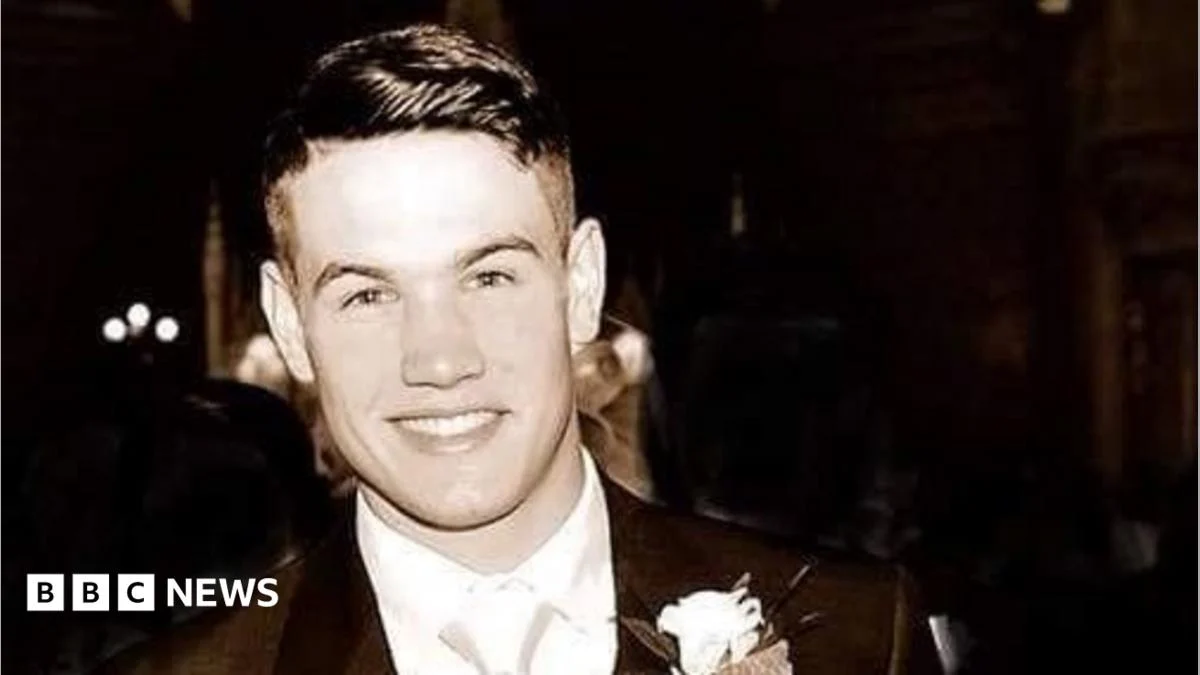
The deeply personal tragedy experienced by Seamus Waites has transformed him into an unwavering advocate for systemic change in mental health education, particularly for men and boys. His son, Thomas, a promising young athlete from Magherafelt, County Londonderry, who had represented Ireland in amateur boxing, seemed to have everything to live for. Hours after celebrating his 22nd birthday with friends in May 2016, Thomas took his own life, leaving his family with profound grief and unanswered questions. Seamus vividly recalls the morning of his son’s birthday, spent together at the gym, where "everything was normal." This perceived normalcy, followed by the shock of discovering Thomas’s body the next day, underscores the often-hidden nature of mental health crises and the critical absence of overt warning signs.
Thomas’s death, without any prior known contact with mental health services, illuminates a pervasive issue: men frequently internalize their struggles, making it exceptionally difficult for family and friends to identify distress. Seamus Waites, who has since become a grief counsellor, observes that when men reach a crisis point, they "do not understand the emotions that they’re feeling, they become totally overwhelmed and don’t know where to go." This emotional illiteracy, coupled with deeply ingrained societal pressures, creates a perilous environment where seeking help is perceived as a weakness rather than a strength. Waites’s call for "crisis education" is not merely about awareness, but about instilling practical knowledge and emotional coping mechanisms from an early age, helping young men navigate their inner worlds and identify pathways to support.
The stark reality of male suicide rates in Northern Ireland amplifies Waites’s urgent plea. Suicide remains the leading cause of death for men and boys under the age of 50. In the last reporting year, 203 of the 262 individuals who took their own lives were male, representing a disproportionate 77.5% of all suicides. These figures are not static; data from the Northern Ireland Statistics and Research Agency (Nisra) reveals a deeply concerning rising trend. By tracking three-year averages, Nisra indicates that the average number of registered suicides increased by a quarter in less than a decade, from just over 204 deaths per year in 2017 to almost 258 deaths per year by last year. This escalating crisis stands in stark contrast to trends in other UK regions and the Republic of Ireland, which have seen either a flattening or a decrease in suicide rates. This divergence compels a critical examination of the unique factors at play within Northern Ireland, from socio-economic disparities to the lingering psychological impacts of historical conflict, all of which may contribute to a heightened vulnerability within the population.

Professor Siobhan O’Neill, Northern Ireland’s Mental Health Champion, has described these latest figures as "deeply concerning," emphasizing the unique and devastating nature of suicide loss. "It changes people’s lives forever in a way that’s very different to any other sort of bereavement or grief," she stated. Prof. O’Neill attributes the rising trend to a failure to adequately address the issue, highlighting that patients often struggle to access immediate help, even when reporting suicidal thoughts for the first time. She points to a systemic underfunding of mental health services per capita in Northern Ireland compared to England and the Republic of Ireland, which creates significant barriers to timely and effective intervention. Furthermore, Prof. O’Neill stresses the urgent need to understand the underlying drivers of this increase, particularly noting that nearly a third of all suicide deaths occur in deprived areas. This strong correlation between poverty and suicide underscores the necessity of a holistic approach that tackles socio-economic inequalities alongside direct mental health provision. Poverty can exacerbate mental distress through stress, lack of opportunities, social isolation, and limited access to vital resources, creating a vicious cycle that demands comprehensive societal solutions.
The societal construct of masculinity often dictates that men must be mentally strong, stoic, and the unwavering pillar of support for others. Seamus Waites eloquently articulates this challenge, stating, "There is an awful stigma about men and how we regulate our emotions… We are brought up in such a way where we, our families, prepare us to be mentally strong, to be the person that everybody else leans on." This cultural conditioning, while perhaps well-intentioned, inadvertently fosters a "stigma and shame" around vulnerability. When men struggle to live up to this formidable expectation, they often find it incredibly difficult to reach out for help, fearing judgment or the perception of failure. This internal battle, fought in silence, can push individuals deeper into isolation and despair, making the intervention of "crisis education" all the more vital. Such education would challenge these outdated norms, promoting emotional literacy and normalising help-seeking behaviours as a sign of strength, not weakness.
Seamus Waites’s personal journey through grief and his subsequent transformation into a counsellor offer a powerful testament to the healing potential of support and the profound impact of lived experience. After Thomas’s death, Waites himself experienced severe mental health struggles, admitting, "At one stage I actually thought that I was losing my mind." It was his wife who ultimately urged him to seek help, leading him to counselling. Having benefited immensely from this support, Waites now works with the Bereaved by Suicide service, run by the Northern Health Trust. This service provides crucial one-to-one counselling in locations such as Ballymena, Cookstown, and Coleraine, alongside group sessions facilitated by trained counsellors, many of whom have also lost loved ones to suicide. The shared experience within these groups creates a unique environment of empathy and understanding, helping individuals navigate the "indescribable" pain of suicide bereavement. Waites emphasizes the importance of raising awareness about these services, as he initially "didn’t realise that there was help out there." His work exemplifies how personal tragedy can be channelled into a profound commitment to ease the suffering of others, helping them "learn to live alongside" their grief, even if life will never be the same.

The call for "crisis education" extends beyond formal schooling, encompassing a broader societal shift towards destigmatizing mental health discussions in homes, workplaces, and communities. This education should involve practical skills such as recognizing the subtle signs of distress in oneself and others, understanding basic psychological first aid, and knowing exactly where and how to access professional support. It means equipping individuals with a vocabulary for emotions beyond anger or sadness, fostering an environment where expressing vulnerability is seen as a human experience rather than a flaw. Early intervention strategies are paramount, ensuring that mental health support is as readily available and accepted as physical healthcare. This requires robust funding for crisis lines, accessible community mental health hubs, and proactive outreach programs, particularly in areas identified by Nisra as experiencing higher rates of suicide.
The rising trend of suicides in Northern Ireland, especially among men, represents a public health emergency that demands a multi-faceted and urgent response. Seamus Waites’s courageous advocacy, born from an unimaginable personal loss, offers a clear pathway forward: a commitment to comprehensive, compassionate, and accessible mental health education. By fostering emotional resilience, challenging harmful stereotypes, and ensuring robust support services, society can begin to turn the tide against this silent epidemic. The upcoming Ceremony of Lights event in Ballymena, where 130 families will gather to remember their loved ones, serves as a poignant reminder of the countless lives touched by suicide and the collective responsibility to prevent further tragedies. It is a moment to honour those lost and to redouble efforts towards a future where no one feels compelled to suffer in silence.
If the issues raised in this article have affected you, details of help and support are available at the BBC Action Line.
