
"The transition into luxury horology is less about the acquisition of a status symbol and more about an appreciation for the marriage of mechanical artistry and historical provenance."

For many, the decision to purchase a first high-quality timepiece marks a significant milestone in adulthood, comparable to mastering a craft or investing in a legacy. In an era dominated by disposable technology and fleeting digital notifications, a mechanical or high-end quartz watch offers a rare connection to tactile engineering and timeless style. However, the barrier to entry can seem daunting, with price tags for premier names often reaching into five-figure territory. The reality is that the world of horology is vast, offering entry points that respect both the tradition of "Swiss Made" excellence and the innovative spirit of Japanese manufacturing, often at price points that are accessible to the burgeoning collector.

The Foundation of Value: Japanese Excellence
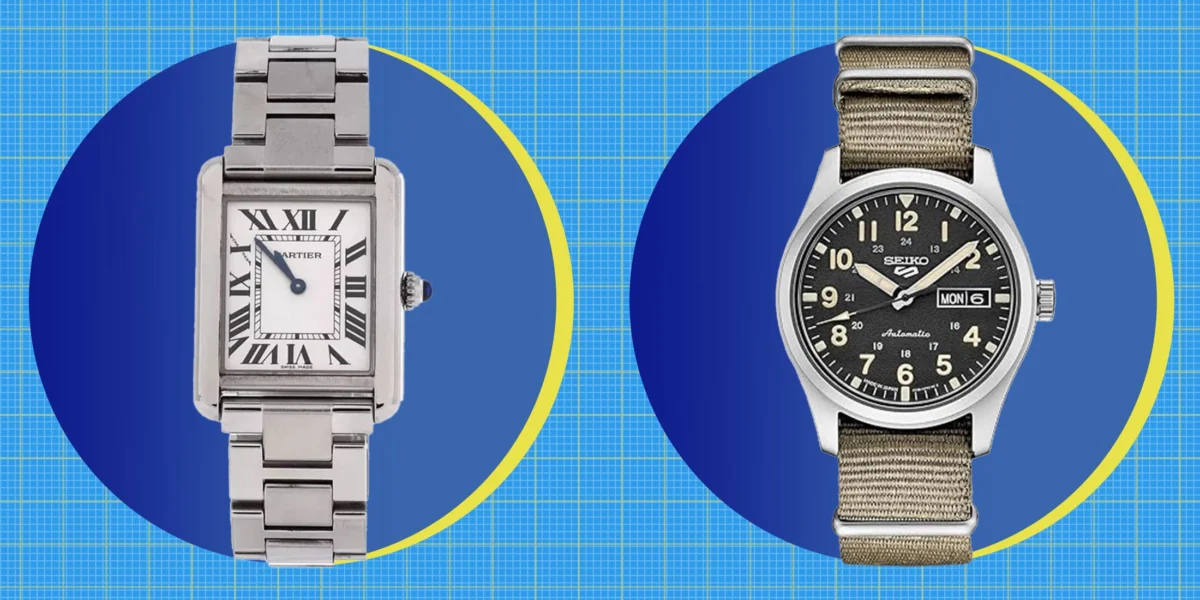
While Switzerland is often cited as the spiritual home of watchmaking, Japan has spent the last century redefining what is possible in terms of reliability and vertical integration. Seiko, founded in the late 19th century, stands as perhaps the most important brand for any novice collector. What distinguishes Seiko is its democratic approach to luxury; the brand offers everything from the $200 Seiko 5—often cited as the "gateway drug" for watch enthusiasts—to the high-artistry of Grand Seiko. Seiko watches are celebrated for being "in-house," meaning the brand manufactures its own movements, cases, and dials, a feat many Swiss brands at triple the price cannot claim.

Similarly, Citizen has carved out a vital niche through technical innovation. Since 1918, Citizen has focused on performance, most notably through its proprietary Eco-Drive technology. By converting any light source into electrical energy, Citizen solved the primary drawback of quartz watches: the need for frequent battery changes. This commitment to functional longevity makes them a preferred choice for those who value a "set it and forget it" philosophy without sacrificing a sleek, professional aesthetic.

No discussion of Japanese horology is complete without Casio. While the brand began in 1957 as a calculator company, its 1974 entry into the watch market changed the industry forever. The G-Shock line, in particular, introduced the concept of "unbreakable" watches. Today, Casio occupies a unique cultural space where a $25 digital classic is as respected by enthusiasts as an $8,000 MR-G metal G-Shock. Its versatility allows it to transition from rugged outdoor use to a cheeky, subversive accompaniment to formal attire.

The Swiss Entry Point: Heritage and Utility
For those seeking the "Swiss Made" signature, the entry-level market is rich with brands that have survived the "Quartz Crisis" of the 1970s by doubling down on value. Tissot, established in 1853, is frequently recommended as the ultimate "bang-for-your-buck" Swiss brand. With models like the PRX, Tissot has successfully modernized its heritage, offering high-quality integrated bracelet designs that echo the luxury icons of the 1970s at a fraction of the cost.

Hamilton offers a slightly different appeal, blending Swiss precision with an unmistakably American spirit. Founded in Lancaster, Pennsylvania, in 1892 before moving operations to Switzerland, Hamilton is the king of the "Field Watch." Their Khaki Field line remains a benchmark for military-inspired design—rugged, legible, and historically significant. For those who prefer a dressier look, the Hamilton Jazzmaster provides a sophisticated alternative that rivals the aesthetics of brands costing thousands more.

Victorinox and Oris represent the specialized ends of the Swiss spectrum. Victorinox, the creator of the original Swiss Army Knife, applied the same multi-tool philosophy to its timepieces starting in 1989. These watches are built for durability and professional performance. Oris, on the other hand, remains one of the few independent Swiss brands, specializing exclusively in mechanical movements. With a 115-year history, Oris appeals to the purist, offering dive watches and pilot instruments that maintain a retro flair while utilizing modern calibers.

The Modern Innovators: New Perspectives on Time
The last decade has seen a resurgence in non-heritage brands that focus on "affordable luxury" and local assembly. Shinola, based in Detroit, has become a household name by reviving the spirit of American manufacturing. By utilizing Swiss and imported parts assembled in the United States, Shinola’s flagship "Runwell" model has introduced a new generation to the concept of a hand-assembled timepiece. Their designs are characterized by a rugged, industrial aesthetic that feels both modern and nostalgic.

Vaer, a relative newcomer founded in 2016, has quickly risen through the ranks by focusing on utilitarian minimalism. By offering US-assembled watches with high water resistance and sapphire crystals at the $150 to $800 range, Vaer targets the outdoor adventurer who needs a watch that can survive a weekend in the backcountry and still look appropriate in a Monday morning meeting. Their collaborations, such as those with retailers like Huckberry, highlight a growing trend toward GMT and dive watches that prioritize function over flash.

Minimalist Icons and the Art of Design
While many brands focus on complications and ruggedness, Movado has focused on the art of the dial. Since 1881, the Swiss-based maker has been a proponent of the "less is more" philosophy. The Museum Dial, featuring a single dot at 12 o’clock representing the sun at high noon, is one of the most recognizable designs in history. This minimalist approach has allowed Movado to remain timeless, appealing to those who view a watch as a piece of jewelry as much as a tool.

The Zenith of Horology: Status and the Pre-Owned Path
At the summit of the watch world sit the titans: Cartier, Rolex, and Panerai. Cartier, established in 1847, is the master of shapes. While known for jewelry, their "Tank" watch—famously worn by figures like Muhammad Ali—remains the gold standard for dress watches. Its rectangular case and Roman numerals are as stylish today as they were over a century ago.

Rolex, founded in 1905, is perhaps the most recognized brand on the planet. Owning a Rolex Submariner or Datejust is often viewed as the ultimate signifier of professional success. However, because new models are often subject to long waitlists and high MSRPs, the secondary market has become a vital resource. Trusted retailers now offer certified pre-owned options that allow collectors to own a piece of this history—sometimes a vintage Datejust from the 1980s—for a more manageable investment.

Tudor, Rolex’s sibling brand, was created in 1926 by Hans Wilsdorf specifically to offer Rolex-level quality at a more accessible price point. In recent years, Tudor has stepped out of the shadow of its larger sibling, with the Black Bay series winning numerous awards for its "neo-vintage" design. It is the preferred choice for the "insider" collector who wants the robustness of a Rolex without the ubiquitous branding.

Finally, Panerai represents the intersection of Italian design and Swiss engineering. With roots in Florence in 1860, Panerai gained fame as the supplier of precision diving instruments to the Royal Italian Navy. Their watches, characterized by large cushion-shaped cases and crown guards, offer a bold, masculine presence that is unmistakable.

Conclusion: Finding the Personal Connection
The journey into watch collecting is rarely a straight line. It often begins with a practical need for a reliable tool—perhaps a Casio or a Seiko—and evolves into a passion for the stories behind the gears. Whether it is the light-powered innovation of a Citizen, the military history of a Hamilton, or the sheer status of a pre-owned Rolex, the right watch is the one that resonates with the wearer’s personal narrative. In a world that moves faster every day, the steady, rhythmic tick of a quality timepiece serves as a grounding reminder of the enduring value of craftsmanship.
