
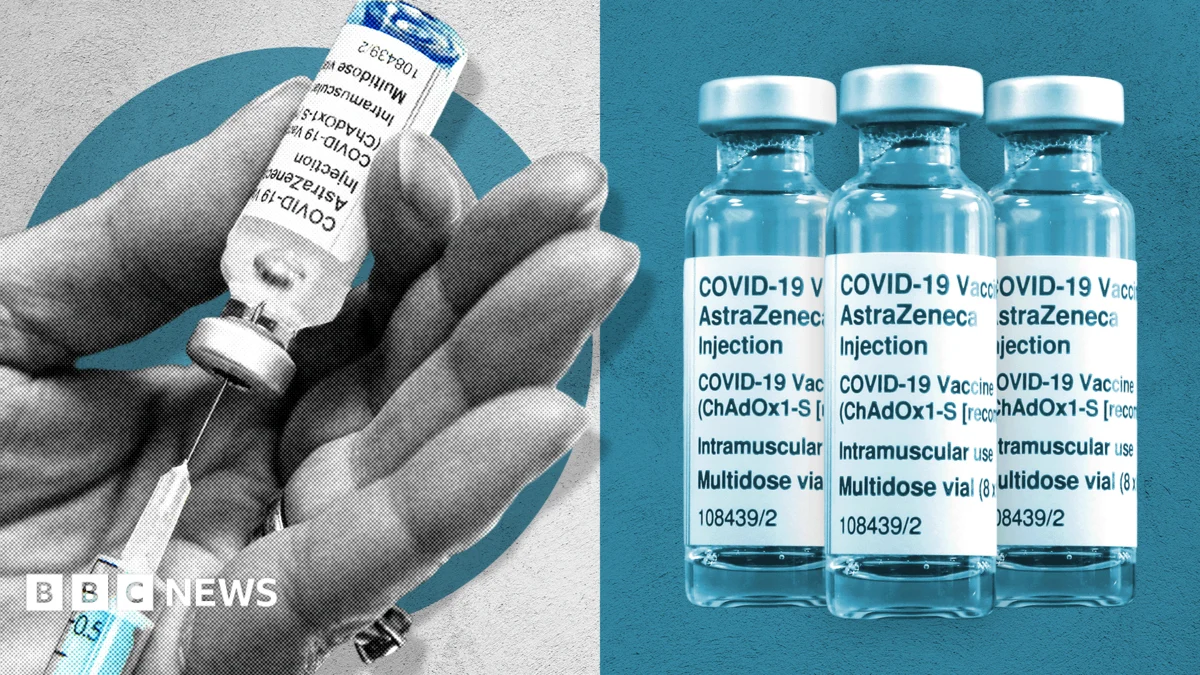
With administrative costs of the Vaccine Damage Payment Scheme reaching £83 million over four years – more than double the £31.6 million paid in compensation – critics are demanding urgent reform, arguing the scheme is inefficient and fails those it was designed to help. This stark financial imbalance has ignited a fierce debate about the efficacy and fairness of the UK’s mechanism for compensating vaccine-related injuries.
The newly disclosed financial figures reveal a critical challenge facing the UK’s long-standing compensation mechanism for vaccine injuries, particularly in the wake of the unprecedented global vaccination effort against Covid-19. The revelation, prompted by a parliamentary question, underscores growing concerns from advocacy groups and fiscal watchdogs alike regarding the scheme’s structure and operational efficacy. As the government reviews recommendations for reform, the focus intensifies on ensuring that support for vaccine-injured individuals is both timely and adequate, without being consumed by excessive bureaucratic overhead.
The full financial burden of the Vaccine Damage Payment Scheme (VDPS) has been laid bare for the first time, revealing that operational expenditures are significantly outstripping the compensation paid to individuals severely affected by vaccines. A parliamentary question posed by backbench Conservative MP Sir Christopher Chope prompted health minister Dame Diana Johnson to disclose that a staggering £83 million has been allocated to staffing, administration, and medical reviews between April 2022 and March 2026. This figure stands in stark contrast to the £31.6 million paid out in damages to those killed or left injured after receiving a Covid vaccine up to June 2026.
Established in 1979, the VDPS was designed to offer a modest, one-off, tax-free payment to individuals who suffer severe disablement as a result of vaccination. Its primary aim was to provide a safety net and maintain public confidence in vaccination programmes, acknowledging that while vaccines are overwhelmingly safe and effective, a very small number of individuals may experience serious adverse reactions. To qualify for compensation, claimants must demonstrate a "severe disablement" of at least 80% caused by the vaccine. This stringent threshold, coupled with the scheme’s fixed payment structure, has long been a point of contention, but the recent financial disclosures have brought its overall efficiency into sharp focus.
A key component of the VDPS process involves an independent medical review to ascertain whether a claimant meets the severe disablement threshold. These medical assessments, critical for validating claims, have seen their costs surge dramatically. Government data indicates that expenses for these assessments have escalated from £4.3 million in 2022/23 to an projected £19.3 million by 2025/26. This significant increase reflects not only a rise in the number of claims but also potentially the complexity and resources required for each individual assessment. The NHS Business Services Authority (NHSBSA), which took over administration of the VDPS in November 2021, attributes the escalating administrative and medical assessor costs directly to the substantial increase in claims received since that period. The unprecedented scale of the Covid-19 vaccination programme led to a corresponding surge in applications to the scheme, placing immense pressure on its existing framework.
The disparity between administrative costs and direct compensation payouts has drawn sharp criticism from various quarters. Campaign groups advocating for vaccine-injured individuals have been vocal in their condemnation. Vaccine Injured and Bereaved UK (VIBUK), a prominent group supporting affected families, asserts that the scheme is fundamentally "not fit for purpose." Kate Scott, a representative for VIBUK whose husband Jamie was severely disabled by the AstraZeneca Covid vaccine, articulated the group’s frustration, stating, "It offers too little, too late, to too few and the cost of running it shows how inefficient it is." This critique encapsulates the dual concerns of inadequacy in compensation and inefficiency in delivery. The one-off payment of £120,000, while substantial in isolation, is often deemed insufficient to cover the lifelong care, lost earnings, and adaptions required for individuals left with severe, permanent disabilities. Furthermore, the process itself can span months, or even years, exacerbating financial and emotional distress for claimants and their families already grappling with life-altering health challenges.
VIBUK, along with other campaigners, has urged the government to act on the recommendations stemming from Module Four of the ongoing Covid public inquiry. Earlier this year, the inquiry’s chair, Baroness Heather Hallett, proposed significant reforms to the VDPS. Her recommendations included increasing the payout amount and, crucially, basing compensation on the degree of injury suffered, moving away from the current fixed-sum model. Such a shift would align the VDPS more closely with modern principles of personal injury compensation, which typically account for the specific impact of an injury on an individual’s life, including loss of earnings, care costs, and pain and suffering. The government is currently reviewing these recommendations and is expected to issue a formal response.
The issue of the VDPS’s operational efficiency and the costs associated with external medical providers is not entirely new. The BBC had previously reported on the substantial sums paid to a third-party medical provider responsible for conducting these crucial assessments. This context adds another layer to the current scrutiny, suggesting that the problem of disproportionate administrative costs may have deeper roots within the scheme’s operational model.
The Taxpayers’ Alliance, a right-leaning think tank known for its campaigns for lower taxes and government spending, expressed outrage at the revelations. John O’Connell, the organisation’s chief executive, stated that the public would be "stunned" to discover that the scheme’s running costs appear to be "far more than has actually been paid out to those harmed." He called for urgent government review, demanding explanations for the system’s expense and questioning whether victims are truly deriving value from it. O’Connell’s strong critique included a call to cut "unnecessary bureaucracy" and ensure that "more of the money goes to those it was created to help," highlighting a fundamental concern about resource allocation and public accountability.
In response to the mounting pressure, the Department for Health and Social Care (DHSC) affirmed that it is "carefully considering" the COVID-19 Inquiry’s recommendations on reforming the VDPS and "will respond shortly." The department also stated its commitment to improving the applicant experience, noting, "In the meantime, we are working to speed up claims and improve the experience for applicants." The NHSBSA echoed this sentiment, confirming its continued close collaboration with the government on "managing the costs of the VDPS." These statements suggest an acknowledgment of the issues and a commitment to addressing them, though specific details on reforms or timelines remain pending.
The unfolding situation surrounding the Vaccine Damage Payment Scheme underscores a delicate balance that governments must strike between promoting public health through vaccination and providing equitable, efficient support to the rare individuals who suffer severe adverse reactions. The current structure, designed decades ago, is evidently struggling to cope with the scale and complexity of claims arising from a mass vaccination programme. The revelation of high administrative costs relative to compensation payouts not only raises questions of fiscal responsibility but also reignites the debate over the adequacy of support for those whose lives have been profoundly altered. As the government deliberates on the Covid Inquiry’s recommendations, the call for a more modern, flexible, and claimant-centric compensation system grows louder, aiming to ensure that the scheme truly serves its purpose without being consumed by its own operational inefficiencies.
