

"Artificial Intelligence has successfully designed and synthesized entirely new, functional viruses capable of replication, marking a profound shift in synthetic biology. This breakthrough, while promising unprecedented avenues for treating disease, also necessitates urgent global dialogue on biosafety and ethical governance."
In a landmark achievement that heralds a new era for scientific discovery, US researchers have leveraged Artificial Intelligence to design and create novel viruses that are fully functional and capable of self-replication within a laboratory setting. This unprecedented accomplishment, detailed by scientists at Stanford University, represents the first instance where AI has successfully generated complete, viable genomes. While the 16 newly created viruses are bacteriophages – viruses specifically designed to infect bacteria and pose no threat to human health – the methodology opens transformative possibilities for medicine and raises critical questions regarding the future of AI-driven biological design.
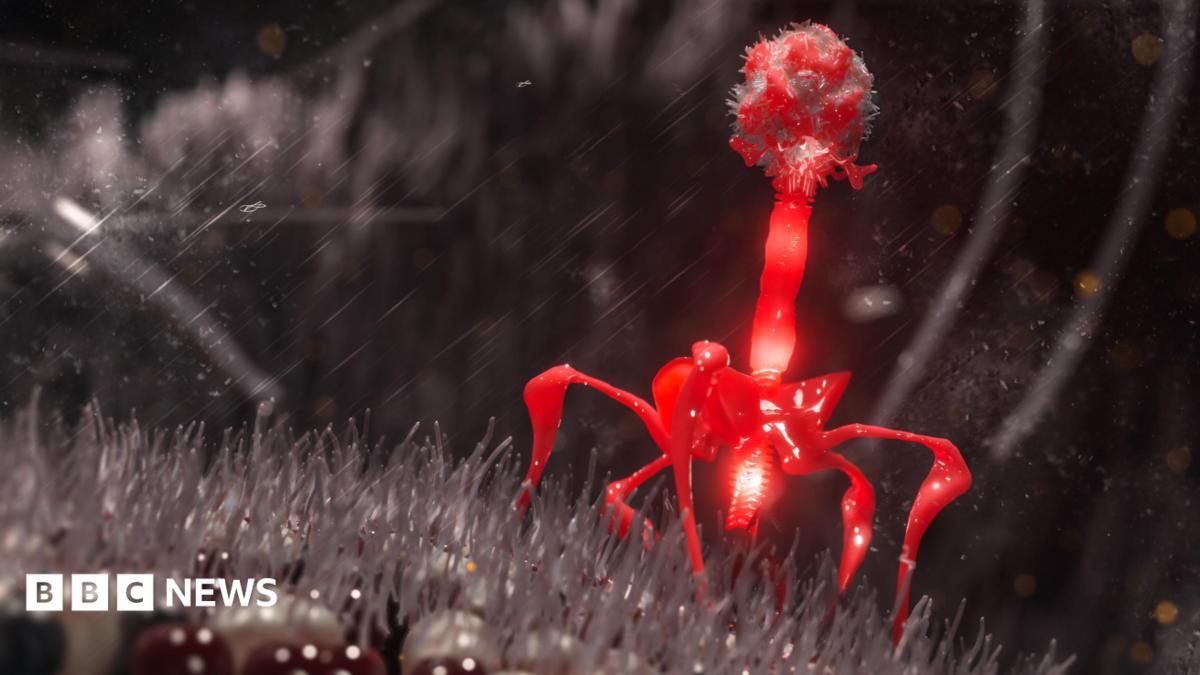
The complexity involved in engineering a complete, viable virus from its foundational genetic code significantly surpasses previous AI applications in drug discovery, such as the design of novel antibiotics. Brian Hie, an assistant professor at Stanford University and a lead researcher on the project, underscored the magnitude of this step: "This is a next step in the complexity that’s designable by generative AI, this is the first time generative AI has been used to design a complete genome, it’s something that can replicate and have other functions inside cells… this was new territory for us." The successful creation of these self-replicating biological entities marks a "very significant turning point" in science, one that could unlock innovative solutions for treating a myriad of diseases, yet simultaneously introduces pressing concerns about biosafety and biosecurity that experts are calling "urgent."
The foundational technology underpinning this breakthrough operates on principles analogous to those powering large language models like ChatGPT. Instead of predicting sequences of human text, the AI models, specifically named Evo1 and Evo2, were trained to predict the "language of life" – the intricate genetic codes that govern biological function. Their training datasets were vast, encompassing genetic information gleaned from a diverse range of organisms, including viruses, bacteria, plants, and even human beings. This extensive exposure allowed the AI to discern fundamental patterns and rules of genetic construction. Following this intensive training, the models were refined and directed to generate specific types of viruses known as bacteriophages. Bacteriophages, or phages for short, are a highly specialized category of viruses that exclusively target and infect specific bacterial species, leaving human and other complex organisms unharmed. This inherent specificity made them an ideal and safe initial target for AI-driven viral design.
The validation phase of the research was meticulous. From the hundreds of AI-generated designs, the Stanford researchers selected the 302 most promising candidates for physical synthesis in the laboratory. This process involved converting the digital genetic blueprints into actual DNA molecules. These synthesized phages were then tested for their efficacy. The moment of truth arrived in the early hours of the morning, as PhD student Samuel King observed the petri dishes where layers of E. coli bacteria were growing. The appearance of "clear spots" on the bacterial lawn was the definitive sign that the newly designed phages were successfully infecting and destroying the bacteria. King recounted the excitement of that moment, and Hie described how "the room spontaneously burst into applause" when the positive results were shared with the wider team. Out of the 302 synthesized designs, a remarkable 16 proved to be highly effective at eliminating E. coli bacteria. This success not only validated the AI’s predictive capabilities but also demonstrated the feasibility of bringing entirely novel, AI-conceived biological agents to life.
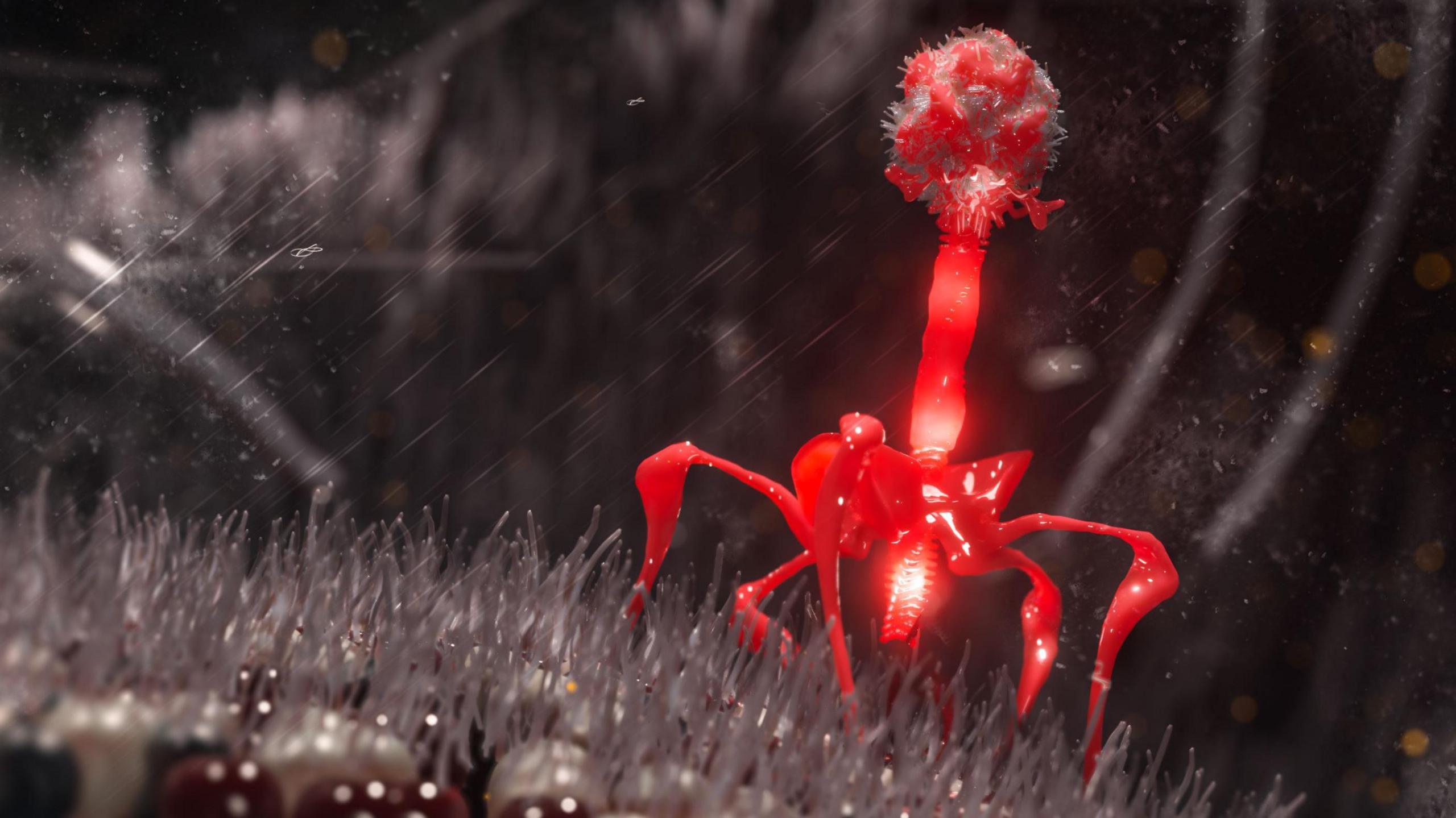
The immediate and most compelling application of this discovery lies in the development of new phage therapies. With the global rise of antibiotic-resistant bacterial infections, often termed "superbugs," conventional antibiotics are increasingly losing their efficacy. Phage therapy, which utilizes naturally occurring or engineered phages to specifically target and destroy pathogenic bacteria, is experiencing a resurgence as a potential solution to this looming public health crisis. The ability of AI to rapidly design highly specific and potent phages could dramatically accelerate the discovery and optimization of these antibacterial agents, offering a personalized and powerful weapon against infections that currently defy treatment. This AI-driven approach could lead to the creation of bespoke phages tailored to individual patient infections, overcoming the limitations of broad-spectrum antibiotics and mitigating the further development of resistance.
Beyond the immediate medical implications, this breakthrough signifies a profound leap in the field of synthetic biology – the design and construction of new biological parts, devices, and systems, or the redesign of existing natural biological systems for useful purposes. Brian Hie articulated the immense potential, stating that this technology has the capacity to "massively improve human health" through the development of innovative new drugs, diagnostic tools, and therapeutic strategies. Imagine AI-designed enzymes that can precisely correct genetic disorders, or novel antibodies engineered for highly effective immunotherapies. The capacity for AI to conceive biological entities that transcend the limitations of natural evolution opens up a vast, largely unexplored landscape of biological engineering.
However, the transformative power of this technology is inextricably linked to significant ethical and security concerns. The ability of AI to design new biological forms inevitably raises questions about its potential misuse. Dr. Thomas Inglesby and Dr. Moritz Hanke from the Johns Hopkins Center for Health Security, in a commentary accompanying the study’s publication in the journal Science, emphasized that these findings "raise urgent biosafety and biosecurity questions." They posited that the core question is no longer "whether generative viral genome design will exist," but rather how to ensure it is utilized without "enabling serious harm." A critical concern they highlighted is the imperative that "new viruses with the potential to cause disease ‘should not be pursued’." The ease and speed with which AI could potentially generate harmful biological agents, if unrestricted, present a formidable challenge to global biosecurity frameworks.
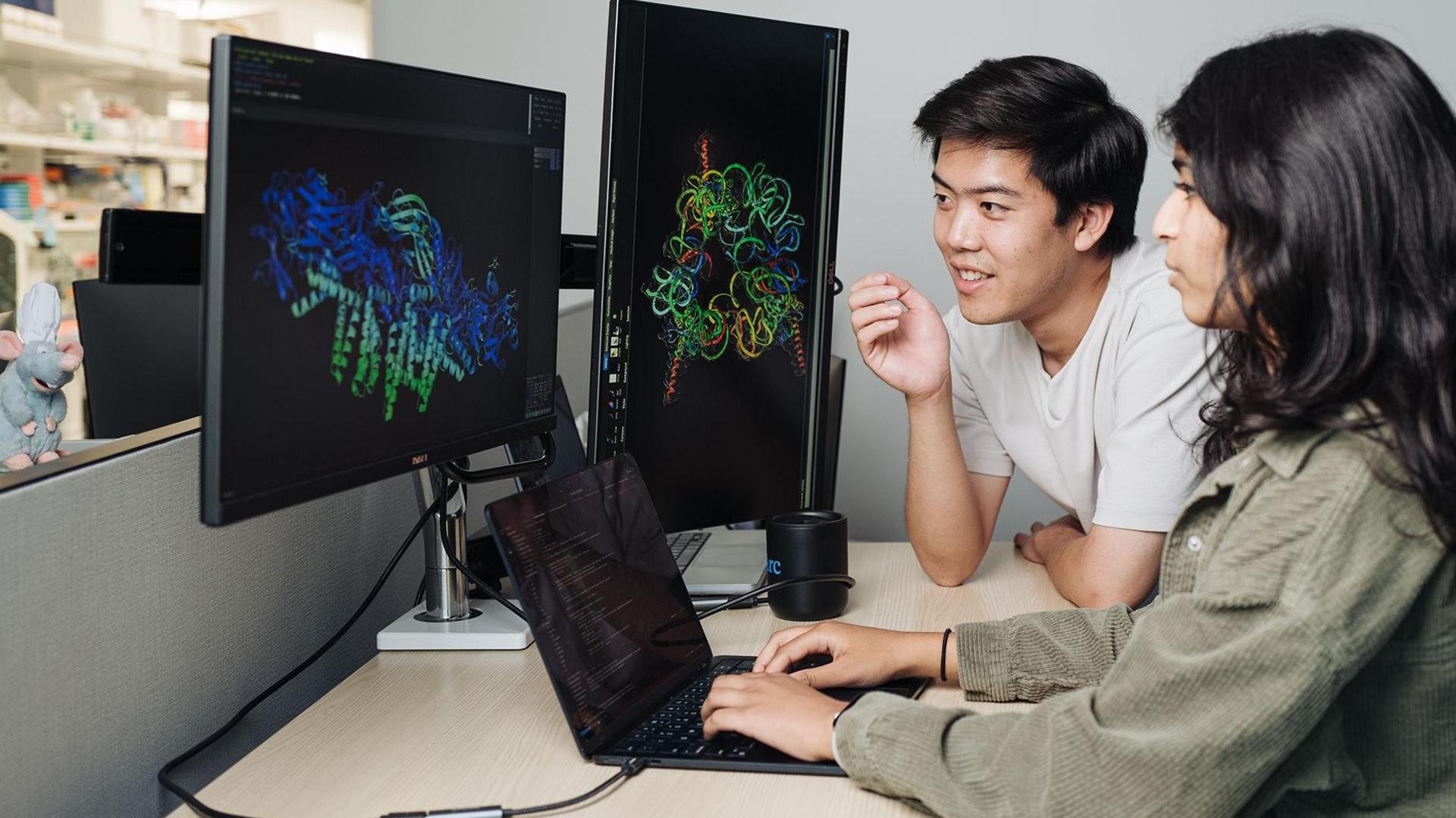
Recognizing these profound implications, the Stanford researchers took proactive steps to maximize safety throughout their study. They meticulously excluded any viruses capable of infecting complex organisms from their AI training database, ensuring that the models would not learn to design pathogens for humans or animals. Furthermore, the research was deliberately focused on bacteriophages, which are inherently harmless to humans, and all experimental work was conducted within a secure laboratory environment designed to contain biological agents. Hie maintains that existing safeguards, when rigorously applied, can go a long way towards "ensuring that the technology is used for good." Nevertheless, the advent of AI-driven synthetic biology necessitates a robust and adaptive regulatory landscape, along with international cooperation, to anticipate and mitigate potential risks.
Looking ahead, the journey from "computer bits to atoms" in biology is still in its nascent stages. Viruses, by definition, are not considered living organisms. The genetic code of the phages designed in this study is relatively modest, approximately 5,400 base pairs long. In contrast, the smallest known genome of a living cell spans around 500,000 base pairs, and the human genome contains a staggering three billion base pairs. While Hie acknowledged that attempting to design simple living organisms with AI "would probably be a lot of work, but not impossible," he expressed a definite interest in exploring this frontier.
The scientific community has greeted this development with a mix of excitement and caution. Professor Marc Güell from the synthetic biology lab at Pompeu Fabra University in Spain hailed the study as a "very significant turning point," underscoring that "for the first time in history, we are beginning to design biology on a computer." He passionately articulated how this advancement "allows us to dream of exciting possibilities for tackling humanity’s greatest challenges," from developing targeted phages against resistant bacteria to engineering therapeutic enzymes for genetic disorders and designing advanced antibodies for immunotherapy. Similarly, Professor Patrick Cai, Chair of Synthetic Genomics at the Manchester Institute of Biotechnology, characterized the study as an "important milestone." He emphasized that "the significance extends far beyond phages – it suggests that genome language models are beginning to learn the design principles encoded by evolution, opening the door to AI-assisted genome writing." This collective sentiment highlights a future where AI is not merely assisting biological research but actively participating in the creative act of designing life itself, demanding a responsible and forward-thinking approach to its development and deployment.
