
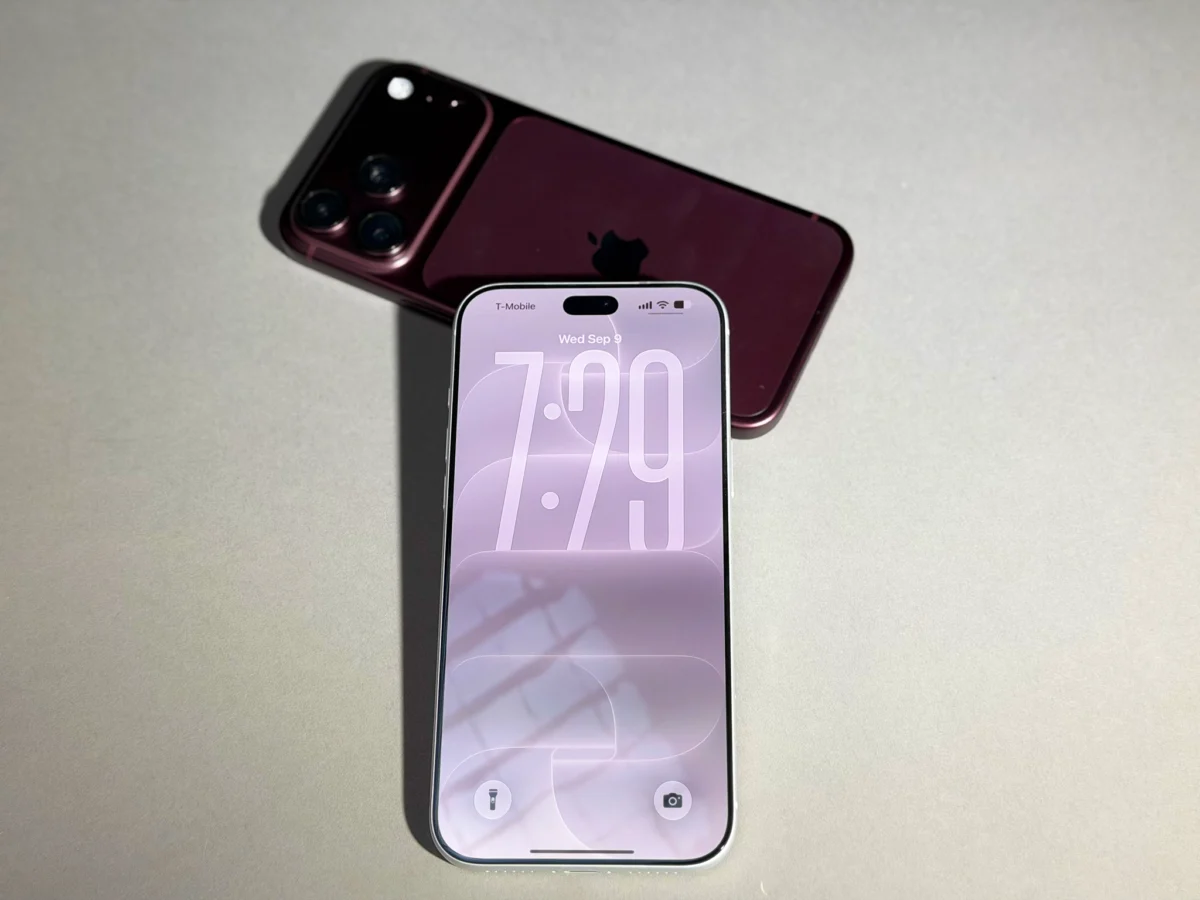
"By prioritizing professional-grade hardware and seamless AI integration over iterative standard updates, Apple has positioned the iPhone 18 Pro not just as a smartphone, but as a sophisticated tool for content creators and high-performance users."

The 2026 Apple hardware keynote marked a significant strategic pivot for the Cupertino-based tech giant, emphasizing a "Pro-only" launch cycle that underscores the widening gap between consumer-grade devices and professional-tier technology. By focusing exclusively on the iPhone 18 Pro and Pro Max—while maintaining the previous year’s standard models—Apple has signaled that its most meaningful innovations are now reserved for those willing to invest in the upper echelon of its ecosystem. This shift reflects a broader industry trend where hardware longevity and specialized features, particularly in the realms of generative AI and computational photography, have become the primary drivers of the premium market.
A Refined Architectural Foundation
The iPhone 18 Pro and 18 Pro Max represent the pinnacle of Apple’s industrial design, iterating on the "heat-forged aluminum unibody" construction introduced in the previous generation. While the silhouette remains familiar, including the distinctive sloped camera bump, the internal architecture has undergone a radical transformation to support the demands of high-level computing.

Modern smartphones are increasingly limited by their ability to dissipate heat, especially when running complex AI models or rendering high-resolution video. To combat this, Apple has expanded the "vapor chamber" cooling system to cover a significantly larger surface area of the logic board. This is complemented by a nano-twin copper plate situated directly beneath the display. These thermal management upgrades are not merely for show; they allow the device to maintain peak performance during sustained workloads, such as gaming or 4K video editing, without the thermal throttling that plagued earlier models.
The display sizes have also seen a slight expansion, with the standard Pro now featuring a 6.3-inch screen and the Pro Max reaching a massive 6.9 inches. However, the most impressive engineering feat on the front of the device is the evolution of the Dynamic Island. By successfully shifting the infrared (IR) camera behind the display panel, Apple has reduced the visual footprint of the sensor array. This allows the Dynamic Island to facilitate up to three simultaneous background functions, offering a more robust multitasking interface that can display sports scores, delivery updates, and media controls without crowding the primary user interface.

The Intelligence of iOS 27
Operating on the newly released iOS 27, the iPhone 18 Pro leverages Apple Intelligence more deeply than any of its predecessors. While early iterations of Apple’s AI were often seen as experimental, the 18 Pro treats responsive performance and predictive assistance as the baseline. Siri has been overhauled to handle complex, multi-step voice commands with a level of nuance that feels conversational rather than robotic.
The Image Playground app, integrated directly into the OS, allows for near-instant photo generation and manipulation. During testing, tasks that would have previously required third-party software—such as generating a specific background for a presentation or creating custom emojis—were handled locally on the device with remarkable speed. This efficiency is a direct result of the synergy between the new A-series silicon and the enhanced thermal hardware, ensuring that the AI does not drain the battery or overheat the chassis during intensive processing.

Optical Mastery: The 48MP Pro Fusion System
The most compelling argument for the iPhone 18 Pro lies in its camera system. While the "48MP Pro Fusion" branding remains, the hardware and software behind it have been significantly upgraded. The triple-lens array—consisting of the main, ultra-wide, and an 8x telephoto lens—now offers a level of control previously reserved for dedicated mirrorless cameras.
The standout feature is the introduction of manual aperture control. Users can now adjust the lens opening from f/1.48 to f/4, allowing for precise manipulation of the depth of field. For the casual user, the camera’s automatic mode intelligently selects the ideal aperture based on lighting conditions and subject distance. For the enthusiast, however, the ability to manually "stop down" the lens to create a starburst effect on light sources or "open up" for a creamy, natural bokeh provides a creative freedom that software-simulated Portrait Mode cannot fully replicate.

Editing has also been revolutionized by AI. The "Clean Up" tool, which removes unwanted background objects or people, has been refined in iOS 27 to be far more effective, eliminating the "smudging" artifacts that often occurred in earlier versions. Furthermore, the "Extend" tool allows users to use generative AI to expand the frame of a photo beyond its original borders, while the "Reframe" tool can shift the subject’s position within the composition after the shot has been taken.
To address the growing concerns regarding the authenticity of digital imagery in the age of AI, Apple has introduced an unalterable metadata timestamp. By toggling this setting, photographers can attach a digital "certificate of reality" to their files, proving that the core elements of the image were captured by the sensor rather than generated by an algorithm.

Power, Longevity, and Charging
Battery life remains a cornerstone of the Pro experience. Apple’s internal testing suggests that the iPhone 18 Pro can support up to 36 hours of video playback, with the Pro Max extending that to 45 hours. In real-world usage, which typically involves a mix of high-brightness screen time, 5G data usage, and background app activity, the 18 Pro Max easily clears a full day of heavy use. Even with eight hours of active screen time, the device consistently retains over 25% of its charge by late evening.
Charging technology has also seen a necessary boost. The new fast-charging protocol allows the device to reach a 50% charge in approximately 15 minutes via a wired connection. This "top-up" capability is particularly useful for users on the go; a mere 10-minute charge can provide enough power to sustain several hours of moderate use, alleviating the "range anxiety" often associated with modern smartphones.

Market Positioning: The Pro vs. The Duo
The 2026 lineup presents a unique dilemma for consumers. With the upcoming launch of the foldable iPhone Duo in late October, the iPhone 18 Pro faces competition from within its own stable. The Duo represents the "cool factor"—a seamless transition between phone and tablet modes that will undoubtedly appeal to early adopters and those seeking a futuristic aesthetic.
However, the iPhone 18 Pro is positioned as the pragmatic choice for those who prioritize reliability, camera quality, and value. With a starting price of $1,199 for the Pro and $1,299 for the Pro Max, these devices are $100 more expensive than their predecessors. While this price hike is significant, it is justified by the leap in thermal engineering and the inclusion of professional-grade optical hardware.

When compared to the iPhone 17 (now priced at $799), the 18 Pro offers a superior lifecycle. Choosing the latest model ensures an extra year of software support and hardware relevance, which often results in a lower "cost per year" over the life of the device.
Conclusion
The iPhone 18 Pro is not a revolutionary departure in terms of aesthetics, but it is a masterclass in refinement. By focusing on the "Pro Fusion" camera system, advanced thermal management, and the maturing capabilities of Apple Intelligence, Apple has created a device that caters to the demands of the modern power user. While the foldable iPhone Duo may capture the headlines for its form factor, the 18 Pro remains the definitive workhorse of the Apple ecosystem. For users who value the ability to capture professional-grade content and perform high-level tasks without compromise, the iPhone 18 Pro is a formidable, if expensive, investment in the future of mobile technology.
