
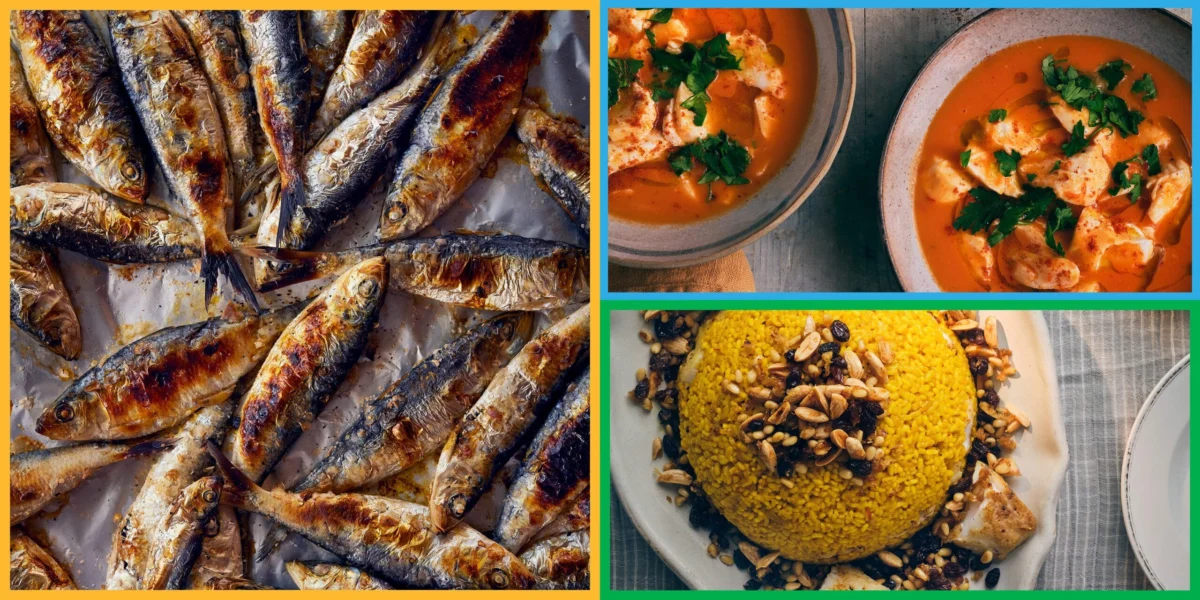
"Meeting the gold standard of two seafood servings per week requires more than just nutritional willpower; it demands a culinary shift from repetitive preparation to the vibrant, spice-rich traditions of the Eastern Mediterranean."
While recent data suggests a slight uptick in American seafood consumption, the majority of the population still falls short of federal health recommendations. This deficit is often attributed to a lack of culinary diversity, where fish is viewed as a bland obligation rather than a centerpiece of flavor. By integrating the ancient and aromatic techniques of Egyptian cuisine—which utilizes bold spices, fresh aromatics, and diverse textures—home cooks can bridge the gap between nutritional necessity and gastronomic pleasure, transforming heart-healthy proteins into the most anticipated part of the weekly menu.
The Seafood Gap: Analyzing the CDC Data
According to the latest report from the Centers for Disease Control and Prevention (CDC), approximately 24 percent of U.S. adults currently consume seafood at least twice a week. While this represents a marginal increase from the mid-2010s, it highlights a significant public health gap. The Dietary Guidelines for Americans, alongside the consensus of leading dietitians, consistently recommend a minimum of two servings of seafood per week to support cardiovascular health, cognitive function, and systemic inflammation reduction.

The primary hurdle is not a lack of access but a lack of inspiration. In the American kitchen, fish is frequently relegated to three predictable preparation methods: broiling, steaming, or frying. These methods often fail to mask the "fishiness" that many find off-putting or, conversely, result in a dry, unappealing texture. To combat this "culinary boredom," nutritionists are increasingly looking toward international foodways—specifically those of Egypt—where seafood is treated as a versatile canvas for complex spice profiles and communal dining.
The Egyptian Influence: More Than Just Protein
Egypt’s relationship with seafood is as old as the civilization itself, shaped by the bounty of the Nile River, the Mediterranean Sea, and the Red Sea. In Egyptian cooking, fish is rarely served in isolation. Instead, it is integrated with "warming spices" like cumin, coriander, and turmeric, and paired with nutrient-dense additions like pine nuts, raisins, and fresh herbs.
The new cookbook, Egypt: Recipes and Stories From an Ancient Land, serves as a roadmap for this transition. It moves beyond the "protein-on-a-plate" mentality, showcasing seafood as a "powerfully delicious ingredient" that can be roasted into snacks, simmered into restorative broths, or "buried" within fragrant mounds of spiced rice. By adopting these methods, Americans can move past the monotony of the broiler and start meeting their Omega-3 requirements with enthusiasm.
The Omega-3 Powerhouse: Oven-Roasted Sardines
One of the most significant missed opportunities in the American diet is the consumption of small, oily fish. Sardines are nutritional titans, loaded with heart-healthy Omega-3 fatty acids (EPA and DHA), vitamin D, and calcium. Despite their benefits, they are often stigmatized as a low-quality canned product.

The Egyptian approach reclaims the sardine by roasting fresh specimens at high heat. This method crisps the skin and renders the fat, turning the fish into a savory, snack-like experience.
Preparation and Nutritional Context:
To prepare these, twelve cleaned sardines are coated in a quarter-cup of olive oil—a monounsaturated fat that enhances the absorption of the fish’s fat-soluble vitamins. The seasoning is deceptively simple: coarse salt and ground cumin. Cumin, a staple of the Egyptian pantry, provides an earthy, nutty flavor that cuts through the richness of the oily fish.
Roasted at 400°F for approximately 35 minutes (turning halfway), the sardines emerge with a texture that challenges the American preference for soft fillets. Eating small fish like sardines also offers a sustainability benefit; they occupy a lower position on the food chain, meaning they accumulate fewer heavy metals like mercury compared to larger predators like tuna or swordfish.
The Nutritional Synergist: Fisherman’s Soup
While many Americans view soup as a side dish, the Egyptian Fisherman’s Soup is a masterclass in nutrient density and flavor extraction. This recipe utilizes white, fleshy fish—such as grouper—which provides high-quality protein with a low caloric density.

The Power of Aromatics:
The broth is the heart of this dish. By simmering fish with coriander, cumin, and fennel seeds, the cook creates a liquid base rich in minerals and phytonutrients. Fennel seeds, in particular, are known for their digestive benefits, while garlic and onions provide allicin and quercetin, compounds linked to immune support.
The technique involves a two-stage process: first, creating a strained broth from the fish, spices, and aromatics (including celery, parsley, and cilantro). Second, the broth is reinforced with sautéed onions, garlic, potatoes, and fresh tomatoes. The result is a "smooth soup" achieved through blending, which is then topped with flaked chunks of the original fish. The addition of a pinch of cayenne pepper provides a metabolic boost, while a final drizzle of extra virgin olive oil ensures a healthy dose of polyphenols. This soup transforms a simple piece of white fish into a hydrating, fiber-rich, and deeply satisfying meal.
Gastronomic Complexity: Buried Grouper
For those who find fish "unsubstantial," the Egyptian tradition of Sayadeya or "Buried Grouper" offers a solution. This dish is a massive assembly of fragrant rice, nuts, fruits, and meaty fish chunks, engineered for maximum satiety and flavor.
The "Khalta" and Spice Profile:
The complexity of this dish comes from the Khalta—a mixture of sautéed onions, raisins, pine nuts, and blanched almonds. This topping provides a contrast of textures (crunchy and chewy) and flavors (sweet and savory). From a health perspective, the inclusion of nuts adds magnesium and vitamin E, while raisins provide quick energy and antioxidants.

The rice itself is infused with saffron and turmeric. Turmeric contains curcumin, a powerful anti-inflammatory agent, while saffron has been studied for its mood-enhancing properties. The fish—be it grouper, seabass, or cod—is seasoned with a minced garlic and cumin paste, dredged in flour, and pan-fried until golden.
The Assembly:
The "buried" aspect of the dish is a traditional presentation style. By layering the fried fish between tiers of saffron rice in a mould, the fish remains moist and absorbs the aromatics of the surrounding grains. When inverted onto a platter, the dish becomes a communal centerpiece. This method addresses the common complaint that fish is "boring" by surrounding it with a festival of textures and spices that make every bite different.
A New Paradigm for Seafood Consumption
The transition from a 24 percent compliance rate to a majority of Americans meeting seafood guidelines requires more than just clinical advice; it requires a cultural shift in the kitchen. The recipes found in Egypt: Recipes and Stories From an Ancient Land suggest that the secret to health isn’t just what we eat, but how we prepare it.
By embracing the sardine as a crisp snack, the grouper as a blended soup base, or the cod as a "buried" treasure in spiced rice, home cooks can overcome the psychological barriers to fish consumption. These Egyptian-inspired methods do not just provide protein; they provide a "rewiring" of the palate. As the U.S. continues to struggle with chronic diseases linked to poor diet, looking toward the ancient, time-tested flavors of the Nile may be the most effective way to ensure a healthier, more flavorful future.
